Living in a Tokyo sharehouse transforms the simple act of checking expiration dates from a personal responsibility into a complex community management system that affects everyone’s health, finances, and daily harmony. The shared kitchen environment creates unique challenges where individual food storage habits can impact multiple residents, making systematic expiration date monitoring not just helpful but absolutely essential for maintaining a functional living space.
The consequences of inadequate expiration date monitoring in sharehouses extend far beyond personal food safety concerns, creating ripple effects that can damage community relationships, increase individual expenses, and even pose serious health risks to vulnerable residents. Understanding why this monitoring becomes necessary helps new sharehouse residents adapt their habits and contribute positively to their living community.
The Reality of Shared Food Storage Systems
Tokyo sharehouses typically operate with limited refrigerator and pantry space that must accommodate multiple residents with varying eating habits, cultural food preferences, and storage practices. The competition for space creates an environment where forgotten items quickly accumulate, creating potential health hazards and reducing available storage for other residents. Understanding utility bills in Japanese sharehouses reveals how shared resource management affects everyone’s living costs.
The cultural diversity within international sharehouses means residents bring different understandings of food safety standards, expiration date interpretations, and storage practices from their home countries. These differences can create confusion about what constitutes acceptable food storage behavior and when items should be discarded, leading to conflicts and potential health risks.
Modern Tokyo sharehouses often house fifteen to thirty residents sharing two or three refrigerators, creating intense competition for space and making it easy for items to get pushed to the back and forgotten. The constant turnover of residents means that food items are sometimes abandoned when people move out, leaving remaining residents to deal with cleanup and potential contamination issues.
Health and Safety Implications in Shared Environments
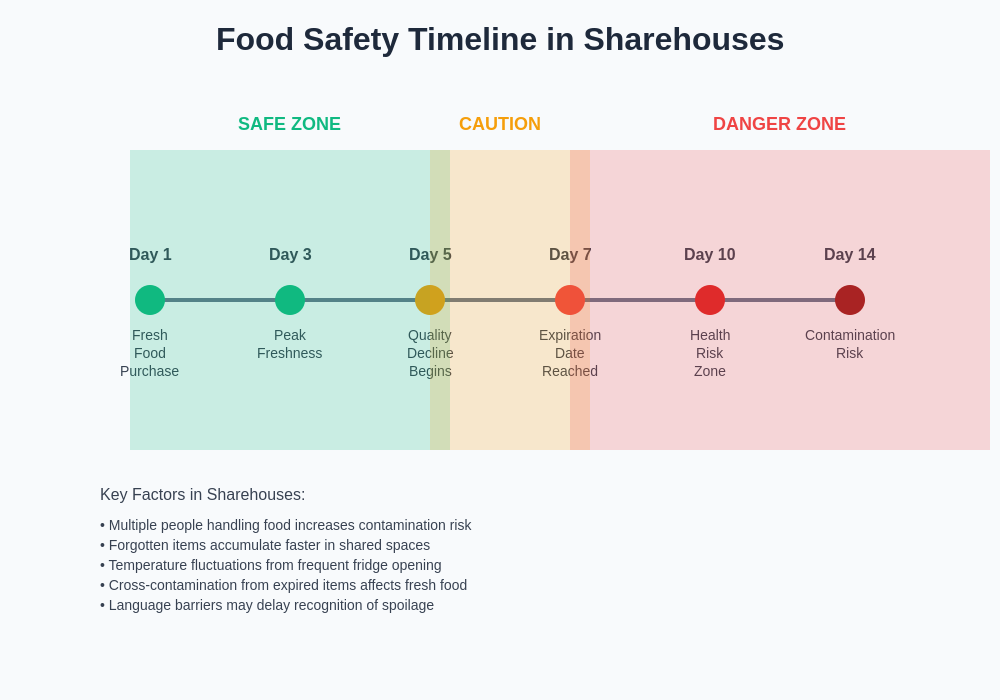
Food-borne illnesses spread more rapidly in shared living environments where kitchen utensils, cutting boards, and preparation surfaces are used by multiple people throughout the day. Expired food items can contaminate these shared surfaces and equipment, putting all residents at risk regardless of their personal food safety practices. How illness spreads faster in sharehouses explains the particular vulnerabilities of shared living spaces.
Cross-contamination risks increase dramatically when expired items remain in shared refrigerators alongside fresh food, as bacteria and mold can spread to neighboring items through airborne spores, contact contamination, and shared storage containers. The humid climate in many Tokyo neighborhoods exacerbates these risks by accelerating bacterial growth and food spoilage rates.
International residents may have different immune systems and sensitivities to certain bacteria or food preservation methods common in their home countries but problematic in Japan’s climate and storage conditions. How food allergies complicate shared cooking highlights how individual dietary needs affect community food safety practices.
Emergency medical situations become more complicated in sharehouses where language barriers and unclear responsibility structures can delay appropriate responses to food poisoning incidents. The shared nature of potential contamination sources makes it difficult to identify the specific cause of illness, complicating treatment and prevention efforts.
Financial Impact on Individual and Community Budgets
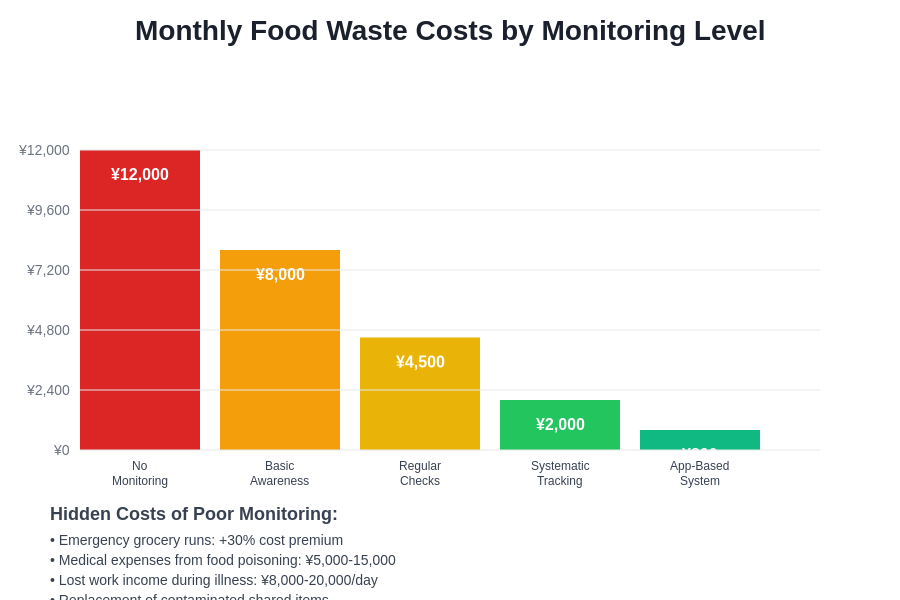
Expired food waste represents a significant financial drain for residents operating on tight budgets, with studies showing that the average sharehouse resident loses between 3,000 to 8,000 yen monthly through spoiled food that could have been consumed if properly monitored. Living costs in Tokyo sharehouses explained demonstrates how these seemingly small expenses accumulate into substantial budget impacts.
The domino effect of food spoilage often forces residents to purchase replacement items unexpectedly, disrupting careful budget planning and potentially requiring emergency grocery trips to expensive convenience stores rather than planned shopping at discount supermarkets. This reactive shopping typically costs 30-50% more than planned purchases.
Shared condiments, spices, and cooking staples that expire due to poor monitoring create ongoing debates about replacement responsibility and cost sharing among housemates. How shared expense apps create new problems explores the financial tensions that arise from these situations.
The hidden costs of food poisoning include not only medical expenses but also lost work income for residents who cannot afford sick days, creating disproportionate financial impact on international students and workers with precarious employment situations.
Social Dynamics and Community Relationships
Food-related conflicts represent one of the most common sources of tension in Tokyo sharehouses, with expiration date disputes creating lasting resentment between residents who feel their health and finances are being compromised by others’ carelessness. How to handle roommate conflicts without moving out provides strategies for addressing these sensitive issues.
Cultural differences in food preservation understanding can lead to accusations of wastefulness or negligence when residents from different backgrounds have varying comfort levels with consumption of items near or past their expiration dates. These conflicts often reflect deeper cultural misunderstandings about food safety, personal responsibility, and community cooperation.
The psychological stress of constantly monitoring not only your own food but also being vigilant about potential contamination from others’ expired items creates an atmosphere of mistrust and anxiety that can undermine the positive social aspects of sharehouse living. How stress management techniques become necessary addresses the mental health impacts of community living challenges.
Residents who consistently maintain good expiration date practices often become frustrated with having to clean up after careless housemates, leading to unequal distribution of household maintenance responsibilities and growing resentment over time.
Practical Monitoring Systems and Technologies
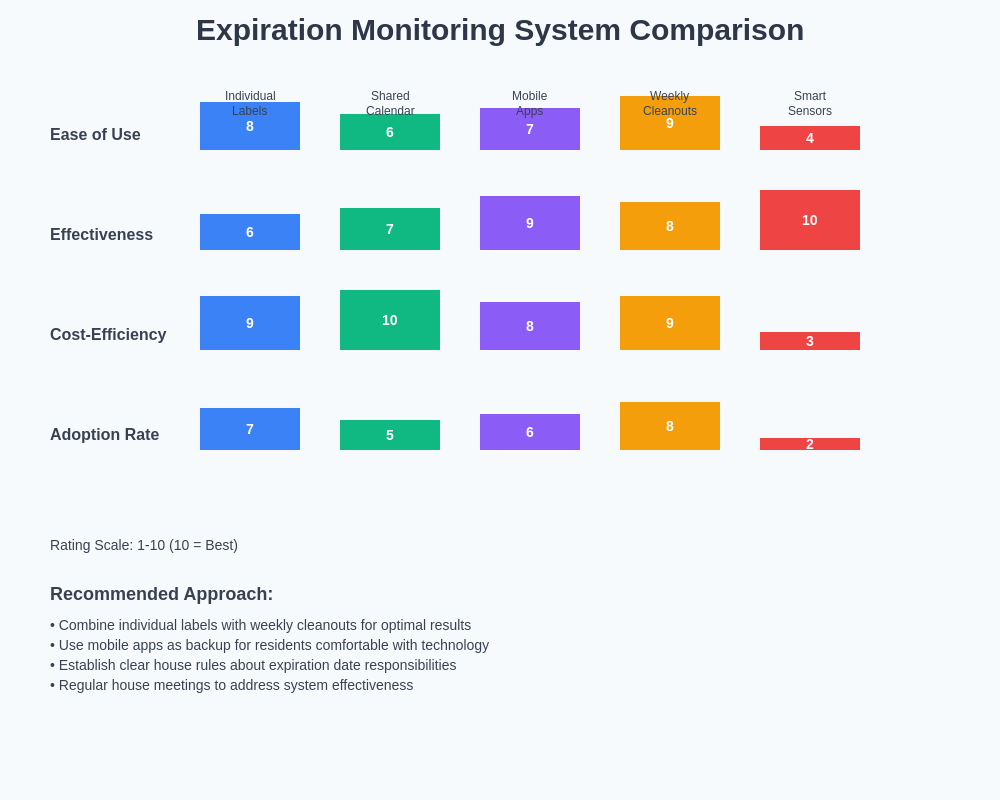
Successful sharehouse communities often implement systematic approaches to expiration date monitoring, including shared digital calendars, rotation systems, and clear labeling protocols that make individual and collective responsibility explicit and manageable. Modern smartphone apps can help residents track their food inventory and receive alerts about approaching expiration dates.
The most effective monitoring systems combine individual responsibility with community oversight, creating backup systems that catch forgotten items before they become health hazards or sources of conflict. How smart home features change daily routines explores technological solutions that some advanced sharehouses are implementing.
Simple physical systems such as color-coded labels, designated expiration date areas, and regular community refrigerator cleanings can be more reliable than technology-dependent solutions, especially in sharehouses with residents who have varying comfort levels with digital organization tools.
Weekly house meetings that include brief food storage reviews help maintain awareness and provide opportunities to address potential issues before they escalate into serious conflicts or health risks. These discussions also serve as educational opportunities for residents who may be unfamiliar with Japanese food safety standards and expectations.
Legal and Liability Considerations
Japanese rental agreements for sharehouses often include clauses about maintaining sanitary conditions that can be interpreted to include proper food storage and waste management, making expiration date monitoring not just a community courtesy but a potential legal obligation affecting deposit returns and lease renewals.
Food safety regulations in Tokyo require that shared kitchen facilities maintain certain standards of cleanliness and safety, and sharehouse operators may face liability issues if residents become ill due to unsafe food storage practices on the premises. What security deposits actually cover in sharehouses explains how property damage from food-related incidents can affect resident financial obligations.
International residents may face additional scrutiny if food safety incidents occur, as visa status and residency permits can be affected by violations of local health and safety regulations, making proper food storage practices particularly important for maintaining legal residency status.
The shared nature of kitchen facilities means that individual residents may face collective responsibility for violations or incidents, making community cooperation in food safety monitoring essential for protecting everyone’s interests and legal standing.
Cultural Adaptation and Learning Opportunities
Living in a Tokyo sharehouse provides valuable opportunities to learn about different cultural approaches to food preservation, storage techniques, and safety standards that can enhance residents’ culinary knowledge and personal health practices throughout their lives.
The necessity of expiration date monitoring in shared environments teaches important life skills about food management, budgeting, and community cooperation that benefit residents long after they leave sharehouse living situations. How independence skills develop in shared living explores the educational aspects of community living challenges.
International residents often discover new foods, preservation methods, and cooking techniques through their housemates’ practices, creating opportunities for cultural exchange and culinary education that offset some of the challenges of shared food storage management.
The collaborative problem-solving required to develop effective expiration date monitoring systems builds communication skills, cultural sensitivity, and conflict resolution abilities that serve residents well in their personal and professional relationships beyond the sharehouse environment.
Long-term Health and Habit Formation
Developing systematic expiration date monitoring habits in the challenging environment of shared living creates lasting behavioral changes that improve residents’ food safety practices, budget management skills, and health consciousness throughout their lives.
The heightened awareness of food safety that emerges from community living situations often leads residents to maintain higher standards of food storage and consumption even after moving to individual accommodations, creating long-term health benefits that extend far beyond the sharehouse experience.
Regular practice of community-oriented food management teaches valuable skills about cooperation, resource sharing, and collective responsibility that enhance residents’ ability to function effectively in various group living and working situations throughout their careers.
The integration of technology, organization systems, and social cooperation required for effective expiration date monitoring in sharehouses provides excellent preparation for managing household responsibilities in future family situations and long-term housing arrangements.
Understanding how expiration date monitoring becomes necessary in Tokyo sharehouses reveals the complex interplay between individual responsibility and community welfare that defines successful shared living experiences. While the challenges are real and significant, the development of effective monitoring systems creates opportunities for learning, growth, and building stronger community relationships that enhance the overall quality of life for all residents. The skills and awareness developed through managing these challenges provide valuable preparation for lifelong healthy living habits and successful community participation in diverse environments.
Disclaimer
This article is for informational purposes only and does not constitute professional medical or legal advice. Food safety standards and regulations may vary, and residents should consult with healthcare professionals regarding dietary concerns and local authorities about specific legal requirements. Individual experiences with food safety and community living may vary significantly based on specific sharehouse policies, resident behavior, and local conditions.