Fire safety equipment misuse represents one of the most overlooked yet potentially catastrophic issues plaguing Tokyo’s sharehouse community, where cultural differences, language barriers, and inadequate education create dangerous situations that compromise the safety of entire buildings. The consequences of improper handling, intentional misuse, or complete neglect of critical safety systems extend far beyond individual responsibility, affecting every resident’s wellbeing and creating liability concerns that property managers struggle to address effectively.
The complexity of fire safety systems in modern Japanese buildings requires proper understanding and respect from all residents, yet the reality of sharehouse living often reveals shocking examples of equipment tampering, inappropriate storage practices, and dangerous modifications that render essential safety measures completely ineffective. Understanding these patterns of misuse becomes crucial for both residents seeking safe accommodation and property managers attempting to maintain adequate safety standards across diverse international communities.
The Scope of Fire Safety Equipment in Tokyo Sharehouses
Modern Tokyo sharehouses contain sophisticated fire safety systems designed to meet strict Japanese building codes and protect residents through multiple layers of detection, suppression, and evacuation support. Understanding utility bills in Japanese sharehouses often includes maintenance fees that cover regular inspection and upkeep of these critical safety systems, though residents rarely understand the connection between their monthly payments and life-saving equipment functionality.
Standard fire safety installations include smoke detectors, heat sensors, fire extinguishers, emergency lighting systems, fire blankets, evacuation route signage, and in many cases, automatic sprinkler systems that require precise calibration and regular maintenance to function properly during emergencies. Each component serves specific purposes within an integrated safety network, and misuse of any single element can compromise the entire system’s effectiveness.
The distribution and placement of safety equipment follows carefully calculated patterns based on building layout, occupancy levels, and potential fire hazard locations, with particular attention to kitchen areas, electrical panels, and common spaces where multiple residents gather regularly. Kitchen politics actually work in Japanese sharehouses reveals how cooking-related activities create the highest fire risk scenarios, making proper equipment accessibility and functionality absolutely critical for resident safety.
Common Patterns of Equipment Tampering and Misuse
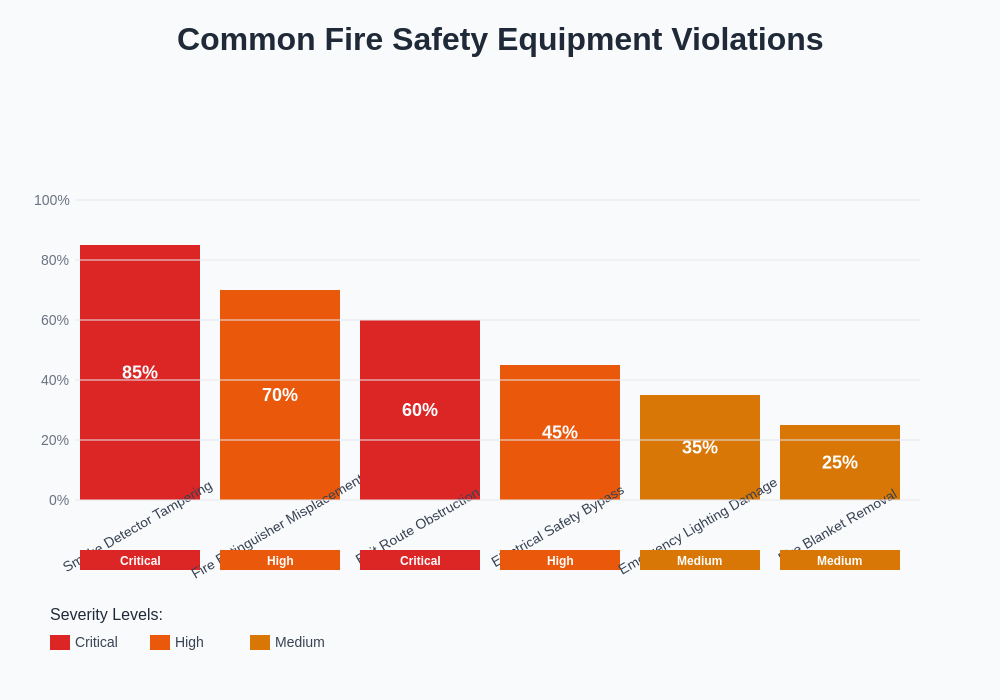
The most dangerous category of fire safety violations involves deliberate tampering with detection systems, where residents disable smoke alarms or heat sensors to avoid false alarms triggered by cooking, smoking, or other activities that produce smoke or heat signatures. This seemingly minor convenience creates blind spots in building-wide monitoring systems that can delay emergency response by crucial minutes during actual fire situations.
Fire extinguisher misuse takes various forms, from using extinguishers as makeshift tools or doorstops to removing them from designated locations for personal storage or convenience purposes. How kitchen cleaning schedules break down often correlates with increased fire extinguisher displacement, as residents move safety equipment to access storage areas or create more workspace in cramped kitchen environments.
Emergency exit route obstruction represents another critical safety violation, where residents use fire escape routes for storage, laundry drying, or personal belongings placement that can prevent rapid evacuation during emergencies. How limited storage forces you to live minimally explains storage pressure that leads residents to compromise safety areas, though this practice creates potentially fatal bottlenecks during emergency evacuations.
Electrical fire safety equipment faces particular abuse in technology-heavy sharehouse environments, where residents modify or bypass electrical safety systems to accommodate multiple devices, charging stations, or unofficial appliances that exceed building electrical capacity and safety parameters.
Cultural Misunderstandings and Communication Failures
International residents often bring fire safety assumptions from their home countries that conflict with Japanese building standards and emergency procedures, creating dangerous gaps in understanding about proper equipment operation and maintenance responsibilities. How cultural communication styles create misunderstandings extends to safety protocols, where indirect Japanese communication about violations may not effectively convey the seriousness of safety concerns to international residents.
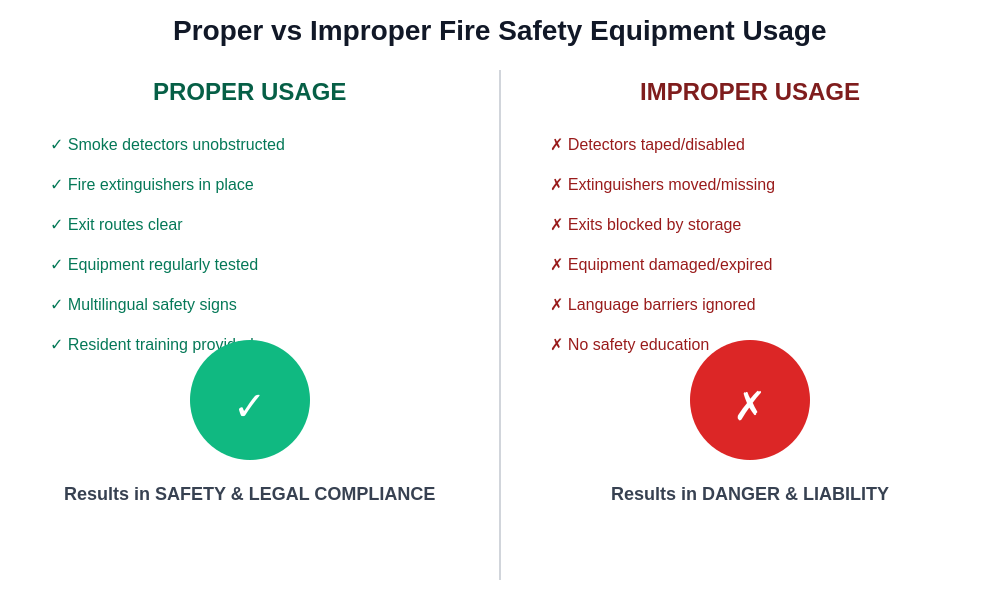
Language barriers prevent many residents from understanding safety equipment instructions, warning labels, or emergency procedures that are typically provided only in Japanese, leading to improper use or complete avoidance of unfamiliar safety systems. The complexity of Japanese fire safety regulations and building-specific procedures requires clear multilingual communication that many sharehouse operators fail to provide adequately.
Training gaps become apparent during emergency situations when residents discover they cannot operate safety equipment properly or follow evacuation procedures effectively due to inadequate orientation or ongoing safety education programs. Japanese sharehouse rules every foreigner should know typically cover basic living guidelines but often omit detailed fire safety protocols and equipment operation instructions that could save lives during emergencies.
The Psychology of Safety Equipment Neglect
Psychological factors contribute significantly to fire safety equipment misuse, with residents developing familiarity-based complacency that leads to casual treatment of life-saving devices as mere inconveniences or obstacles to daily living convenience. The visible presence of safety equipment creates false security assumptions that lead residents to believe they are protected without understanding proper operation procedures or maintenance requirements.
Social pressure within sharehouse communities can normalize safety violations when residents observe others misusing equipment without consequences, creating dangerous precedents that spread throughout buildings as acceptable behavior patterns. How social hierarchies develop naturally in sharehouses can either reinforce safety consciousness or enable widespread safety violations depending on leadership attitudes and community culture.
Risk perception failures occur when residents underestimate fire dangers in modern buildings, assuming that contemporary construction materials and building designs eliminate serious fire risks that justify safety equipment vigilance and proper maintenance attention.
Property Management Challenges and Enforcement Issues
Property managers face significant challenges in monitoring and preventing fire safety equipment misuse across multiple properties with diverse resident populations who may not share common languages, safety cultures, or legal understanding about personal liability and building safety responsibilities. How legal disputes get resolved in sharehouses includes fire safety violations that can result in criminal charges, insurance policy violations, and civil liability issues affecting both residents and property owners.
Inspection and maintenance protocols require regular access to resident rooms and common areas, creating privacy and scheduling conflicts that can delay essential safety equipment testing and repair activities. The cost of maintaining sophisticated fire safety systems often exceeds property management budgets, leading to deferred maintenance that increases equipment failure risks and resident safety exposure.
Enforcement mechanisms for safety violations typically rely on lease termination threats or financial penalties that may not effectively motivate behavior changes, particularly among short-term residents or those with limited financial investment in long-term housing stability. How contract terms are more important than advertised prices should include specific fire safety compliance requirements and violation consequences that protect both residents and property owners.
Emergency Response Complications from Equipment Misuse
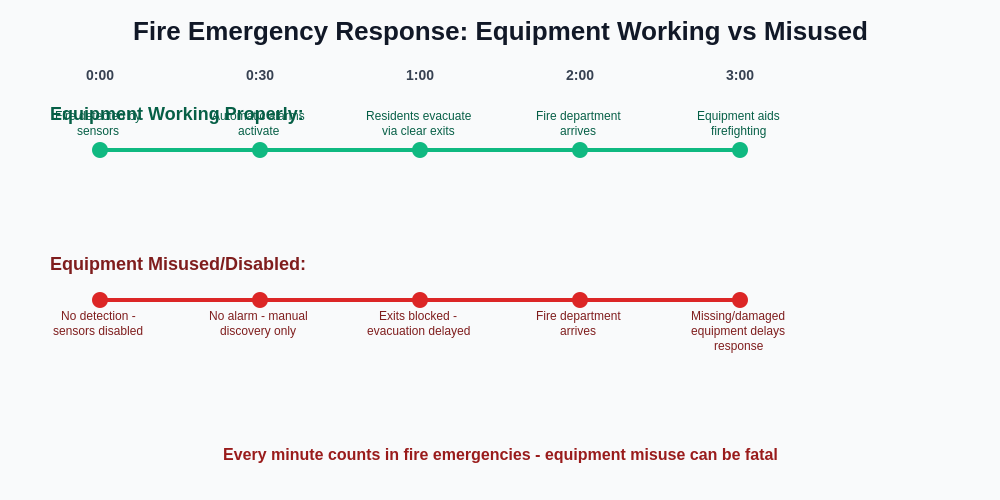
Misused or disabled fire safety equipment creates cascading problems during actual emergency situations, where fire department response teams cannot rely on building safety systems to function as designed, potentially delaying rescue operations and increasing casualty risks for all building occupants. Emergency responders must adapt their procedures when encountering compromised safety systems, often requiring additional time and resources that could prove critical during life-threatening situations.
Communication failures during emergencies become magnified when residents cannot operate safety equipment properly or follow evacuation procedures due to language barriers or inadequate training, creating confusion and panic that can obstruct professional emergency response efforts.
Insurance complications arise when fire safety equipment misuse contributes to property damage or personal injury claims, potentially voiding coverage or creating liability disputes between residents, property owners, and insurance companies that can result in significant financial consequences for all parties involved.
Building Code Violations and Legal Consequences
Japanese fire safety regulations require strict compliance with equipment installation, maintenance, and operation standards that carry legal penalties for both property owners and residents who violate established safety protocols. Understanding utility bills in Japanese sharehouses may include safety compliance fees that cover regular inspections and certifications required by law, though many residents remain unaware of their personal legal obligations regarding fire safety equipment proper use.
Building code enforcement can result in occupancy restrictions, mandatory evacuations, or complete building closures when safety violations create unacceptable risk levels that threaten resident safety and exceed acceptable legal liability thresholds. Criminal charges may apply in cases where deliberate safety equipment tampering or disabling contributes to injury or property damage during fire emergencies.
Civil liability extends to residents whose safety violations harm others, potentially creating personal financial responsibility for damages, medical expenses, and legal costs that can exceed insurance coverage limits and personal financial capacity.
The Economics of Fire Safety Equipment Replacement and Repair
Frequent misuse of fire safety equipment creates ongoing replacement and repair costs that ultimately affect rental pricing and building maintenance quality, as property managers must balance safety compliance requirements with operational profitability constraints. How much Tokyo sharehouses really cost per month includes hidden costs related to safety equipment maintenance and replacement that residents rarely consider when evaluating housing options.
Specialized fire safety equipment requires certified technicians and approved replacement parts that can result in significant expenses when residents damage or disable safety systems through misuse or negligence. The cost of emergency repairs during safety inspections or after equipment failures often exceeds routine maintenance expenses by substantial margins.
Insurance premium increases may result from documented safety equipment misuse patterns, as insurance companies adjust coverage costs based on building risk profiles and historical claim patterns related to fire safety compliance issues.
Prevention Strategies and Education Programs
Effective fire safety education requires multilingual materials, hands-on training sessions, and ongoing reinforcement that helps international residents understand both the technical operation of safety equipment and the cultural importance of fire safety compliance in Japanese society. Making friends through Tokyo sharehouse communities can include safety-focused activities that build community awareness and peer accountability for proper safety equipment use.
Regular safety drills and equipment demonstrations help residents develop familiarity with safety systems while identifying knowledge gaps or cultural misunderstandings that require additional attention and education support. Property management investment in comprehensive safety orientation programs typically reduces equipment misuse incidents and creates stronger safety cultures within sharehouse communities.
Peer mentoring systems can connect experienced residents with newcomers to provide practical fire safety guidance that bridges cultural and language barriers while creating accountability relationships that encourage proper safety equipment respect and use.
Technology Solutions and Modern Safety Systems
Advanced fire safety systems incorporate tamper-resistant designs, remote monitoring capabilities, and automated alert systems that can detect and report equipment misuse in real-time, enabling faster response to safety violations and more effective prevention strategies. Smart home features change daily routines in modern sharehouses include integrated safety monitoring that can improve equipment protection and resident accountability.
Mobile applications and digital safety platforms can provide multilingual safety information, equipment operation instructions, and emergency procedure guidance that helps international residents understand their safety responsibilities and proper equipment use requirements.
Internet-connected safety equipment enables remote monitoring and diagnostic capabilities that can identify maintenance needs, detect tampering attempts, and provide usage data that helps property managers improve safety education and equipment protection strategies.
The responsibility for fire safety equipment protection extends far beyond individual convenience or personal risk tolerance, encompassing community safety, legal compliance, and moral obligations that affect every person living within shared housing environments. Proper understanding and respect for fire safety systems represents a fundamental aspect of responsible sharehouse living that requires ongoing attention, education, and community commitment to maintaining the protective systems designed to preserve life and property during emergency situations.
Residents who recognize the critical importance of fire safety equipment proper use contribute to building communities where safety consciousness becomes a shared value that protects everyone while demonstrating the cultural sensitivity and personal responsibility that characterizes successful international living experiences in Tokyo’s dynamic sharehouse environment.
Disclaimer
This article is for informational purposes only and does not constitute professional safety or legal advice. Fire safety requirements and regulations may vary by location and building type. Readers should consult with local fire safety professionals and property management for specific guidance regarding their housing situation. Always follow official safety protocols and contact emergency services immediately in case of fire or safety emergencies.