Living with food allergies in a sharehouse kitchen environment presents unique challenges that extend far beyond personal dietary management, creating complex safety considerations that affect every resident’s daily cooking routines and social interactions. The shared nature of kitchen facilities, combined with diverse cultural backgrounds and varying levels of allergy awareness among international residents, transforms what should be a collaborative cooking experience into a potentially dangerous minefield requiring careful navigation and comprehensive safety protocols.
The prevalence of food allergies among international residents varies significantly by nationality and cultural background, with some communities having higher rates of specific allergies while others may have limited awareness of certain allergens that are commonly recognized in different parts of the world. This cultural disparity in allergy knowledge and management practices creates additional layers of complexity that require proactive communication and education among housemates to prevent potentially life-threatening situations.
Understanding the Scope of Allergy Challenges in Shared Spaces
Food allergies in sharehouse environments encompass not only the obvious concerns about ingredient selection and meal preparation but also extend to subtle issues involving cross-contamination through shared cooking utensils, storage containers, and preparation surfaces that can retain allergenic proteins even after standard cleaning procedures. Kitchen politics actually work in Japanese sharehouses often becomes even more complex when allergy management requirements are introduced into the social dynamics of shared cooking spaces.
The most common allergens that create complications in shared kitchens include tree nuts, peanuts, shellfish, dairy products, eggs, soy, wheat, and various seeds, each requiring different levels of precaution and specific handling procedures to prevent cross-contamination. The challenge intensifies when multiple residents have different allergies, creating a web of restrictions and safety requirements that can severely limit cooking flexibility and meal preparation options for the entire household.
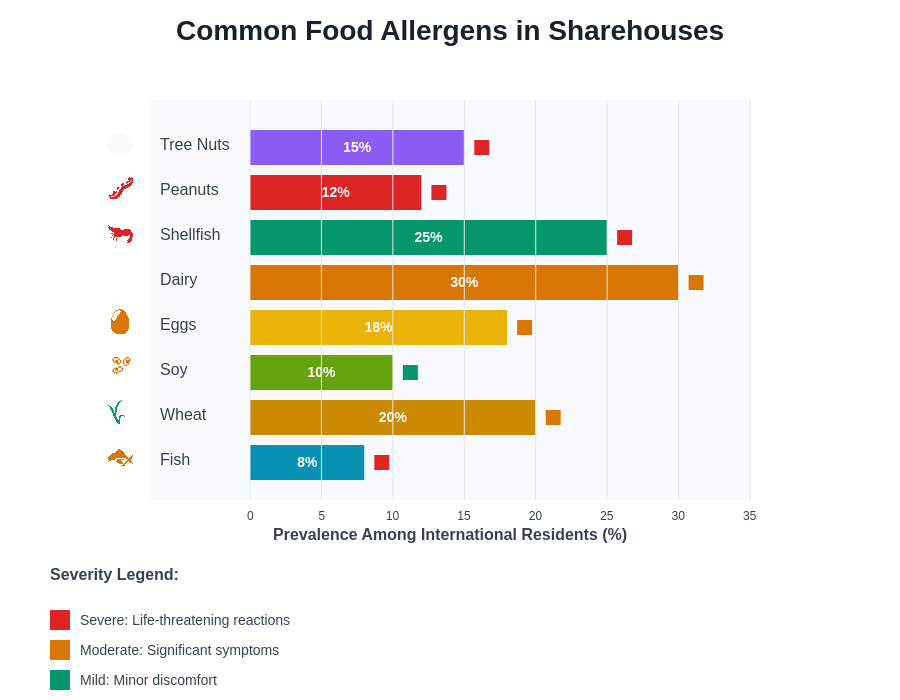
International residents often discover that allergen labeling standards, ingredient disclosure requirements, and food safety regulations vary dramatically between their home countries and Japan, making it difficult to identify safe products and understand potential risks when shopping for groceries or preparing meals in shared kitchen environments. Dietary restrictions complicate meal planning becomes a daily reality that requires constant vigilance and careful coordination among all residents.
Cross-Contamination Risks and Prevention Strategies
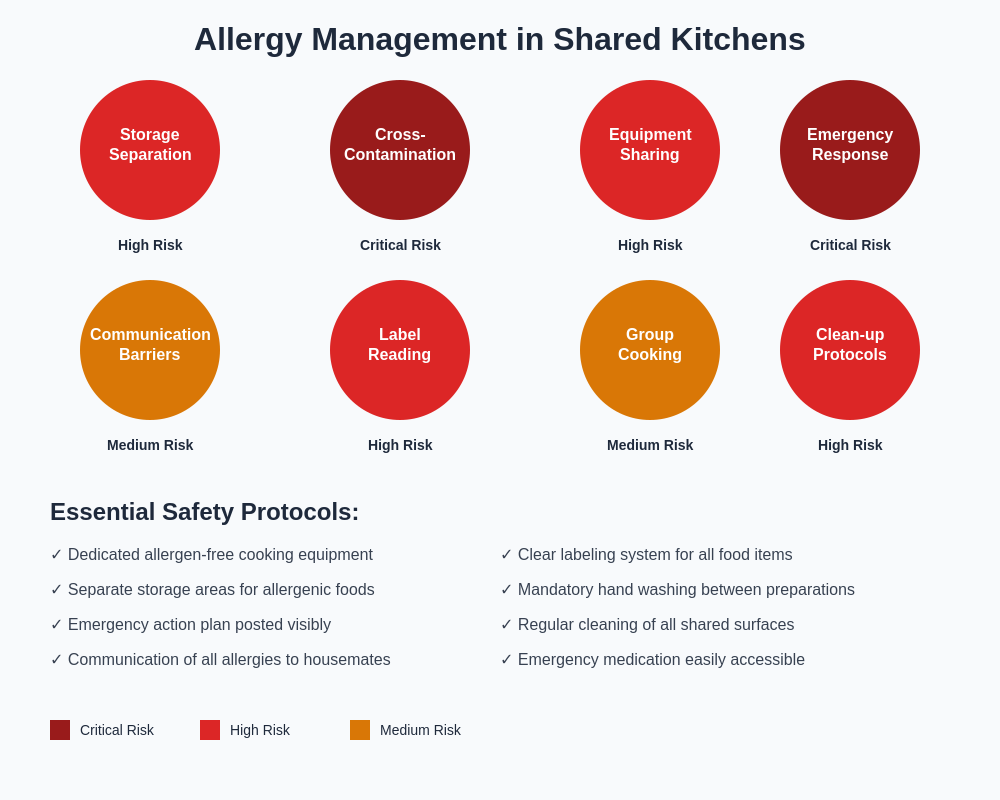
Cross-contamination represents the most significant threat in shared kitchen environments, where allergenic proteins can persist on cooking surfaces, utensils, and appliances long after the original allergenic food has been removed from the area. Standard household cleaning practices often prove insufficient for removing all traces of allergens, particularly from porous surfaces, wooden cutting boards, and appliances with complex internal mechanisms that are difficult to thoroughly clean.
The sharing of cooking oil presents particularly complex challenges, as oils can retain allergenic proteins from previous cooking sessions and transfer them to subsequent meals prepared by different residents. Even trace amounts of allergenic proteins dissolved in cooking oil can trigger severe reactions in highly sensitive individuals, making the communal use of cooking oil potentially dangerous without strict protocols and dedicated allergy-safe alternatives.
Refrigerator and pantry storage systems in sharehouses frequently lack the organization and separation necessary to prevent cross-contamination between allergenic and non-allergenic food items. Food storage rules impact your eating habits becomes critical when managing allergies, as improper storage can lead to contamination through dripping, spillage, or simple proximity between allergenic and safe food items.
The challenge of maintaining separate preparation areas for allergenic and non-allergenic foods in limited kitchen spaces requires creative solutions and careful coordination among residents. Designated cutting boards, knives, and preparation surfaces for allergy-safe cooking must be clearly marked, properly stored, and consistently used according to established protocols to maintain their contamination-free status.
Communication Barriers and Cultural Differences
Language barriers significantly complicate allergy management in international sharehouse environments, where residents may struggle to communicate the severity of their allergies, understand ingredient lists in Japanese, or explain cross-contamination prevention requirements to housemates who speak different languages. Language barriers complicate legal documents extends to medical and safety communications that can have life-or-death implications in allergy management situations.
Cultural differences in food preparation methods, ingredient usage, and allergy awareness create additional challenges for establishing consistent safety protocols that all residents understand and follow. Some cultures may have limited experience with certain types of food allergies or may not fully appreciate the severity of allergic reactions, leading to casual attitudes toward cross-contamination prevention that can endanger allergic residents.
The social pressure to participate in group cooking activities, shared meals, and cultural food exchanges can create uncomfortable situations for residents with severe allergies who must repeatedly decline invitations or request special accommodations that may be perceived as antisocial or overly demanding by housemates from different cultural backgrounds.
Emergency response protocols for allergic reactions require clear communication channels and shared understanding among all residents, but language barriers and cultural differences in medical emergency procedures can delay critical response times and potentially worsen the severity of allergic reactions. Emergency medical situations are handled differently across cultures, and establishing universally understood protocols becomes essential for resident safety.
Shopping and Ingredient Management Challenges
Grocery shopping for residents with food allergies requires extensive label reading and ingredient verification, but Japanese food labeling practices may differ from international standards, making it difficult to identify potential allergens or understand processing warnings that indicate possible cross-contamination during manufacturing. The complexity increases when shopping for ingredients that will be used in shared cooking spaces where multiple people’s safety must be considered.
Group shopping arrangements and bulk purchasing systems commonly used in sharehouses to reduce individual costs become problematic when allergy considerations require specific brands, specialized products, or certified allergen-free alternatives that may be significantly more expensive than standard options. Group buying power reduces individual costs becomes complicated when accommodation needs drive up prices for specialty items required for safe cooking.
The limited availability and higher cost of allergen-free products in Japan can strain individual budgets and create tension within group purchasing arrangements when residents must choose between cost savings and safety requirements. Specialized stores, international import shops, and online retailers may be necessary for obtaining safe ingredients, but these sources often come with premium pricing that affects monthly food budgets.
Ingredient substitution and recipe modification become necessary skills for residents with allergies, but these changes can affect the taste, texture, and cultural authenticity of shared meals, potentially disappointing housemates who were expecting traditional preparations or familiar flavors from their home countries.
Kitchen Equipment and Space Allocation
The allocation of dedicated, allergy-safe cooking equipment within shared kitchen spaces requires careful planning and clear agreements among all residents to prevent inadvertent contamination of supposedly safe utensils and appliances. Kitchen equipment quality varies drastically and the availability of duplicate equipment for allergy-safe cooking may be limited by space constraints and budget considerations.
Dishwashing protocols in shared kitchens must be modified to ensure proper cleaning of equipment used for allergenic foods, including extended washing times, specialized detergents, and careful attention to removing all food residues that could contaminate subsequent users’ safe cooking equipment. The casual dishwashing habits of some residents may not meet the stringent requirements necessary for allergy safety.
Storage solutions for allergy-safe cooking equipment require dedicated space that is clearly marked and consistently respected by all residents. The limited cabinet and storage space in most sharehouse kitchens makes it challenging to maintain separate areas for allergenic and non-allergenic cooking tools without creating inconvenience for other residents.
Appliance sharing becomes complex when allergens can contaminate internal surfaces that are difficult to clean, such as toaster interiors, blender blades, or rice cooker mechanisms. Some appliances may require complete dedication to allergy-safe use, effectively removing them from general house use and potentially creating resentment among other residents who lose access to convenient cooking tools.
Social Dynamics and Meal Planning
The social aspects of shared cooking and communal dining become strained when allergy considerations limit menu options, require extensive ingredient modifications, or necessitate separate meal preparation that excludes allergic residents from group cooking activities. Meal timing affects kitchen access becomes more critical when residents with allergies need dedicated cooking times to avoid cross-contamination from other people’s meal preparation.
Group meal planning sessions must accommodate allergy restrictions while trying to maintain variety and cultural diversity in shared meals, often resulting in simplified menus that may disappoint residents hoping for adventurous international cooking experiences. The additional planning time and complexity required for allergy-safe group meals can discourage participation in communal cooking activities.
Restaurant ordering and food delivery arrangements for group meals become complicated when allergy considerations require verification of ingredients, preparation methods, and cross-contamination prevention measures that many restaurants may not understand or accommodate effectively. Food delivery apps change sharehouse dynamics when individual ordering becomes necessary for safety reasons.
Cultural food sharing traditions and holiday celebrations may need significant modifications to accommodate allergy restrictions, potentially diminishing the authentic cultural exchange experiences that many international residents value as important aspects of sharehouse living.
Emergency Preparedness and Medical Response
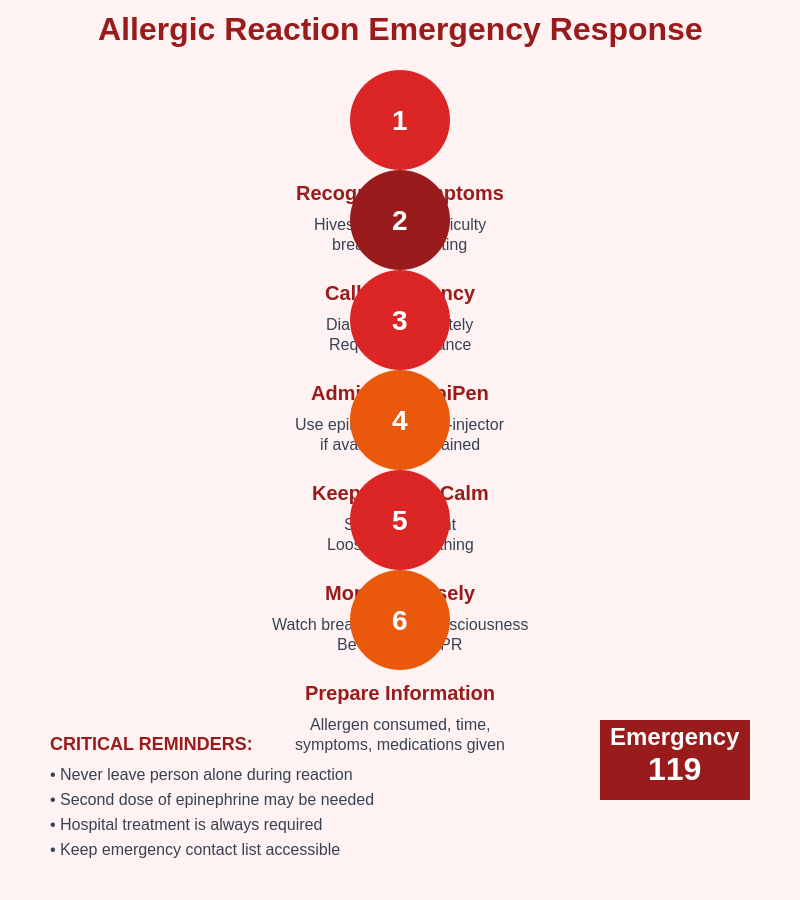
Emergency action plans for severe allergic reactions require all residents to understand recognition symptoms, response procedures, and emergency contact protocols, but the international nature of sharehouse communities can complicate training and preparedness efforts when residents have varying levels of medical knowledge and emergency response experience.
Epinephrine auto-injector storage and access protocols must be established and maintained throughout the sharehouse, with all residents knowing locations, expiration dates, and proper usage procedures that could save lives during severe allergic reactions. Emergency contact systems work in practice becomes critical when seconds can make the difference between successful treatment and life-threatening complications.
Medical insurance coverage for allergy-related emergencies varies significantly among international residents with different visa statuses and insurance providers, potentially creating financial barriers to seeking immediate medical attention during allergic reactions. Understanding insurance procedures and coverage limitations before emergencies occur becomes essential for proper response planning.
Hospital and medical facility information must be readily available and accessible to all residents, including specific instructions for communicating allergy information to Japanese medical professionals who may not speak English fluently or understand international allergy management protocols.
Legal and Liability Considerations
Liability issues surrounding allergic reactions in shared living environments create complex legal questions about responsibility, duty of care, and potential financial consequences for residents whose actions or negligence contribute to allergic emergencies. Legal disputes get resolved in sharehouses may involve serious medical and financial implications when allergy management protocols are not properly followed.
House rules and resident agreements must clearly define responsibilities, expectations, and consequences related to allergy safety protocols, but enforcement mechanisms may be limited and cultural differences in legal understanding can complicate compliance and dispute resolution efforts.
Insurance implications for both individual residents and sharehouse operators may include liability coverage for allergy-related incidents, medical emergency costs, and potential legal proceedings that could arise from inadequate safety protocols or negligent behavior in shared cooking environments.
Documentation requirements for allergy management protocols, emergency procedures, and incident reporting may be necessary for legal protection and insurance purposes, but maintaining comprehensive records while respecting privacy concerns requires careful balance and clear agreements among all parties.
Long-term Solutions and Adaptations
Successful long-term management of food allergies in sharehouse environments requires ongoing education, protocol refinement, and adaptive strategies that evolve with changing resident populations and increased understanding of effective allergy management practices. Problem-solving skills improve through daily challenges becomes particularly relevant when developing sustainable systems for allergy safety.
Technology solutions including smartphone apps for ingredient checking, emergency alert systems, and digital labeling for shared equipment can enhance safety protocols and improve communication among residents with varying language abilities and technical skills.
Community building around allergy awareness and safety creates opportunities for education, mutual support, and development of house cultures that prioritize health and safety while maintaining the social benefits of shared living arrangements.
Regular protocol review and update procedures ensure that allergy management systems remain effective as residents change, new information becomes available, and improved safety practices are developed through experience and research in shared living environments.
The successful navigation of food allergy challenges in sharehouse kitchens requires commitment, communication, and cooperation from all residents, transforming potential safety hazards into opportunities for building stronger communities based on mutual care, respect, and shared responsibility for everyone’s health and wellbeing. While the complexities are significant, the development of effective allergy management systems creates safer, more inclusive living environments that benefit all residents regardless of their individual dietary needs or restrictions.
Disclaimer
This article is for informational purposes only and does not constitute medical advice. Individuals with food allergies should consult with healthcare professionals for personalized medical guidance and emergency action plans. The severity and management requirements of food allergies vary significantly among individuals, and readers should not rely solely on general information when making decisions about allergy safety and management in shared living environments.