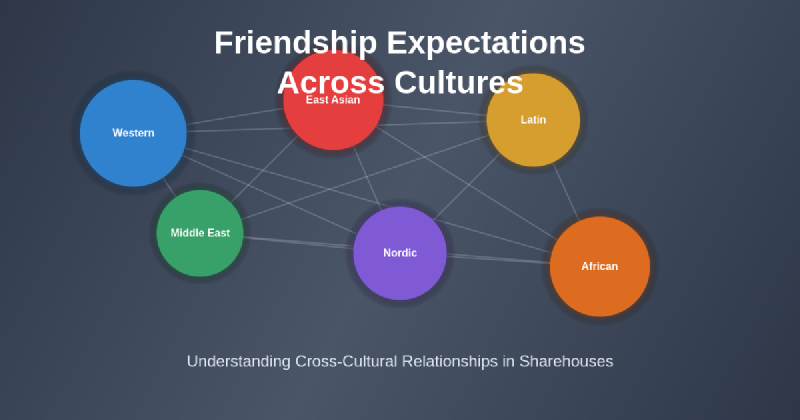
The intricate landscape of friendship formation in Tokyo sharehouses reveals fascinating cultural divergences that can either foster deep international bonds or create unexpected tensions between residents from different backgrounds. Understanding these varied expectations becomes essential for anyone seeking to build meaningful relationships while living in Japan’s diverse shared housing communities, where every interaction carries the weight of cultural conditioning and personal history shaped by vastly different social frameworks.
The complexity of cross-cultural friendship development in shared living environments extends far beyond language barriers, encompassing fundamental differences in communication styles, emotional expression, social obligations, and the very definition of what constitutes a meaningful relationship. These cultural variations can profoundly impact daily interactions, conflict resolution, and long-term community harmony within sharehouse settings where residents must navigate both individual preferences and collective cultural norms.
The Spectrum of Friendship Intensity Across Cultures
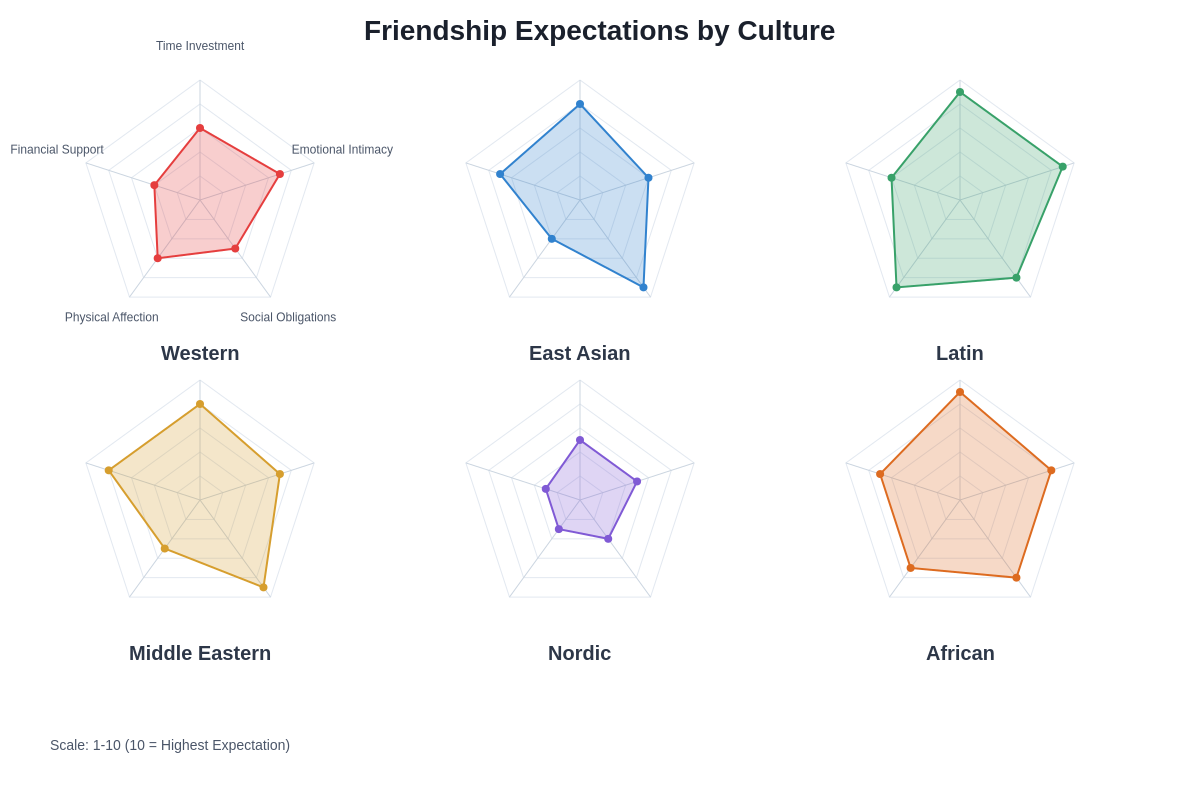
Cultural backgrounds significantly influence how individuals perceive friendship depth, time investment, and emotional intimacy, creating a spectrum of relationship expectations that can range from casual acquaintanceship to intense emotional bonding. Western cultures, particularly those from North America and Northern Europe, often emphasize individual autonomy within friendships, allowing for periodic distance and respecting personal boundaries while maintaining long-term connections through shared experiences and mutual support during significant life events.
Making friends through Tokyo sharehouse communities demonstrates how different cultural approaches to relationship building can either complement or clash within the confined space of shared living arrangements. East Asian cultures frequently prioritize group harmony and collective responsibility, where friendships involve deeper obligations for mutual assistance, regular contact, and consideration of how individual actions affect the broader social network.
Latin American cultures typically embrace more emotionally expressive friendships characterized by frequent physical contact, dramatic emotional support, and expectations for regular social gatherings that include extended social circles. These differences become particularly pronounced in sharehouse environments where residents must balance their cultural comfort zones with the practical necessities of daily cohabitation and the diverse expectations of their international housemates.
Middle Eastern and South Asian cultures often incorporate family-like obligations into friendship structures, where friends are expected to provide substantial practical support, financial assistance when needed, and involvement in major life decisions. African cultures frequently emphasize community integration, where individual friendships extend naturally into broader social networks that include multiple generations and extended family connections, creating complex webs of mutual obligation and support.
Communication Styles and Friendship Building
The foundation of any friendship lies in effective communication, yet cultural backgrounds create dramatically different approaches to expressing interest, maintaining relationships, and navigating conflicts that arise between friends. High-context cultures, including Japan, Korea, and many Arab nations, rely heavily on nonverbal cues, subtle implications, and reading between the lines to understand friendship dynamics, while low-context cultures such as Germany, Netherlands, and Scandinavian countries favor direct, explicit communication about relationship expectations and boundaries.
These communication differences become magnified in sharehouse environments where misinterpretation of friendly gestures, social invitations, or expressions of concern can lead to confusion about relationship status and mutual expectations. Living with Japanese roommates in Tokyo sharehouses illustrates how Japanese communication patterns of subtle suggestion and face-saving indirectness can perplex international residents accustomed to more straightforward relationship discussions.
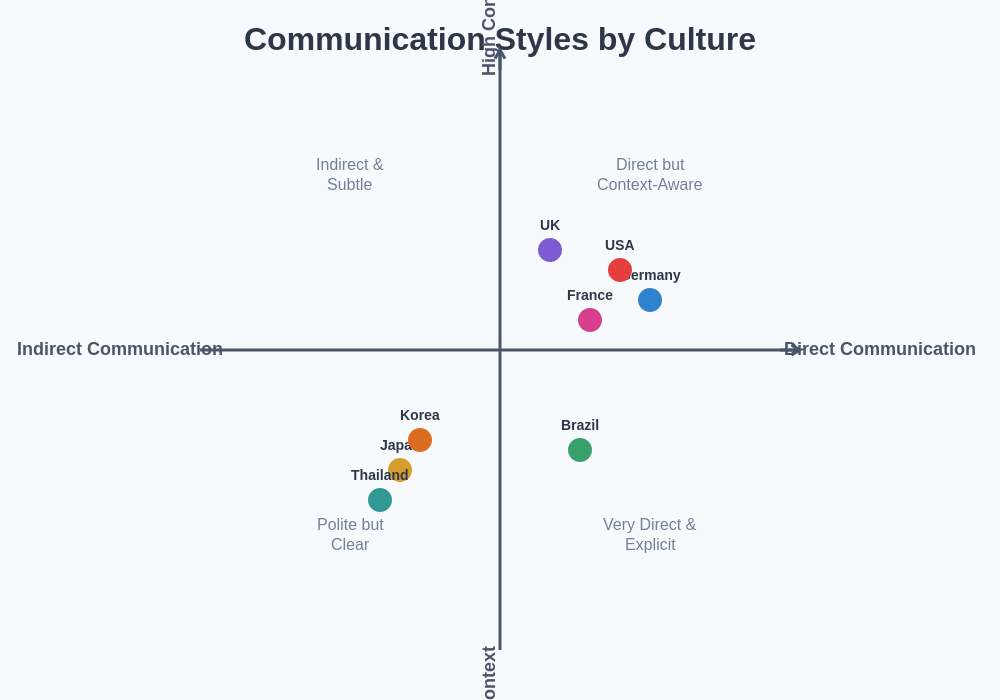
American and Australian friendship communication often involves casual joking, light teasing, and informal language that may be misinterpreted as disrespectful or inappropriate by residents from cultures that maintain more formal relationship hierarchies. Conversely, residents from cultures emphasizing respect and formality may appear distant or unfriendly to those expecting immediate casual interaction and informal relationship development.
British communication styles often employ understatement, irony, and indirect criticism that can confuse residents from cultures where constructive feedback is delivered more directly, while French communication patterns may seem overly critical or intellectually aggressive to residents from cultures prioritizing harmony and face-saving in social interactions.
Time Investment and Relationship Development
Cultural variations in time allocation for friendship development create significant disparities in how residents approach relationship building within the structured environment of sharehouse living. Mediterranean cultures, including Italian, Spanish, and Greek traditions, often expect substantial daily time investment in friendship maintenance through extended conversations, shared meals, and regular social activities that strengthen interpersonal bonds through consistent interaction and mutual availability.
Nordic cultures typically approach friendship development more gradually, allowing relationships to evolve naturally over extended periods without pressure for immediate intimacy or frequent contact, which can be misinterpreted as disinterest by residents from cultures expecting more immediate emotional connection and regular social interaction. How cultural differences affect friendship building explores how these temporal expectations can create misunderstandings about relationship commitment and mutual interest.
East Asian cultures often incorporate seasonal friendship patterns, where relationship intensity fluctuates based on work schedules, academic pressures, and cultural obligations that take precedence over social relationships during specific periods throughout the year. This cyclical approach to friendship maintenance can confuse residents from cultures expecting more consistent relationship investment regardless of external circumstances.
Latin American friendship patterns frequently involve spontaneous social gatherings, impromptu visits, and expectations for immediate availability during emotional crises, which can overwhelm residents from cultures that prefer planned social interactions and respect for personal space and scheduled commitments. These differences become particularly challenging in sharehouse environments where residents must balance cultural friendship expectations with academic or professional obligations and the practical limitations of shared living spaces.
Emotional Expression and Support Systems
The cultural spectrum of emotional expression in friendships ranges from highly demonstrative cultures that encourage open sharing of personal struggles, family issues, and emotional vulnerabilities to reserved cultures that consider such disclosure inappropriate or burdensome for casual friendships. Understanding these differences becomes crucial for sharehouse residents attempting to provide appropriate support while respecting cultural boundaries around emotional intimacy and personal privacy.
Mediterranean and Latin cultures often expect friends to serve as primary emotional support systems, involving detailed discussions of personal problems, family conflicts, and romantic relationships, while also providing practical advice and emotional validation during difficult periods. How cultural sensitivity develops through daily interaction demonstrates how residents learn to navigate these different comfort levels with emotional sharing and support provision.
Germanic and Scandinavian cultures typically maintain clearer boundaries between friendship support and professional counseling, preferring practical assistance and problem-solving approaches rather than extensive emotional processing or dramatic expressions of sympathy and concern. These residents may struggle to provide the emotional intensity that friends from other cultures expect while feeling overwhelmed by emotional demands that exceed their cultural comfort zones.
Asian cultures often emphasize face-saving and emotional restraint in friendship contexts, where expressing personal struggles or asking for help may be considered shameful or burdensome, leading to indirect communication about emotional needs that can be missed by friends from more direct cultures. This cultural pattern can result in unaddressed emotional issues and misinterpretation of support needs within the sharehouse community.
Social Obligations and Reciprocity Expectations
Cultural frameworks create vastly different expectations regarding social obligations, reciprocity, and mutual assistance within friendship structures, directly impacting how sharehouse residents navigate shared responsibilities, financial interactions, and personal favors. Collectivist cultures often emphasize substantial mutual obligations where friends are expected to provide significant practical support, financial assistance when possible, and involvement in major life decisions and family events.
How cultural differences impact holiday celebrations reveals how friendship obligations extend to participation in cultural celebrations, gift-giving practices, and family-style events that may overwhelm residents from cultures with more individualistic friendship approaches. These expectations can create tension when residents have different financial capabilities, time availability, or comfort levels with intensive social obligations.
Western individualistic cultures typically emphasize balanced reciprocity where friends maintain relatively equal give-and-take relationships without creating long-term obligations or expectations for substantial personal sacrifice, which can appear selfish or uncaring to friends from cultures where substantial mutual support represents the foundation of meaningful relationships.
South Asian and Middle Eastern friendship cultures often incorporate extended family-style obligations where friends become integrated into family networks and are expected to participate in major life events, provide substantial practical support during crises, and maintain lifelong commitments regardless of geographical distance or changing life circumstances.
Conflict Resolution and Friendship Maintenance
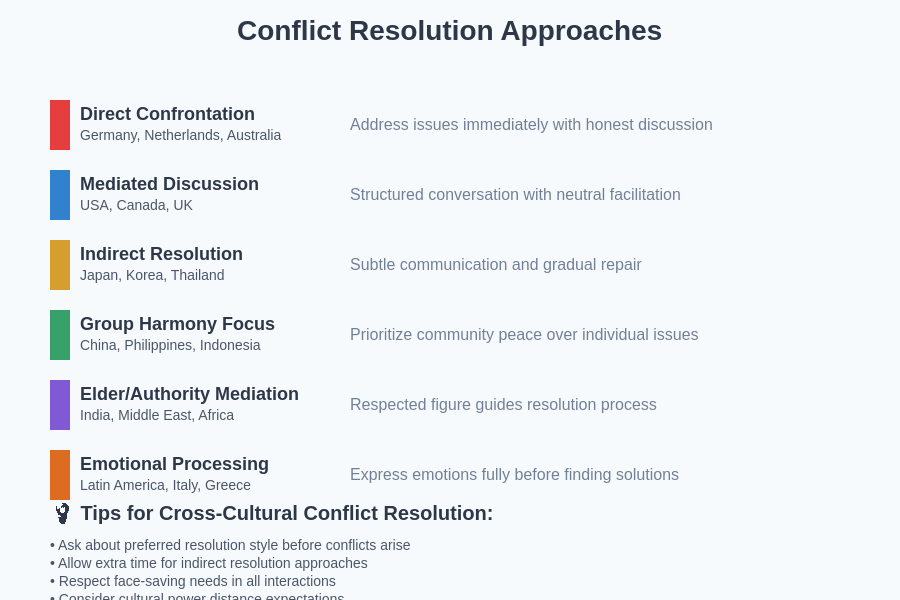
Cultural approaches to conflict resolution within friendships vary dramatically, affecting how sharehouse residents address disagreements, repair damaged relationships, and maintain long-term harmony within their living community. Direct confrontation cultures encourage immediate address of friendship conflicts through honest communication, explicit discussion of problems, and negotiated solutions that may involve temporary tension but ultimately strengthen relationships through resolution.
Indirect conflict resolution cultures prefer subtle communication, third-party mediation, and gradual relationship repair through increased positive interactions rather than explicit discussion of problems or direct confrontation of issues. How conflict resolution styles differ by culture explores how these different approaches can either facilitate or complicate friendship repair in multicultural sharehouse environments.
Some cultures emphasize forgiveness and relationship restoration as essential friendship values, where conflicts are expected to be resolved through increased intimacy and mutual understanding, while other cultures view certain friendship violations as relationship-ending events that cannot be overcome through communication or time.
Face-saving cultures require conflict resolution approaches that allow all parties to maintain dignity and social standing, often involving private apologies, gradual relationship rebuilding, and avoiding public acknowledgment of conflicts or mistakes that could cause social embarrassment or loss of respect within the broader community.
Gender Dynamics in Cross-Cultural Friendships
Gender considerations add additional complexity to cross-cultural friendship development in sharehouse environments, where residents must navigate varying cultural norms regarding opposite-sex friendships, same-sex relationship intensity, and gender-specific social expectations. Conservative cultures may limit opposite-sex friendship development through social restrictions, family expectations, or personal comfort levels that can be misinterpreted as discrimination or lack of interest by residents from more liberal cultural backgrounds.
How gender policies are legally enforced demonstrates how cultural gender norms intersect with legal frameworks and housing policies to create complex social dynamics within mixed-gender sharehouse communities. Same-sex friendship patterns also vary culturally, with some cultures encouraging intense same-sex bonds that may appear exclusive or inappropriate to residents from cultures emphasizing mixed-gender social groups.
Physical affection norms between friends vary dramatically across cultures, from cultures that embrace frequent touching, hugging, and physical closeness as normal friendship expression to cultures that maintain strict physical boundaries between friends regardless of gender or relationship closeness. These differences can create misunderstandings about friendship intentions, romantic interest, or social appropriateness within the sharehouse community.
Cultural expectations for gender-specific friendship roles, such as women providing emotional support and men offering practical assistance, can create tensions when residents from egalitarian cultures interact with those maintaining traditional gender-based friendship patterns that may seem outdated or restrictive.
Age and Generational Friendship Expectations
Intergenerational friendship patterns reflect cultural values regarding age hierarchy, wisdom transmission, and social respect that significantly influence how sharehouse residents of different ages interact and form relationships. How age differences impact sharehouse compatibility illustrates how cultural age-consciousness affects friendship formation between residents with significant age gaps.
Cultures emphasizing age-based respect and hierarchical relationships may create barriers to equal friendships between older and younger residents, while cultures that prioritize peer equality regardless of age can facilitate more natural intergenerational friendship development within the sharehouse community.
Generational expectations regarding technology use, communication methods, and social activities can create cultural and age-based divisions that compound friendship development challenges, particularly when younger residents from tech-savvy cultures interact with older residents from cultures that prioritize face-to-face interaction over digital communication.
Traditional cultures often expect younger individuals to show deference and respect to older residents through specific communication patterns, social behaviors, and decision-making processes that may conflict with egalitarian cultural norms that treat all residents as social equals regardless of age differences.
Religious and Spiritual Friendship Frameworks
Religious and spiritual belief systems create additional layers of friendship expectations that can profoundly impact sharehouse relationship dynamics, particularly when residents hold strong faith commitments that influence their social interactions, lifestyle choices, and relationship boundaries. Secular residents may struggle to understand religious friendship obligations, dietary restrictions, or lifestyle limitations that affect social activities and relationship development within the sharehouse community.
How religious considerations affect daily routines explores how spiritual practices and religious observances create both opportunities for deep friendship development and potential barriers for residents from different faith backgrounds or secular worldviews.
Proselytizing tendencies within some religious frameworks can create tension when faithful residents attempt to share their beliefs with housemates who may interpret such sharing as inappropriate pressure or violation of personal boundaries, particularly in diverse communities where multiple faith traditions or secular philosophies coexist.
Interfaith friendship development requires navigation of different moral frameworks, lifestyle restrictions, and social expectations that can either enrich cross-cultural understanding or create irreconcilable differences that prevent deep relationship development within the sharehouse environment.
Economic Factors in Friendship Expectations
Socioeconomic backgrounds create disparate expectations regarding financial sharing, gift-giving, social activities, and economic support within friendship structures that can create significant tension in sharehouse environments where residents have vastly different financial capabilities and cultural approaches to money within relationships. How economic pressures affect social integration demonstrates how financial disparities combine with cultural money attitudes to create complex friendship dynamics.
Cultures that emphasize financial sharing and mutual economic support may pressure residents from individualistic financial cultures to contribute beyond their comfort levels or participate in expensive group activities that strain their budgets while creating social obligation expectations that persist beyond the sharehouse experience.
Gift-giving cultures create friendship expectations for regular present exchange, celebration contributions, and reciprocal generosity that can overwhelm residents from cultures that maintain clear financial boundaries between friends and prefer practical sharing arrangements over symbolic gift exchange.
Economic hierarchy cultures may create friendship limitations based on perceived financial status, career success, or family wealth that prevent equal relationship development between residents from different socioeconomic backgrounds, while egalitarian cultures may be frustrated by perceived classism or financial discrimination.
Digital Communication and Modern Friendship
Contemporary friendship development increasingly involves digital communication platforms, social media interaction, and online relationship maintenance that intersect with cultural attitudes toward privacy, social sharing, and technological boundaries. How social media impacts real-life relationships explores how different cultural approaches to digital friendship can create misunderstandings about relationship status and communication expectations.
Privacy-conscious cultures may be uncomfortable with social media friendship documentation, photo sharing, or public acknowledgment of relationships, while cultures that emphasize social connectivity may interpret limited digital interaction as friendship rejection or lack of genuine interest in relationship development.
Generational and cultural differences regarding appropriate digital communication frequency, platform preferences, and online behavior can create barriers to friendship maintenance when residents have incompatible technological expectations or comfort levels with digital relationship expression.
Cross-platform communication expectations, response time pressures, and digital etiquette norms vary culturally, creating potential misunderstandings when residents interpret delayed responses, platform choices, or communication styles as indicators of friendship priority or personal regard.
The nuanced landscape of cross-cultural friendship expectations in Tokyo sharehouses requires patience, cultural education, and genuine commitment to understanding diverse relationship frameworks that can enrich personal growth while challenging preconceived notions about universal friendship patterns. Success in these environments depends on developing cultural sensitivity, communication flexibility, and appreciation for the diverse ways humans create meaningful connections across cultural boundaries, ultimately creating more robust and internationally aware friendship skills that serve residents throughout their global experiences.
Disclaimer
This article is for informational purposes only and does not constitute professional cultural or psychological advice. Cultural generalizations discussed are broad patterns that may not apply to individual cases, and personal variations within cultures are significant. Readers should approach cross-cultural relationships with openness, respect, and recognition that individual personalities and experiences may differ substantially from cultural norms. Building successful international friendships requires genuine interest, patience, and willingness to learn from direct personal interactions rather than relying solely on cultural assumptions.