The intersection of gaming culture and shared living spaces has created some of the most vibrant and enduring communities within Tokyo’s sharehouse ecosystem. Tech-savvy residents who share passions for digital entertainment, competitive gaming, and emerging technologies naturally gravitate toward living arrangements that support their lifestyle and interests. These gaming-focused communities represent more than simple roommate arrangements; they evolve into sophisticated social networks built around shared digital experiences, collaborative gaming sessions, and mutual support for both virtual achievements and real-world personal growth.
The formation of gaming communities within sharehouses reflects broader cultural shifts in how digital natives approach social interaction, entertainment, and community building. Unlike traditional social clubs or hobby groups that meet periodically, gaming communities in sharehouses operate continuously, creating immersive environments where virtual and physical social interactions blend seamlessly. Understanding how these communities develop, maintain themselves, and contribute to resident satisfaction provides valuable insights for both potential residents seeking tech-focused living arrangements and property managers looking to attract this growing demographic.
The Foundation of Tech-Savvy Sharehouse Culture
Tech-savvy sharehouses distinguish themselves from general accommodation through deliberate infrastructure investments and community policies that support high-bandwidth digital activities and collaborative gaming experiences. Why gaming requires premium internet plans becomes immediately apparent when multiple residents attempt simultaneous online gaming, streaming, and content creation activities that demand consistent low-latency connections and substantial bandwidth allocation.
The physical infrastructure supporting gaming communities extends beyond internet connectivity to include dedicated gaming spaces, proper ventilation systems for heat-generating equipment, and electrical capacity sufficient for multiple high-performance computers, gaming consoles, and peripheral devices. Many tech-focused sharehouses deliberately design common areas to accommodate group gaming sessions, tournaments, and viewing parties that serve as foundation activities for community building.
Resident selection processes in gaming-oriented sharehouses often prioritize applicants who demonstrate genuine interest in digital culture, collaborative gaming, and respectful community participation rather than simply seeking affordable accommodation. This intentional curation creates environments where residents share fundamental values around technology, competition, cooperation, and digital entertainment that facilitate natural community formation and reduce potential conflicts over lifestyle differences.
Natural Community Formation Through Shared Gaming Experiences
Gaming communities within sharehouses typically emerge organically through casual interactions that reveal shared interests, compatible skill levels, and complementary gaming preferences among residents. Initial connections often begin with simple observations about gaming equipment, overheard voice chat conversations, or casual mentions of favorite games during everyday interactions in common areas and kitchen spaces.
The progression from individual gaming activities to collaborative community experiences usually follows predictable patterns that begin with informal invitations to join ongoing gaming sessions, progress through regular group activities, and eventually evolve into structured tournaments, team formations, and shared gaming goals. How video game tournaments bring houses together demonstrates how competitive gaming events serve as catalysts for deeper community bonds and ongoing social connections.
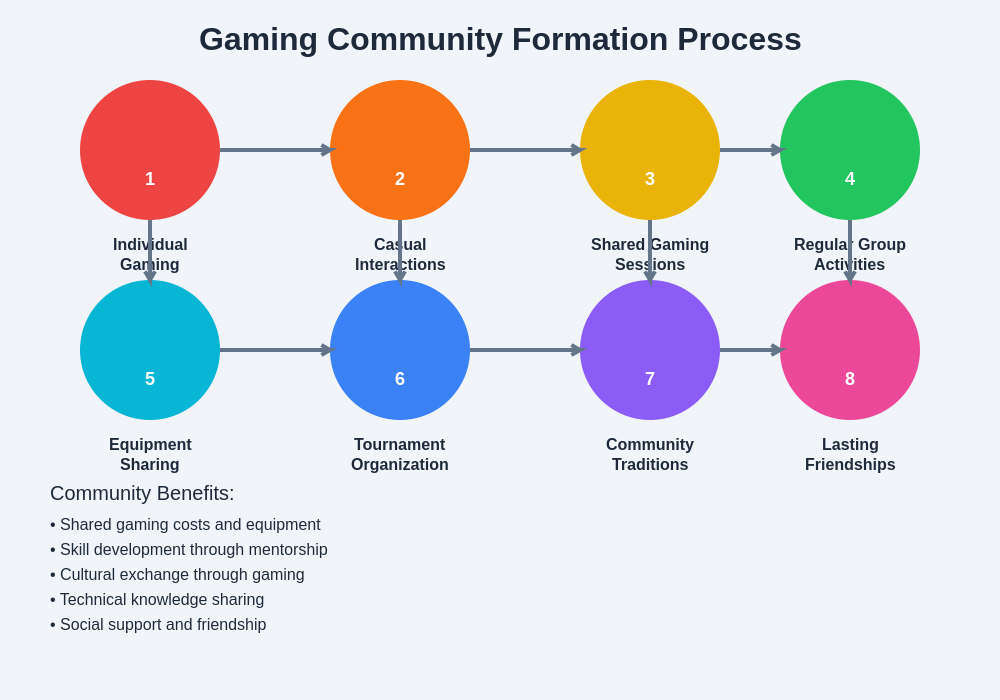
Multiplayer gaming naturally encourages cooperation, communication, and mutual support that translate directly into stronger real-world relationships among housemates. Collaborative gaming experiences require trust, coordination, and shared problem-solving that build interpersonal connections extending far beyond digital entertainment into practical support for daily challenges, career development, and personal growth objectives.
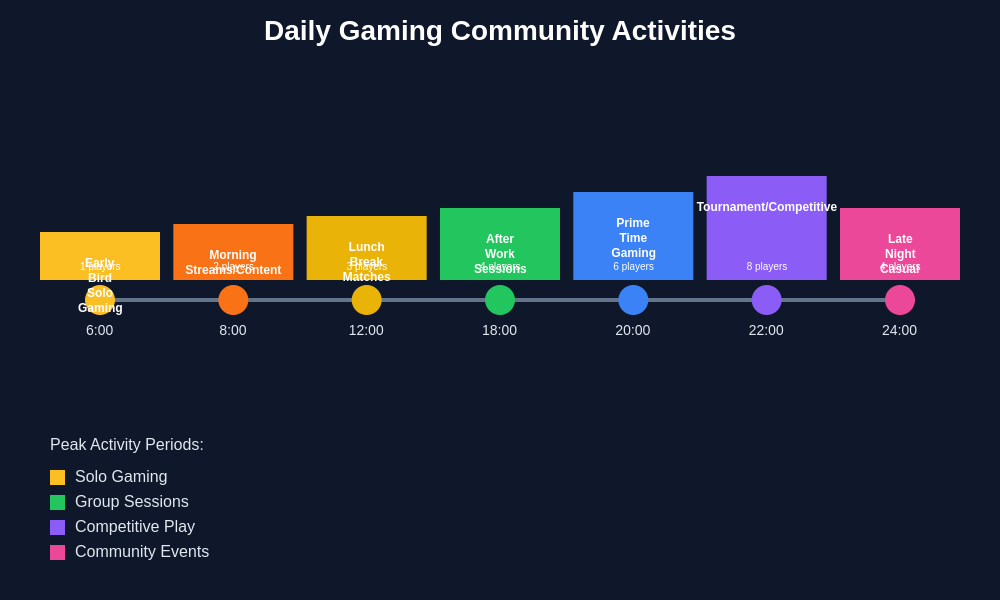
The timing and rhythm of gaming activities create natural opportunities for community interaction that accommodate different schedules, work arrangements, and social preferences among residents. Evening gaming sessions, weekend tournaments, and holiday gaming marathons provide regular gathering points that maintain community cohesion despite varying individual schedules and commitments.
Infrastructure and Equipment Sharing Dynamics
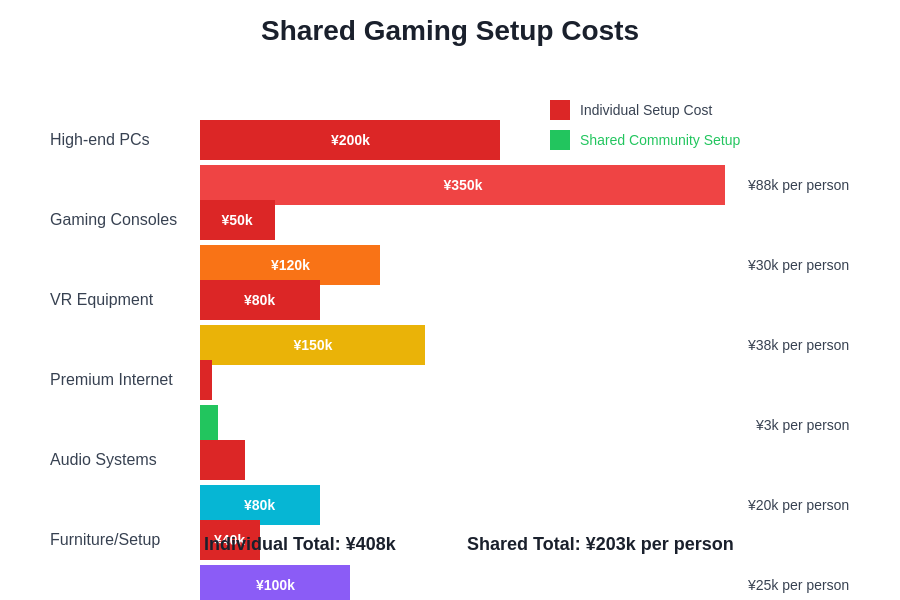
Successful gaming communities in sharehouses develop sophisticated sharing protocols and equipment management systems that balance individual ownership with community access to expensive gaming hardware, software licenses, and specialized peripherals. How consumer electronics sharing works provides insights into the practical arrangements that enable effective resource sharing while maintaining respect for personal property and financial investments.
High-end gaming equipment such as virtual reality systems, racing wheels, flight simulators, and premium audio equipment often become community assets that individual residents purchase but share according to established usage schedules and maintenance responsibilities. These sharing arrangements frequently extend to software licenses, subscription services, and digital content libraries that benefit from group purchasing power and shared access.
The establishment of clear protocols for equipment use, maintenance, and conflict resolution becomes essential as gaming communities grow and equipment sharing becomes more complex. Successful communities develop systems for scheduling popular equipment, sharing costs for consumables and maintenance, and handling technical issues that affect multiple residents’ gaming experiences.
Community investment in shared gaming infrastructure often represents significant financial commitments that require careful planning, fair cost distribution, and long-term maintenance considerations. Decisions about upgrading equipment, adding new gaming platforms, or investing in emerging technologies require community consensus and financial planning that strengthens group bonds while ensuring equitable participation in decision-making processes.
Social Hierarchies and Leadership Structures
Gaming communities within sharehouses naturally develop informal leadership structures based on gaming expertise, technical knowledge, organizational skills, and interpersonal abilities that contribute to community cohesion and conflict resolution. These hierarchies typically emerge organically rather than through formal appointment, reflecting genuine community recognition of individual contributions and capabilities.
Technical leaders often emerge from residents with superior knowledge of gaming hardware, network optimization, troubleshooting skills, and familiarity with emerging gaming technologies. These individuals frequently become go-to resources for technical problems, equipment recommendations, and system optimization that benefits the entire community while establishing their leadership roles.
Organizational leaders typically develop from residents who excel at coordinating group activities, organizing tournaments, managing schedules, and facilitating communication among community members. Why some residents become unofficial leaders explores how natural leadership emerges in sharehouse environments and contributes to community stability and satisfaction.
Social leaders emerge from residents who excel at welcoming new members, mediating conflicts, maintaining positive community atmosphere, and ensuring inclusive participation in gaming activities. These individuals often serve as bridges between different gaming preferences, skill levels, and cultural backgrounds that create more welcoming and sustainable community environments.
Cross-Cultural Gaming and Language Exchange
International sharehouses with strong gaming communities create unique opportunities for cross-cultural exchange through shared digital experiences that transcend language barriers and cultural differences. Gaming serves as a universal language that enables communication, cooperation, and friendship formation among residents from diverse cultural backgrounds and varying Japanese language abilities.
Collaborative gaming experiences naturally facilitate language learning as residents communicate strategy, share excitement, and develop inside jokes that contribute to both gaming success and language acquisition. How language barriers prevent deep friendships highlights challenges that gaming communities can help overcome through shared activities that encourage communication and mutual understanding.
Cultural exchange through gaming extends beyond language learning to include sharing gaming traditions, introducing region-specific games, and exploring different gaming cultures that residents bring from their home countries. These exchanges often lead to broader cultural discussions, food sharing, and celebration of diverse backgrounds that enrich the overall community experience.
Gaming communities frequently develop their own hybrid communication styles that blend multiple languages, gaming terminology, and cultural references into unique community vocabularies that reflect their international composition and shared experiences. These linguistic developments often become source of pride and community identity that strengthens bonds among residents.
Skill Development and Competitive Growth
Gaming communities within sharehouses provide structured environments for skill development, competitive improvement, and achievement recognition that extend beyond entertainment into personal development and confidence building. Regular practice sessions, friendly competition, and peer mentoring create opportunities for residents to develop both gaming abilities and transferable skills such as strategic thinking, team coordination, and performance under pressure.
Mentorship relationships naturally develop between experienced gamers and newcomers, creating supportive learning environments that benefit both teachers and students through knowledge sharing, skill development, and interpersonal connection building. These relationships often extend beyond gaming into career advice, life skills sharing, and mutual support for personal goals and challenges.
Competitive gaming within house communities provides safe environments for residents to experience healthy competition, learn from defeats, celebrate victories, and develop resilience that applies to various life challenges. Why some residents develop better communication skills demonstrates how gaming interactions contribute to broader personal development outcomes.
Community achievement recognition through tournaments, leaderboards, and skill progression tracking creates positive reinforcement systems that motivate continued participation while celebrating individual and team accomplishments. These recognition systems often extend to real-world achievements and milestones that strengthen community bonds and mutual support.
Technology Integration and Innovation
Tech-savvy gaming communities often serve as testing grounds for emerging technologies, innovative gaming platforms, and experimental hardware that individual residents might not explore independently. Community investment in cutting-edge technology enables shared exploration of virtual reality, augmented reality, cloud gaming, and other technological innovations that enhance gaming experiences while providing learning opportunities.
Home automation integration with gaming setups allows communities to optimize lighting, temperature, audio systems, and other environmental factors that enhance gaming experiences while demonstrating practical applications of smart home technology. How smart home features change daily routines explores how technology integration affects sharehouse living experiences.
Streaming and content creation activities often emerge from gaming communities as residents explore broadcasting, video production, and social media engagement that can develop into career opportunities or additional income sources. Collaborative content creation projects strengthen community bonds while providing practical experience with digital media production and online audience engagement.
Technical experimentation and innovation projects frequently develop from gaming community interests in hardware modification, software development, network optimization, and system integration that provide valuable learning experiences and potential career development opportunities for technically-minded residents.
Social Events and Community Traditions
Gaming communities develop distinctive social traditions that extend beyond regular gaming sessions to include special events, celebrations, and community rituals that strengthen bonds and create lasting memories among residents. Tournament organizations, seasonal competitions, and achievement celebrations become anticipated community events that residents plan around and look forward to throughout the year.
Holiday gaming marathons and special event celebrations often combine traditional cultural observances with gaming-themed activities that create unique community traditions reflecting the international and digital culture backgrounds of residents. These hybrid celebrations demonstrate how gaming communities adapt traditional social practices to their specific interests and demographics.
Community viewing events for major gaming tournaments, product launches, and industry announcements create shared experiences that connect house communities to broader gaming culture while reinforcing internal bonds through collective excitement and discussion. How different entertainment choices exclude others highlights the importance of inclusive event planning in maintaining community harmony.
Regular social events that combine gaming with other activities such as cooking together, outdoor recreation, or cultural exploration help prevent community isolation within digital spaces while maintaining the gaming focus that initially brought residents together. These balanced approaches to community building create more sustainable and well-rounded social environments.
Conflict Resolution and Community Management
Gaming communities face unique challenges related to competitive tensions, equipment disputes, noise concerns, and scheduling conflicts that require specific conflict resolution strategies adapted to the gaming context and sharehouse environment. Successful communities develop clear protocols for addressing these issues while maintaining positive relationships and community cohesion.
Equipment sharing disputes often arise from scheduling conflicts, maintenance responsibilities, and cost-sharing disagreements that require fair and transparent resolution processes. How conflict resolution styles differ by culture provides insights into managing disagreements among international residents with different approaches to conflict and communication.
Competitive gaming can create tensions related to skill disparities, team selections, and tournament outcomes that require careful management to prevent negative impacts on house relationships and community atmosphere. Establishing clear expectations about competition, sportsmanship, and inclusivity helps maintain positive gaming environments.
Noise management becomes particularly important in gaming communities where late-night sessions, excited reactions, and voice communication can affect other residents’ sleep and study schedules. Developing effective noise policies and considerate gaming practices requires ongoing communication and mutual respect among all house residents.
Long-term Community Sustainability
Maintaining vibrant gaming communities within sharehouses requires attention to member turnover, evolving gaming trends, equipment lifecycle management, and changing resident interests that can affect community dynamics over time. Successful communities develop strategies for welcoming new members, preserving community knowledge, and adapting to changing circumstances while maintaining core values and traditions.
New resident integration processes specifically designed for gaming communities help newcomers understand community culture, equipment sharing protocols, and participation expectations that enable smooth transitions and rapid community acceptance. Making friends through Tokyo sharehouse communities explores general strategies for community integration that apply particularly well to gaming-focused environments.
Equipment evolution and technology upgrades require long-term planning and community decision-making that balance individual preferences with community resources and shared benefits. Successful communities develop systems for evaluating new technology, funding upgrades, and managing transitions that maintain gaming capabilities while respecting budget constraints.
Community documentation and knowledge preservation help maintain continuity as residents change and ensure that successful practices, technical solutions, and community traditions continue to benefit future residents. These knowledge management systems often include equipment manuals, setup guides, community rules, and historical records that facilitate smooth community transitions.
Gaming communities in tech-savvy sharehouses represent sophisticated social systems that successfully blend digital entertainment with real-world relationship building, creating environments where residents can pursue their passions while developing meaningful friendships and valuable life skills. The success of these communities demonstrates how shared interests and collaborative activities can transform simple accommodation arrangements into vibrant, supportive, and enriching living experiences that benefit participants long after their sharehouse residency ends.
Disclaimer
This article is for informational purposes only and does not constitute professional advice about gaming equipment, community management, or sharehouse selection. Gaming preferences, community dynamics, and technology requirements vary significantly among individuals and properties. Readers should consider their personal interests, budget constraints, and lifestyle preferences when evaluating gaming-focused sharehouses. The effectiveness of community-building strategies may vary depending on resident composition, property facilities, and local regulations regarding noise and equipment use.