Academic competition among sharehouse residents creates complex social dynamics that can profoundly influence the quality and depth of friendships formed during university years in Tokyo. The pressure to excel academically while maintaining meaningful relationships with housemates presents unique challenges that international students must navigate carefully to preserve both their academic success and social wellbeing. Understanding these dynamics becomes essential for creating healthy living environments where competition motivates rather than destroys interpersonal connections.
The intersection of academic ambition and communal living arrangements in Tokyo sharehouses reveals fascinating patterns of how competitive environments shape relationship formation, trust development, and community cohesion among residents pursuing similar educational goals. These dynamics become particularly pronounced during examination periods, scholarship application seasons, and graduation preparation phases when individual achievements directly impact future opportunities and career prospects.
The Psychology of Academic Competition in Shared Spaces
Academic competition manifests differently in sharehouse environments compared to traditional university settings, primarily because residents cannot escape the competitive atmosphere by returning to separate homes. The constant presence of high-achieving peers creates persistent psychological pressure that influences daily interactions, study habits, and social relationship patterns in ways that many students underestimate when first selecting their living arrangements.
Student sharehouses near top Tokyo universities often attract academically ambitious residents who view their living situation as an extension of their educational experience. This concentration of driven individuals can create environments where every conversation, study session, and casual interaction carries undertones of comparison and evaluation that gradually reshape friendship dynamics over time.
The psychological impact of witnessing housemates’ academic successes and failures on a daily basis creates emotional complexity that traditional dormitory or apartment living rarely produces. Residents must process feelings of pride, envy, inspiration, and inadequacy while maintaining cordial relationships with the very people who trigger these emotional responses, leading to sophisticated coping mechanisms and social adaptation strategies.
Competition-induced stress often manifests through subtle behavioral changes such as increased secrecy about grades, reluctance to share study materials, and gradual withdrawal from group activities that might reveal academic performance differences. These protective mechanisms, while psychologically understandable, can erode the foundation of trust and openness that healthy friendships require to flourish.
Cultural Dimensions of Academic Competition
Japanese educational culture emphasizes academic excellence and ranking systems that create particularly intense competitive environments for both domestic and international students living in Tokyo sharehouses. Living with Japanese roommates in Tokyo sharehouses reveals how different cultural approaches to competition and achievement can create misunderstandings and social friction among residents from diverse educational backgrounds.
International students often encounter unfamiliar competitive dynamics rooted in Japanese concepts of academic hierarchy, group harmony, and individual achievement that can conflict with their home country’s educational values and friendship formation patterns. Understanding these cultural nuances becomes crucial for maintaining positive relationships while pursuing academic goals in multicultural sharehouse environments.
The concept of “saving face” in Japanese culture adds layers of complexity to how academic struggles and successes are communicated among housemates, often leading to indirect communication patterns that can confuse international residents accustomed to more direct discussion of academic challenges and achievements. These communication barriers can prevent the formation of genuine supportive relationships during difficult academic periods.
Different cultural attitudes toward collaboration versus individual achievement create ongoing tension in sharehouses where residents must balance personal academic goals with community harmony and mutual support expectations. How cultural differences affect friendship building explores how these competing values influence relationship development among academically focused residents.
Impact on Study Habits and Academic Performance
Competitive sharehouse environments significantly influence individual study patterns, resource sharing behaviors, and academic performance outcomes in ways that can either enhance or undermine educational success depending on how residents manage competitive pressures. The visibility of others’ study habits creates social pressure to maintain appearances of constant productivity that can lead to inefficient study practices and increased stress levels.
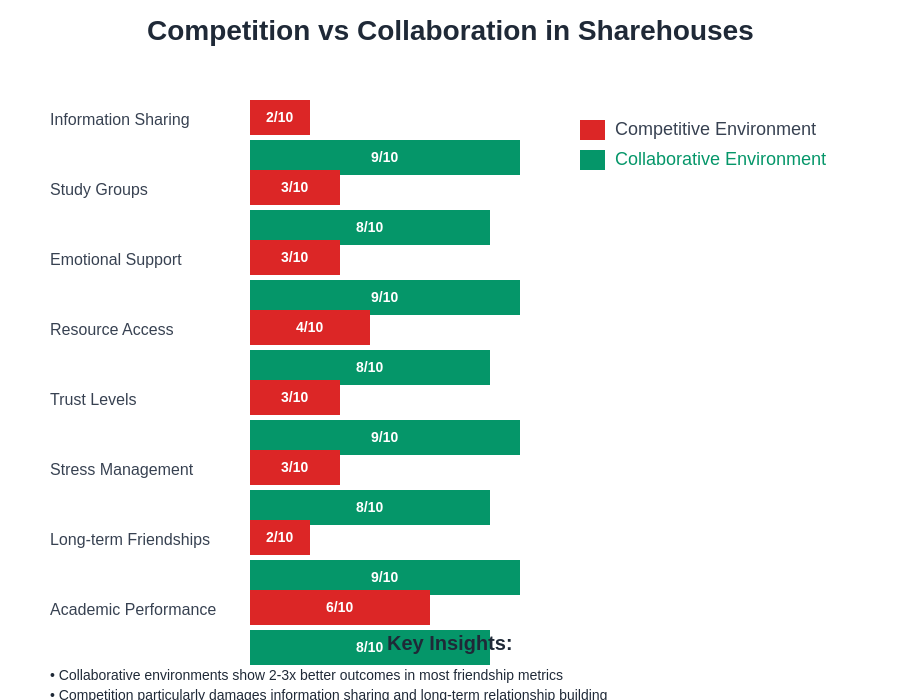
Group study sessions, once common in collaborative living environments, often become casualties of grade competition as residents become reluctant to share effective study strategies or reveal knowledge gaps that might provide competitive advantages to housemates. This shift from collaborative to competitive learning approaches can diminish the educational benefits that diverse academic perspectives typically provide in multicultural living situations.
The phenomenon of “academic territoriality” emerges when residents claim exclusive access to certain study spaces, library resources, or professor relationships in attempts to maintain competitive advantages over housemates. These behaviors gradually erode the sense of shared community that makes sharehouse living attractive and can create lasting resentment that extends beyond academic concerns.
Sleep deprivation and stress-related health issues become contagious in competitive sharehouse environments where residents feel pressure to match or exceed the apparent productivity levels of their housemates, leading to unsustainable study schedules that ultimately harm both academic performance and interpersonal relationships.
Friendship Formation Under Competitive Pressure
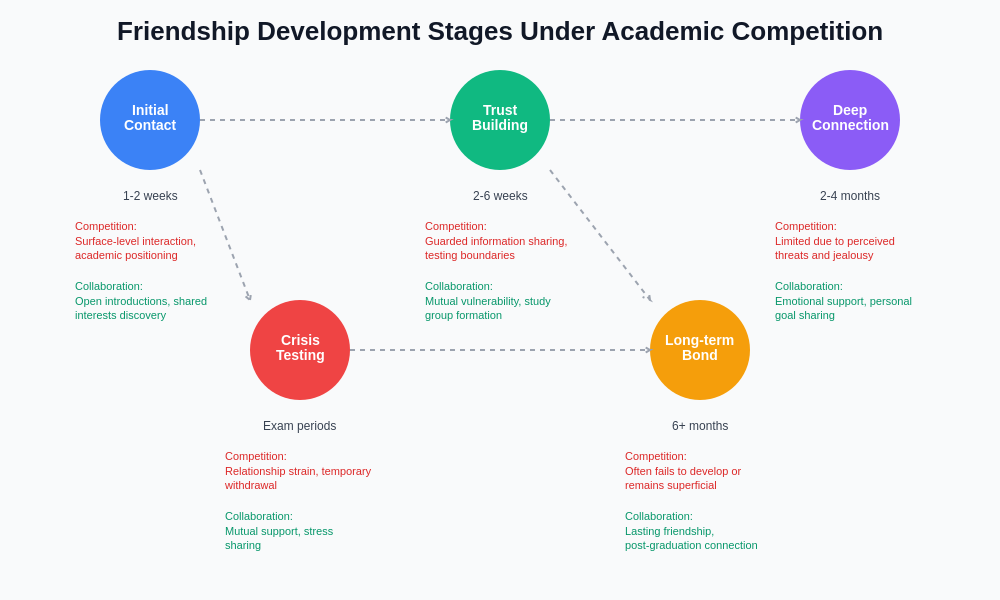
Genuine friendship formation becomes significantly more challenging when residents view each other primarily as academic competitors rather than potential companions and support systems. Making friends through Tokyo sharehouse communities demonstrates how competitive academic environments can inhibit the natural development of trust and emotional intimacy that characterizes lasting friendships.
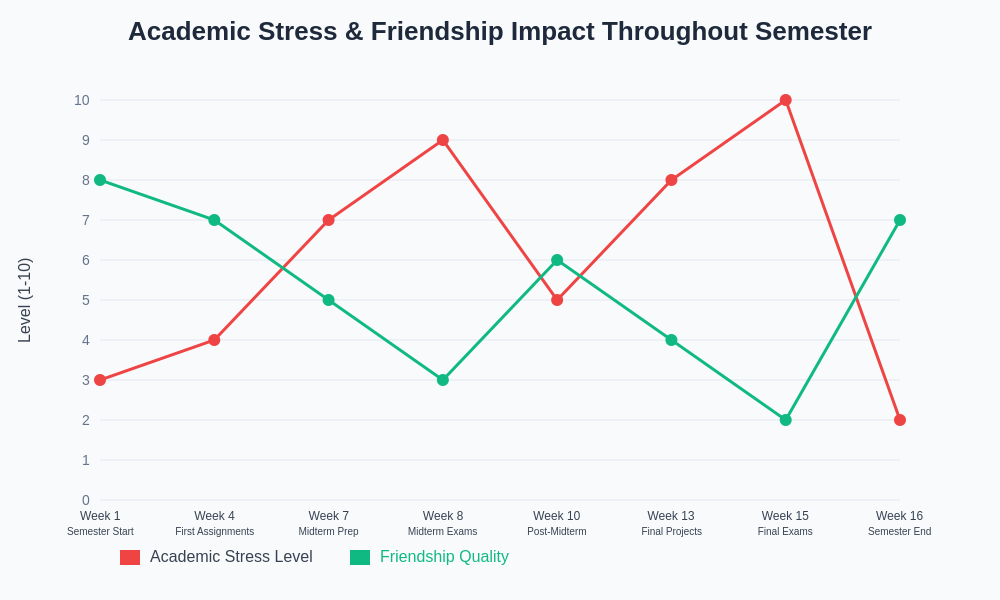
The timing of friendship formation relative to academic pressure cycles plays a crucial role in determining relationship depth and durability, with connections formed during low-stress periods showing greater resilience during subsequent competitive phases. Early relationship investments create emotional buffers that can help friendships survive the strain of academic competition, while relationships formed during high-stress periods often remain superficial and transactional.
Trust development requires vulnerability and openness that competitive environments actively discourage, creating paradoxical situations where residents desire meaningful connections but feel unable to risk the perceived disadvantages that genuine friendship might create. This emotional dissonance contributes to feelings of isolation despite living in crowded, socially active environments.
Shared academic struggles can either bond residents together through mutual support or divide them through comparative suffering, depending largely on how individual residents frame competition and success within their personal value systems and cultural backgrounds.
Communication Patterns and Relationship Dynamics
Academic competition fundamentally alters communication patterns within sharehouse communities, often replacing spontaneous conversation with calculated interactions designed to gather information about others’ academic performance while revealing minimal personal details. How cultural communication styles create misunderstandings explores how competitive pressure exacerbates existing communication challenges among multicultural residents.
Indirect communication becomes increasingly common as residents learn to discuss academic topics through implications and suggestions rather than direct statements that might reveal vulnerabilities or create uncomfortable comparisons. This communication style, while protecting individual interests, often prevents the development of clear understanding and mutual support that healthy friendships require.
Social hierarchy formation based on academic performance creates unspoken power dynamics that influence conversation topics, decision-making processes, and social activity planning in ways that can marginalize struggling students and create exclusive social circles among high achievers. These hierarchies often persist beyond academic contexts, affecting general house politics and daily interaction patterns.
Conflict avoidance becomes a dominant strategy for maintaining surface-level harmony while suppressing genuine concerns about fairness, support, and community responsibility that need addressing for healthy relationship development and community functioning.
Seasonal Patterns and Pressure Cycles
Academic competition intensity fluctuates throughout the university calendar, creating predictable patterns of relationship strain and recovery that experienced residents learn to anticipate and navigate strategically. How exam periods create stress for everyone details how these cyclical pressures affect entire sharehouse communities regardless of individual academic schedules.
Mid-term and final examination periods represent peak stress times when competitive behaviors intensify and friendship maintenance becomes secondary to academic survival, often resulting in temporary social fragmentation that requires conscious effort to repair during subsequent low-pressure periods. Understanding these cycles helps residents prepare emotionally and socially for predictable relationship challenges.
Scholarship application seasons create particularly intense competitive periods when residents pursuing similar funding opportunities must balance individual ambition with community solidarity, often revealing fundamental differences in values and priorities that can permanently alter relationship dynamics.
Graduation preparation phases introduce additional complexity as residents face divergent post-graduation plans that can make investment in current friendships seem less worthwhile, leading to premature relationship disengagement that affects entire house communities even among continuing residents.
Coping Strategies and Healthy Competition
Successful navigation of academic competition within sharehouse environments requires conscious development of coping strategies that protect both individual academic goals and community relationships from destructive competitive pressures. How to handle roommate conflicts without moving out provides frameworks for addressing competition-related tensions before they escalate into serious relationship damage.
Establishing clear boundaries between academic and social interactions helps residents maintain separate spheres where competition and collaboration can coexist without constant conflict, allowing friendships to develop in non-academic contexts while acknowledging legitimate competitive dynamics in educational pursuits.
Creating supportive accountability systems where residents can share academic goals and progress without feeling judged or compared enables healthy motivation while preserving relationship trust and emotional safety that competitive environments often threaten.
Developing personal definitions of success that extend beyond grade comparisons helps residents maintain perspective on friendship value and reduces the likelihood that academic setbacks will damage self-worth or social relationships within the house community.
Long-term Relationship Outcomes
The effects of grade competition on sharehouse friendships often extend well beyond university years, influencing career networking, personal relationship patterns, and life satisfaction in ways that may not become apparent until years after graduation. Residents who successfully maintain meaningful friendships despite competitive pressures often report stronger professional networks and greater personal fulfillment in their post-graduation lives.
How sharehouse living prepares you for future challenges examines how learning to balance competition with collaboration in sharehouse environments provides valuable life skills that benefit residents in professional and personal contexts throughout their careers.
Friendships that survive academic competition often demonstrate exceptional resilience and depth because they have been tested under significant stress and proven capable of withstanding external pressures that destroy weaker relationships. These battle-tested connections frequently become lifelong relationships that provide ongoing support and networking opportunities.
Conversely, relationships damaged by academic competition may leave lasting emotional scars and social skills deficits that affect residents’ ability to form healthy relationships in future competitive environments, making the development of healthy coping strategies crucial for long-term social and professional success.
Building Resilient Communities Despite Competition
Creating sharehouse communities that can maintain friendship and support despite academic competition requires intentional community building efforts that acknowledge competitive realities while prioritizing relationship preservation and mutual support. Successful communities often develop explicit agreements about information sharing, resource access, and emotional support that help residents navigate competitive pressures without destroying social bonds.
Regular community activities unrelated to academic performance provide opportunities for relationship building and stress relief that help counter the isolating effects of competitive academic environments. These activities create shared positive experiences that strengthen community bonds and provide emotional resources during high-stress academic periods.
Mentorship programs connecting senior residents with newcomers can help transfer institutional knowledge about managing competition while maintaining friendships, providing practical guidance and emotional support that reduces the trial-and-error learning that often damages relationships during residents’ adjustment periods.
Recognition and celebration of diverse achievements beyond academic performance helps create community cultures that value residents as complete individuals rather than academic competitors, fostering environments where friendships can flourish alongside academic pursuits without constant conflict between personal and educational goals.
The challenge of maintaining meaningful friendships while pursuing academic excellence in competitive sharehouse environments requires conscious effort, emotional intelligence, and community commitment that many residents underestimate when selecting their living arrangements. Success in this balance creates not only better academic outcomes but also richer personal relationships and more fulfilling university experiences that provide lasting benefits throughout residents’ personal and professional lives.
Disclaimer
This article is for informational purposes only and does not constitute professional psychological or academic advice. The dynamics described may vary significantly based on individual personalities, cultural backgrounds, and specific sharehouse environments. Readers experiencing serious relationship difficulties or academic stress should consult with appropriate counseling services available through their educational institutions or professional mental health providers.