The pursuit of sustainable living through green energy adoption faces significant obstacles in Tokyo’s sharehouse market, where environmental consciousness often collides with practical limitations, regulatory constraints, and economic realities that restrict meaningful progress toward renewable energy integration. Despite growing awareness of climate change and environmental responsibility among international residents, the structural and systemic barriers within Japan’s housing sector continue to limit access to clean energy alternatives, creating frustration for environmentally minded individuals seeking to reduce their carbon footprint while living in shared accommodation.
The disconnect between environmental aspirations and available options reflects broader challenges within Japan’s energy infrastructure, building ownership structures, and regulatory frameworks that prioritize stability and uniformity over innovation and sustainability. Understanding these limitations helps residents navigate the complex landscape of green energy options while identifying potential pathways for future improvements and personal environmental impact reduction strategies within existing constraints.
Structural Barriers in Japanese Housing
The fundamental architecture of Japan’s residential building sector creates inherent obstacles to green energy adoption that extend far beyond individual choice or financial capability. Most sharehouses operate within existing building structures that were designed and constructed before renewable energy considerations became mainstream, lacking the necessary infrastructure, electrical capacity, and structural modifications required for solar panel installation, battery storage systems, or advanced energy management technologies.
Understanding utility bills in Japanese sharehouses reveals how traditional billing structures and building management systems resist integration with renewable energy sources, creating administrative and technical complications that discourage property owners from pursuing sustainable upgrades. The complexity of retrofitting older buildings with modern green energy systems often exceeds the financial resources and technical expertise available to typical sharehouse operators.
Building ownership patterns in Tokyo frequently involve multiple stakeholders, complex management structures, and conservative decision-making processes that prioritize risk aversion over innovation. Property owners, management companies, and resident committees must reach consensus on major modifications, creating lengthy approval processes that discourage experimentation with alternative energy sources and sustainable building improvements.
The legal framework governing building modifications in Japan includes strict safety regulations, zoning restrictions, and architectural standards that were established for conventional energy systems and often fail to accommodate innovative renewable energy installations. These regulatory requirements create additional bureaucratic hurdles and compliance costs that make green energy projects financially prohibitive for many property owners and management companies.
Regulatory and Policy Constraints
Japan’s energy regulatory environment, while supportive of large-scale renewable energy development, presents significant challenges for small-scale residential applications that would benefit sharehouse residents seeking sustainable living options. The feed-in tariff system, designed to encourage renewable energy adoption, primarily benefits property owners rather than tenants, creating misaligned incentives that discourage investment in green energy infrastructure for rental properties.
Utility company policies and grid connection requirements often favor centralized energy distribution over distributed renewable systems, making it difficult and expensive for individual buildings to integrate solar panels, wind generators, or other alternative energy sources into existing electrical infrastructure. How utility bill calculations can be manipulated demonstrates how complex billing structures can obscure the true costs and benefits of renewable energy adoption.
Building code regulations and safety standards, while essential for public safety, often lag behind technological advances in renewable energy systems, creating approval delays and additional compliance requirements that increase project costs and complexity. The conservative approach to regulatory updates means that innovative green energy solutions may face extended evaluation periods before receiving official approval for residential use.
Local government policies vary significantly across Tokyo’s different wards and municipalities, creating inconsistent support for renewable energy initiatives and making it difficult for property owners to navigate the approval process for green energy installations. How recycling rules vary by Tokyo ward illustrates similar jurisdictional complexities that affect environmental initiatives.
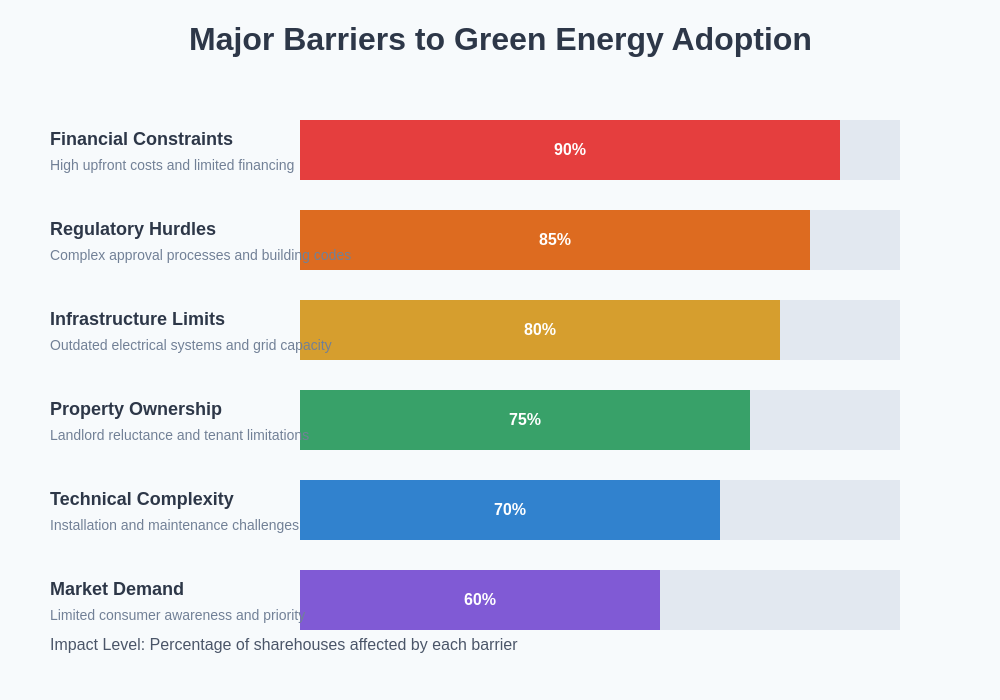
Economic and Financial Barriers
The financial structure of sharehouse operations creates fundamental obstacles to green energy investment that extend beyond simple cost considerations to encompass complex issues of ownership, return on investment, and risk allocation between property owners, management companies, and residents. Initial installation costs for renewable energy systems often exceed the available capital of sharehouse operators, particularly smaller independent properties that lack access to institutional financing or government incentive programs.
Living costs in Tokyo sharehouses explained highlights how cost sensitivity among residents limits their willingness to pay premium prices for environmentally sustainable accommodation, creating market pressure that discourages property owners from investing in expensive green energy infrastructure that may not generate sufficient rental premiums to justify the investment.
The relatively short tenancy periods typical in sharehouse arrangements reduce the incentive for both property owners and residents to invest in long-term sustainability improvements that require extended payback periods to achieve financial viability. Property owners cannot guarantee that environmentally conscious residents will remain in the property long enough to justify premium pricing for green energy features.
Financing options for renewable energy projects in rental properties remain limited, with most loan programs and incentive structures designed for owner-occupied residential properties rather than commercial rental operations. This financing gap particularly affects smaller sharehouse operators who lack the financial resources or credit history necessary to secure commercial loans for sustainability improvements.
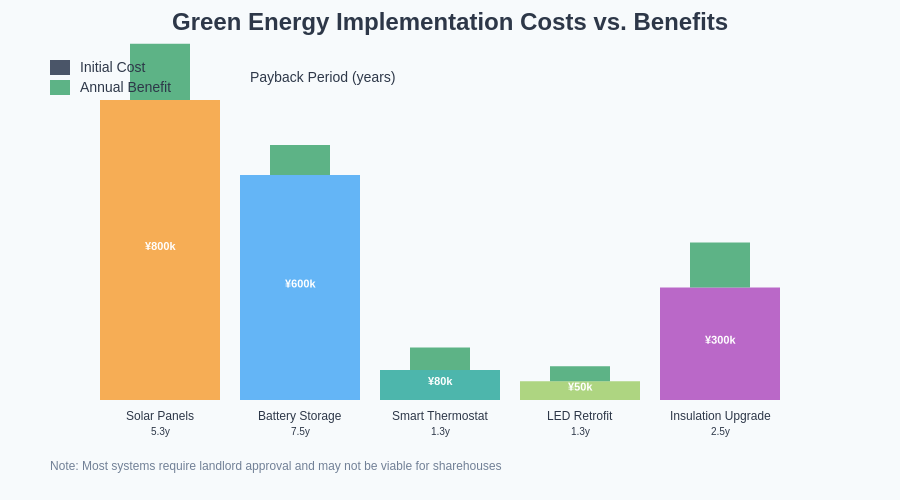
Technical Infrastructure Limitations
The technical infrastructure requirements for effective green energy implementation often exceed the capabilities of existing sharehouse electrical systems, which were typically designed for conventional energy consumption patterns and lack the sophisticated monitoring, storage, and distribution capabilities needed for renewable energy integration. Aging electrical panels, inadequate wiring capacity, and outdated grounding systems create safety concerns and compatibility issues that require expensive upgrades before renewable energy systems can be safely installed.
Grid interconnection requirements and utility company technical standards often necessitate significant electrical system modifications that extend far beyond the renewable energy equipment itself, including upgraded meters, inverter systems, and safety disconnects that add substantial cost and complexity to green energy projects. How internet data limits affect your monthly usage demonstrates similar infrastructure constraints that affect modern technology adoption in older buildings.
Energy storage solutions, essential for maximizing the value of solar and other intermittent renewable energy sources, require dedicated space, ventilation, and electrical infrastructure that many sharehouses cannot accommodate within existing building layouts. Battery systems also introduce additional safety considerations, maintenance requirements, and replacement costs that complicate the operational aspects of green energy systems.
The integration of smart energy management systems with existing building automation and utility monitoring infrastructure often requires extensive retrofitting and system compatibility testing that exceeds the technical expertise available to typical sharehouse management teams. These technical challenges create ongoing maintenance and troubleshooting requirements that property operators may be ill-equipped to handle effectively.
Market and Consumer Dynamics
The sharehouse market’s emphasis on affordability and convenience often conflicts with the premium pricing and complexity associated with green energy options, creating consumer demand patterns that discourage investment in sustainable infrastructure. How much Tokyo sharehouses really cost per month shows how price sensitivity drives housing decisions, with environmental considerations often taking secondary importance to cost and location factors.
International residents, who comprise a significant portion of the sharehouse market, typically prioritize short-term housing solutions and may lack the long-term commitment necessary to justify investment in green energy features that require extended payback periods. The transient nature of many sharehouse residents reduces their willingness to pay premium prices for environmental benefits they may not personally experience over extended periods.
Consumer awareness and understanding of green energy options remain limited among many sharehouse residents, particularly those from countries with different energy markets and regulatory environments. This knowledge gap reduces demand for sustainable housing options and limits the market pressure that might otherwise drive property owners to invest in renewable energy infrastructure.
The competitive nature of Tokyo’s sharehouse market encourages property operators to focus on visible amenities and features that directly attract residents, such as modern furnishings, convenient locations, and social facilities, rather than investing in less visible infrastructure improvements like renewable energy systems that may not significantly influence rental decisions.
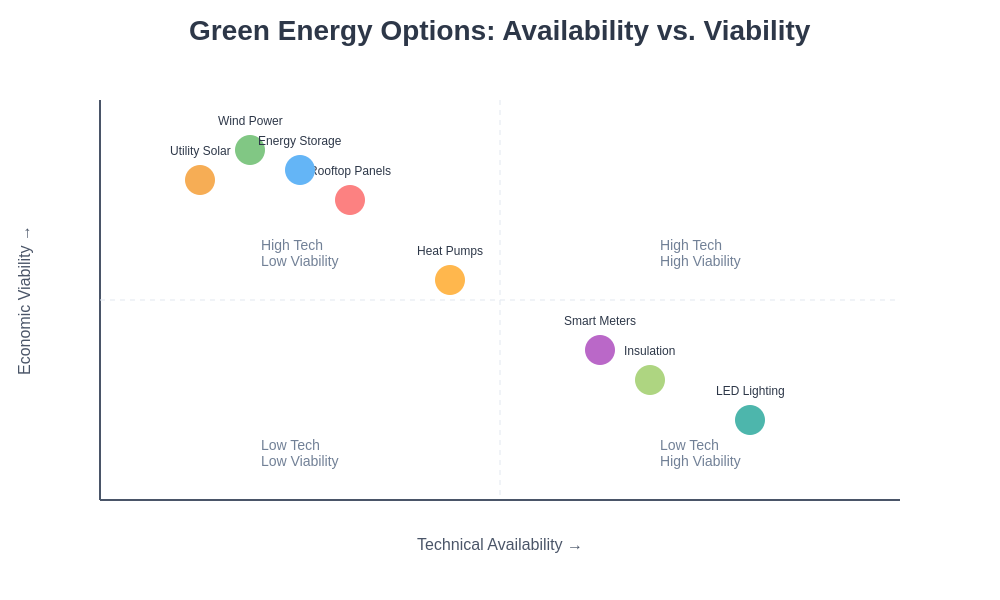
This analysis reveals the fundamental challenge facing sharehouse residents: most green energy technologies that are technically available remain economically unviable within the constraints of shared living arrangements and rental property structures.
Utility Company Policies and Grid Limitations
Tokyo’s utility companies maintain policies and operational procedures that often discourage or complicate small-scale renewable energy adoption in residential buildings, particularly in shared living arrangements where ownership and responsibility structures differ from traditional single-family homes. Grid interconnection requirements, designed for large-scale commercial installations, may be unnecessarily complex and expensive for smaller residential renewable energy projects.
Net metering policies and energy credit systems, where available, often favor property owners rather than tenants, creating situations where residents who advocate for green energy cannot directly benefit from the financial advantages of renewable energy generation. Why some payment methods aren’t accepted illustrates similar structural limitations that affect resident options and choices.
Utility company billing systems and meter reading procedures may not be designed to accommodate the complex ownership and usage patterns typical in sharehouses, where multiple residents share common facilities and individual consumption monitoring becomes technically challenging. These administrative complications create additional barriers to implementing renewable energy systems that require sophisticated metering and billing arrangements.
The conservative approach of Japanese utility companies toward distributed energy resources reflects broader institutional resistance to changes that might disrupt established operational procedures and revenue models, even when such changes might benefit environmental sustainability and energy independence goals.
Environmental Policy Gaps
Japan’s environmental policies, while comprehensive at the national level, often fail to address the specific challenges and opportunities presented by shared residential living arrangements like sharehouses. Why environmental policies change frequently demonstrates how policy instability can create uncertainty for long-term environmental investments.
Carbon reduction targets and renewable energy goals established by national and local governments typically focus on large-scale industrial and commercial applications rather than distributed residential solutions that would benefit sharehouse residents. This policy emphasis creates incentive structures that channel resources and support toward large projects while neglecting smaller-scale opportunities for environmental improvement.
Environmental impact assessment requirements and permitting procedures may be unnecessarily complex for small residential renewable energy installations, creating administrative burdens that discourage property owners from pursuing sustainable building improvements. The bureaucratic complexity of environmental compliance can exceed the capacity of smaller sharehouse operators to navigate effectively.
Building energy efficiency standards and green building certification programs often lack specific provisions for shared residential facilities, creating evaluation criteria and compliance requirements that may not align with the operational realities and economic constraints of sharehouse properties.
Alternative Solutions and Workarounds
Despite systemic limitations, environmentally conscious sharehouse residents have developed various strategies and alternative approaches for reducing their environmental impact within existing constraints. How carbon footprint awareness affects lifestyle choices explores how residents adapt their behavior to achieve sustainability goals despite infrastructure limitations.
Community-based energy conservation initiatives, organized by residents themselves, can achieve meaningful environmental benefits through coordinated behavior changes, shared resource purchasing, and collective advocacy for building improvements. These grassroots efforts often prove more effective than waiting for property owner initiatives or regulatory changes.
Partnership arrangements with green energy providers and energy service companies can sometimes overcome financial and technical barriers by providing third-party ownership and maintenance of renewable energy systems, though such arrangements remain rare in the residential sector and may not be economically viable for smaller sharehouse properties.
Energy efficiency improvements, while not providing renewable energy generation, can significantly reduce overall environmental impact and utility costs through relatively affordable upgrades such as LED lighting, efficient appliances, and improved insulation that property owners may be more willing to implement than comprehensive renewable energy systems.
Future Prospects and Potential Developments
The gradual evolution of Japan’s energy market, regulatory environment, and building technologies suggests that green energy options for sharehouses may expand over time, though significant barriers will likely persist for the foreseeable future. Why some buildings lack environmental features highlights ongoing challenges that affect building sustainability adoption.
Technological advances in renewable energy systems, energy storage, and smart building management may eventually reduce the cost and complexity barriers that currently limit green energy adoption in residential buildings. Improvements in system integration, installation procedures, and maintenance requirements could make renewable energy more accessible to smaller property operators.
Policy reforms and regulatory updates may gradually address some of the institutional barriers that currently limit renewable energy adoption, particularly as environmental concerns become more prominent in political discourse and consumer demand. However, the conservative nature of Japan’s regulatory environment suggests that such changes will likely occur slowly and incrementally.
Market developments and changing consumer preferences may eventually create sufficient demand for green energy options to justify investment by property owners and utility companies, particularly as younger generations with stronger environmental values comprise larger portions of the sharehouse market.
Personal Impact Strategies
While systemic barriers limit access to comprehensive green energy solutions, sharehouse residents can still pursue meaningful environmental impact reduction through personal choices and community initiatives that work within existing constraints. How sustainable living practices clash with convenience explores the practical challenges of maintaining environmental values in shared living environments.
Energy conservation practices, including conscious consumption patterns, efficient use of common facilities, and coordinated schedules for energy-intensive activities, can achieve significant environmental benefits while potentially reducing utility costs for all residents. These behavioral approaches require minimal infrastructure investment while demonstrating environmental commitment.
Advocacy and communication with property owners and management companies can gradually build awareness and support for green energy initiatives, particularly when residents present well-researched proposals with clear financial and operational benefits. How to handle roommate conflicts without moving out provides communication strategies that apply to advocacy efforts.
Community organization and collective action can amplify individual environmental efforts while building social pressure for systemic improvements. Residents who coordinate their environmental initiatives can achieve greater impact while demonstrating market demand for sustainable housing options that may eventually influence industry practices.
The persistent limitations on green energy options in Tokyo sharehouses reflect complex interactions between regulatory frameworks, economic structures, technical constraints, and market dynamics that resist simple solutions or rapid transformation. While technological advances and policy evolution may gradually expand opportunities for renewable energy adoption, residents seeking sustainable living options must currently navigate significant obstacles and pursue alternative strategies for environmental impact reduction. Understanding these limitations enables more realistic expectations and more effective advocacy for incremental improvements that may eventually contribute to broader systemic change in Japan’s residential energy landscape.
Disclaimer
This article is for informational purposes only and does not constitute professional advice regarding energy systems, building modifications, or environmental regulations. Green energy options and regulatory requirements may vary by location and change over time. Readers should consult with qualified professionals and relevant authorities before making decisions about energy systems or building modifications. The effectiveness of alternative strategies may vary depending on specific circumstances and local conditions.