
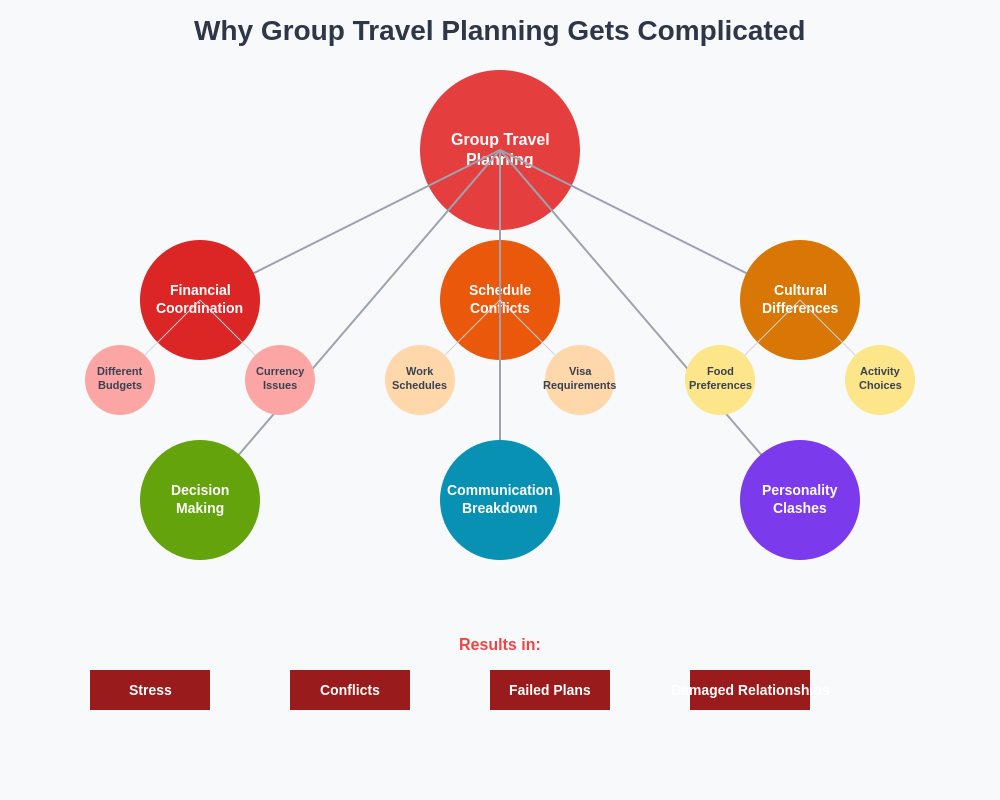
Group travel planning in the context of sharehouse living presents a labyrinth of complications that extend far beyond the typical challenges faced by established friend groups or families. The unique dynamics of international residents sharing living spaces in Tokyo creates an intricate web of financial, cultural, logistical, and interpersonal considerations that can transform what should be an exciting adventure into a source of stress and potential conflict within the household community.
The complexity multiplies exponentially when residents from different cultural backgrounds, varying financial situations, diverse travel experiences, and conflicting personal schedules attempt to coordinate a collective journey. Understanding these complications and learning to navigate them effectively becomes essential for maintaining harmonious relationships while still pursuing the enriching experiences that group travel can provide when properly managed.
Financial Coordination Nightmares
The financial aspects of group travel planning within sharehouse communities often become the most significant source of tension and complication, particularly when residents come from vastly different economic backgrounds and have varying approaches to money management. Living costs in Tokyo sharehouses explained provides context for how residents already manage different budget priorities, making additional travel expenses even more challenging to coordinate.
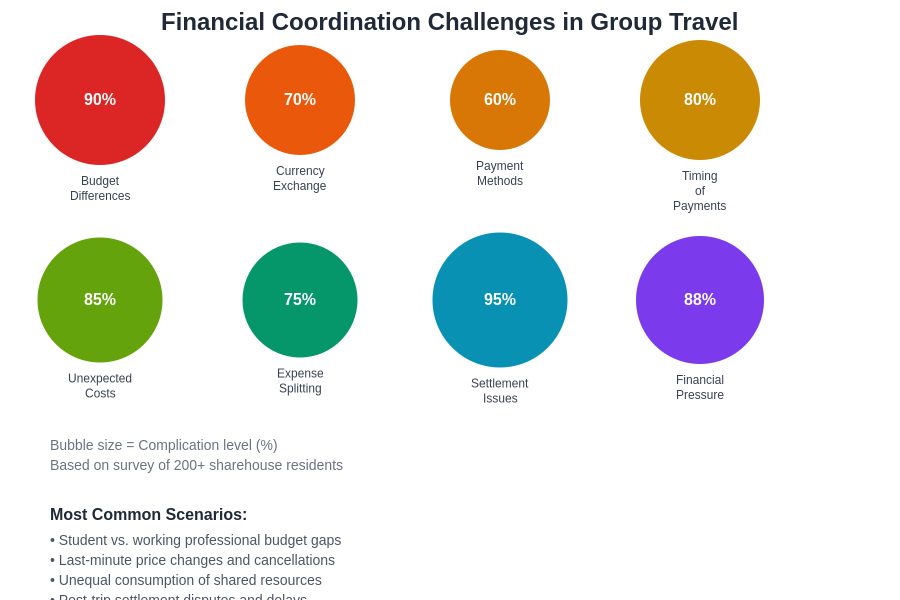
Currency differences add another layer of complexity when international residents attempt to split costs, book accommodations, or manage shared expenses during travel. Exchange rate fluctuations can create unexpected disparities in actual costs, leading to confusion and potential resentment when final settlements are calculated after the trip concludes.
The timing of financial commitments presents additional challenges, as some residents may need to save for months to afford their portion of travel expenses, while others might prefer last-minute bookings or spontaneous upgrades. These different financial planning styles can create pressure points that affect both trip quality and house relationships long after the journey ends.
Budget transparency becomes particularly difficult when residents have different comfort levels discussing personal finances, leading to assumptions and misunderstandings about what each person can realistically afford. The pressure to participate in group activities regardless of financial strain can create situations where residents overextend themselves financially, potentially affecting their ability to meet sharehouse obligations upon return.
Schedule Synchronization Challenges
Coordinating schedules among sharehouse residents represents one of the most fundamental yet persistently difficult aspects of group travel planning, particularly when residents work in different industries, attend various educational institutions, or maintain diverse lifestyle patterns. Student sharehouses near top Tokyo universities illustrates how academic calendars can conflict dramatically with professional schedules.
Work obligations often create inflexible constraints that vary significantly between residents, with some enjoying generous vacation policies while others struggle to secure even short periods of time away from their responsibilities. The competitive nature of certain industries or the demands of language school attendance can make it virtually impossible for some residents to commit to specific travel dates well in advance.
Visa restrictions and travel document requirements add another dimension to scheduling complexity, as residents from different countries may require varying amounts of time to secure necessary permissions for international travel. Some nationalities enjoy visa-free access to destinations that require lengthy application processes for others, creating practical barriers to group coordination.
Personal commitments and family obligations often conflict with proposed travel dates, particularly during traditional holiday seasons when many residents may have pre-existing plans to visit home countries or meet family members. The emotional significance of these commitments can make compromise difficult, leading to reduced group sizes or multiple smaller trips that diminish the intended community-building benefits.
Cultural Preference Conflicts
The diversity that makes sharehouse living culturally enriching becomes a significant complication when planning group travel, as residents bring vastly different expectations, preferences, and comfort levels regarding travel styles, accommodation standards, and activity choices. Living with Japanese roommates in Tokyo sharehouses demonstrates how cultural differences affect daily decisions, and these same dynamics amplify during travel planning.
Accommodation preferences vary dramatically between cultures, with some residents prioritizing privacy and comfort while others focus on budget-friendly options that maximize spending money for activities and experiences. The concept of acceptable room sharing, bathroom facilities, and meal arrangements can create fundamental disagreements that seem impossible to reconcile without someone feeling uncomfortable or excluded.
Food preferences and dietary restrictions multiply the complexity of destination selection and daily meal planning, particularly when residents follow specific religious requirements, have severe allergies, or maintain strict dietary philosophies. Finding destinations and restaurants that accommodate multiple dietary needs while remaining within budget constraints often proves nearly impossible.
Activity preferences reflect deep cultural values and personal interests that may be incompatible within a single itinerary, with some residents preferring cultural immersion and historical exploration while others seek adventure sports, nightlife, or relaxation. The negotiation process required to balance these preferences can become contentious and time-consuming.
Decision-Making Process Complications
The democratic ideals that often govern sharehouse communities can become a significant liability when applied to group travel planning, as the consensus-building process required for multiple decisions throughout the planning phase can become unwieldy and inefficient. How to handle roommate conflicts without moving out provides insights into conflict resolution that become crucial during complex group decision-making.
Destination selection alone can consume weeks of discussion and debate, particularly when residents have different priorities regarding climate, activities, budget requirements, and cultural interests. The attempt to accommodate everyone’s preferences often results in compromise destinations that satisfy no one completely, leading to reduced enthusiasm and potential disappointment.
Transportation decisions involve multiple variables including budget constraints, comfort preferences, environmental concerns, and schedule flexibility that affect different residents in varying ways. The choice between budget airlines, train travel, rental cars, or other options can become a contentious issue that reflects deeper values and priorities within the group.
Accommodation booking requires unanimous agreement on standards, location, room arrangements, and amenities, but the urgency of securing good deals often conflicts with the time needed for thorough group consultation. The pressure to make quick decisions can lead to bookings that don’t meet everyone’s needs or expectations.
Daily itinerary planning during the trip becomes even more complex, as real-time decisions about activities, meals, and schedule changes require rapid group consensus that may be difficult to achieve when travelers are tired, stressed, or experiencing different energy levels and interests.
Communication Breakdown Patterns
Language barriers that may be manageable in daily sharehouse interactions become significantly more challenging during the intensive communication required for detailed travel planning, particularly when discussing complex logistics, financial arrangements, or resolving conflicts. English-speaking sharehouses in Tokyo for foreigners highlights how language affects daily interactions.
Information overload occurs when multiple residents research different aspects of the trip simultaneously, leading to conflicting information, duplicated efforts, and confusion about which details have been verified and which remain tentative. The lack of a clear information management system can result in missed deadlines, duplicate bookings, or overlooked important requirements.
Digital communication platforms multiply rather than simplify the challenge, as residents may prefer different messaging apps, email systems, or planning tools that fragment conversations and make it difficult to maintain a complete record of decisions and commitments. Important information can become lost in the digital shuffle, leading to misunderstandings and missed deadlines.
Time zone differences affect communication when trips involve international destinations or when residents are traveling for work or family visits during the planning period, creating delays in responses and making real-time discussion difficult when urgent decisions must be made.
Personality and Compatibility Issues
The intensity of travel experiences tends to amplify personality traits and stress responses that may be easily managed in the familiar environment of the sharehouse, creating potential conflicts that can damage relationships both during the trip and after returning home. Making friends through Tokyo sharehouse communities explores relationship dynamics that become tested during group travel.
Planning styles differ dramatically between residents, with some preferring detailed advance preparation while others favor spontaneous decision-making, creating tension throughout the planning process and potentially extending to the travel experience itself. These differences can lead to anxiety, frustration, and feelings of incompatibility that weren’t apparent in daily sharehouse life.
Stress tolerance levels vary significantly between individuals, and the cumulative stress of travel planning can reveal incompatibilities that affect group harmony both during planning phases and throughout the actual journey. Residents who cope well with everyday challenges may struggle with the additional pressure of coordinating group activities and managing multiple personalities.
Leadership dynamics often emerge organically during planning processes, but the lack of clear authority or established hierarchy can lead to power struggles, resentment, and inefficient decision-making that prolongs the planning period and creates interpersonal tension.
Social energy requirements differ between introverts and extroverts in ways that become magnified during extended group travel, where personal space and alone time may be limited while social interaction demands are intensified beyond comfortable levels for some participants.
Logistical Coordination Challenges
Booking coordination becomes exponentially more complex when multiple people need to secure flights, accommodations, activities, and transportation simultaneously, particularly during peak travel seasons when popular options fill up quickly and prices fluctuate rapidly. How commute times impact your quality of life demonstrates how transportation logistics affect daily satisfaction.
Documentation requirements vary significantly between residents based on nationality, visa status, and destination requirements, creating different timelines and preparation needs that can delay group bookings or require last-minute changes when some residents cannot secure necessary permissions.
Insurance and emergency preparedness involve complex considerations when group members have different coverage levels, medical needs, and risk tolerance, making it difficult to establish unified protocols for handling potential emergencies or travel disruptions.
Luggage coordination and transportation logistics become complicated when residents have different packing styles, transportation preferences, and physical capabilities that affect how the group moves between locations and manages shared or individual belongings.
Technology coordination requires ensuring all group members have compatible devices, applications, and communication systems for navigation, translation, documentation, and emergency contact, which can be challenging when residents use different platforms or have varying levels of technological comfort.
Budget Management Throughout Travel
Real-time expense tracking during group travel creates ongoing tension and confusion, particularly when some residents prefer to split everything equally while others want to pay only for items they personally consume or activities they choose to participate in. How to budget realistically for sharehouse living provides budgeting insights that apply to travel situations.
Currency exchange and payment method differences create practical challenges when making group purchases, splitting restaurant bills, or handling situations where some residents have access to better exchange rates, local bank accounts, or preferred payment systems that others cannot utilize.
Unexpected expense handling becomes problematic when unplanned costs arise during travel, as residents may have different abilities to absorb additional expenses or varying philosophies about how such costs should be distributed among group members.
Tipping and local customs regarding payment can create awkward situations when residents have different cultural backgrounds and varying levels of familiarity with destination-specific practices, leading to confusion and potential embarrassment in social situations.
Post-trip settlement often becomes contentious when receipts are missing, memories are unclear, or residents disagree about how shared expenses should be calculated, particularly when exchange rates have fluctuated between the travel period and settlement time.
Impact on Sharehouse Relationships
Failed travel plans or disappointing group experiences can create lasting tension within the sharehouse community that affects daily interactions, future group activities, and overall house harmony long after the travel period concludes. Dating while living in Tokyo sharehouses explores how external activities affect house dynamics.
Exclusion dynamics may develop when only some residents participate in group travel, creating insider groups and potential feelings of exclusion among those who couldn’t or chose not to participate, which can fragment the house community and create ongoing social tensions.
Financial resentment can persist when residents feel they were pressured into overspending, taken advantage of during expense splitting, or unfairly burdened with planning responsibilities that others didn’t adequately appreciate or compensate.
Trust issues may develop when residents feel misled about costs, accommodations, or activities, or when someone fails to meet their financial or logistical commitments, affecting future collaboration on house matters and personal relationships.
Success stories, conversely, can strengthen bonds and create positive shared memories that enhance house community, but the risk-reward ratio often discourages residents from attempting group travel despite the potential benefits.
Alternative Strategies and Solutions
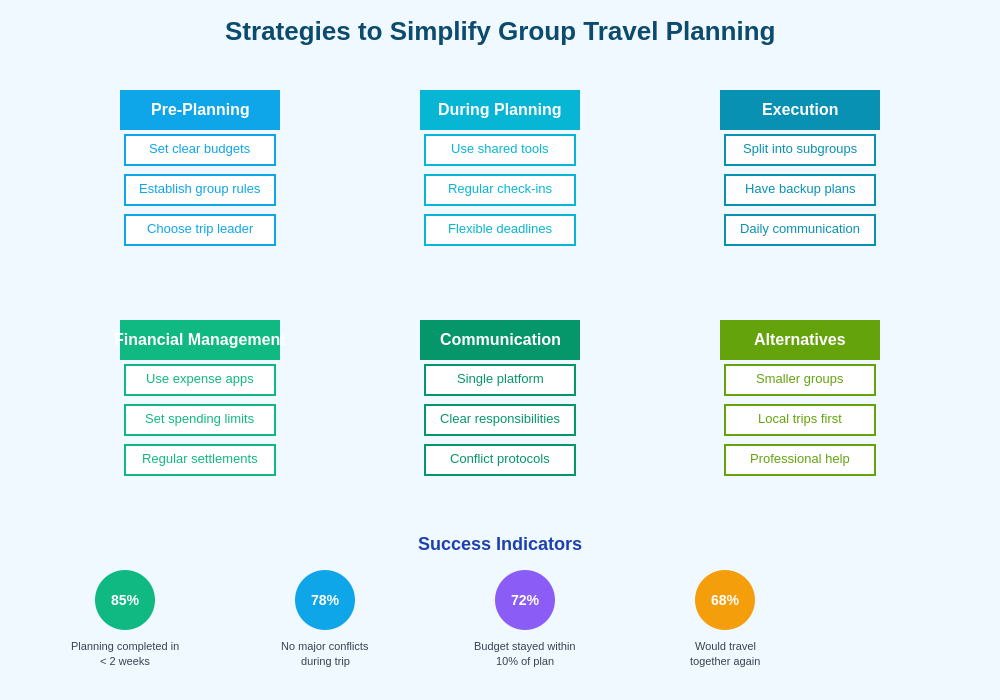
Smaller group formations often prove more manageable than house-wide travel attempts, allowing residents with compatible schedules, budgets, and preferences to plan successful trips while avoiding the complications of larger group coordination. Real stories from Tokyo sharehouse residents includes examples of successful smaller group activities.
Flexible participation models can accommodate residents with different commitment levels by allowing people to join specific portions of trips, meet the group at certain destinations, or participate in planning without committing to the entire journey.
Professional planning services or designated trip organizers can remove some of the burden from group decision-making by providing expert guidance, handling logistics, and managing bookings, though this adds cost and may reduce the personal connection some residents seek from group travel.
Trial runs using shorter, local trips can help identify compatibility issues and establish group dynamics before committing to longer or more expensive travel plans that would create greater consequences if problems arise.
Clear agreements and expectations established before planning begins can prevent many conflicts by addressing financial responsibilities, decision-making processes, communication protocols, and conflict resolution procedures before emotions and investments become too high.
The complexity of group travel planning within sharehouse communities reflects the broader challenges of coordinating diverse individuals with different backgrounds, priorities, and constraints. While successful group travel can create lasting memories and strengthen community bonds, the potential for complications requires careful consideration of whether the benefits justify the risks to household harmony and individual relationships. Understanding these challenges helps residents make informed decisions about participation and develop strategies that maximize the chances of positive outcomes while protecting important living relationships.
Disclaimer
This article is for informational purposes only and reflects common experiences in sharehouse communities. Individual results may vary based on group dynamics, cultural backgrounds, and specific circumstances. Readers should consider their personal situations and house relationships when making decisions about group travel participation. The strategies mentioned may not be suitable for all groups or situations.