
Guest policies in Tokyo sharehouses represent one of the most significant yet often overlooked factors that can dramatically shape your social experience and personal relationships during your time in Japan. These seemingly simple rules about who can visit, when they can stay, and how long they can remain in the house create ripple effects that extend far beyond basic accommodation logistics, influencing everything from romantic relationships and friendship development to professional networking opportunities and cultural integration experiences.
The complexity of guest policies varies dramatically between different sharehouses, management companies, and individual properties, creating a landscape where understanding these restrictions before committing to a living arrangement becomes crucial for maintaining the social life you desire. Many international residents discover too late that restrictive guest policies can severely limit their ability to build meaningful relationships, host family visits, or maintain existing friendships, leading to social isolation and regret about their housing choices.
Understanding the Spectrum of Guest Policy Restrictions
Tokyo sharehouses implement guest policies that range from completely open-door arrangements where visitors can stay freely for extended periods to highly restrictive systems that require advance approval for any guest visit lasting longer than a few hours. Japanese sharehouse rules every foreigner should know provides essential context for understanding how these policies fit within broader house management frameworks and cultural expectations.
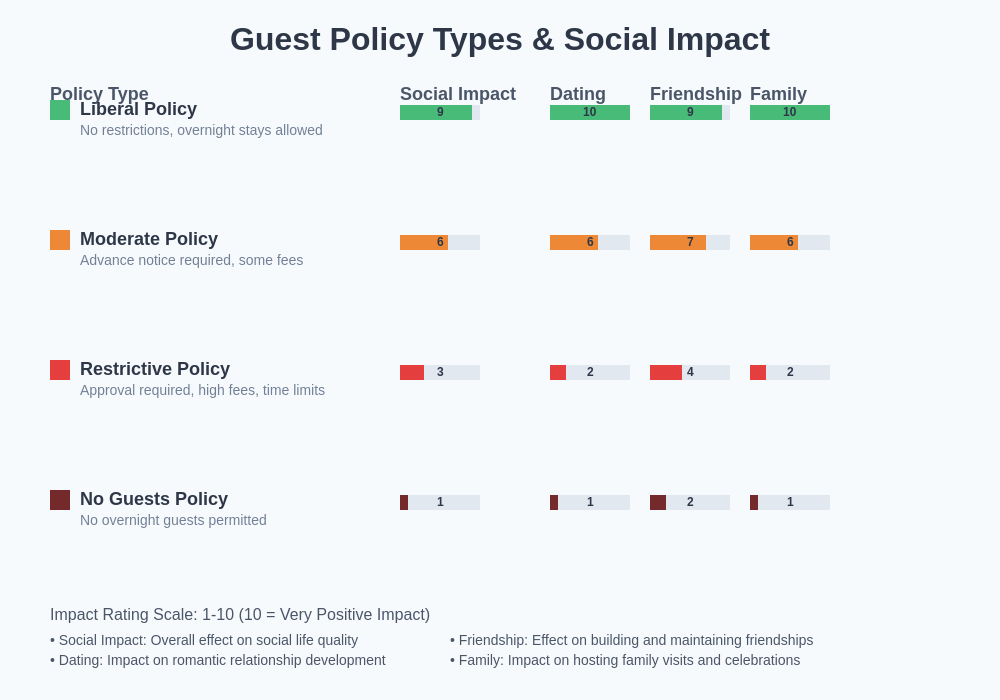
The most liberal guest policies typically allow residents to bring visitors without prior notification, permit overnight stays without additional fees, and place minimal restrictions on guest frequency or duration. These arrangements often exist in smaller, independently managed sharehouses where residents have developed strong community bonds and established mutual trust that prevents abuse of guest privileges.
Moderate guest policies usually require advance notification for overnight guests, impose limits on consecutive nights guests can stay, and may charge nominal fees for extended visits. These systems attempt to balance residents’ social needs with practical concerns about overcrowding, security, and wear on common facilities while maintaining reasonable flexibility for normal social activities and relationship building.
Restrictive guest policies can severely limit social interactions by requiring formal approval processes for any guest visits, prohibiting overnight stays entirely, charging substantial daily fees for guests, or limiting guest hours to specific times that may conflict with natural social patterns. These policies often exist in larger commercial sharehouses where management companies prioritize operational efficiency and liability reduction over resident satisfaction and community building.
Impact on Romantic Relationships and Dating
The effect of guest policies on romantic relationships represents one of the most personal and emotionally significant consequences of sharehouse living arrangements. Dating while living in Tokyo sharehouses explores how housing restrictions can fundamentally alter relationship development patterns and create unexpected challenges for singles seeking meaningful connections.
Restrictive overnight guest policies can prevent natural relationship progression by making it impossible for romantic partners to spend consecutive nights together, forcing couples to rely on expensive hotel accommodations or limiting their time together to brief visits that don’t allow for deeper emotional intimacy. These limitations often create artificial barriers that can slow relationship development or force premature decisions about moving in together before couples are ready for such commitment levels.
The financial implications of guest fees for romantic partners can create significant monthly expenses that strain both personal budgets and relationship dynamics. When sharehouses charge daily or weekly rates for guest stays, couples may find themselves spending hundreds of dollars monthly on fees just to maintain their relationship, creating resentment toward housing arrangements and potential conflict between partners about who should bear these costs.
Guest approval processes can create embarrassing situations where residents must formally request permission for their romantic partners to visit, leading to awkward conversations with house managers and potential judgment from other residents about personal relationships. This loss of privacy and autonomy can feel infantilizing for adults seeking to build mature romantic connections.
Effects on Friendship Development and Maintenance
International friendships often require more intensive nurturing than domestic relationships due to cultural differences, language barriers, and the temporary nature of many expat communities in Tokyo. Guest policies can significantly impact the ability to build and maintain these crucial social connections by limiting opportunities for extended social interactions that allow friendships to deepen beyond surface-level acquaintanceships.
Spontaneous social gatherings, which often represent the most memorable and relationship-building social experiences, become nearly impossible under restrictive guest policies that require advance notice or approval for visitors. The inability to invite friends for impromptu dinners, movie nights, or study sessions can prevent the organic development of close friendships that typically emerge from shared experiences and unplanned moments of connection.
Making friends through Tokyo sharehouse communities highlights how internal house relationships can partially compensate for external social limitations, but restrictive guest policies can also prevent residents from introducing their outside friends to housemates, limiting the potential for expanding social circles and creating broader community connections.
The maintenance of existing friendships becomes particularly challenging when guest policies prevent friends from staying overnight during visits to Tokyo, forcing expensive hotel arrangements that may discourage visits altogether. International residents often find their global friendships suffering as friends choose other destinations for visits rather than dealing with the complications and costs associated with restrictive sharehouse guest policies.

Professional and Networking Implications
Business networking and professional development opportunities can be significantly impacted by guest policies that limit the ability to host colleagues, mentors, or professional contacts in comfortable, private settings. English-speaking sharehouses in Tokyo for foreigners often attract international professionals who rely on networking for career advancement, making guest policy flexibility crucial for professional success.
Informal business meetings and relationship building often occur more effectively in relaxed, personal environments rather than formal office settings or expensive restaurants. Guest policies that prevent hosting professional contacts can limit career development opportunities and force expensive alternatives that may not be financially sustainable for early-career international workers.
The ability to host international business visitors, conference attendees, or potential collaborators can provide significant professional advantages that restrictive guest policies eliminate. These missed opportunities for professional relationship building can have long-term career implications that extend far beyond the sharehouse living period.
Cultural Exchange and Integration Opportunities
Guest policies directly influence residents’ ability to engage in cultural exchange activities that represent one of the primary benefits of international living experiences. Restrictive policies can prevent hosting language exchange partners, cultural mentors, or local friends who could provide deeper insights into Japanese culture and society.
The reciprocal nature of cultural friendship often requires the ability to offer hospitality in return for cultural guidance and local expertise. When guest policies prevent residents from hosting their Japanese friends or cultural contacts, these relationships may become one-sided and ultimately unsustainable, limiting genuine cultural integration opportunities.
Living with Japanese roommates in Tokyo sharehouses demonstrates how internal cultural exchange can occur, but guest policies may prevent expanding these relationships to include external Japanese friends and cultural contacts who could provide broader perspective and deeper cultural understanding.
Family Visit Complications and Emotional Impact
Family visits represent some of the most emotionally significant social interactions for international residents, and restrictive guest policies can create substantial complications that affect family relationships and emotional well-being. Parents, siblings, and extended family members traveling long distances to visit may find themselves unable to stay in the sharehouse, forcing expensive hotel accommodations that can strain family budgets and limit visit duration.
The emotional impact of being unable to properly host visiting family members can create feelings of inadequacy and disappointment that affect both residents and their visiting relatives. These situations can damage family relationships and create lasting negative associations with the Tokyo living experience.
Special occasions such as holidays, birthdays, and cultural celebrations become particularly challenging when guest policies prevent family members from participating in meaningful ways. The inability to create proper hospitality for important family events can lead to feelings of isolation and regret about housing choices.
Strategies for Managing Guest Policy Restrictions
Understanding guest policies before committing to a sharehouse becomes crucial for avoiding social limitations that can significantly impact quality of life and relationship building. How to find the perfect sharehouse in Tokyo emphasizes the importance of evaluating guest policies as part of the decision-making process rather than treating them as minor details.
Communication strategies with house managers and other residents can sometimes lead to policy flexibility or exceptions for special circumstances. Building positive relationships with management and demonstrating responsible guest hosting can create opportunities for more lenient application of policies or special arrangements for important events.
Alternative accommodation strategies for guests, including nearby budget hotels, hostels, or other sharehouses with more liberal guest policies, can help maintain social relationships while respecting house rules. Developing networks of friends with more flexible housing arrangements can provide reciprocal hosting opportunities that work around policy restrictions.
Financial planning for guest-related expenses should be incorporated into overall budgeting for sharehouse living, ensuring that social maintenance costs don’t create unexpected financial strain. Living costs in Tokyo sharehouses explained provides frameworks for comprehensive cost planning that includes social expenses.
Long-term Social Development Consequences
The cumulative effect of guest policy restrictions on social development can extend far beyond the sharehouse living period, influencing relationship patterns, social confidence, and cultural integration that affect long-term experiences in Japan. Residents who experience social isolation due to restrictive guest policies may struggle to rebuild social networks even after moving to more flexible housing arrangements.
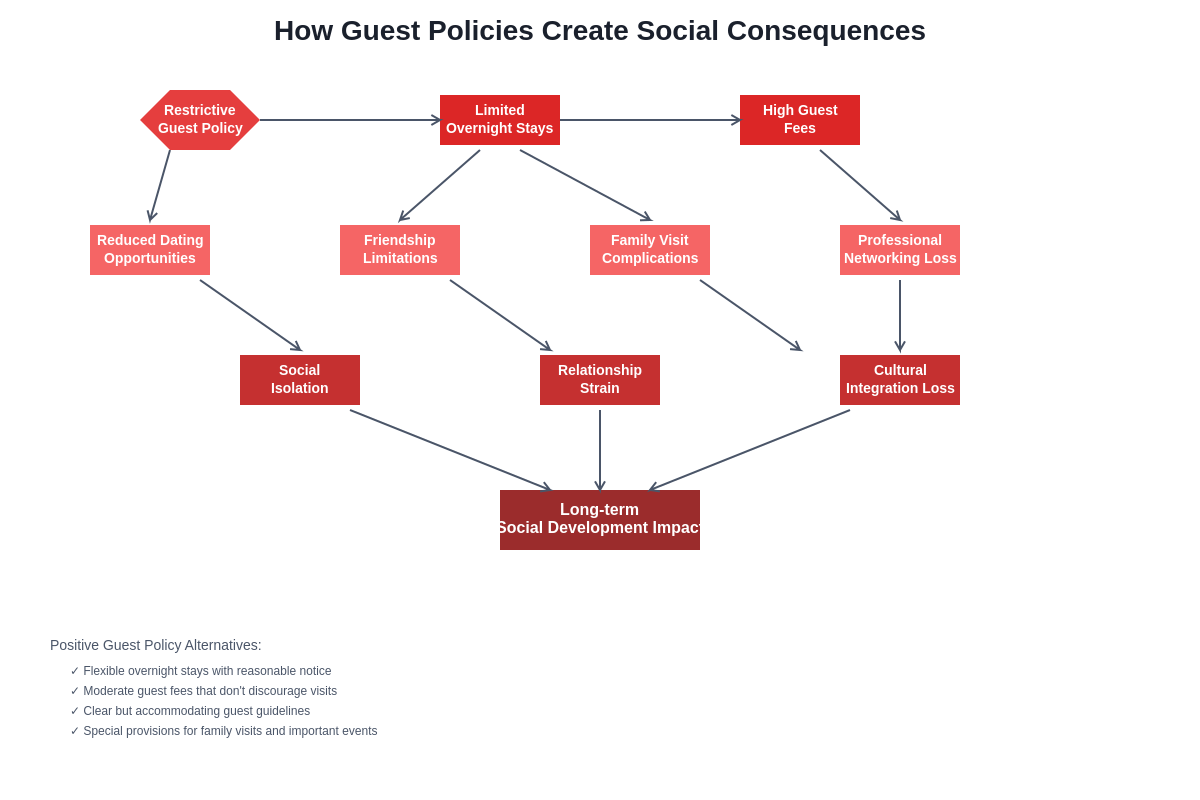
Career networking patterns established during sharehouse living can have lasting professional implications, particularly for international residents who plan to build long-term careers in Japan. Limited professional networking opportunities during formative career years can create disadvantages that persist throughout professional development.
Cultural integration experiences missed due to guest policy restrictions may create gaps in cultural understanding and relationship building that become difficult to remedy later. The social skills and cultural competencies developed through diverse social interactions during young adult years often form the foundation for lifelong international relationship building abilities.
Choosing Sharehouses Based on Social Priorities
Evaluating guest policies should be weighted according to individual social priorities and lifestyle goals rather than treated as minor accommodation details. Best Tokyo neighborhoods for sharehouse living can provide context for areas where more flexible housing options may be available.
Single residents prioritizing active dating lives should heavily weight guest policy flexibility in their housing decisions, potentially accepting higher costs or less convenient locations in exchange for social freedom. The long-term relationship implications of restrictive guest policies often outweigh short-term financial savings from cheaper, more restrictive accommodations.
Residents planning extended family visits or maintaining long-distance relationships should prioritize sharehouses with liberal overnight guest policies, even if this requires compromise on other amenities or location preferences. The emotional and relationship costs of restrictive policies often exceed any financial benefits from more affordable but socially limiting housing options.
The balance between community living benefits and individual social freedom requires careful consideration of personal priorities and life stage requirements. How to handle roommate conflicts without moving out provides strategies for managing the social dynamics that arise when guest policies create tension within sharehouse communities.
Understanding how guest policies affect social life represents a crucial component of successful sharehouse selection and community integration. The seemingly simple rules about visitor access can have profound implications for relationship development, cultural integration, professional networking, and overall quality of life during the Tokyo living experience. Careful evaluation of these policies and their alignment with personal social goals can prevent significant disappointment and ensure that shared living arrangements enhance rather than limit social development and relationship building opportunities.
Disclaimer
This article is for informational purposes only and does not constitute professional advice. Guest policies and their enforcement vary significantly between sharehouses and may change over time. Readers should verify current guest policies directly with sharehouse operators and consider their individual social needs when making housing decisions. The experiences described may not reflect all sharehouse situations, and individual results may vary based on specific circumstances and housing arrangements.