Homesickness manifests in profoundly different ways when experienced within the intimate confines of shared living spaces, creating a complex emotional landscape that can simultaneously amplify feelings of isolation while providing unexpected sources of comfort and understanding. For international residents living in Tokyo sharehouses, the experience of missing home becomes intertwined with the daily rhythms and social dynamics of communal living, often resulting in emotional patterns that differ dramatically from those experienced in private accommodations.
The psychological impact of homesickness in shared environments operates on multiple levels, influenced by constant exposure to other people’s emotions, cultural celebrations that highlight absence from family traditions, and the paradoxical nature of feeling lonely while surrounded by people. Understanding these unique dynamics becomes essential for international residents navigating the emotional challenges of living abroad while building meaningful connections within their immediate living community.
The Amplified Nature of Homesickness in Communal Settings
Living in shared spaces fundamentally alters how homesickness develops and persists, primarily because the constant presence of other residents creates a continuous mirror for emotional comparison and cultural reflection. Unlike private living situations where homesickness can be processed in complete solitude, sharehouse environments expose residents to daily reminders of their displacement through conversations about home countries, family traditions, and future plans that may not align with permanent settlement in Japan.
The acoustic nature of shared living means that emotional moments become inadvertently public, whether through overheard phone calls home that trigger longing in other residents, crying sessions that prompt concerned inquiries from housemates, or the sounds of others celebrating holidays that emphasize personal absence from family gatherings. Making friends through Tokyo sharehouse communities often involves navigating these emotional vulnerabilities while building supportive relationships.
Common areas become stages where homesickness plays out through cultural food preparation that evokes memories, television programs from home countries that attract gatherings of residents sharing similar backgrounds, and decoration choices that reflect attempts to recreate familiar environments. These communal expressions of cultural identity can either provide comfort through shared experiences or intensify feelings of displacement when cultural differences become prominently displayed.
The temporal rhythm of homesickness in shared spaces follows patterns influenced by house activities, resident turnover, and collective emotional states that can create cascading effects where one person’s homesickness triggers similar feelings in others. Living with Japanese roommates in Tokyo sharehouses adds additional complexity as cultural exchanges highlight differences between home and host country practices.
Cultural Celebration Conflicts and Emotional Triggers
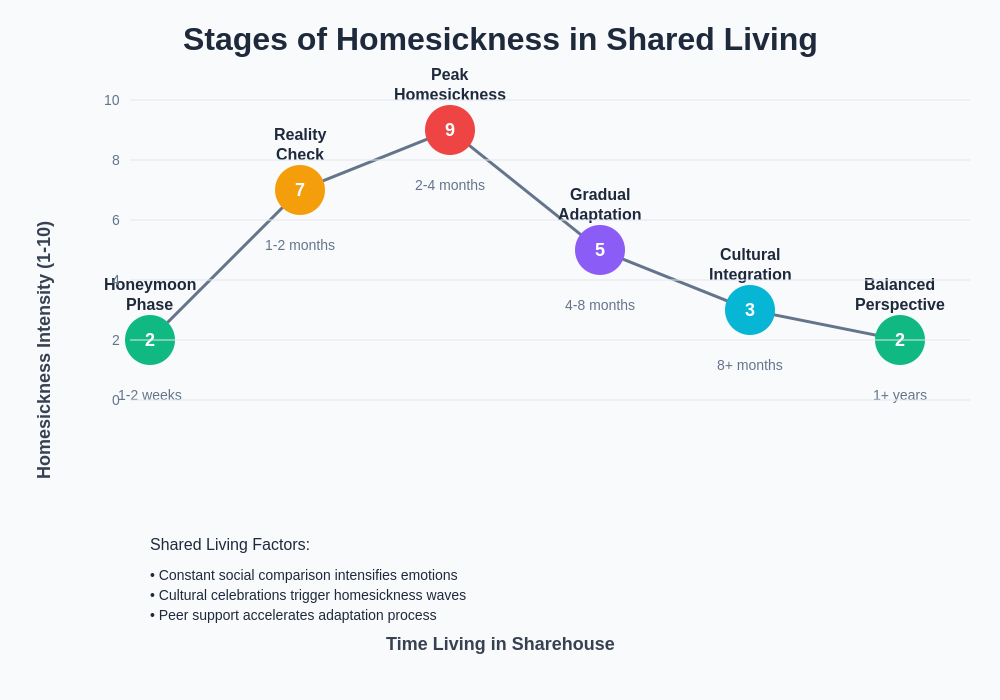
Holiday seasons and cultural celebrations become particularly challenging periods for sharehouse residents experiencing homesickness, as the communal nature of shared living creates unavoidable exposure to other people’s connections with home while highlighting personal absence from familiar traditions. The kitchen calendar filled with international holidays serves as a constant reminder of time passing without family participation, while group celebrations for various cultural events can trigger intense feelings of displacement even when intended to be inclusive and supportive.
Religious observances and cultural practices within sharehouses often create complex emotional dynamics where residents simultaneously appreciate exposure to diverse traditions while feeling acutely aware of missing their own family’s specific ways of marking important occasions. Japanese sharehouse rules every foreigner should know includes understanding how different cultural expressions are accommodated within shared living spaces.
The preparation for cultural celebrations by other residents can intensify homesickness through sensory triggers such as specific cooking smells, music, or decorative elements that evoke memories of similar preparations in family settings. Witnessing the joy and connection others experience during their cultural celebrations often amplifies feelings of loss and disconnection from personal traditions and family bonds.
Seasonal changes in Japan, particularly during significant periods like cherry blossom season, New Year celebrations, or Obon festivals, create collective experiences that can either provide distraction from homesickness or intensify it through comparison with how these seasons are experienced in home countries. The communal participation in Japanese cultural events sometimes helps residents feel more integrated while other times emphasizes their foreign status and temporary presence.
The Paradox of Loneliness Among People
One of the most challenging aspects of homesickness in shared living environments involves the peculiar sensation of feeling profoundly lonely while being constantly surrounded by other people, creating a paradox that can be particularly disorienting for individuals accustomed to processing emotions in private settings. This phenomenon occurs because surface-level social interactions and casual conversations cannot replace the deep emotional connections and cultural understanding that residents miss from their home environments.
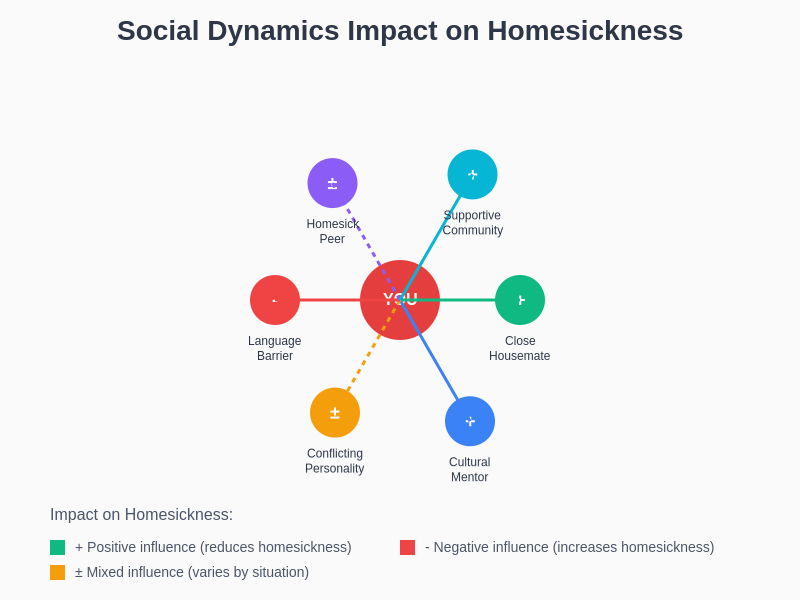
The presence of housemates can actually intensify feelings of isolation when language barriers, cultural differences, or personality mismatches prevent the development of meaningful relationships that could provide emotional support during difficult periods. How to handle roommate conflicts without moving out becomes relevant when homesickness affects interpersonal dynamics and communication patterns.
Shared common areas become spaces of emotional contradiction where residents may feel compelled to maintain cheerful facades while internally struggling with homesickness, leading to additional stress from performance pressure and emotional suppression. The inability to fully express vulnerability or seek comfort due to cultural norms or personal privacy preferences can exacerbate feelings of alienation and emotional isolation.
Evening hours often represent the most challenging periods for homesickness in shared spaces, as the transition from daytime social interactions to nighttime solitude occurs within an environment where other people’s presence is constantly felt through sounds, lights, and activities. The knowledge that others are nearby but emotionally inaccessible can intensify feelings of loneliness compared to complete solitude in private accommodations.
Unexpected Sources of Comfort and Understanding
Despite the challenges that shared living presents for managing homesickness, many residents discover unexpected sources of comfort and understanding that emerge from the communal nature of their living situation. Fellow international residents often possess intuitive understanding of homesickness experiences, having navigated similar emotional challenges and cultural adjustments that create foundations for empathy and mutual support.
Spontaneous conversations with housemates frequently reveal shared experiences of missing family events, struggling with cultural adaptation, or feeling uncertain about future plans, leading to connections that provide validation and emotional relief. These informal support networks develop organically through shared meals, late-night conversations, and casual interactions that create opportunities for emotional expression and mutual understanding.
The diversity of cultural backgrounds within sharehouses often provides exposure to different coping strategies and perspectives on homesickness, offering residents multiple approaches to managing emotional challenges and reframing their experiences in more positive ways. Real stories from Tokyo sharehouse residents frequently highlight how peer support systems develop naturally within communal living environments.
Collective activities such as group cooking sessions, movie nights, or exploration of Tokyo neighborhoods can provide distraction from homesickness while creating new positive memories and experiences that gradually build emotional attachment to the current living situation. These shared experiences often develop into meaningful friendships that extend beyond the sharehouse environment and provide lasting emotional support.
Communication Challenges During Emotional Vulnerability
The process of expressing and managing homesickness becomes significantly more complex in multilingual sharehouse environments where residents must navigate emotional communication across language barriers and cultural differences in emotional expression. The inability to articulate complex feelings in a second language can intensify frustration and isolation during periods of emotional vulnerability.
Cultural variations in emotional expression and support-seeking behaviors create additional challenges when residents from different backgrounds attempt to provide or receive comfort during homesick episodes. Some cultures emphasize stoic emotional management while others encourage open expression, leading to misunderstandings and inappropriate responses that can worsen emotional distress.
The public nature of shared living spaces means that emotional conversations often occur in languages that some residents cannot understand, creating feelings of exclusion and highlighting communication barriers that can exacerbate homesickness. How cultural differences affect friendship building explores how these dynamics impact relationship development and emotional support systems.
Phone calls and video chats with family become more complicated in shared environments due to privacy concerns, noise considerations, and time zone coordination that must account for house schedules and other residents’ needs. The limitation on private communication with family and friends from home can intensify feelings of disconnection and emotional isolation.
Technology’s Role in Bridging and Widening Emotional Gaps
Modern communication technology creates a double-edged impact on homesickness in shared living environments, simultaneously providing unprecedented connection with home while highlighting the limitations and artificiality of digital relationships. Video calls with family that occur in shared spaces often create awkward dynamics where other residents witness intimate conversations or feel excluded from private moments.
Social media consumption in communal areas exposes residents to constant updates from friends and family at home, creating ongoing reminders of missed events and experiences while also providing vicarious participation in familiar social circles. The timing of social media posts often coincides with periods when residents are engaging with housemates, creating emotional conflicts between present experiences and distant connections.
The shared wifi networks and common areas where technology use occurs mean that emotional reactions to communications from home become more visible to other residents, potentially creating embarrassment or unwanted attention during vulnerable moments. How digital entertainment replaces social interaction examines how technology use patterns affect interpersonal relationships within sharehouses.
The competitive nature of maintaining relationships with multiple time zones while participating in local sharehouse community activities creates additional stress and time management challenges that can intensify homesickness through constant reminder of divided loyalties and attention.
Seasonal Patterns and Environmental Triggers
The cyclical nature of homesickness in shared living environments often follows seasonal patterns that are amplified by communal experiences and collective emotional responses to environmental changes. Cherry blossom season in Tokyo, for example, creates intense cultural experiences that can either provide wonderful distraction from homesickness or intensify feelings of displacement through comparison with spring celebrations in home countries.
Winter months typically present increased challenges for homesickness in sharehouses due to reduced outdoor activities, increased time spent in shared indoor spaces, and seasonal depression that can affect multiple residents simultaneously. The heating and utility costs during winter also create financial stress that can compound emotional difficulties and affect house dynamics.
Summer festivals and outdoor events provide opportunities for positive shared experiences that can help combat homesickness, but they also create scheduling conflicts with family communication times and highlight the temporary nature of residence in Japan. How seasonal demand affects sharehouse prices discusses how external factors influence living situations during emotional transition periods.
The agricultural and cultural rhythms of Japan, such as rice planting seasons, typhoon preparations, and traditional festivals, create shared community experiences that can help residents feel more integrated while simultaneously emphasizing their outsider status and unfamiliarity with local traditions.
Coping Strategies and Adaptation Mechanisms
Successful management of homesickness in shared living environments requires development of specific strategies that account for the communal nature of the living situation while respecting both personal emotional needs and house dynamics. Creating private spaces within shared rooms through strategic furniture arrangement, personal decorations, and scheduled alone time becomes essential for emotional processing and recovery.
Establishing communication routines with family and friends from home that respect house schedules and noise considerations helps maintain important relationships while demonstrating consideration for housemates. The development of ritual practices such as morning exercise, evening journaling, or weekend exploration creates personal stability within the fluid social environment of shared living.
Building genuine relationships with selected housemates who demonstrate empathy and cultural understanding provides emotional support networks that can offer assistance during particularly difficult homesick episodes. How conflict resolution abilities improve discusses skills that develop through navigating emotional challenges in communal settings.
Participation in Tokyo-based communities and activities that align with personal interests creates additional social connections outside the sharehouse environment, reducing dependence on house relationships for emotional support while building broader social networks that enhance overall well-being and cultural integration.
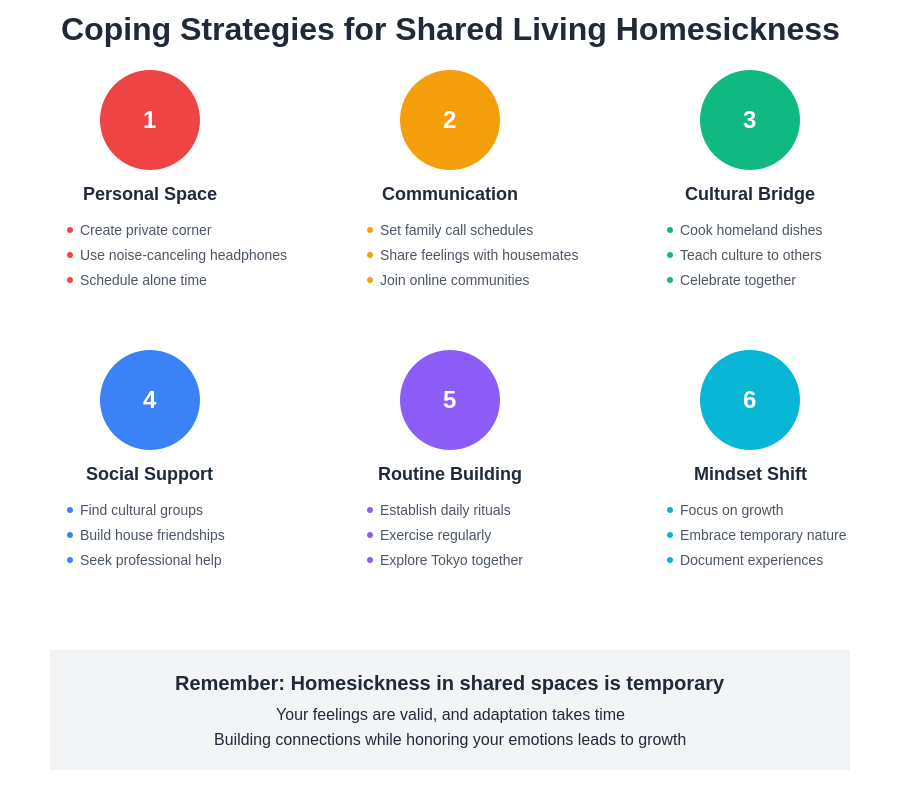
These comprehensive strategies work together to create a support system that acknowledges the unique challenges of experiencing homesickness while living in shared spaces, while building resilience and fostering meaningful connections that can transform the experience from one of isolation to one of growth and community.
Long-term Emotional Development and Growth
The experience of managing homesickness within shared living environments often catalyzes significant personal growth and emotional development that extends far beyond the immediate challenges of cultural adaptation. Residents frequently discover increased emotional resilience, improved communication skills, and enhanced cultural sensitivity that benefit their personal and professional lives long after leaving the sharehouse environment.
The necessity of navigating complex interpersonal dynamics while managing personal emotional challenges develops sophisticated social skills and emotional intelligence that prove valuable in various life contexts. The exposure to diverse perspectives on family relationships, cultural values, and life priorities often leads to expanded worldviews and more flexible approaches to personal decision-making.
Many residents report that the intensity of homesickness experienced in shared environments ultimately strengthens their appreciation for both their home culture and their adopted Japanese experiences, leading to more nuanced understanding of cultural identity and belonging. How cultural sensitivity develops through daily interaction explores these long-term developmental outcomes.
The friendships and support networks developed through shared emotional experiences often become lasting relationships that continue to provide mutual support and cultural exchange long after residents move to different living situations or return to their home countries. These connections frequently influence future travel decisions, career choices, and life perspectives in ways that extend the impact of the sharehouse experience indefinitely.
The journey through homesickness in shared living spaces represents a profound emotional learning experience that teaches residents about resilience, cultural adaptation, and the complex nature of human connection across cultural boundaries. While challenging, this experience often becomes a defining period of personal growth that shapes perspectives on home, belonging, and community for years to come.
Disclaimer
This article is for informational purposes only and does not constitute professional mental health advice. Homesickness experiences vary significantly among individuals, and persistent or severe emotional distress should be addressed with qualified mental health professionals. The strategies and observations discussed may not be suitable for all situations or individuals. Readers experiencing significant emotional difficulties should seek appropriate professional support and consider their specific circumstances when implementing any suggested approaches.