Immigration status changes in Japan create complex legal and practical implications that extend far beyond simple visa paperwork, particularly affecting housing arrangements and lease obligations that many international residents fail to fully comprehend until they face challenging situations. The intersection of immigration law and rental agreements creates a web of responsibilities, restrictions, and potential complications that can significantly impact your ability to maintain stable housing throughout your stay in Japan.
Understanding how various visa transitions affect your sharehouse lease requires navigating multiple layers of Japanese law, administrative procedures, and contractual obligations that operate independently yet intersect in ways that can create unexpected challenges for unprepared residents. The consequences of mismanaging these transitions can range from minor administrative inconveniences to serious legal complications that affect your ability to remain in Japan or secure future housing arrangements.
The Legal Framework of Immigration and Housing
Japanese immigration law operates under strict frameworks that tie residency status directly to various aspects of daily life, including housing arrangements that must be maintained in compliance with both immigration regulations and rental contract requirements. Understanding utility bills in Japanese sharehouses becomes particularly relevant when visa status changes affect your ability to maintain financial obligations and administrative responsibilities.
The relationship between immigration status and housing rights in Japan differs significantly from many other countries, where rental agreements and visa status operate as separate legal entities with minimal interaction. Japanese law requires residents to maintain valid legal status throughout their lease period, creating potential conflicts when visa transitions occur that may affect income, employment authorization, or long-term residency prospects.
Sharehouse operators and property management companies often implement policies that exceed legal requirements, creating additional layers of complexity for residents experiencing immigration status changes. Japanese sharehouse rules every foreigner should know provides essential context for understanding how immigration-related policies interact with standard housing regulations and contractual obligations.
The notification requirements surrounding visa status changes extend beyond immigration authorities to include obligations toward landlords, property managers, and utility providers that must be managed simultaneously to avoid contractual violations or service disruptions. Understanding these interconnected requirements prevents common mistakes that can escalate into serious legal or financial complications.
Visa Transitions and Contractual Obligations
Different types of visa transitions create varying levels of complexity and risk for sharehouse residents, with some changes requiring immediate notification and documentation updates while others may have more flexible accommodation periods. What documents you need for Tokyo sharehouse applications outlines the baseline documentation requirements that become particularly relevant when visa status changes require updated verification.
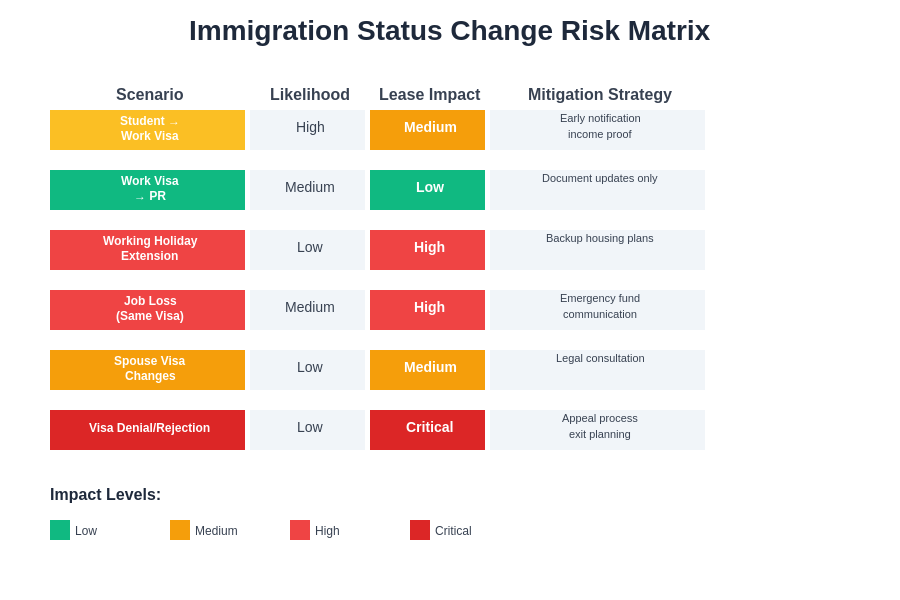
Student visa to work visa transitions represent one of the most common scenarios affecting sharehouse residents, typically involving changes in income verification, employment documentation, and long-term residency prospects that can trigger contract review procedures. These transitions often occur during critical periods such as graduation or job changes when housing stability becomes particularly important for maintaining life stability and professional development.
Working holiday visa extensions or transitions to other visa categories create unique challenges due to the temporary nature of working holiday status and the uncertainty surrounding approval for alternative visa categories. Property managers may view these transitions as increased risk factors that could affect lease renewal decisions or require additional guarantor arrangements to maintain housing security.
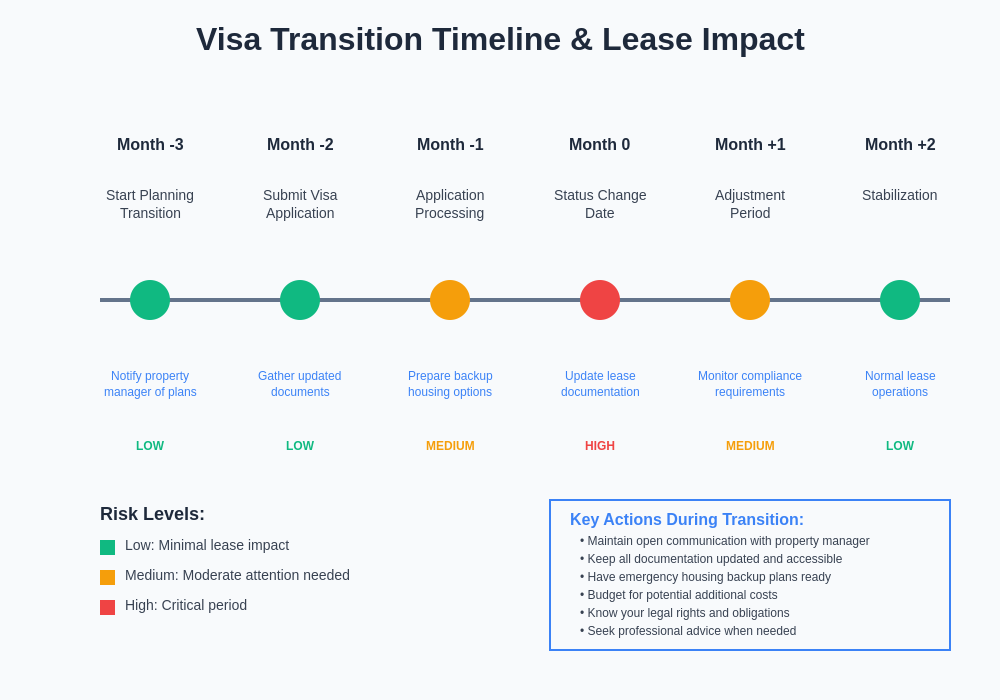
The timing of visa applications relative to lease renewal periods can create complex scenarios where residents must make housing commitments before knowing the outcome of their immigration status applications. Living costs in Tokyo sharehouses explained becomes crucial for budgeting during uncertain transition periods when income or employment authorization may be affected.
Employment Status Changes and Housing Implications
Changes in employment status that accompany visa transitions can significantly affect your ability to meet lease obligations and maintain the financial requirements that property managers use to evaluate tenant reliability and risk. Income verification requirements that were satisfied during initial lease signing may no longer be valid after employment changes, potentially triggering contract review or modification procedures.
Job loss or significant income reduction during visa transition periods creates particularly challenging scenarios where residents must maintain housing payments while potentially losing the employment authorization or income sources that supported their original lease approval. How much Tokyo sharehouses really cost per month provides essential context for understanding the full financial obligations that must be maintained regardless of employment status changes.
Self-employment or freelance work transitions that often accompany certain visa categories can complicate income verification procedures that property managers use to assess ongoing payment ability and lease compliance. The irregular income patterns and complex documentation requirements associated with self-employment may not align with standard property management procedures designed for traditional employment relationships.
The gap periods between employment that commonly occur during visa transitions require careful financial planning and communication with property managers to prevent lease violations or payment difficulties that could affect your housing stability and future rental applications.
Notification Requirements and Administrative Procedures
Japanese law requires residents to notify various authorities and service providers when immigration status changes occur, creating a complex web of administrative obligations that must be managed alongside lease-related communications and documentation updates. The timing and method of these notifications can significantly affect your legal standing and contractual compliance across multiple areas of your life in Japan.
Immigration authorities require prompt notification of address changes, employment status updates, and other life circumstances that may affect your visa status or renewal prospects. Failure to meet these notification requirements can result in administrative penalties or complications that may affect your ability to maintain legal residency and, consequently, your housing arrangements.
Property managers and sharehouse operators typically require notification of visa status changes as part of their risk management procedures, though the specific requirements and timelines may vary significantly between different operators and contract terms. Why contract terms are more important than advertised prices highlights the importance of understanding these obligations before they become urgent requirements.
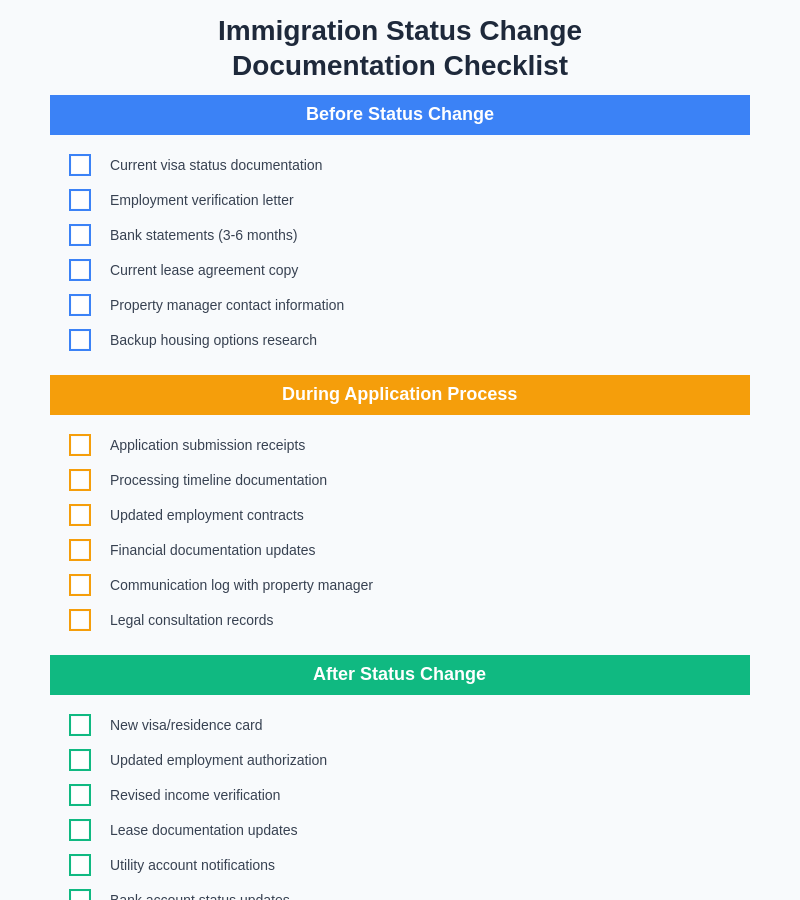
Utility providers, bank accounts, and other service providers may also require documentation updates when visa status changes occur, creating additional administrative burden during already stressful transition periods. Coordinating these various notification requirements requires systematic planning and documentation management to avoid service disruptions or compliance issues.
Financial Implications of Status Changes
Immigration status changes can trigger significant financial implications beyond the obvious costs of visa applications and administrative fees, affecting everything from security deposit requirements to insurance obligations and guarantor arrangements. What security deposits actually cover in sharehouses becomes particularly relevant when considering how status changes might affect existing deposit arrangements or trigger additional security requirements.
Currency exchange considerations become more complex when visa status changes affect your long-term residency prospects or employment authorization, potentially impacting your ability to maintain stable financial arrangements or plan for future housing costs. International money transfer requirements and exchange rate fluctuations can significantly affect your monthly budget during transition periods when income may be uncertain.
Tax obligations and reporting requirements change substantially with different visa categories, affecting your net income and financial planning in ways that can impact your ability to meet lease obligations or qualify for lease renewals. Understanding these tax implications before making visa transition decisions helps prevent financial surprises that could affect your housing stability.
Emergency fund requirements become particularly critical during immigration status transition periods when unexpected costs, application delays, or income disruptions can create financial stress that affects your ability to maintain housing payments and other essential obligations.
Risk Management and Contingency Planning
Developing comprehensive contingency plans for various immigration status transition scenarios helps minimize disruption to your housing arrangements and reduces the stress associated with uncertain outcomes or administrative delays. How to handle roommate conflicts without moving out provides strategies that apply equally to managing housing stability during immigration transitions.
Building relationships with property managers and maintaining open communication about potential status changes can help identify alternative arrangements or accommodations that may be available during transition periods. Proactive communication often produces better outcomes than reactive crisis management when problems arise unexpectedly.
Documentation backup and organization systems become essential for managing the complex paperwork requirements associated with both immigration procedures and lease compliance during status transition periods. Having multiple copies of essential documents and maintaining organized records can prevent delays and complications when urgent documentation is required.
Alternative housing options and backup plans provide essential security during uncertain transition periods when lease renewals or housing arrangements may be affected by immigration status outcomes. Student sharehouses near top Tokyo universities and other specialized housing options may provide temporary or alternative arrangements during transition periods.
Property Manager Perspectives and Policies
Understanding how property managers evaluate immigration status changes helps residents navigate these transitions more effectively and maintain positive relationships with housing providers throughout the process. Property management companies often have internal policies that exceed legal requirements, creating additional considerations for residents planning status transitions.
Risk assessment procedures used by property managers typically consider factors such as visa duration, employment stability, income verification, and long-term residency prospects when evaluating lease renewals or modifications related to immigration status changes. Living with Japanese roommates in Tokyo sharehouses provides insights into cultural considerations that may affect property manager perspectives and decision-making processes.
Communication strategies that emphasize stability, preparation, and proactive planning tend to produce more favorable responses from property managers when residents need accommodations or modifications related to immigration status changes. Demonstrating awareness of the complexities involved and presenting clear plans for managing transition challenges helps build confidence in your ability to maintain lease obligations.
The timing of communications with property managers can significantly affect their willingness to provide flexibility or accommodations during immigration transitions, with early notification generally producing better outcomes than last-minute requests for assistance or modifications.
Legal Rights and Protections
Understanding your legal rights during immigration status transitions helps protect against discriminatory practices or unreasonable demands that may exceed what property managers can legally require or enforce. Best Tokyo neighborhoods for sharehouse living includes considerations about areas with more international-friendly property management practices and tenant protection resources.
Anti-discrimination laws in Japan provide certain protections for foreign residents experiencing immigration status changes, though these protections may be limited and require specific knowledge to invoke effectively. Understanding the boundaries between legitimate business requirements and discriminatory practices helps residents advocate for fair treatment during vulnerable transition periods.
Lease termination procedures and early departure options become particularly relevant when immigration status changes make it impossible to complete lease terms or maintain ongoing housing arrangements. What moving out really costs in Tokyo sharehouses provides essential information for residents who may need to terminate leases due to immigration status complications.
Consumer protection resources and tenant advocacy organizations can provide valuable support for residents facing unreasonable demands or discriminatory treatment related to immigration status changes, though accessing these resources may require language skills and cultural knowledge that many international residents lack.
Long-term Strategic Considerations
Immigration status planning that considers housing implications from the beginning of your Japan residence helps prevent many of the complications that arise when transitions occur without adequate preparation. Understanding how different visa pathways affect housing options and lease requirements enables better strategic decision-making throughout your stay in Japan.
Career development decisions that affect visa status should include consideration of housing implications and the potential need for lease modifications or alternative arrangements during transition periods. The interconnected nature of employment, immigration status, and housing stability requires integrated planning that addresses all three areas simultaneously.
Relationship building with property managers, housemates, and community resources creates support networks that can provide valuable assistance during immigration transitions when formal systems may be inadequate or slow to respond to urgent needs. Making friends through Tokyo sharehouse communities offers strategies for building these essential support networks.
Future housing planning should account for the possibility of immigration status changes and the potential need for different types of accommodations or lease arrangements as your legal status and life circumstances evolve throughout your time in Japan.
The complexity of managing immigration status changes while maintaining stable housing arrangements in Japan requires careful planning, proactive communication, and thorough understanding of both legal requirements and practical implications. Success in navigating these challenges depends largely on preparation, relationship building, and maintaining flexibility while working within the constraints of Japanese immigration and rental law systems that may not always align with the realities of international resident experiences.
Disclaimer
This article is for informational purposes only and does not constitute legal advice. Immigration law and rental regulations in Japan are complex and subject to change. Readers should consult with qualified legal professionals, immigration specialists, and housing experts when dealing with specific situations involving immigration status changes and lease obligations. The effectiveness of strategies mentioned may vary depending on individual circumstances, specific visa categories, and local regulations.