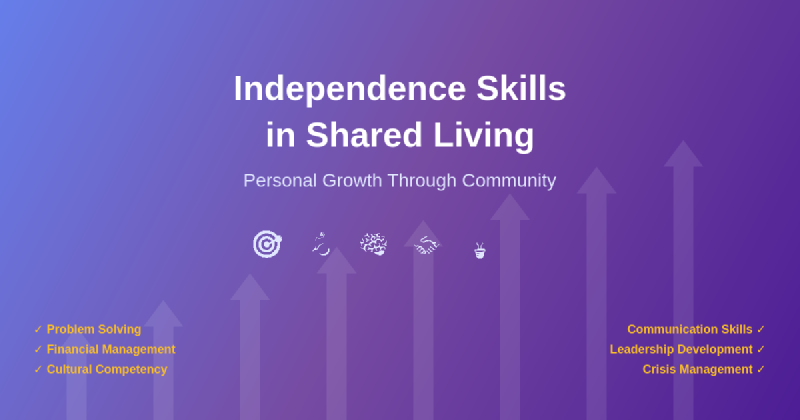
The journey toward true independence takes on unique dimensions when experienced within the dynamic environment of shared living spaces. Unlike the solitary path of living alone or the safety net of family support, sharehouse living creates a distinctive laboratory for personal development where independence skills emerge through daily interactions, cultural exchanges, and the necessity of navigating complex social dynamics while maintaining individual autonomy.
The accelerated development of independence skills in shared living environments stems from the constant balance between personal responsibility and community consideration. This unique setting challenges residents to become self-reliant while simultaneously learning to coexist harmoniously with diverse personalities, cultural backgrounds, and lifestyle preferences that would never intersect in traditional living arrangements.
The Foundation of Practical Life Skills
Shared living environments serve as intensive training grounds for essential life skills that many individuals never fully develop in protected family environments or isolated solo living situations. Living costs in Tokyo sharehouses explained demonstrates how financial responsibility becomes a cornerstone of independence development, requiring residents to master budgeting, expense tracking, and resource allocation within the constraints of shared resources and community obligations.
The daily necessity of meal preparation in shared kitchens transforms cooking from an optional skill into a fundamental independence requirement. Residents must learn to plan meals efficiently, coordinate kitchen usage with multiple housemates, maintain cleanliness standards that affect the entire community, and adapt cooking techniques to limited storage space and shared equipment availability.
Time management skills develop organically as residents navigate the scheduling complexities of shared bathrooms, laundry facilities, and common areas. The inability to monopolize resources forces individuals to develop planning capabilities, flexibility, and consideration for others while ensuring their personal needs remain met within community constraints.
Financial Independence Through Shared Responsibility
The economic structure of sharehouse living creates unique opportunities for developing sophisticated financial independence skills that extend far beyond simple rent payment obligations. How to budget realistically for sharehouse living illustrates how residents learn to navigate complex shared expense systems, utility cost allocation, and group purchasing decisions that require negotiation, compromise, and transparent financial communication.
Residents develop advanced budgeting skills through exposure to variable monthly expenses that fluctuate based on community consumption patterns, seasonal utility variations, and shared household purchases. This unpredictability teaches adaptive financial planning and emergency fund management that proves invaluable in future independent living situations.
The collaborative aspect of shared expenses introduces residents to concepts of financial transparency, accountability, and collective decision-making that mirror professional and family financial responsibilities. Learning to discuss money matters openly, track shared expenses accurately, and resolve financial disagreements diplomatically builds confidence and competency in financial communication skills.
Cultural Competency and Social Independence
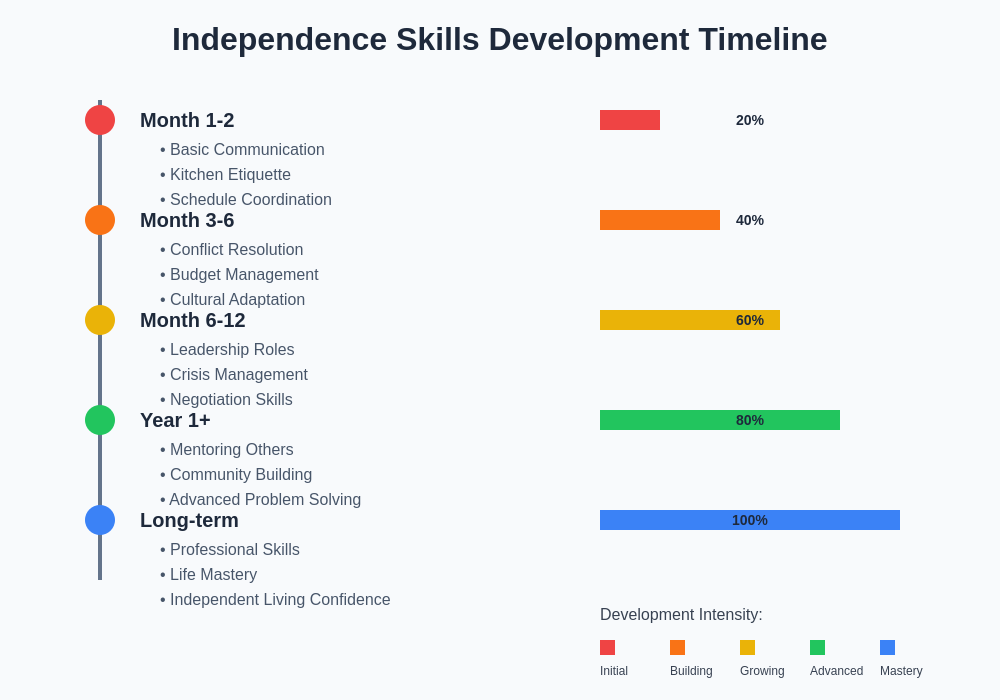
The multicultural environment typical of international sharehouses accelerates the development of cultural competency and social independence skills that would take years to acquire through traditional cultural exposure methods. Living with Japanese roommates in Tokyo sharehouses demonstrates how daily cross-cultural interactions build confidence in navigating unfamiliar social situations and communication styles.
Residents develop sophisticated interpersonal skills through constant exposure to different communication patterns, conflict resolution approaches, and social expectations that vary dramatically across cultural backgrounds. This exposure builds adaptability and reduces social anxiety in unfamiliar environments, creating confidence to engage with diverse communities throughout life.
The necessity of maintaining relationships with housemates while preserving personal boundaries teaches essential social independence skills including assertiveness, diplomatic communication, and the ability to stand firm on personal values while respecting different perspectives and lifestyle choices.
Problem-Solving and Decision-Making Autonomy
Shared living environments present constant streams of problems that require independent thinking and decisive action within community contexts. How to handle roommate conflicts without moving out explores how residents develop sophisticated problem-solving skills through exposure to interpersonal challenges that require creative solutions and diplomatic implementation.
The complexity of group dynamics in sharehouses teaches residents to analyze situations from multiple perspectives, identify underlying causes of problems rather than surface symptoms, and develop solutions that consider various stakeholder interests while maintaining personal integrity and objectives.
Daily decision-making in shared environments builds confidence in autonomous judgment while teaching the importance of considering broader implications of personal choices. Residents learn to balance individual preferences with community impact, developing sophisticated decision-making frameworks that serve them throughout life.
Emotional Intelligence and Self-Reliance
The emotional challenges inherent in shared living accelerate the development of emotional intelligence and psychological self-reliance that forms the foundation of true independence. Residents must learn to manage their emotional responses to various triggers including noise, cleanliness standards, social dynamics, and cultural differences without relying on external intervention or escape mechanisms.
The constant exposure to different personality types and emotional expressions teaches residents to recognize and respond appropriately to various emotional states while maintaining their own emotional equilibrium. This builds resilience and reduces dependence on specific environmental conditions for emotional stability.
Living in close quarters with others while maintaining personal emotional health requires developing strong self-awareness, emotional regulation skills, and the ability to seek appropriate support when needed without becoming overly dependent on housemates for emotional stability or validation.
Communication and Negotiation Mastery
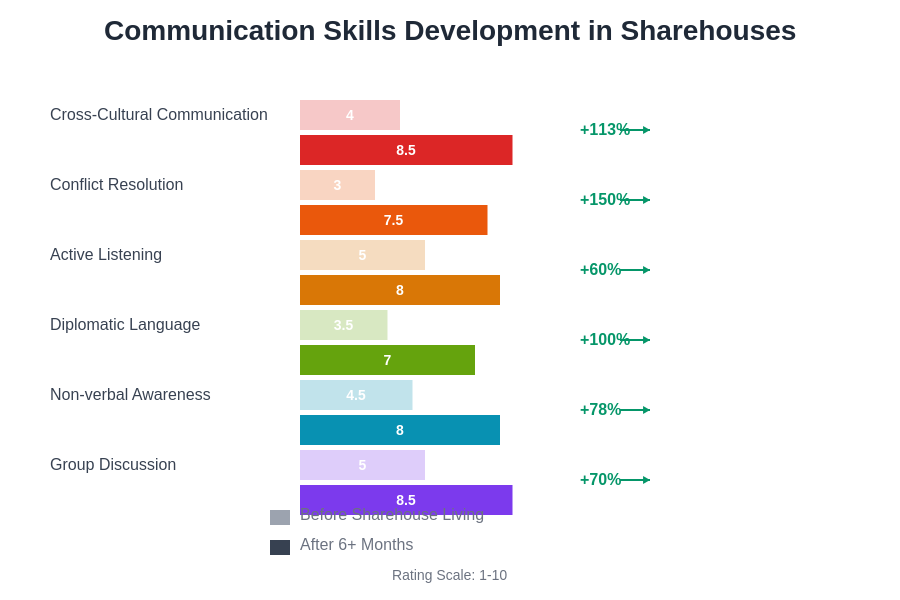
The necessity of clear communication in shared living environments develops sophisticated verbal and non-verbal communication skills that prove invaluable in professional and personal contexts throughout life. Japanese sharehouse rules every foreigner should know illustrates how navigating cultural communication differences builds adaptability and sensitivity in various communication contexts.
Residents develop advanced negotiation skills through daily interactions involving resource allocation, schedule coordination, cleanliness standards, and social activities. Learning to advocate for personal needs while considering community interests builds confidence in professional and personal negotiation situations.
The multicultural environment of many sharehouses requires residents to adapt communication styles to different cultural contexts, language proficiency levels, and social expectations. This flexibility in communication approach builds confidence in diverse social and professional environments.
Resource Management and Efficiency
Shared living environments teach sophisticated resource management skills that extend far beyond simple conservation concepts. Residents learn to maximize utility from limited personal space, shared equipment, and community resources while maintaining respect for others’ property and needs.
The constraints of shared storage space force residents to develop minimalist approaches to possessions, learning to distinguish between essential and non-essential items while maintaining personal comfort and functionality. These skills prove invaluable in future living situations regardless of space or budget constraints.
Energy and utility conservation becomes a natural part of daily routine as residents see direct connections between consumption patterns and monthly costs. This awareness builds lifelong habits of efficiency and environmental consciousness that contribute to personal financial health and broader sustainability goals.
Leadership and Initiative Development
The informal leadership opportunities that emerge in sharehouse communities provide residents with low-stakes environments for developing leadership skills and taking initiative in group settings. Making friends through Tokyo sharehouse communities demonstrates how natural leadership roles emerge through community organization and problem-solving activities.
Residents who take initiative in organizing house activities, mediating conflicts, or improving community systems develop confidence in leadership abilities while learning to motivate others, delegate responsibilities, and manage group dynamics effectively.
The voluntary nature of sharehouse leadership opportunities allows residents to experiment with different leadership styles and approaches while receiving immediate feedback from community members. This experimentation builds self-awareness about personal leadership strengths and areas for development.
Crisis Management and Adaptability
Shared living environments expose residents to various crisis situations that require independent thinking and rapid adaptation to changing circumstances. From emergency repairs and utility outages to interpersonal conflicts and unexpected departures, residents develop crisis management skills through real-world experience rather than theoretical learning.
The inability to completely control their living environment teaches residents to adapt quickly to changing conditions while maintaining personal stability and continuing to meet their responsibilities and commitments. This adaptability proves invaluable in professional environments and future living situations.
Learning to maintain personal routines and goals despite external disruptions builds resilience and self-reliance that reduces anxiety about future uncertainty and increases confidence in handling unexpected challenges throughout life.
Professional Skill Translation
The skills developed in sharehouse living environments translate directly to professional competencies that enhance career prospects and workplace effectiveness. Student sharehouses near top Tokyo universities shows how students develop professional skills through daily community management experiences.
Project management skills emerge naturally through coordinating shared activities, managing group purchases, and organizing community events. These experiences provide concrete examples of planning, execution, and evaluation skills that employers value across various industries.
The diplomatic and conflict resolution skills developed through managing interpersonal challenges in shared living translate directly to team collaboration, client relationship management, and workplace communication responsibilities that form the foundation of professional success.
Long-term Independence Preparation
The comprehensive skill development that occurs in sharehouse environments creates a solid foundation for long-term independent living that extends far beyond the immediate shared living experience. Residents develop realistic understanding of the costs, responsibilities, and daily management requirements of independent living while building confidence in their ability to handle these challenges successfully.
The social network and support systems developed in sharehouse communities often provide ongoing resources and connections that support continued independence development throughout major life transitions including career changes, relationship developments, and geographic relocations.
The self-awareness gained through navigating shared living challenges helps residents make informed decisions about future living arrangements, relationship choices, and career directions based on realistic understanding of their personal needs, capabilities, and preferences.
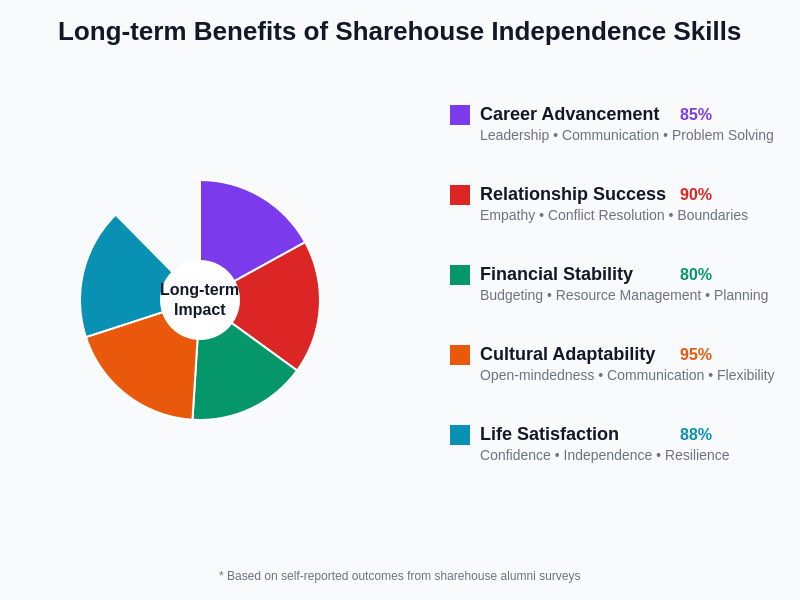
The transformative impact of shared living on independence development creates lasting benefits that extend throughout residents’ lives, building confidence, competency, and self-reliance that enable successful navigation of future challenges and opportunities with greater ease and effectiveness.
Disclaimer
This article is for informational purposes only and reflects general observations about shared living experiences. Individual development varies significantly based on personal circumstances, house dynamics, and individual commitment to growth. The experiences described may not apply to all shared living situations, and readers should consider their specific circumstances when evaluating potential benefits of shared living arrangements.