Individual environmental choices within Tokyo sharehouses create profound ripple effects that extend far beyond personal satisfaction, fundamentally altering group dynamics, financial structures, and community relationships in ways that residents rarely anticipate. The interconnected nature of shared living amplifies the impact of every sustainability decision, transforming seemingly minor personal preferences into community-wide initiatives or sources of tension that can define the entire living experience for all residents.
The complexity of environmental decision-making in sharehouse settings reveals the delicate balance between individual values and collective harmony, where personal choices about consumption, waste management, energy usage, and resource conservation become shared experiences that influence daily routines, monthly expenses, and long-term community culture. Understanding these dynamics becomes essential for residents who wish to maintain their environmental principles while fostering positive relationships with housemates who may hold different priorities or awareness levels.
The Amplification Effect of Shared Living Spaces
Environmental choices in sharehouses operate under a unique amplification principle where individual decisions become magnified through shared infrastructure, common areas, and collective resource systems. When one resident commits to reducing plastic consumption, their choice immediately affects kitchen storage, shopping coordination, and waste disposal patterns that impact every household member’s daily routines and convenience levels.
The shared nature of utilities, appliances, and living spaces means that environmentally conscious choices by some residents can create cascading benefits for the entire household, while environmentally negligent behaviors can similarly multiply their negative impact across the community. Understanding utility bills in Japanese sharehouses becomes particularly relevant when considering how individual energy conservation efforts translate into tangible financial benefits for all residents.
Kitchen facilities represent the most visible arena where individual environmental choices create immediate group impacts, as decisions about organic purchasing, food waste reduction, and packaging alternatives directly influence shared storage space, cleaning responsibilities, and overall household efficiency. The introduction of composting systems, reusable container requirements, or specialized recycling protocols by environmentally motivated residents often transforms the entire household’s relationship with food consumption and waste management.
Water and energy conservation practices initiated by individual residents frequently inspire broader household adoption when the benefits become apparent through reduced utility costs and improved living conditions. Simple changes such as shorter shower times, energy-efficient appliance usage, and mindful heating and cooling practices can significantly impact monthly expenses while creating awareness among less environmentally conscious housemates about the financial advantages of sustainable living.
Financial Implications of Environmental Consciousness
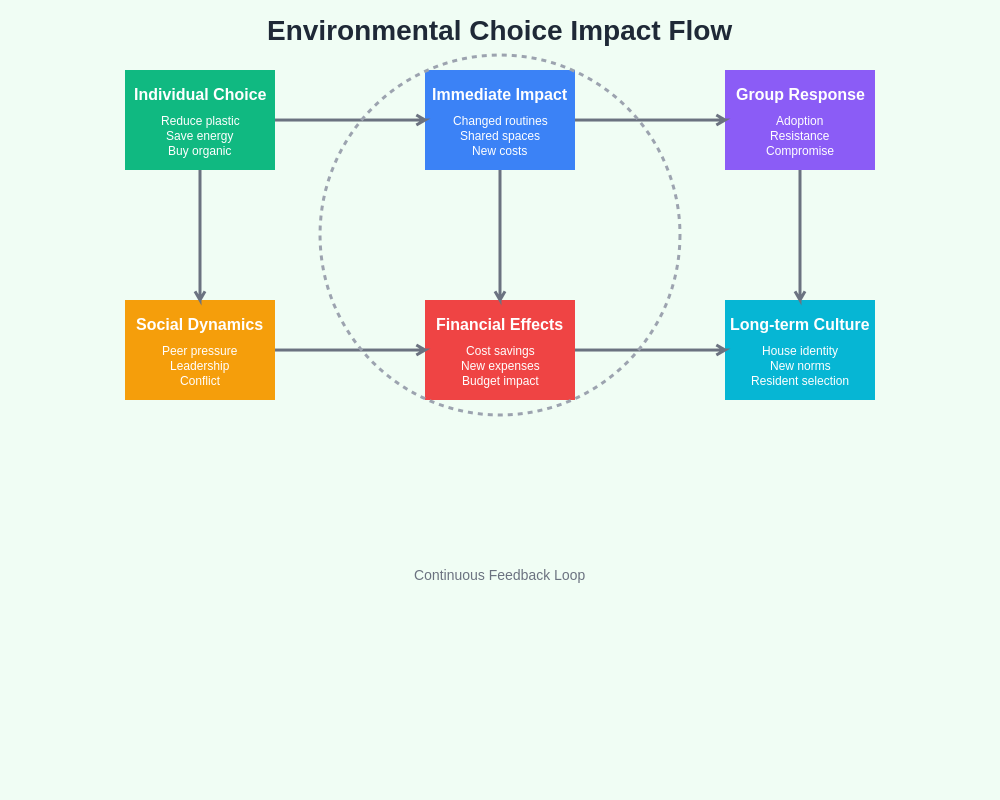
Environmental choices in sharehouse settings create immediate financial consequences that affect all residents, regardless of their personal commitment to sustainability principles. Living costs in Tokyo sharehouses explained provides context for understanding how environmental decisions can significantly alter monthly expense distributions and budget planning requirements.
Energy conservation initiatives such as LED light conversion, programmable thermostat usage, and appliance efficiency improvements often require initial investments that must be negotiated among residents with varying financial capabilities and environmental priorities. The tension between upfront costs for sustainable improvements and long-term savings creates complex decision-making scenarios that test community cooperation and financial planning skills.
Organic food purchasing, eco-friendly cleaning products, and sustainable household items typically carry premium prices that can strain household budgets when individual residents advocate for community-wide adoption. How group buying power reduces individual costs becomes particularly relevant when environmentally conscious residents seek to minimize the financial burden of sustainable choices through coordinated purchasing strategies.
The implementation of environmental initiatives often reveals disparities in residents’ willingness to prioritize sustainability over convenience or cost savings, creating situations where some household members feel pressured to contribute financially to initiatives they do not personally value. These conflicts require careful negotiation and compromise to maintain community harmony while respecting individual financial constraints and environmental values.
Social Dynamics and Peer Influence Patterns
Environmental consciousness in sharehouses operates through complex social influence networks where individual choices can inspire community-wide adoption or create divisions based on perceived judgment, inconvenience, or value differences. The visibility of environmental choices in shared living spaces makes it impossible for residents to maintain completely private sustainability practices, leading to various forms of social pressure and behavioral modification.
Residents who demonstrate consistent environmental consciousness often become informal leaders in sustainability initiatives, with their choices serving as examples that gradually influence housemate behaviors through daily observation and interaction. Making friends through Tokyo sharehouse communities explores how shared values, including environmental consciousness, can strengthen community bonds and create lasting relationships.
The introduction of new environmental practices by individual residents can create temporary social tension as established routines are disrupted and housemates must adapt to changed expectations around waste disposal, energy usage, and resource conservation. These adjustment periods often reveal underlying personality differences and communication styles that extend beyond environmental issues to influence overall community dynamics.
Cultural differences regarding environmental responsibility add another layer of complexity to sharehouse dynamics, as residents from different countries bring varying levels of environmental awareness, recycling habits, and conservation practices that must be negotiated and integrated into household routines. Living with Japanese roommates in Tokyo sharehouses provides insights into navigating these cross-cultural environmental perspectives.
Practical Implementation Challenges and Solutions
The translation of individual environmental values into practical sharehouse implementations faces numerous logistical challenges that require creative problem-solving and community cooperation. Space limitations in Tokyo sharehouses often constrain the implementation of comprehensive recycling systems, composting initiatives, or bulk storage solutions that environmentally conscious residents desire to establish.
Communication barriers frequently emerge when environmentally motivated residents attempt to introduce new systems without adequate consultation or explanation, leading to confusion, resistance, or passive non-compliance that undermines the effectiveness of sustainability initiatives. Japanese sharehouse rules every foreigner should know includes insights about establishing new household protocols that respect cultural expectations and community decision-making processes.
Time constraints and varying schedules among residents create challenges for maintaining consistent environmental practices such as coordinated shopping for bulk items, shared meal preparation using sustainable ingredients, or collective participation in recycling and waste management routines. The success of environmental initiatives often depends on finding systems that accommodate different lifestyle patterns and commitment levels.
Educational approaches that focus on practical benefits rather than moral imperatives tend to achieve greater success in encouraging widespread adoption of environmental practices among diverse resident populations. Demonstrating cost savings, convenience improvements, and health benefits helps build support for environmental initiatives among residents who may not be naturally inclined toward sustainability consciousness.
Long-term Community Culture Development
Individual environmental choices gradually shape the overall culture and identity of sharehouse communities, creating lasting impacts that influence future resident selection, house rules development, and community standards that persist beyond the tenure of original environmental advocates. Best Tokyo neighborhoods for sharehouse living often includes considerations about community values and environmental consciousness when evaluating different areas and housing options.
Houses that successfully integrate environmental consciousness into their community culture often attract like-minded residents who appreciate and contribute to sustainability initiatives, creating positive feedback loops that strengthen environmental practices over time. These communities may develop reputations for environmental leadership that influence their marketing appeal and resident retention rates.
The establishment of environmental standards and expectations within sharehouse communities can create challenges for residents who do not share these values, potentially leading to social pressure, exclusion, or early departures that affect household stability and financial arrangements. Balancing environmental goals with inclusive community building requires ongoing attention and diplomatic communication skills.
Long-term residents who have successfully implemented environmental initiatives often become unofficial mentors for new arrivals, sharing knowledge about local recycling systems, sustainable shopping options, and energy conservation techniques that help integrate newcomers into established environmental practices. How to find the perfect sharehouse in Tokyo includes considerations about matching personal values with community culture during the selection process.
Conflict Resolution and Compromise Strategies
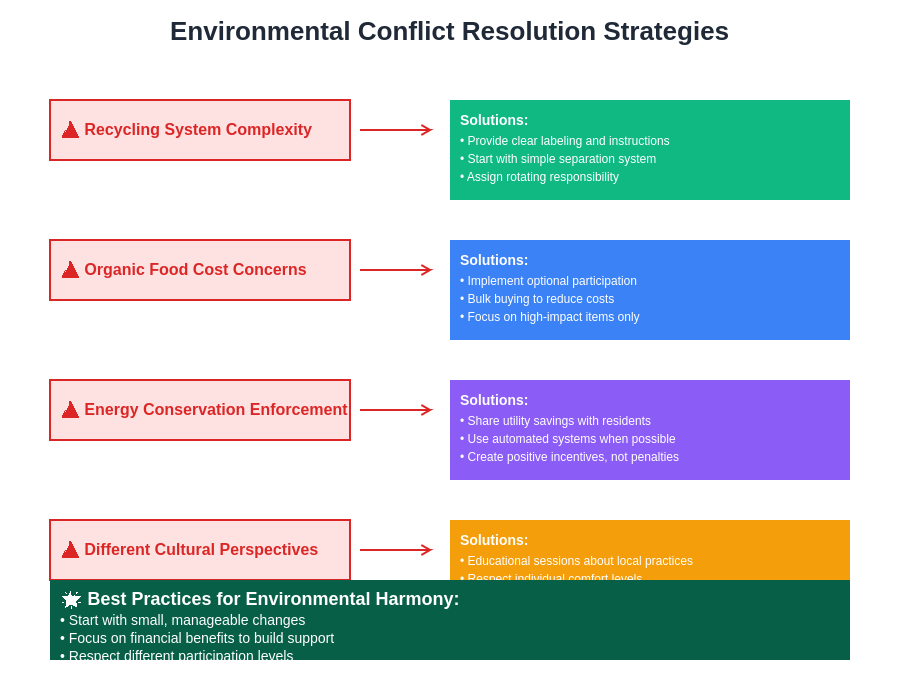
Environmental differences among sharehouse residents require sophisticated conflict resolution approaches that respect individual values while maintaining community harmony and practical functionality. How to handle roommate conflicts without moving out provides broader frameworks that apply specifically to environmental disagreements and value-based conflicts.
Successful resolution of environmental conflicts often involves creating tiered participation systems where residents can contribute to sustainability initiatives at levels that match their comfort, financial capacity, and value alignment without feeling pressured or excluded. These systems might include optional participation in bulk purchasing, voluntary energy conservation challenges, or graduated waste reduction goals.
Educational initiatives that focus on practical benefits and cost savings rather than moral arguments tend to reduce resistance and build broader support for environmental practices among residents with varying levels of environmental consciousness. Sharing information about local recycling systems, energy efficiency benefits, and health advantages of sustainable choices helps build informed consensus.
The establishment of clear guidelines and expectations regarding environmental practices helps prevent conflicts by ensuring that all residents understand household standards and their individual responsibilities before commitments are made. These guidelines should be flexible enough to accommodate different participation levels while maintaining core community standards.
Economic and Social Benefits of Collective Environmental Action
When individual environmental choices successfully influence group adoption, sharehouses can achieve significant economic and social benefits that extend beyond simple cost savings to include improved community relationships, enhanced quality of life, and increased household stability. How much Tokyo sharehouses really cost per month demonstrates how environmental initiatives can substantially reduce monthly living expenses through coordinated conservation efforts.
Collective environmental action often strengthens community bonds as residents work together toward shared goals, participate in collaborative projects, and develop mutual respect for different contributions to household sustainability. These shared experiences create positive memories and relationships that extend beyond environmental issues to improve overall community satisfaction and retention rates.
The development of environmental expertise within sharehouse communities creates valuable knowledge resources that benefit all residents through shared learning about local sustainability options, cost-effective conservation techniques, and practical implementation strategies. This knowledge sharing reduces individual research time while building community competence in environmental management.
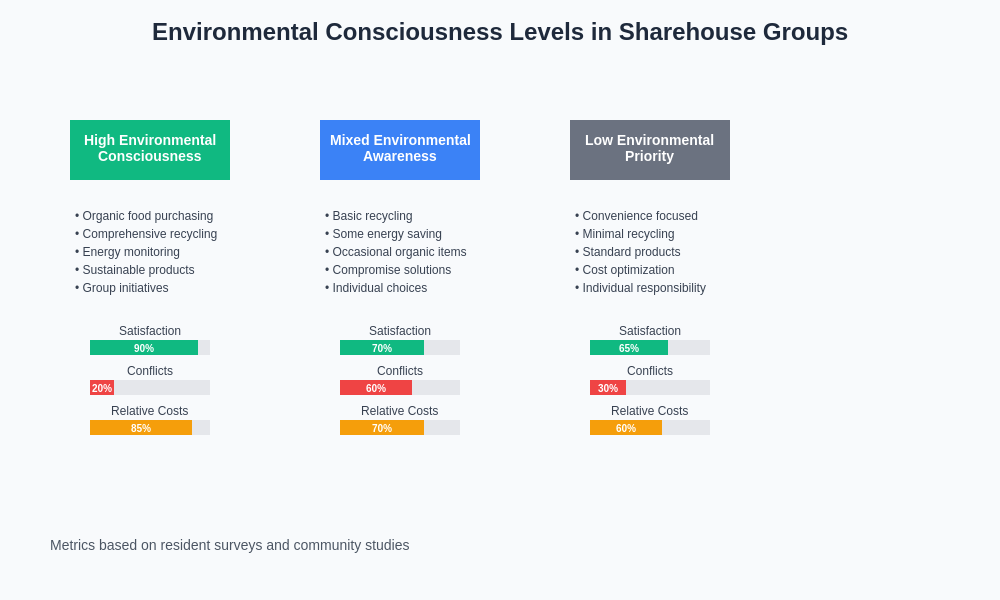
Group environmental initiatives can enhance the social reputation and attractiveness of sharehouse communities, potentially improving resident quality and reducing turnover rates as environmentally conscious individuals seek out communities that align with their values. Real stories from Tokyo sharehouse residents often highlight environmental initiatives as significant factors in community satisfaction and long-term residency decisions.
Future Implications and Evolving Awareness
The growing environmental consciousness among Tokyo residents, particularly younger demographics and international communities, suggests that environmental considerations will become increasingly important factors in sharehouse selection and community development. Individual choices that initially seem personal or marginal may become community standards as awareness and expectations evolve.
Climate change concerns and resource scarcity issues are likely to make environmental consciousness a more practical necessity rather than an optional lifestyle choice, potentially reducing conflicts between environmentally motivated and convenience-focused residents as external pressures increase the urgency of sustainable practices.
The integration of smart home technologies and environmental monitoring systems in modern sharehouses may provide new tools for individuals to track and optimize their environmental impact while contributing to community-wide conservation efforts. These technological solutions could reduce the friction associated with implementing environmental initiatives while providing clear feedback about collective progress.
The influence of individual environmental choices on group dynamics will continue to evolve as sustainability becomes more mainstream and affordable, potentially reducing the social and economic barriers that currently create tension around environmental initiatives in shared living environments. Understanding these dynamics remains essential for creating harmonious communities that balance individual values with collective well-being while contributing positively to broader environmental goals.
Disclaimer
This article is for informational purposes only and does not constitute professional environmental or financial advice. Environmental practices and their effectiveness may vary depending on specific circumstances, local regulations, and community dynamics. Readers should research local environmental policies and consult with relevant authorities when implementing sustainability initiatives in shared living situations. The impact of environmental choices on group dynamics may vary significantly based on individual personalities, cultural backgrounds, and community structures.