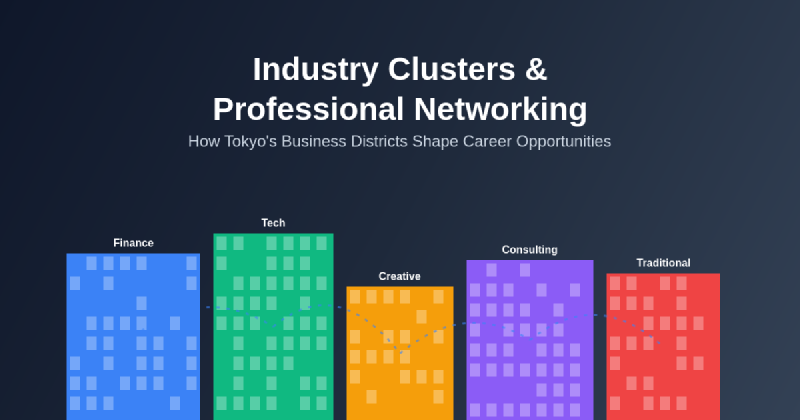
Tokyo’s intricate web of industry clusters creates a unique professional ecosystem that profoundly influences networking opportunities, career trajectories, and social dynamics within the city’s sharehouse communities. The concentration of specific industries in particular districts has evolved over decades, creating invisible networks of professionals who share similar challenges, aspirations, and lifestyle patterns that directly impact their choice of accommodation and living arrangements throughout the metropolitan area.
Understanding how these industry clusters function and their impact on professional relationships becomes essential for international residents seeking to maximize their career potential while living in sharehouses. The proximity to industry hubs, the concentration of like-minded professionals, and the informal networking opportunities that emerge from shared living situations create powerful synergies that can accelerate professional development in ways that traditional apartment living simply cannot match.
The Geography of Tokyo’s Professional Networks
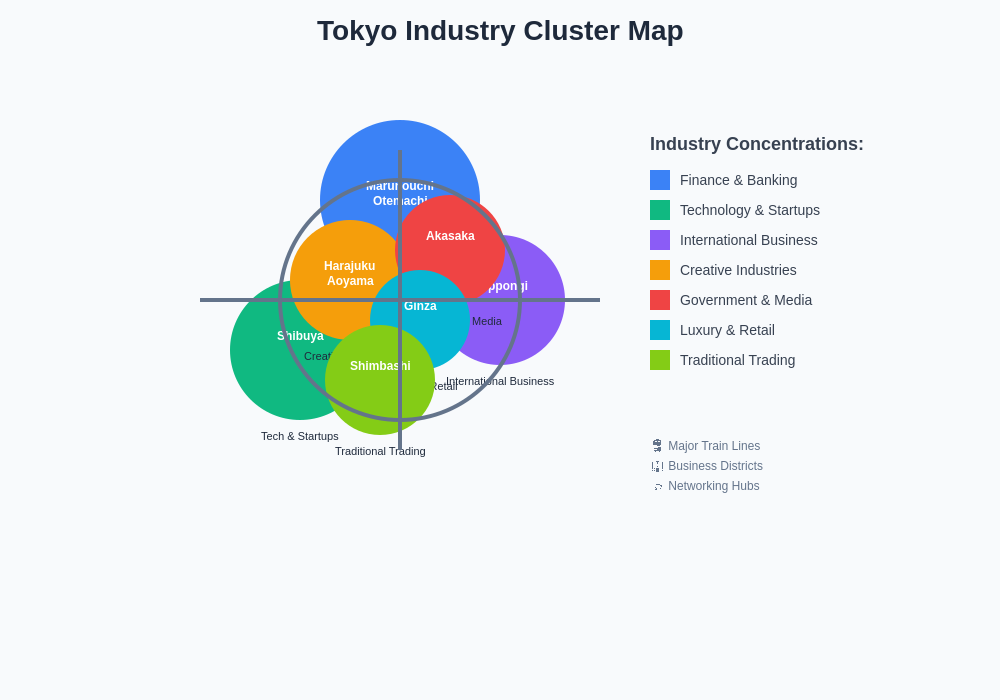
Tokyo’s business landscape is characterized by distinct geographical concentrations of industries that have developed organically over many decades, creating specialized ecosystems where professionals naturally gravitate toward specific neighborhoods and districts. Business district sharehouses near Tokyo Station attract finance and consulting professionals who benefit from proximity to major corporate headquarters and international business centers that define Japan’s economic core.
The tech industry has established strong footholds in areas like Shibuya and Roppongi, where startups, international tech companies, and digital agencies cluster together, creating vibrant communities of engineers, designers, and entrepreneurs. These geographical concentrations influence not only where professionals choose to work but also where they prefer to live, leading to the emergence of sharehouses that cater specifically to tech workers and creative professionals.
Traditional industries such as manufacturing, trading, and established Japanese corporations maintain strong presences in districts like Marunouchi and Otemachi, while creative industries including advertising, media, and design have concentrated in neighborhoods like Harajuku and Aoyama. This geographical specialization creates distinct professional cultures and networking patterns that extend far beyond office hours into social and residential choices.
The transportation infrastructure that connects these industry clusters plays a crucial role in determining residential patterns and networking opportunities. How commute times impact your quality of life becomes particularly relevant when considering how proximity to industry clusters affects both daily convenience and professional relationship building.
Finance and Banking Clusters: The Traditional Power Centers
The concentration of Japan’s financial sector in areas like Marunouchi, Otemachi, and Nihonbashi creates a distinctive professional culture that emphasizes hierarchy, relationship building, and long-term career development within established institutions. Professionals working in these areas often gravitate toward sharehouses that reflect similar values of stability, quality, and professional advancement.
Finance professionals living in sharehouses near these districts develop unique networking advantages through informal interactions with colleagues and industry peers who share similar career pressures and advancement goals. The demanding work schedules common in finance create opportunities for late-night conversations and weekend discussions that can lead to valuable professional insights and collaboration opportunities.
Living with Japanese roommates in Tokyo sharehouses becomes particularly valuable for international finance professionals seeking to understand the nuanced relationship-building practices that define success in Japan’s traditional business environment. The cultural exchange that occurs in mixed-nationality sharehouses provides insights into Japanese business practices that formal training programs often cannot match.
The conservative nature of finance industry culture influences sharehouse dynamics in these areas, with residents often maintaining more formal interaction styles and focusing conversations on career advancement, industry trends, and professional development opportunities. These environments foster networking relationships that can span entire careers and provide access to exclusive job opportunities and business partnerships.
Technology and Startup Ecosystems: Innovation Hubs
Tokyo’s emerging technology clusters in Shibuya, Roppongi, and increasingly in areas like Akasaka and Shimbashi attract a different demographic of professionals who prioritize innovation, flexibility, and rapid career growth over traditional stability. English-speaking sharehouses in Tokyo for foreigners often concentrate in these areas due to the international nature of the tech industry.
The startup ecosystem creates unique networking dynamics where collaboration across companies is common, side projects are encouraged, and professional relationships often blur the lines between work and personal interests. Sharehouse residents in tech-focused areas frequently discover opportunities for collaboration, investment, and job changes through casual conversations and shared experiences.
The 24/7 nature of startup culture means that professional discussions and networking opportunities extend well beyond traditional business hours, making sharehouses ideal environments for building relationships with industry peers. Late-night coding sessions, weekend hackathons, and impromptu brainstorming sessions become natural extensions of the shared living experience.
The rapid pace of change in technology industries creates demands for continuous learning and adaptation that sharehouse communities can support through peer learning, skill sharing, and collaborative problem-solving. Making friends through Tokyo sharehouse communities takes on professional dimensions when residents work in similar or complementary technology fields.
Creative Industries: Artistic and Cultural Networks
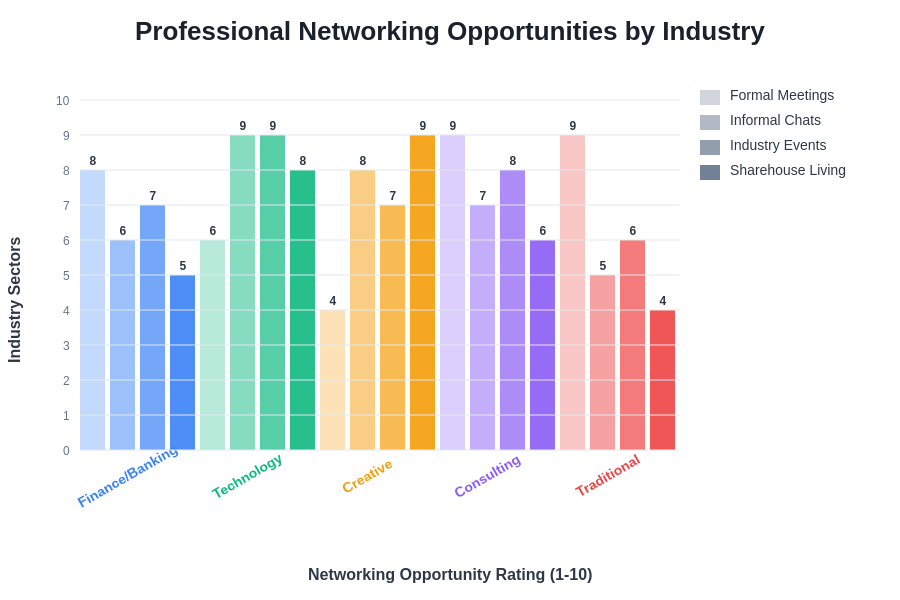
The concentration of advertising agencies, design studios, media companies, and creative freelancers in areas like Harajuku, Aoyama, and parts of Shibuya creates distinctive professional networks that emphasize creativity, collaboration, and cultural exchange. Creative professionals often choose sharehouses that reflect their values of diversity, artistic expression, and non-traditional lifestyle approaches.
The project-based nature of creative work creates fluctuating income patterns and irregular schedules that make sharehouse living particularly attractive for professionals in these industries. The flexibility of shared living arrangements accommodates the unpredictable demands of creative careers while providing networking opportunities with peers who understand similar challenges.
Creative industry clusters foster networking relationships that often involve collaboration across different creative disciplines, with graphic designers connecting with writers, photographers partnering with marketing specialists, and filmmakers working with musicians. How creative communities form in artist-friendly spaces explores how shared living environments amplify these natural collaborative tendencies.
The informal nature of creative industry networking means that professional relationships often develop through social interactions, shared projects, and collaborative living experiences rather than formal business meetings. Sharehouses provide ideal environments for these organic relationship-building processes to flourish.
International Business and Consulting Networks
The concentration of international consulting firms, multinational corporations, and global business services in areas like Roppongi, Akasaka, and parts of Shibuya creates professional networks that emphasize global perspectives, cultural adaptability, and international career mobility. These networks attract professionals who view their Tokyo experience as part of broader international career trajectories.
Consulting professionals often maintain demanding travel schedules and project-based work patterns that make sharehouse living particularly suitable for their lifestyle needs. The flexibility of shared living arrangements accommodates frequent travel while maintaining stable home base connections with professional peers who understand similar career demands.
The multicultural nature of international business clusters creates sharehouse communities where language skills, cultural knowledge, and global business insights become valuable networking assets. Dating while living in Tokyo sharehouses often involves navigating the complex social dynamics of international professional communities.
Professional relationships in international business often extend beyond immediate work contexts to include cultural exchange, language learning, and collaborative projects that span multiple countries and industries. Sharehouse environments facilitate these broader relationship-building opportunities through daily interactions and shared experiences.
Manufacturing and Traditional Industries: Established Networks
Tokyo’s traditional manufacturing clusters, while less concentrated in central areas, maintain strong professional networks that emphasize long-term relationships, technical expertise, and gradual career advancement within established companies. Professionals in these industries often choose sharehouses that reflect values of stability, quality, and community building.
The hierarchical nature of traditional Japanese manufacturing creates networking patterns based on seniority, company loyalty, and technical specialization that influence social dynamics within sharehouse communities. How age differences impact sharehouse compatibility becomes particularly relevant in communities where traditional industry professionals mix with younger professionals from other sectors.
Manufacturing professionals often possess specialized technical knowledge that creates opportunities for cross-industry collaboration and knowledge sharing within sharehouse communities. The practical problem-solving skills common in manufacturing can contribute to community projects and shared living improvements that benefit all residents.
The stable career trajectories common in traditional industries provide networking advantages through long-term relationship building and industry knowledge that spans decades. These relationships often prove valuable for residents from other industries seeking to understand Japanese business culture and long-term career planning strategies.
Emerging Industry Clusters and Future Trends
Tokyo’s evolving business landscape continues to create new industry clusters in areas like fintech, biotechnology, renewable energy, and digital entertainment that are reshaping professional networking patterns and residential preferences. Student sharehouses near top Tokyo universities increasingly serve as launching points for careers in these emerging industries.
The rise of remote work and hybrid employment models is beginning to change traditional industry clustering patterns, creating new opportunities for cross-industry collaboration and networking that transcend geographical boundaries. Sharehouse communities are adapting to these changes by attracting residents from diverse professional backgrounds who may not work in traditional cluster locations.
Sustainability-focused industries and social impact businesses are creating new professional networks that emphasize environmental responsibility, social justice, and community development. These emerging clusters attract professionals who seek living arrangements that align with their values and provide opportunities for meaningful collaboration beyond traditional profit-focused business relationships.
The integration of artificial intelligence, blockchain technology, and digital transformation across all industries is creating new networking opportunities that cross traditional cluster boundaries. How digital nomads change sharehouse dynamics reflects the growing mobility of professionals who can work across multiple industry clusters.
Maximizing Professional Networking in Clustered Environments
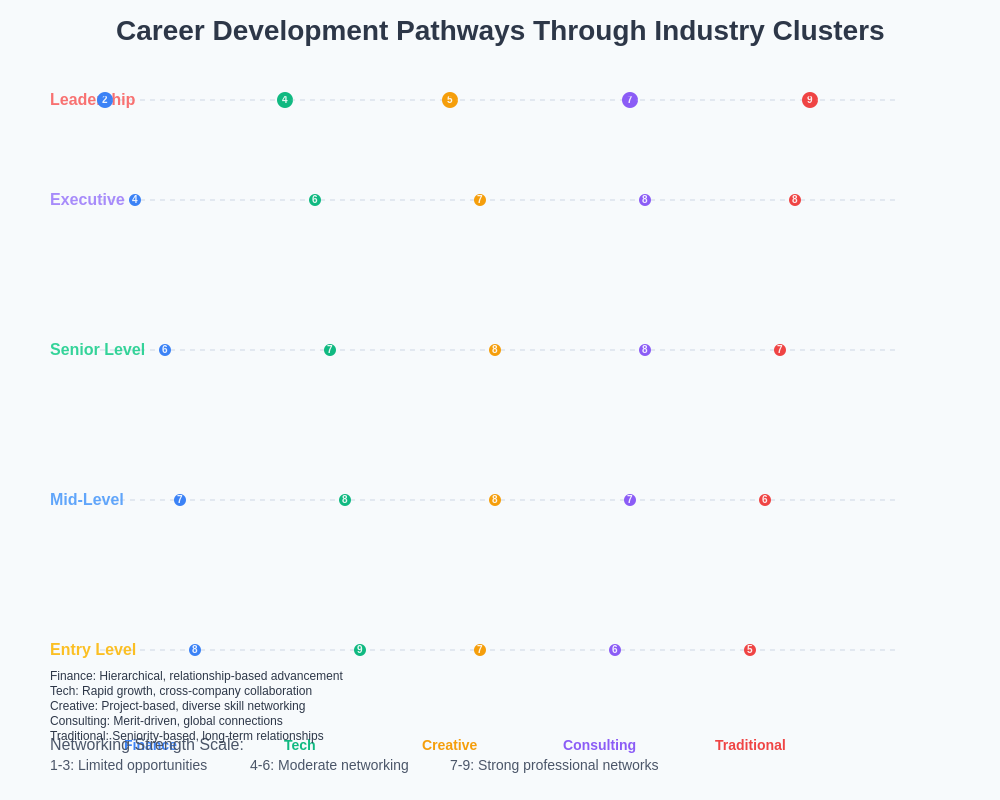
Understanding the specific networking cultures and relationship-building practices within different industry clusters enables sharehouse residents to maximize their professional development opportunities while contributing meaningfully to their residential communities. Each cluster requires different approaches to relationship building, communication styles, and collaboration methods.
Professional networking within industry clusters often involves participating in informal after-work gatherings, industry meetups, and social events that extend the workday into evening and weekend activities. How to handle roommate conflicts without moving out provides valuable skills for managing the potential complications that can arise when professional and personal relationships overlap in shared living situations.
The development of cross-cluster networking skills enables professionals to build relationships across different industries and create opportunities for career transitions, collaborative projects, and business partnerships that might not emerge within single-industry environments. Sharehouse communities provide ideal platforms for developing these broader networking capabilities.
Building authentic professional relationships within cluster environments requires understanding the cultural norms, communication patterns, and relationship expectations that define success in different industries. How cultural sensitivity develops through daily interaction becomes essential for navigating the complex social dynamics of professional networking in Tokyo’s diverse industry clusters.
The long-term career benefits of cluster-based networking often extend far beyond immediate job opportunities to include mentorship relationships, business partnerships, and collaborative ventures that can define entire career trajectories. Sharehouse living provides the extended interaction time and informal relationship-building opportunities that enable these deeper professional connections to develop naturally.
Tokyo’s industry clusters continue to evolve and adapt to changing global business conditions, technological innovations, and cultural shifts that create new opportunities for professional networking and career development. Understanding these dynamics and positioning yourself strategically within the right clusters can dramatically enhance your professional prospects while enriching your overall experience of living and working in one of the world’s most dynamic business environments.
Disclaimer
This article is for informational purposes only and does not constitute professional career or business advice. Industry clusters and networking opportunities in Tokyo are constantly evolving, and individual experiences may vary significantly. Readers should conduct their own research and consider their specific professional goals when making housing and career decisions. The effectiveness of networking strategies may depend on individual circumstances, industry conditions, and cultural factors.