The economic landscape of Japan has undergone significant transformations in recent years, with inflation emerging as a critical factor that profoundly influences housing markets and rental agreements across the country. For international residents living in sharehouses and considering long-term rental commitments, understanding how inflationary pressures affect contract terms, rent adjustments, and overall housing costs becomes essential for making informed financial decisions and protecting personal economic interests over extended periods.
The relationship between inflation and rental contracts in Japan’s sharehouse market involves complex interactions between economic policy, property management practices, and tenant protection laws that create both opportunities and challenges for long-term residents. As Japan experiences its most significant inflationary period in decades, residents must navigate changing market conditions while understanding their rights and obligations under existing rental agreements that may span multiple years.
Understanding Japan’s Current Inflation Environment
Japan’s economic transition from decades of deflation to a period of sustained inflation represents a fundamental shift that affects every aspect of the housing market, including sharehouse operations and rental pricing structures. The Bank of Japan’s monetary policies, global economic pressures, and domestic consumption patterns have contributed to rising costs across multiple sectors, with housing and utilities experiencing particularly notable increases that directly impact sharehouse residents.
The inflationary environment in Japan differs significantly from other developed economies due to the country’s unique economic history and structural characteristics. Living costs in Tokyo sharehouses explained provides context for how these broader economic trends translate into practical financial implications for individual residents navigating the current market conditions.
Energy costs, construction materials, and labor expenses have risen substantially, creating pressure on property operators to adjust rental rates and operational procedures. These increases affect not only new rental agreements but also existing contracts through various adjustment mechanisms that may be explicitly stated in lease documents or governed by Japanese rental law provisions that many international residents may not fully understand.
Contract Structure and Inflation Protection Mechanisms
Long-term rental contracts in Japanese sharehouses typically incorporate specific clauses and mechanisms designed to address changing economic conditions, though the extent and effectiveness of these provisions vary significantly between operators and property types. Understanding these contractual elements before signing agreements becomes crucial for residents planning extended stays that may span multiple years of potential inflationary pressure.
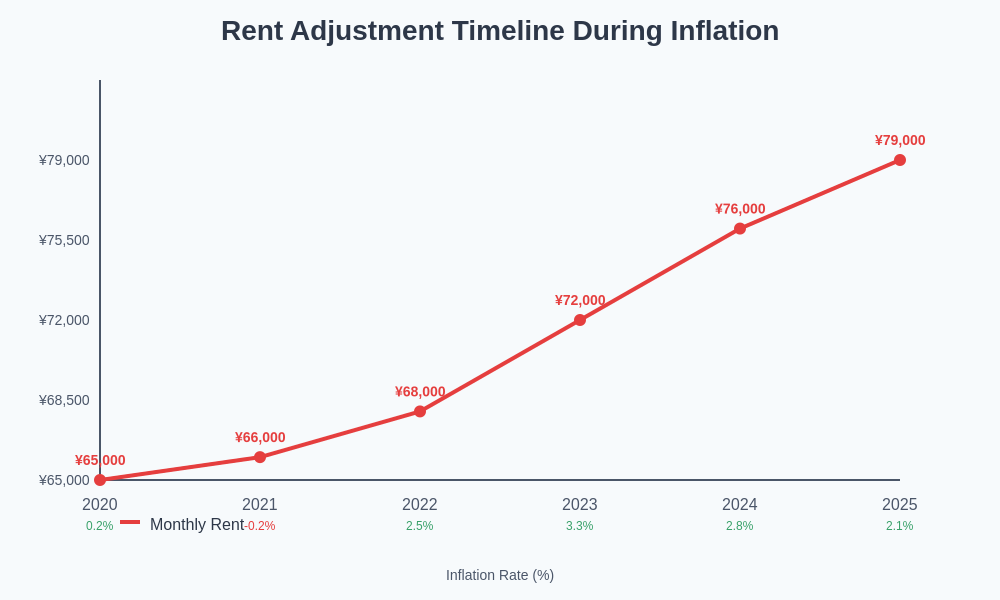
Fixed-rate contracts provide initial cost predictability but may expose both tenants and landlords to risks associated with significant economic changes over the contract duration. Contract terms that are more important than advertised prices highlights how seemingly minor contract details can have major financial implications during periods of economic volatility.
Escalation clauses, cost-of-living adjustments, and utility pass-through provisions represent common mechanisms through which rental agreements attempt to balance tenant affordability with operator viability during inflationary periods. These provisions may be triggered automatically based on predetermined economic indicators or require mutual agreement between parties, creating different levels of protection and risk for long-term residents.
Some contracts include caps or limits on annual rent increases, providing tenants with predictability while still allowing operators to adjust rates within reasonable parameters. However, the effectiveness of these protections depends heavily on the specific language used and the economic magnitude of inflationary pressures experienced during the contract period.
Rent Adjustment Procedures and Timeline Considerations
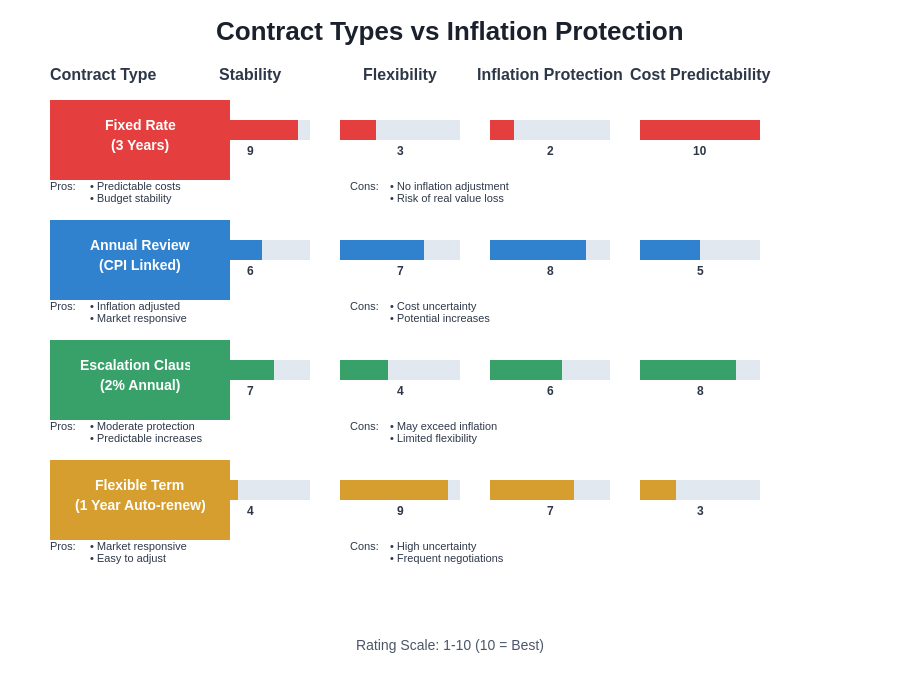
The procedural aspects of rent adjustments in Japanese sharehouses involve specific legal requirements, notification periods, and dispute resolution mechanisms that govern how and when rental rates can be modified in response to inflationary pressures. Understanding these procedures helps residents anticipate potential changes and prepare appropriate responses to adjustment proposals from property operators.
Japanese rental law provides certain protections against arbitrary rent increases, requiring landlords to demonstrate justifiable reasons for adjustments and follow prescribed notification procedures. Japanese sharehouse rules every foreigner should know explains the regulatory framework that governs tenant-landlord relationships and provides important context for understanding adjustment rights and obligations.
The timing of rent adjustments often coincides with contract renewal periods, lease anniversary dates, or specific economic trigger events that may be defined within the original agreement. Residents should maintain awareness of these critical dates and prepare for potential adjustment discussions well in advance of notification deadlines to ensure adequate time for evaluation and response.
Negotiation opportunities may exist during adjustment processes, particularly for long-term residents with positive payment histories and strong community contributions. Understanding market conditions, comparable property rates, and individual circumstances can provide leverage for residents seeking to minimize adjustment impacts or negotiate alternative arrangements that address operator concerns while maintaining affordability.
Impact on Different Contract Types and Durations
The effects of inflation on rental agreements vary significantly based on contract structure, duration, and specific terms negotiated between parties. Short-term contracts may offer more flexibility for both tenants and operators to adjust to changing conditions but provide less long-term cost predictability for residents planning extended stays in specific locations.
Medium-term contracts, typically ranging from one to three years, represent a common choice for international residents but may expose parties to moderate inflation risk depending on economic conditions during the contract period. How much Tokyo sharehouses really cost per month provides insights into cost structures that help residents evaluate the long-term financial implications of different contract lengths.
Long-term agreements extending beyond three years offer maximum stability but may become problematic during periods of significant economic change if adequate adjustment mechanisms are not incorporated into the original terms. These contracts require careful consideration of inflation protection provisions and clear understanding of modification procedures that may be necessary during extended economic volatility.
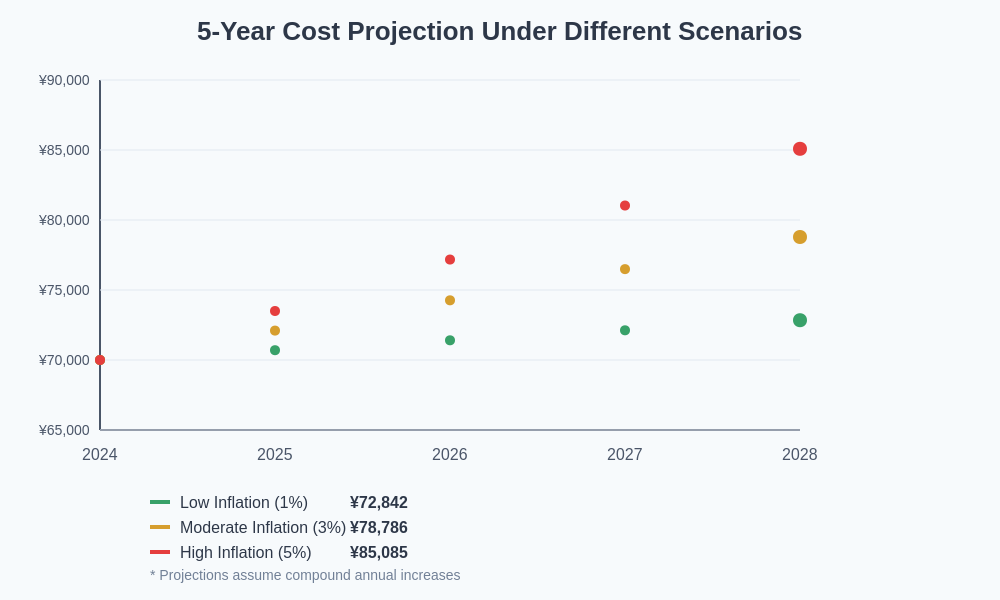
Flexible contract structures that allow for periodic review and adjustment may provide optimal balance between stability and adaptability, though such arrangements may command premium pricing or require more complex negotiation processes that some residents may find challenging to navigate effectively.
Utility Costs and Operational Expense Inflation
Beyond base rent considerations, inflationary pressures significantly impact utility costs, maintenance expenses, and operational charges that form substantial portions of total housing costs for sharehouse residents. Understanding how these expense categories are handled within rental agreements becomes crucial for accurate long-term budget planning and cost prediction.
Electricity, gas, and water costs have experienced dramatic increases in Japan, with some utility categories seeing double-digit percentage increases that directly affect sharehouse operational expenses. Understanding utility bills in Japanese sharehouses explains how these costs are typically allocated and managed within shared living environments.
Internet and telecommunications services, while generally more stable than traditional utilities, may still experience inflationary pressure that affects monthly charges passed through to residents. The increasing reliance on high-speed internet for remote work and digital entertainment makes these costs particularly important for long-term budget considerations.
Maintenance and cleaning services represent another expense category affected by labor cost inflation and increased material prices. Properties that include these services within base rent may face pressure to adjust pricing or reduce service levels, while residents in properties with separate charges may experience direct cost increases that compound overall housing expense inflation.
Regional Variations and Market Dynamics
Inflation affects different Tokyo neighborhoods and suburban areas at varying rates, creating complex market dynamics that influence rental pricing strategies and contract terms across different sharehouse locations. Understanding these regional variations helps residents make informed decisions about location selection and contract negotiations based on long-term economic projections.
Central Tokyo districts may experience different inflationary pressures compared to suburban areas due to variations in property values, operational costs, and market demand characteristics. Best Tokyo neighborhoods for sharehouse living provides context for understanding how location affects not only current costs but also inflation exposure over extended periods.
Areas with strong transportation connections and established international communities may demonstrate more resilience to inflationary pressures due to sustained demand and operational efficiency advantages. Conversely, locations heavily dependent on specific industries or demographic groups may experience more volatile pricing adjustments during economic uncertainty.
Property age, building efficiency, and operational sophistication also influence how individual sharehouses respond to inflationary pressures, with newer or well-managed properties potentially offering better cost stability through operational efficiency and advanced building systems that minimize utility cost exposure.
Legal Protections and Tenant Rights
Japanese rental law provides specific protections against excessive rent increases and arbitrary contract modifications, though understanding and exercising these rights requires familiarity with legal procedures and documentation requirements that may be challenging for international residents to navigate independently. Knowledge of these protections becomes particularly important during periods of significant economic change.
The concept of “appropriate rent” under Japanese law considers factors including local market conditions, property characteristics, and economic changes that may justify rental adjustments. Tenants have rights to challenge proposed increases that exceed reasonable parameters, though exercising these rights may require legal assistance and documentation that demonstrates unreasonableness of proposed adjustments.
Dispute resolution mechanisms, including mediation services and legal proceedings, provide formal channels for addressing disagreements about rent adjustments or contract modifications. How to handle roommate conflicts without moving out offers insights into conflict resolution approaches that may be applicable to landlord-tenant disputes involving rental adjustments.
Documentation requirements for challenging rent increases include maintaining records of payments, property conditions, and comparable market rates that support tenant positions during dispute proceedings. International residents should understand these requirements and maintain appropriate documentation throughout their tenancy to protect their interests during potential adjustment disputes.
Strategic Planning and Risk Management
Effective long-term housing planning during inflationary periods requires strategic thinking about contract selection, financial preparation, and risk management approaches that protect residents from unexpected cost increases while maintaining housing stability and quality. This planning process involves both immediate decision-making and long-term financial strategy development.
Budget planning should incorporate inflation projections and potential rent adjustment scenarios that allow residents to maintain financial stability even during periods of significant cost increases. How to budget realistically for sharehouse living provides practical frameworks for incorporating inflation considerations into financial planning processes.
Contract negotiation strategies may include seeking inflation protection clauses, adjustment caps, or alternative arrangements that provide cost predictability while addressing legitimate operator concerns about changing economic conditions. Understanding market dynamics and individual leverage points helps residents negotiate favorable terms that provide mutual benefits for all parties involved.
Emergency fund development becomes particularly important during inflationary periods when housing costs may increase rapidly and unexpectedly. Maintaining financial reserves that cover several months of potential rent increases provides security and negotiating flexibility when facing adjustment proposals or seeking alternative housing arrangements.
Alternative Housing Strategies During Inflation
Rising rental costs and contract uncertainties during inflationary periods may prompt residents to consider alternative housing strategies that provide better cost control or inflation protection while maintaining desired lifestyle and location preferences. These alternatives require careful evaluation of trade-offs between stability, cost, and convenience factors.
Shorter-term rental arrangements may offer more flexibility to respond to changing market conditions but typically command premium pricing that may offset potential savings from avoiding long-term commitment during uncertain economic periods. Short-term sharehouse options in Japan explores the advantages and disadvantages of flexible housing arrangements during volatile economic conditions.
Property sharing arrangements, subletting opportunities, and cooperative housing models may provide alternative approaches to traditional rental contracts that offer different risk profiles and cost structures during inflationary periods. However, these alternatives often involve additional complexity and potential legal considerations that require careful evaluation.
Geographic flexibility, including consideration of areas outside central Tokyo or alternative cities within Japan, may provide access to more stable rental markets or better inflation protection, though such strategies require trade-offs in terms of commute convenience, social connections, and lifestyle preferences that may be difficult to quantify economically.
Impact on International Residents and Visa Considerations
International residents face additional complications during inflationary periods due to visa requirements, currency exchange considerations, and limited familiarity with Japanese legal and economic systems that may affect their ability to navigate rental adjustments and housing transitions effectively. Understanding these unique challenges becomes essential for protecting long-term housing security and financial stability.
Visa status requirements may limit housing flexibility and negotiating power during rental adjustment discussions, as some visa categories require stable address documentation or specific housing arrangements that constrain residents’ ability to relocate or modify living arrangements in response to cost increases. Why visa status affects your sharehouse application explains these regulatory considerations and their practical implications.
Currency exchange fluctuations compound inflation effects for international residents who maintain income or savings in foreign currencies, potentially creating double exposure to economic volatility that domestic residents do not experience. This dual exposure requires more sophisticated financial planning and risk management strategies to maintain housing affordability during economic uncertainty.
Language barriers and legal complexity may prevent international residents from fully understanding their rights and options during rental adjustment processes, potentially leading to acceptance of unfavorable terms or inability to effectively negotiate alternative arrangements. Professional assistance or community support resources become particularly valuable during these challenging periods.
Long-term Market Outlook and Adaptation Strategies
Japan’s economic transition toward sustained inflation represents a fundamental shift that is likely to influence rental markets and housing costs for extended periods, requiring residents to develop long-term adaptation strategies that account for continued economic change rather than temporary adjustment to current conditions. Understanding probable future scenarios helps inform current decision-making and strategic planning processes.
Demographic trends, urban development patterns, and economic policy directions suggest that housing costs in major Japanese cities will continue experiencing upward pressure, though the magnitude and distribution of these increases will vary based on location, property type, and market segment characteristics. Residents should incorporate these trends into long-term planning while maintaining flexibility to adapt to changing circumstances.
Technology adoption, operational efficiency improvements, and regulatory changes may influence how sharehouse operators manage costs and structure rental agreements in response to inflationary pressures. Early adoption of innovative housing models or operators may provide access to more stable cost structures or better inflation protection mechanisms.
The development of financial tools, insurance products, and alternative housing arrangements specifically designed to address inflation risks may provide new options for residents seeking protection against housing cost volatility. Staying informed about emerging solutions and maintaining openness to innovative approaches will become increasingly important for long-term housing security and affordability.
Understanding how inflation affects long-term rental contracts requires comprehensive consideration of economic trends, legal frameworks, and individual circumstances that influence housing decisions and financial planning. International residents in Japan’s sharehouse market must navigate these complexities while protecting their interests and maintaining housing stability during periods of economic uncertainty and change. Success in this environment depends on informed decision-making, strategic planning, and adaptive responses to evolving market conditions that balance immediate needs with long-term objectives and financial security.
Disclaimer
This article is for informational purposes only and does not constitute professional financial, legal, or investment advice. Economic conditions, rental laws, and market dynamics can change rapidly and vary significantly based on individual circumstances and specific property locations. Readers should conduct their own research and consult with qualified professionals when making housing and financial decisions. The effectiveness of strategies mentioned may vary depending on economic conditions, legal requirements, and individual situations.