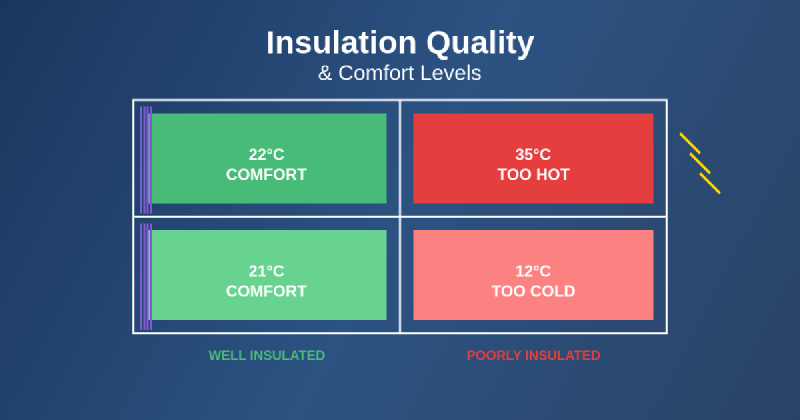
The quality of insulation in Tokyo sharehouses fundamentally determines your daily comfort and living satisfaction in ways that extend far beyond simple temperature control. Many international residents underestimate the profound impact that building insulation has on their quality of life, sleep patterns, energy expenses, and overall well-being throughout Japan’s distinct seasonal cycles. Understanding these effects becomes crucial when evaluating potential sharehouses and making informed decisions about your long-term housing situation.
Poor insulation creates a cascade of problems that affect every aspect of daily living, from inability to maintain comfortable temperatures to dramatically increased utility costs that can strain monthly budgets. The situation becomes particularly challenging in Tokyo’s climate extremes, where summer humidity and winter cold demand effective thermal barriers to maintain livable indoor environments without excessive energy consumption.
Understanding Tokyo’s Climate Challenges
Tokyo’s climate presents unique insulation challenges that differ significantly from many other international cities, requiring building systems that can handle both intense summer heat with high humidity and surprisingly cold winter temperatures. The city experiences dramatic seasonal variations that test insulation performance across multiple weather conditions, making effective thermal barriers essential for year-round comfort.
Summer temperatures regularly exceed 35°C (95°F) with humidity levels that can make indoor spaces unbearable without adequate insulation to prevent heat infiltration and support air conditioning efficiency. How summer heat makes small rooms unbearable explores the specific challenges that poorly insulated spaces create during Tokyo’s intense summer months.
Winter conditions, while not as severe as northern climates, still create substantial heating demands that poorly insulated buildings cannot meet efficiently. The combination of temperature drops and increased energy costs puts significant strain on both comfort levels and budgets when insulation fails to provide adequate thermal protection.
The rainy season adds another layer of complexity, introducing moisture management challenges that require proper insulation systems to prevent condensation, mold growth, and humidity-related comfort issues that can affect indoor air quality and resident health.
Direct Comfort Impact Assessment
Inadequate insulation creates immediate and obvious comfort problems that affect daily activities, sleep quality, and general satisfaction with living conditions. Temperature fluctuations throughout the day become more pronounced in poorly insulated spaces, creating environments where residents struggle to maintain consistent comfort levels regardless of heating or cooling efforts.
Morning temperature variations can be particularly jarring in poorly insulated rooms, where overnight temperature changes penetrate building materials and create uncomfortable awakening conditions that affect energy levels and daily productivity. How climate control preferences create conflicts examines how these comfort disparities lead to household tensions and disagreements.
Noise infiltration often accompanies poor insulation, as thermal barriers and sound dampening frequently rely on similar building materials and construction techniques. Residents in poorly insulated sharehouses experience both temperature discomfort and increased noise levels from external sources, creating compound stress factors that affect relaxation and concentration.
The inability to create comfortable microenvironments within personal spaces forces residents to spend more time in common areas or seek comfort outside the sharehouse, reducing the value and utility of their private living quarters while increasing external expenses for comfort and relaxation.
Energy Cost Implications and Budget Impact
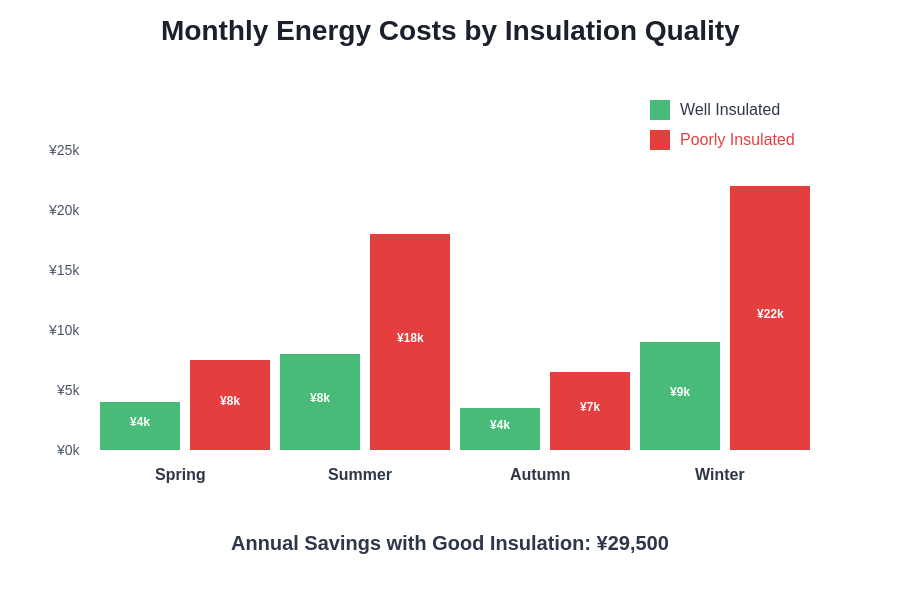
Poor insulation directly translates to dramatically higher utility bills as heating and cooling systems work harder to maintain comfortable temperatures against constant thermal leakage. Understanding utility bills in Japanese sharehouses provides context for how insulation quality affects monthly energy expenses and overall living costs.
Summer cooling costs can become prohibitively expensive in poorly insulated sharehouses, where air conditioning systems run continuously without achieving desired temperature levels, creating situations where residents must choose between comfort and financial stability. The inefficiency creates a feedback loop where increased energy usage leads to higher costs without proportional comfort improvements.
Winter heating expenses present similar challenges, with poorly insulated spaces losing heat as quickly as heating systems can generate it, resulting in utility bills that can exceed rent payments in extreme cases. These unexpected costs often catch international residents unprepared, as they may not anticipate the relationship between building quality and energy expenses.
The cumulative financial impact extends beyond monthly utility payments to include potential health costs from temperature-related stress, increased clothing and bedding expenses to compensate for poor thermal control, and opportunity costs from reduced productivity due to discomfort-related fatigue and concentration difficulties.
Health and Well-being Consequences
Temperature regulation difficulties caused by poor insulation create measurable health impacts that extend beyond simple discomfort to affect immune system function, sleep quality, and mental health stability. Constant temperature fluctuations stress the body’s adaptive mechanisms, leading to increased susceptibility to illness and reduced overall well-being.
Sleep disruption represents one of the most significant health impacts of poor insulation, as temperature variations throughout the night prevent deep sleep cycles and restorative rest patterns. How sleep quality suffers in shared environments explores the broader sleep challenges in sharehouses, with insulation quality playing a fundamental role in nighttime comfort.
Respiratory health can be compromised by poor insulation systems that allow moisture infiltration and create conditions favorable to mold and mildew growth. These air quality issues particularly affect residents with allergies or asthma, creating additional health management challenges and potential medical expenses.
Mental health impacts include increased stress from constant discomfort, reduced productivity due to concentration difficulties, and social isolation when personal spaces become too uncomfortable for extended periods. The psychological burden of dealing with persistent comfort issues can significantly affect overall life satisfaction and adjustment to living in Tokyo.
Seasonal Performance Variations
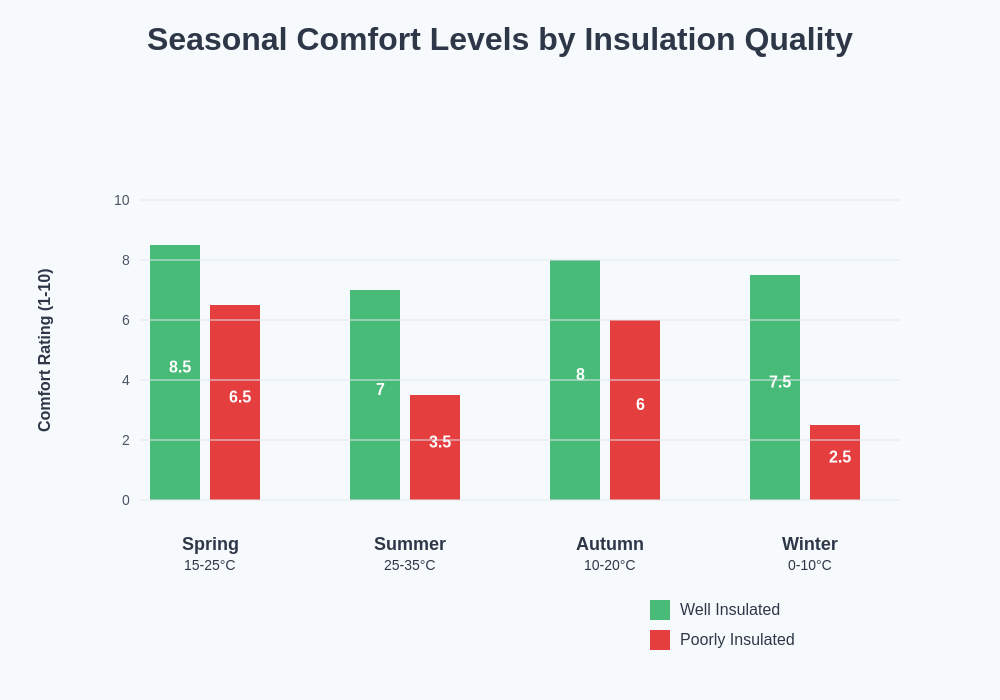
Insulation effectiveness varies dramatically across Tokyo’s distinct seasons, with different thermal challenges testing building performance throughout the year. Understanding these seasonal patterns helps residents anticipate comfort issues and budget appropriately for varying utility costs and comfort maintenance strategies.
Spring temperatures create deceptive comfort conditions that may mask insulation problems, as mild weather requires minimal heating or cooling assistance. However, this season often reveals humidity management issues that become more problematic as the rainy season approaches, providing early indicators of insulation system inadequacies.
How rainy season creates humidity problems examines the specific challenges that occur when insulation systems fail to manage moisture effectively, creating conditions that affect both comfort and health throughout the wet season period.
Autumn weather provides another testing period where insulation quality becomes apparent as temperatures drop and heating needs increase. Well-insulated spaces transition smoothly into winter comfort, while poorly insulated areas begin showing temperature control difficulties that forecast winter challenges.
The relationship between seasonal weather patterns and indoor comfort becomes predictable once residents understand their building’s insulation performance characteristics, allowing for better planning and budgeting across the year.
Identification and Assessment Strategies
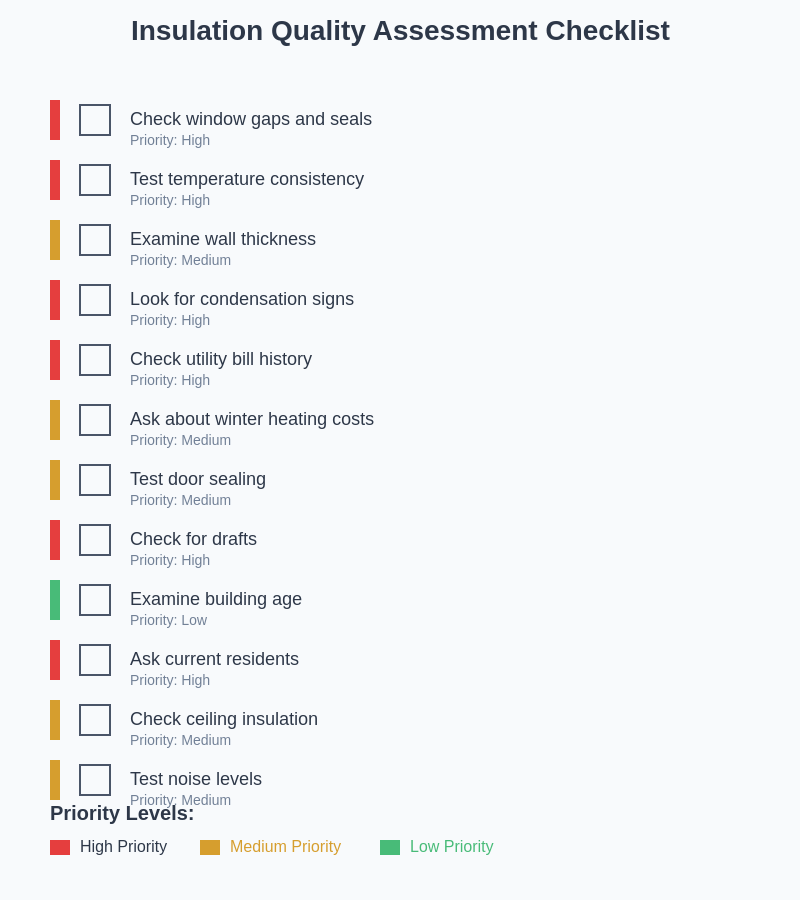
Evaluating insulation quality during sharehouse selection requires systematic observation and testing that goes beyond visual inspection to include thermal performance assessment and seasonal consideration. Prospective residents can employ several practical techniques to gauge insulation effectiveness before committing to housing contracts.
Temperature differential testing involves comparing indoor and outdoor temperatures during extreme weather conditions, providing direct measurement of thermal barrier effectiveness. How to find the perfect sharehouse in Tokyo includes comprehensive evaluation criteria that help residents assess building quality factors including insulation performance.
Visual inspection techniques include examining window installations, wall construction quality, and insulation material visibility in accessible areas such as attics or utility spaces. Signs of previous moisture damage, temperature-related wear patterns, and resident modifications for comfort improvement provide additional indicators of insulation adequacy.
Current resident interviews offer valuable insights into seasonal comfort experiences, utility cost patterns, and practical coping strategies that reveal insulation performance realities. Real stories from Tokyo sharehouse residents provides authentic perspectives on how building quality affects daily living experiences.
Building Age and Insulation Correlation
The age of sharehouses in Tokyo directly correlates with insulation quality, as building codes and construction standards have evolved significantly over recent decades to address energy efficiency and comfort requirements. Understanding these relationships helps residents set appropriate expectations and make informed housing decisions.
Older buildings constructed before modern insulation standards often lack adequate thermal barriers, relying instead on architectural features and heating systems that are insufficient for contemporary comfort expectations. These structures may have historical charm but require significant energy input to maintain comfortable conditions throughout seasonal extremes.
Modern construction incorporates advanced insulation materials and installation techniques that provide superior thermal performance, but quality varies significantly based on construction budgets and builder priorities. Why some buildings lack proper ventilation examines how cost-cutting measures in construction can compromise both insulation and air quality systems.
Renovation and retrofit projects present mixed results, as insulation improvements may be incomplete or incompatible with existing building systems, creating uneven thermal performance that varies by room or building section.
Impact on Daily Activities and Lifestyle
Poor insulation affects virtually every aspect of daily living, from morning routines disrupted by uncomfortable awakening conditions to evening relaxation compromised by temperature control struggles. These impacts accumulate over time to significantly reduce quality of life and satisfaction with sharehouse living experiences.
Work productivity suffers when personal spaces cannot maintain comfortable temperatures for extended periods, forcing residents to seek alternative locations for concentration-demanding tasks or professional activities. How remote work equipment affects space usage explores how comfort limitations influence workspace utilization and productivity outcomes.
Social activities within the sharehouse become concentrated in better-insulated common areas, potentially creating overcrowding and scheduling conflicts as residents avoid their uncomfortable private spaces. This dynamic can strain household relationships and reduce the privacy benefits that draw many people to sharehouse living.
Personal care routines require adaptation to temperature variations, with additional time needed for warming or cooling personal spaces before activities such as changing clothes, studying, or relaxing. These accommodations add stress and inconvenience to daily schedules while reducing overall living efficiency.
Comparative Analysis of Building Types
Different types of sharehouses in Tokyo exhibit distinct insulation characteristics based on their original construction purpose, age, and renovation history. Understanding these patterns helps residents identify likely insulation performance based on building classification and architectural style.
Purpose-built sharehouses designed specifically for multi-tenant occupancy often incorporate better insulation systems as part of comprehensive comfort planning, though quality varies significantly based on developer priorities and target market positioning. Luxury sharehouses worth the extra cost in Tokyo examines how premium properties address insulation and comfort concerns.
Converted residential buildings may retain original insulation systems designed for single-family use, which can be either superior or inferior to multi-tenant requirements depending on the original construction quality and conversion modifications made during the transformation process.
Commercial building conversions present unique insulation challenges, as office and retail spaces have different thermal requirements than residential applications, potentially creating comfort issues when adaptation is incomplete or inappropriate for living purposes.
Mitigation Strategies and Personal Solutions
Residents dealing with poor insulation can employ various strategies to improve personal comfort while working within the constraints of existing building systems. These approaches range from simple behavioral adaptations to equipment investments that enhance individual space comfort without requiring structural modifications.
Personal heating and cooling solutions include portable devices, improved bedding systems, and clothing strategies that help maintain comfort despite inadequate building thermal performance. How dehumidifiers become essential equipment explores how residents can address specific comfort challenges through targeted equipment use.
Space modification techniques such as draft sealing, window treatments, and furniture arrangement can improve thermal performance in individual rooms without violating lease agreements or requiring permanent alterations to building systems.
Behavioral adaptations include scheduling adjustments that take advantage of optimal comfort periods, layered clothing strategies, and activity location flexibility that works around thermal limitations rather than fighting against them.
Communication with house management about systemic insulation issues can sometimes lead to building improvements or utility cost adjustments that benefit all residents, particularly when multiple tenants experience similar comfort challenges.
Long-term Considerations and Planning
Insulation quality affects long-term sharehouse satisfaction and should influence housing decisions that extend beyond immediate availability and pricing considerations. Understanding these factors helps residents make choices that support their comfort and financial stability throughout extended residency periods.
Seasonal cost budgeting becomes critical when living in poorly insulated sharehouses, as utility expenses can fluctuate dramatically between mild and extreme weather periods. How to budget realistically for sharehouse living provides frameworks for anticipating these variations and planning accordingly.
Health impact planning includes considering how temperature-related stress might affect medical expenses, productivity, and overall well-being over extended periods. These factors become particularly important for residents with pre-existing health conditions or high stress lifestyles.
Alternative housing evaluation should include insulation quality as a primary factor when comparing different sharehouse options, with particular attention to total cost of living including utility expenses rather than focusing solely on base rent pricing.
The decision between accepting poor insulation for lower rent versus investing in better building quality requires careful analysis of personal priorities, financial capabilities, and tolerance for discomfort throughout Tokyo’s challenging seasonal conditions.
Conclusion and Decision Framework
Insulation quality represents one of the most fundamental yet overlooked factors affecting sharehouse living satisfaction in Tokyo, with impacts that extend far beyond simple temperature comfort to encompass health, finances, productivity, and overall quality of life. Recognition of these relationships empowers residents to make informed housing decisions that align with their personal needs and priorities while avoiding costly surprises that can undermine their Tokyo living experience.
The investment in well-insulated housing typically pays dividends through reduced utility costs, improved health outcomes, enhanced productivity, and greater overall satisfaction with daily living conditions. While premium pricing may accompany superior building quality, the total cost of living often favors better-insulated properties when all factors are considered comprehensively.
Prospective sharehouse residents should prioritize insulation assessment during their housing search process, viewing thermal performance as an essential rather than optional housing feature that significantly influences their adaptation success and long-term happiness in Tokyo’s challenging climate environment.
Disclaimer
This article is for informational purposes only and does not constitute professional advice regarding building construction, energy efficiency, or health matters. Insulation performance can vary significantly based on individual building characteristics, maintenance history, and environmental factors. Readers should conduct their own assessments and consult with relevant professionals when making housing decisions. The effectiveness of comfort strategies may vary depending on specific circumstances, building conditions, and individual sensitivity to temperature variations.