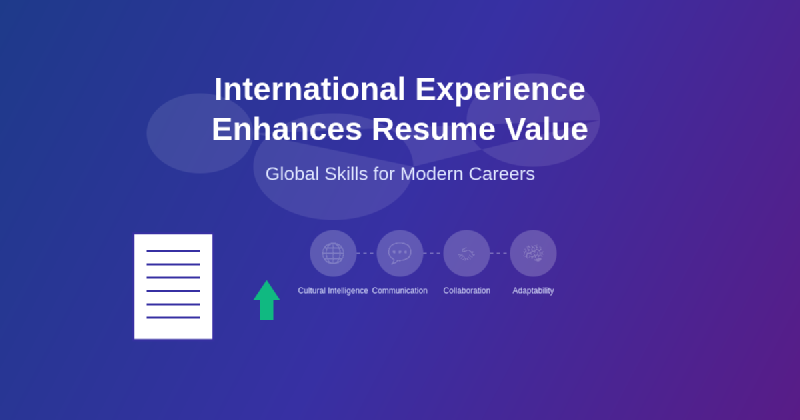
Living in Tokyo sharehouses creates profound professional development opportunities that extend far beyond simple cultural exposure, building sophisticated skill sets that modern employers increasingly value in our interconnected global economy. The complex challenges of navigating international living situations, managing cross-cultural relationships, and adapting to unfamiliar business environments develop competencies that cannot be replicated through traditional educational programs or domestic work experience alone.
The transformative nature of sharehouse living in Japan forces residents to develop resilience, adaptability, and cultural intelligence through daily situations that test problem-solving abilities while building communication skills across language and cultural barriers. These experiences create compelling professional narratives that demonstrate qualities employers seek when building diverse, globally-minded teams capable of thriving in multicultural business environments and international market expansion efforts.
Cultural Intelligence as Professional Capital
The development of cultural intelligence through Tokyo sharehouse living creates measurable professional advantages that distinguish candidates in competitive job markets where global awareness and cross-cultural competency represent essential qualifications for advancement in international business environments. Living with Japanese roommates in Tokyo sharehouses provides foundational cultural exposure that develops into sophisticated understanding of business etiquette, communication styles, and relationship-building approaches that prove invaluable in professional contexts.
Daily navigation of Japanese business culture through sharehouse interactions builds intuitive understanding of hierarchical structures, consensus-building processes, and indirect communication patterns that characterize many Asian business environments, providing residents with practical skills that enable effective collaboration with Japanese colleagues, clients, and business partners in future professional roles. The ability to interpret non-verbal communication, understand contextual meaning, and navigate complex social protocols becomes particularly valuable for companies expanding into Asian markets or managing international teams.
The multicultural environment of international sharehouses creates natural laboratories for developing skills in managing diverse perspectives, resolving cultural conflicts, and building consensus among individuals from different cultural backgrounds with varying communication styles and business expectations. These experiences translate directly into professional capabilities for leading diverse teams, managing international projects, and facilitating cross-cultural business relationships that drive successful global operations.
Cultural intelligence development through sharehouse living demonstrates to employers that candidates possess practical experience managing the interpersonal complexity that characterizes modern international business environments, where success depends increasingly on the ability to build trust and collaboration across cultural boundaries that can derail projects and business relationships when not properly understood and managed.
Language Acquisition and Professional Communication
Immersive language learning through Tokyo sharehouse environments develops communication competencies that extend beyond basic conversational ability to encompass business-level proficiency in reading social contexts, understanding cultural nuances, and adapting communication styles to achieve specific professional objectives with Japanese colleagues and international partners. The practical application of language skills in daily problem-solving situations builds confidence and fluency that cannot be achieved through classroom instruction alone.
Professional Japanese language ability opens access to career opportunities in Asia’s second-largest economy while demonstrating commitment to long-term skill development and cultural understanding that employers value when considering candidates for international assignments, regional management roles, or business development positions targeting Japanese markets. The discipline required for achieving functional Japanese proficiency signals dedication and learning ability that translates to other professional development contexts.
Multilingual communication skills developed through sharehouse interactions with residents from various countries create versatility in professional communication that proves valuable in international business contexts where team members may have different native languages and cultural communication preferences. The ability to adapt communication style, vocabulary, and cultural references to ensure clear understanding across diverse audiences becomes particularly important in global project management and international client relationship roles.
The practical experience of navigating complex situations in a foreign language builds confidence in professional communication under pressure while developing skills in clarifying misunderstandings, building consensus across language barriers, and maintaining professional relationships despite communication challenges that commonly arise in international business environments.
Adaptability and Resilience Demonstration
The constant adaptation required for successful sharehouse living in Tokyo demonstrates resilience and flexibility that employers increasingly value in rapidly changing business environments where professionals must quickly adjust to new technologies, market conditions, and organizational structures while maintaining performance standards and team effectiveness. How to handle roommate conflicts without moving out develops conflict resolution skills that translate directly to professional team management and customer relationship challenges.
Managing the practical challenges of international living while maintaining academic or professional responsibilities demonstrates time management, stress tolerance, and problem-solving abilities under pressure that predict success in demanding professional roles where individuals must balance multiple priorities while adapting to changing circumstances and unexpected challenges that require creative solutions and persistent effort.
The experience of thriving in unfamiliar environments with limited resources builds self-reliance and innovative thinking that proves valuable in startup environments, international assignments, and roles requiring independent operation in new markets or business contexts where established support systems may not exist and success depends on individual initiative and creative problem-solving capabilities.
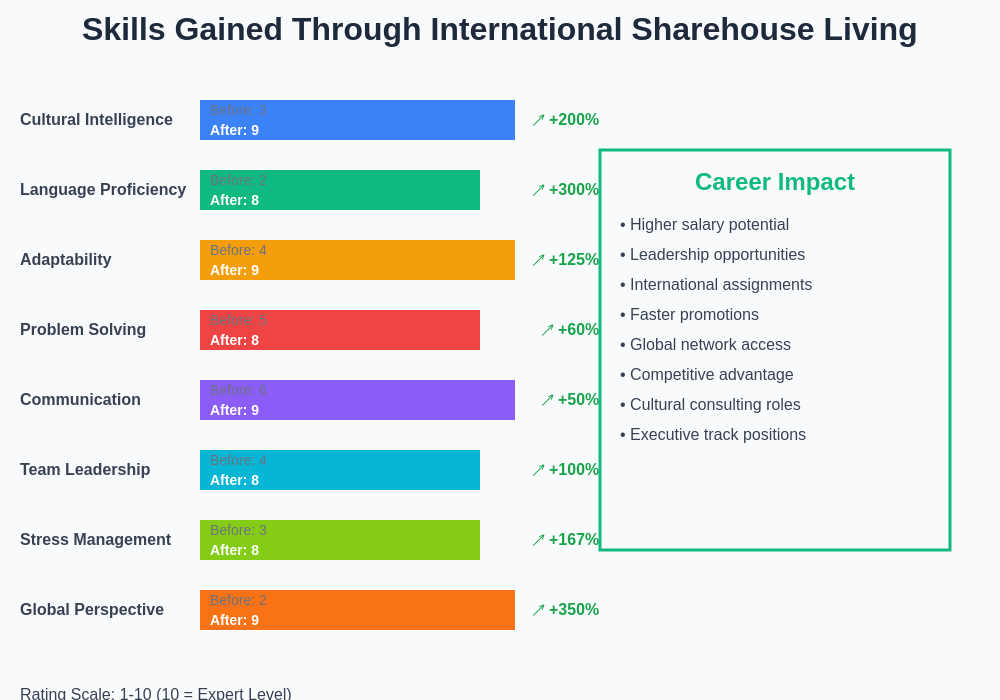
Successfully navigating bureaucratic systems, cultural expectations, and language barriers while achieving personal and professional goals demonstrates persistence and strategic thinking that employers value when evaluating candidates for challenging assignments requiring sustained effort and creative approaches to overcome obstacles that might discourage less resilient individuals.
Cross-Cultural Team Management Experience
Sharehouse living provides natural opportunities for developing team leadership and collaboration skills through managing shared responsibilities, resolving conflicts, and building consensus among individuals with different cultural backgrounds, communication styles, and personal priorities that mirror the challenges of managing diverse professional teams in international business environments. Making friends through Tokyo sharehouse communities builds relationship management skills that prove essential for professional networking and team building.
The experience of facilitating communication between residents who speak different languages and have varying cultural expectations develops skills in translation, mediation, and consensus-building that prove valuable in professional contexts where team members may have different cultural backgrounds and communication preferences that require careful management to maintain productivity and team cohesion.
Managing shared resources, coordinating schedules, and establishing house rules through collaborative decision-making processes builds experience in project management, resource allocation, and policy development that translates directly to professional responsibilities involving team coordination, budget management, and organizational policy implementation in multicultural business environments.
The informal leadership roles that emerge naturally in sharehouse environments provide opportunities to develop and demonstrate leadership capabilities outside traditional academic or professional hierarchies, creating compelling examples of initiative, influence, and team-building success that can differentiate candidates in competitive job markets where leadership potential represents a key selection criterion.
Problem-Solving and Innovation Skills
The daily challenges of international living in Tokyo sharehouses develop creative problem-solving abilities through situations that require innovative approaches to overcome language barriers, cultural differences, and practical limitations while achieving specific objectives within complex constraint systems that mirror many professional business challenges. How to find perfect sharehouse tokyo demonstrates research and analytical skills that transfer to professional contexts.
Resource constraint management in sharehouse environments builds skills in optimization, efficiency improvement, and creative solution development that prove valuable in business contexts where professionals must achieve objectives within limited budgets, tight timelines, or challenging market conditions that require innovative approaches and strategic thinking to overcome competitive disadvantages.
The experience of navigating unfamiliar systems and processes while achieving specific goals builds analytical thinking and systematic approach development that translates to professional capabilities in process improvement, system analysis, and strategic planning roles where success depends on understanding complex relationships and developing effective interventions within established organizational structures.
Managing multiple competing priorities while maintaining quality standards in both personal and professional responsibilities builds time management and prioritization skills that prove essential in professional roles where individuals must balance client demands, project deadlines, and team responsibilities while maintaining performance standards across diverse functional areas.
Global Market Understanding and Business Insight
Living in one of the world’s major economic centers provides firsthand exposure to international business practices, market dynamics, and economic trends that develop understanding of global business environments and cross-border economic relationships that prove valuable in roles involving international trade, market analysis, or strategic planning for companies with global operations or expansion objectives. Business district sharehouses near Tokyo Station provides exposure to international business environments.
Direct experience with Japanese business culture, consumer behavior, and market preferences builds practical understanding of Asian market dynamics that proves valuable for companies seeking to expand into Asian markets or develop products and services for Asian consumers who represent increasingly important segments of global market opportunities in numerous industries.
The exposure to different economic systems, regulatory environments, and business practices through international living develops comparative analytical skills that enable professionals to identify opportunities, assess risks, and develop strategies that account for cultural and regulatory differences that affect business success in international market development and cross-border business relationship management.
Understanding gained through managing personal finances across different currency systems, banking regulations, and consumer protection frameworks builds practical knowledge of international financial systems that proves valuable in roles involving international business development, financial planning, or risk management for companies operating across multiple national markets.
Network Development and Professional Relationships
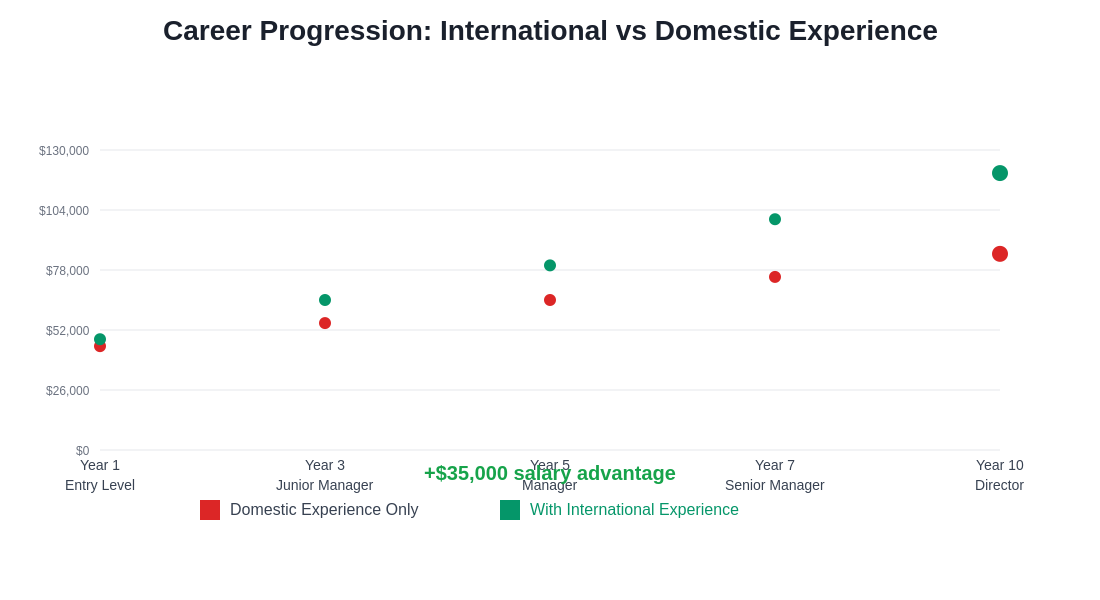
Sharehouse living creates opportunities for building diverse professional networks that span multiple industries, cultures, and geographical markets while developing relationship-building skills that prove essential for business development, client management, and career advancement in increasingly networked global business environments where success often depends on access to diverse professional relationships and cultural expertise.
The international connections developed through sharehouse communities provide access to business opportunities, market insights, and professional referrals that extend career development possibilities beyond traditional domestic networks while building understanding of international business practices and market opportunities that may not be apparent to professionals without international experience and relationships.
Building lasting friendships with individuals from diverse cultural and professional backgrounds demonstrates relationship management capabilities that prove valuable in client relationship roles, international business development, and team leadership positions where success depends on building trust and collaboration across cultural boundaries and varying communication styles.
The experience of maintaining professional relationships across cultural and linguistic barriers while navigating different social expectations and business etiquette develops sophisticated relationship management skills that translate directly to client service roles, international account management, and business development positions requiring cultural sensitivity and adaptive communication approaches.
Digital Competency and Technology Adaptation
Managing the technological challenges of international living while maintaining professional responsibilities builds digital literacy and technology adaptation skills that prove increasingly important in business environments where professionals must quickly learn new systems, adapt to changing technology platforms, and maintain productivity across diverse technological environments that may vary by location, client preference, or organizational infrastructure.
The experience of maintaining communication and professional responsibilities across different time zones, technology platforms, and connectivity challenges builds skills in remote work management, digital collaboration, and technology optimization that prove valuable in increasingly distributed work environments where success depends on effective use of digital tools and platforms for maintaining productivity and team coordination.
Navigating different technological systems, payment platforms, and digital service requirements while maintaining security and privacy builds understanding of international technology regulations, digital privacy requirements, and cybersecurity considerations that prove valuable in roles involving data management, international business operations, or technology implementation across multiple regulatory environments.
The practical experience of maintaining professional online presence while managing international living responsibilities builds understanding of digital personal branding, online reputation management, and cross-cultural digital communication that proves valuable in marketing, business development, and professional services roles where digital presence affects business success.
Entrepreneurial Skills and Independence
The self-reliance required for successful international living builds entrepreneurial thinking and independent operation capabilities that prove valuable in startup environments, consulting roles, and business development positions where professionals must identify opportunities, develop solutions, and implement strategies without extensive organizational support or established operational frameworks.
Managing the practical and financial challenges of international living while pursuing academic or professional objectives builds resource management, strategic planning, and risk assessment skills that translate directly to business planning, project management, and financial planning roles where success depends on balancing multiple priorities while optimizing resource utilization and managing uncertainty.
The experience of identifying and pursuing opportunities in unfamiliar environments builds market analysis, opportunity recognition, and strategic thinking capabilities that prove valuable in business development, consulting, and entrepreneurial roles where success depends on identifying market gaps, understanding customer needs, and developing innovative solutions within competitive business environments.
Building independent living capabilities while navigating complex cultural and regulatory environments demonstrates initiative, learning ability, and problem-solving persistence that predict success in challenging professional roles requiring sustained effort, continuous learning, and adaptive problem-solving under pressure.
Industry-Specific Applications and Career Paths
International experience gained through Tokyo sharehouse living provides particular advantages for careers in international business, consulting, education, tourism, technology, and any industry with significant Asian market exposure or multicultural team management requirements where cultural competency and international perspective represent essential qualifications for career advancement and professional success.
The combination of cultural intelligence, language skills, and adaptability developed through international living creates competitive advantages for consulting roles where professionals must quickly understand client environments, build relationships across cultural boundaries, and develop solutions that account for cultural and regulatory differences affecting business success in international markets.
Educational and training roles benefit significantly from international experience that provides credibility when teaching about global business practices, cultural differences, and international market dynamics while building understanding of diverse learning styles and cultural approaches to education that prove valuable in international educational program development and multicultural classroom management.
Technology roles increasingly require understanding of international markets, regulatory environments, and user preferences that span multiple cultures and economic systems, making international living experience particularly valuable for product development, international market expansion, and global team management roles in technology companies operating across multiple international markets.
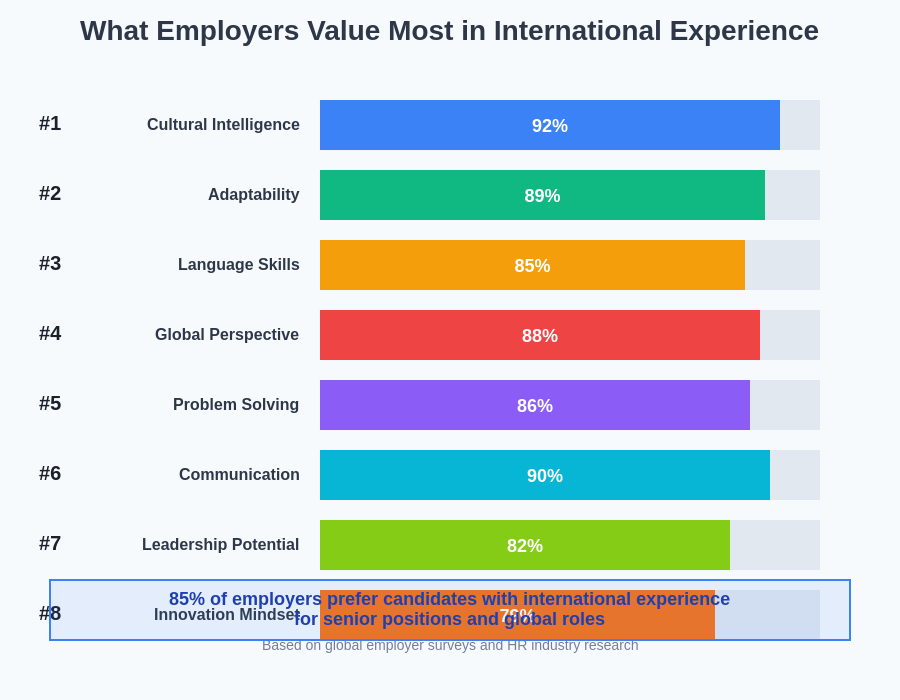
Living in Tokyo sharehouses transforms residents into globally competent professionals equipped with cultural intelligence, language skills, adaptability, and international perspective that modern employers increasingly value in our interconnected global economy. The comprehensive skill development that occurs through navigating daily challenges in international environments creates professional capabilities that distinguish candidates while providing foundations for successful careers in diverse industries requiring global competency and cross-cultural effectiveness.
Disclaimer
This article is for informational purposes only and does not constitute professional career advice. The value of international experience may vary significantly based on specific industries, career paths, and individual circumstances. Readers should consult with career counselors and industry professionals when making career planning decisions. The experiences described may not reflect all possible career benefits or outcomes from international living experiences.