
Karaoke sessions in Tokyo sharehouses serve as fascinating microcosms of human behavior, revealing layers of personality, cultural conditioning, and social dynamics that remain hidden during ordinary daily interactions. These musical gatherings, deeply embedded in Japanese social culture, create unique environments where international residents find themselves navigating unfamiliar social territories while inadvertently exposing their authentic selves through song choices, performance styles, and participation patterns.
The phenomenon of karaoke personality revelation extends far beyond simple entertainment preferences, encompassing complex psychological and cultural dimensions that influence how individuals present themselves, interact with others, and respond to social pressure within the intimate confines of sharehouse community life. Understanding these dynamics becomes crucial for anyone seeking to build meaningful relationships and navigate the intricate social landscapes that define modern Tokyo sharehouse experiences.
The Cultural Context of Karaoke in Japanese Society
Karaoke occupies a unique position in Japanese social culture, functioning simultaneously as entertainment, social bonding mechanism, and informal hierarchy establishment tool that influences how individuals position themselves within group dynamics. The practice originated in Japan and has evolved into a sophisticated social ritual with unwritten rules, expectations, and behavioral patterns that foreign residents must navigate while maintaining their authentic cultural identities.
Within Tokyo sharehouses, karaoke sessions often represent the first significant cross-cultural social experience for many international residents, creating situations where Japanese social norms intersect with diverse international expectations and comfort levels. Making friends through Tokyo sharehouse communities often begins with these shared musical experiences that break down initial social barriers and cultural hesitations.
The intensity of personality revelation during karaoke stems from the medium’s inherent vulnerability requirements, as participants must overcome self-consciousness, language barriers, and cultural unfamiliarity while performing in front of people they may have only recently met. This combination of factors creates ideal conditions for authentic personality expression that might otherwise remain concealed behind polite social facades and cultural accommodation strategies.
Japanese residents often approach karaoke with practiced ease and cultural understanding that contrasts sharply with international residents’ initial uncertainty and varying comfort levels, creating dynamic situations where personality differences become immediately apparent through participation enthusiasm, song selection patterns, and performance confidence levels. Living with Japanese roommates in Tokyo sharehouses frequently involves learning to navigate these cultural performance expectations.
Song Selection as Personality Windows
Individual song choices during karaoke sessions provide remarkably accurate insights into personality types, emotional states, cultural backgrounds, and personal values that participants may not consciously intend to reveal. The psychological mechanisms behind song selection involve complex interactions between personal identity, social perception management, cultural familiarity, and emotional expression needs that create distinctive patterns linking musical preferences to underlying personality characteristics.
Extroverted personalities typically gravitate toward crowd-pleasing selections, popular hits, and energetic performances that invite group participation and create shared experiences, while introverted individuals often choose quieter songs, personal favorites, or culturally specific pieces that reflect their inner emotional landscapes rather than audience entertainment priorities. These patterns become particularly pronounced in sharehouse settings where residents are still establishing their social positions and group dynamics.
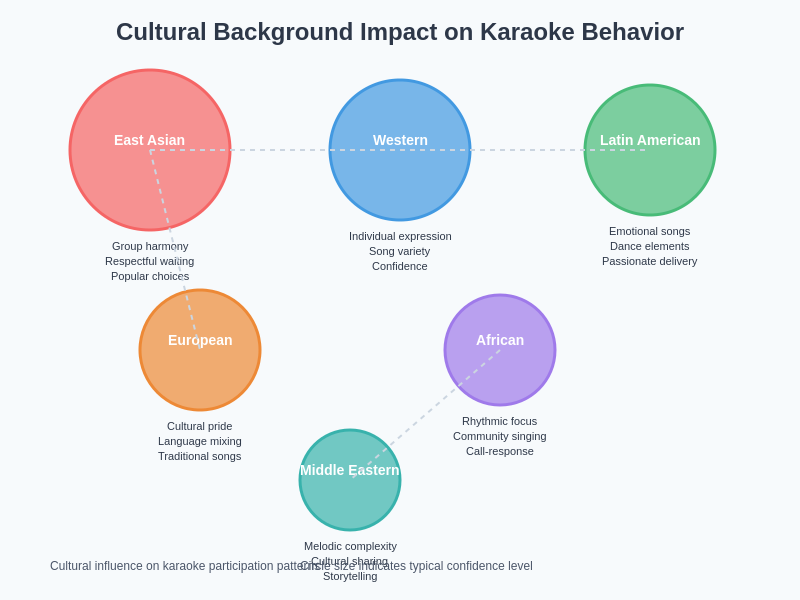
Cultural background significantly influences song selection patterns, with residents choosing pieces that represent their home countries, express nostalgia, or demonstrate cultural pride, while others deliberately avoid culturally specific choices to maintain social acceptance or avoid drawing unwanted attention to their foreign status. Dating while living in Tokyo sharehouses often involves these careful cultural navigation strategies during social activities.
Language comfort levels become immediately apparent through song choices, as some residents confidently attempt Japanese songs despite limited language skills, while others stick strictly to English selections or familiar international hits, revealing their cultural adaptation strategies and risk-taking personalities. The willingness to struggle through unfamiliar languages often correlates with general adaptability and cultural openness traits that influence broader sharehouse integration success.
Emotional expression patterns emerge through the types of songs individuals choose during different moods or social situations, with some residents consistently selecting upbeat, positive songs regardless of circumstances, while others use song selection as emotional outlets for homesickness, relationship challenges, or cultural adjustment difficulties that they might not verbally express to housemates.

Performance Styles and Social Positioning
Performance approaches during karaoke sessions reveal fundamental personality traits related to social confidence, attention-seeking behaviors, perfectionism levels, and cultural adaptation strategies that significantly influence how individuals position themselves within sharehouse social hierarchies. These behavioral patterns often predict broader social integration success and relationship development potential within the shared living environment.
Confident performers who embrace mistakes, encourage audience participation, and treat karaoke as collaborative entertainment typically demonstrate social leadership qualities and cultural adaptability that translate into positive sharehouse community contributions. How social hierarchies develop naturally often begins with these informal performance leadership moments.
Perfectionist personalities frequently approach karaoke with excessive preparation, song practice, and performance anxiety that reflects their broader life approaches and expectations for achievement in unfamiliar cultural contexts. These individuals often struggle with language-related performance anxiety but demonstrate impressive dedication to cultural integration through their careful preparation efforts and attention to pronunciation details.
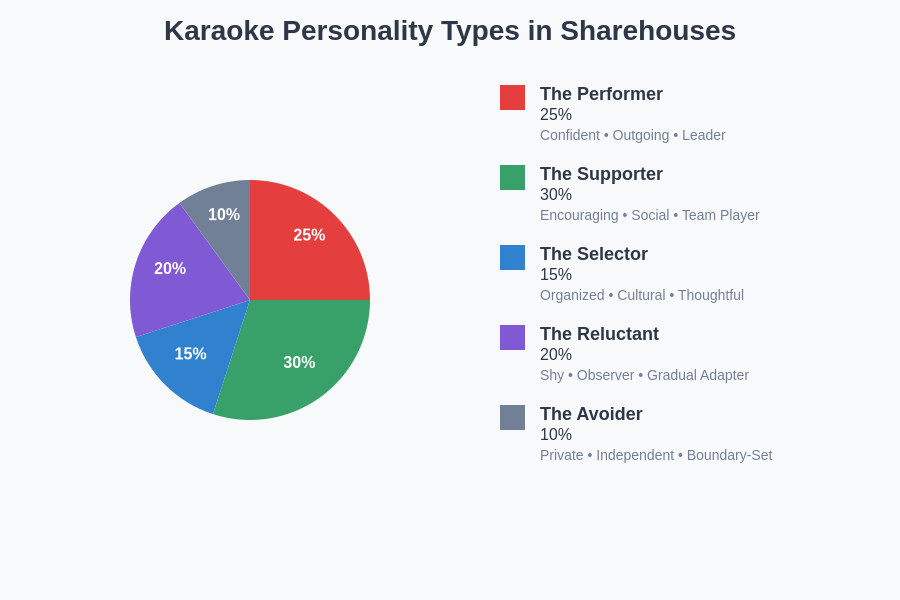
Participation avoidance strategies reveal important personality characteristics and cultural comfort levels, with some residents consistently declining to sing, others participating only reluctantly when pressured, and a few using humor or self-deprecation to deflect performance expectations while maintaining social connection. These patterns often correlate with broader cultural adaptation challenges and social anxiety levels within the sharehouse community.
Cultural performance adaptation becomes visible through how residents modify their natural performance styles to accommodate Japanese karaoke culture, with some embracing local customs enthusiastically while others maintain their cultural performance norms, creating interesting dynamics that influence group acceptance and cultural exchange effectiveness.
Group Dynamics and Social Hierarchies
Karaoke sessions function as informal laboratories for observing how sharehouse social hierarchies establish, maintain, and evolve through music-based interactions that bypass typical verbal communication patterns and cultural politeness conventions. The egalitarian nature of karaoke participation creates unique opportunities for residents to challenge established social positions and demonstrate hidden talents or personality aspects.
Leadership emergence during karaoke often differs significantly from daily sharehouse leadership patterns, with musically confident residents assuming organizational roles, song selection guidance responsibilities, and group energy management tasks that may contrast with their typical social positions. How leadership opportunities emerge naturally frequently occurs during these informal cultural activities.
Social inclusion and exclusion patterns become starkly visible during karaoke sessions, as language barriers, cultural unfamiliarity, and performance anxiety create natural divisions between confident participants and reluctant observers. Understanding these dynamics helps predict broader social integration challenges and friendship development potential within the sharehouse community structure.
Competitive elements inevitably emerge during karaoke sessions, with some residents treating performances as informal competitions while others emphasize collaborative enjoyment, revealing fundamental personality differences regarding achievement orientation, social comparison tendencies, and cultural values that influence daily sharehouse interactions and conflict resolution approaches.
Gender dynamics often shift during karaoke sessions compared to typical sharehouse interactions, with traditional cultural gender roles sometimes reinforced or challenged through song choices, performance styles, and audience reaction patterns that reflect diverse cultural backgrounds and personal values among international resident communities.
Emotional Expression and Vulnerability
Karaoke sessions create unique emotional expression opportunities that allow sharehouse residents to communicate feelings, experiences, and cultural connections that might otherwise remain unexpressed due to language barriers, cultural differences, or social conventions. The musical medium provides alternative communication channels that transcend typical verbal limitations and cultural politeness expectations.
Homesickness and cultural nostalgia frequently surface through song selections that represent home countries, childhood memories, or significant life experiences, providing housemates with insights into residents’ emotional states and cultural backgrounds that facilitate deeper understanding and empathy development. How homesickness hits differently in shared spaces becomes particularly evident during these musical expressions.
Stress relief and emotional release patterns become apparent through how individuals use karaoke sessions to process daily challenges, work pressures, and cultural adjustment difficulties. Some residents consistently choose energetic, cathartic songs while others prefer melancholic or reflective pieces that serve as emotional processing tools within the supportive community context.
Relationship expression through song dedication, duet partnerships, and musical collaboration patterns reveals romantic interests, friendship preferences, and social alliance development that might remain hidden through typical daily interactions. These musical connections often predict broader relationship developments and social group formation within the sharehouse community.
Cultural identity assertion occurs when residents choose songs that represent their heritage, demonstrate linguistic abilities, or share cultural traditions with housemates, creating opportunities for cultural education and appreciation that strengthen community bonds while allowing individuals to maintain authentic cultural connections.
Language Barriers and Communication Breakthroughs
Karaoke sessions frequently generate unexpected language learning opportunities and communication breakthroughs that accelerate cultural integration and relationship development beyond traditional conversation-based interactions. The musical context reduces language performance anxiety while providing structured opportunities for pronunciation practice and cultural vocabulary acquisition.
Japanese language practice through karaoke appeals to many international residents who find singing more accessible than conversation for developing pronunciation skills and cultural familiarity. Language barriers that create more issues than expected often find partial resolution through these musical practice opportunities.
Cross-cultural music education occurs naturally as residents share songs from their home countries, explain cultural contexts, and introduce housemates to diverse musical traditions that expand everyone’s cultural awareness and appreciation. These educational exchanges often develop into lasting cultural bridges and friendship foundations.
Non-verbal communication development flourishes during karaoke sessions as participants learn to convey emotions, stories, and personalities through musical expression that transcends language limitations. These skills often transfer to improved daily communication and social connection development within the sharehouse community.
Confidence building through musical success experiences helps residents overcome language anxiety and cultural hesitation that might otherwise limit their social integration and community participation. Small karaoke victories often translate into broader cultural confidence and communication willingness in other sharehouse contexts.
Conflict Resolution and Social Harmony
Karaoke sessions occasionally generate conflicts related to song selection preferences, performance time monopolization, volume levels, and cultural sensitivity issues that reflect broader personality clashes and cultural misunderstandings within sharehouse communities. However, these same sessions also provide unique opportunities for conflict resolution and social healing through shared musical experiences.
Music selection disputes reveal control issues, cultural insensitivity, and social dominance patterns that might manifest in other sharehouse contexts, allowing communities to address these challenges within the relatively low-stakes karaoke environment before they escalate into more serious living conflicts. How to handle roommate conflicts without moving out often begins with understanding these personality dynamics.
Cultural sensitivity learning occurs when residents make inappropriate song choices, misunderstand cultural references, or inadvertently offend housemates through musical selections, creating educational opportunities for developing cross-cultural awareness and empathy within the supportive community context.
Social healing through collaborative performances, group singing, and musical bonding experiences helps residents overcome previous conflicts, cultural misunderstandings, and personality clashes by creating positive shared memories and emotional connections that transcend surface-level disagreements and cultural differences.
Community building through regular karaoke sessions establishes traditions, shared experiences, and cultural celebrations that strengthen sharehouse identity and resident loyalty while providing ongoing opportunities for personality expression and social connection development.
Long-term Relationship Development
The personality insights gained through karaoke sessions significantly influence long-term relationship trajectories within sharehouse communities, as musical compatibility, performance comfort levels, and cultural appreciation patterns often predict friendship sustainability and romantic relationship development potential. These early personality revelations help residents make informed decisions about social investments and relationship priorities.
Friendship formation patterns frequently trace back to karaoke compatibility, shared musical interests, and complementary performance styles that create natural bonding opportunities and ongoing connection points throughout residents’ sharehouse experiences. Real stories from Tokyo sharehouse residents often highlight these musical friendship origins.
Social group formation within sharehouses often reflects karaoke participation patterns, with regular participants developing stronger community bonds and cultural integration while non-participants sometimes find themselves marginalized from certain social activities and relationship development opportunities.
Cultural integration acceleration occurs for residents who embrace karaoke culture enthusiastically, as their willingness to participate authentically demonstrates cultural respect and adaptation commitment that earns acceptance from Japanese housemates and facilitates broader social integration success.
Personality growth and development through repeated karaoke exposure helps initially shy or culturally hesitant residents develop confidence, cultural adaptation skills, and social connection abilities that benefit their broader Tokyo living experience and personal development goals.
Practical Applications for Sharehouse Harmony
Understanding karaoke personality dynamics enables sharehouse residents to navigate social situations more effectively, build stronger relationships, and create more inclusive community experiences that accommodate diverse personality types and cultural backgrounds. This knowledge helps both organizers and participants optimize these social gatherings for maximum community benefit.
Inclusive karaoke planning involves considering diverse comfort levels, cultural backgrounds, and participation preferences when organizing sessions, ensuring that both confident performers and reluctant participants find meaningful ways to contribute to community building and social connection development.
Personality accommodation strategies help residents support housemates who struggle with performance anxiety, language barriers, or cultural unfamiliarity while encouraging gradual participation that respects individual boundaries and cultural adaptation timelines.
Community integration facilitation through thoughtful karaoke organization can accelerate new resident acceptance, cultural bridge-building, and social hierarchy establishment in positive ways that benefit overall sharehouse harmony and resident satisfaction levels.
Cultural celebration opportunities through themed karaoke sessions allow residents to share their heritage, teach cultural traditions, and build appreciation for diversity while creating memorable shared experiences that strengthen community bonds and cultural understanding.
The profound insights revealed through karaoke sessions continue to influence sharehouse relationships long after the music stops, creating lasting impressions and relationship foundations that shape community dynamics throughout residents’ Tokyo living experiences. These musical windows into personality provide invaluable tools for understanding, accepting, and celebrating the diverse human qualities that make sharehouse living both challenging and rewarding for international residents navigating cultural adaptation in Japan’s dynamic capital city.
Disclaimer
This article is for informational purposes only and reflects general observations about social dynamics in sharehouse environments. Individual experiences may vary significantly based on personal backgrounds, cultural contexts, and specific community dynamics. Readers should approach social situations with cultural sensitivity and respect for diverse comfort levels and participation preferences.