Kitchen cleaning schedules in sharehouses represent one of the most persistent sources of tension and conflict in shared living environments, despite appearing deceptively simple on paper. The systematic breakdown of these well-intentioned organizational systems reveals deeper issues about human behavior, cultural differences, and the inherent challenges of maintaining shared spaces among strangers with varying standards of cleanliness and personal responsibility.
The inevitable failure of kitchen cleaning schedules creates ripple effects that extend far beyond simple hygiene concerns, affecting relationships, house harmony, and individual stress levels in ways that can fundamentally alter the sharehouse living experience. Understanding these breakdown patterns provides crucial insights for both residents navigating existing systems and house managers attempting to create sustainable cleaning frameworks that actually function in real-world conditions.
The Anatomy of Schedule Failure
Kitchen cleaning schedules typically begin with optimistic assumptions about human behavior and shared responsibility that rarely align with the complex realities of diverse personalities living together. Japanese sharehouse rules every foreigner should know often emphasize collective responsibility, but the practical implementation reveals significant gaps between cultural expectations and individual compliance patterns.
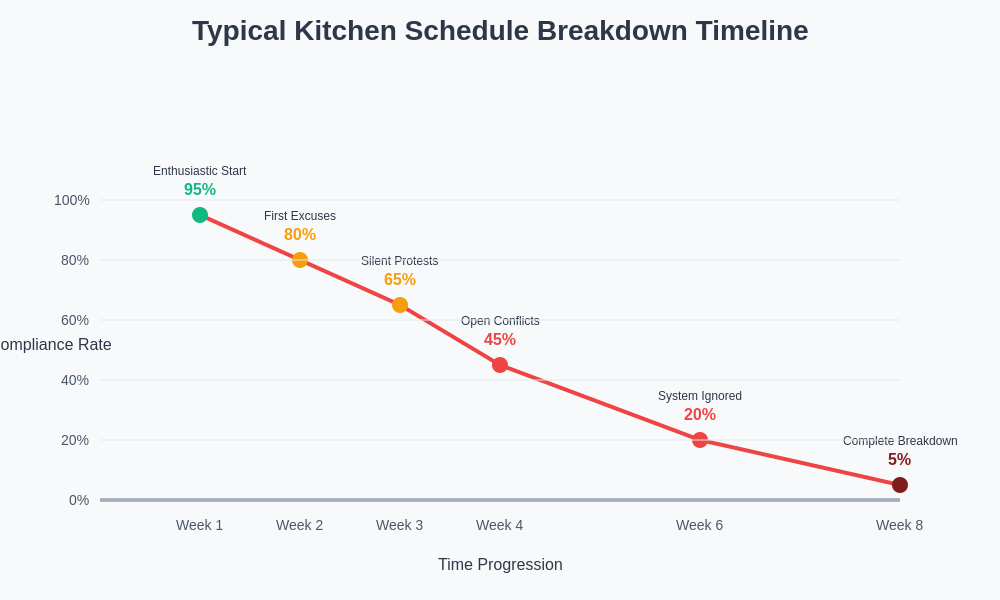
The initial enthusiasm that accompanies new cleaning schedules frequently masks underlying issues such as differing cleanliness standards, varying schedules that make designated cleaning times impractical, and cultural differences in cleaning methods and expectations. These foundational problems become apparent within the first few weeks as residents encounter conflicts between their assigned responsibilities and their personal routines, availability, and standards.
Most cleaning schedules fail to account for the natural variation in residents’ cooking habits, with some individuals rarely using the kitchen while others prepare elaborate meals multiple times daily. This disparity creates immediate inequity in both mess creation and cleaning burden, leading to resentment and system abandonment as residents perceive the distribution of responsibilities as fundamentally unfair.
Cultural Collision Points
The intersection of different cultural approaches to cleanliness and shared responsibility creates particularly challenging dynamics in international sharehouses where residents bring vastly different expectations and practices from their home countries. Living with Japanese roommates in Tokyo sharehouses highlights how cultural cleaning standards can vary dramatically, creating friction that extends beyond simple scheduling conflicts.
Some cultures emphasize immediate cleaning after use, while others prioritize batch cleaning at designated times, creating conflicts when these approaches intersect in shared spaces. The concept of “clean enough” varies significantly across cultural backgrounds, with some residents satisfied by basic tidiness while others require thorough sanitization and organization that meets much higher standards.
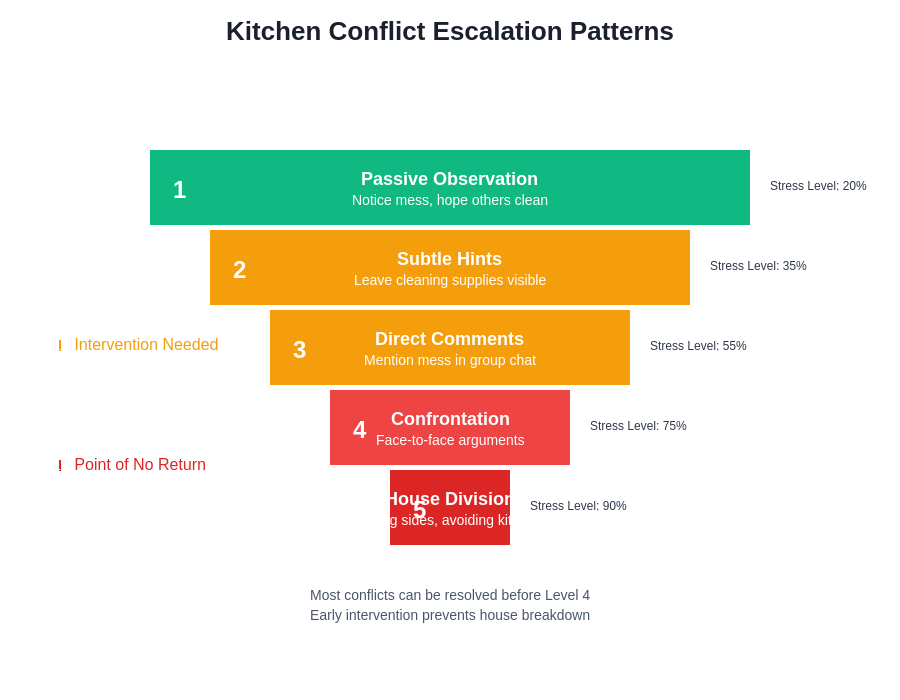
Communication styles around cleaning expectations also vary culturally, with some residents preferring direct confrontation about cleanliness issues while others employ indirect hints or passive-aggressive signals that may be misinterpreted or completely missed by housemates from different cultural backgrounds. How to handle roommate conflicts without moving out becomes essential reading when these cultural differences escalate into persistent conflicts.
The Psychology of Shared Responsibility
The psychological phenomenon known as diffusion of responsibility becomes particularly pronounced in kitchen cleaning scenarios where multiple individuals share accountability for maintaining cleanliness standards. When everyone is responsible, individual residents often unconsciously reduce their personal sense of obligation, assuming that others will compensate for their reduced effort or that someone else will handle tasks they prefer to avoid.
This psychological effect intensifies when residents have different tolerance levels for mess and disorder, creating situations where the most cleanliness-conscious individuals bear disproportionate cleaning burdens simply because they reach their discomfort threshold first. Why some residents never clean their dishes explores the deeper psychological and practical factors that contribute to this imbalanced dynamic.
The social psychology of free-riding behavior becomes evident as some residents consciously or unconsciously rely on others to maintain kitchen cleanliness while contributing minimal effort themselves. This behavior often develops gradually, starting with occasional schedule violations that escalate into systematic avoidance as residents test the boundaries of what they can avoid without facing consequences.
Schedule Design Flaws and Unrealistic Expectations
Most kitchen cleaning schedules suffer from fundamental design flaws that ignore the practical realities of sharehouse living, including variable work schedules, travel patterns, and the natural ebb and flow of kitchen usage intensity. How shift work schedules affect roommate relations demonstrates how irregular schedules make fixed cleaning assignments problematic and often impossible to maintain consistently.
The typical weekly rotation system fails to account for differences in kitchen usage patterns, with heavy cookers bearing the same cleaning responsibility as residents who primarily eat out or prepare simple meals that generate minimal mess. This inherent inequity undermines the perceived fairness of the system and provides justification for residents to abandon their assigned responsibilities.
Many schedules also fail to define specific cleaning tasks beyond general terms like “kitchen cleaning,” leading to conflicts over what constitutes adequate completion of assigned duties. Without detailed specifications about countertop wiping, appliance cleaning, floor mopping, and trash removal, residents complete tasks to their personal standards, which may be insufficient for other housemates’ expectations.
The Enforcement Problem
The lack of effective enforcement mechanisms represents perhaps the most critical weakness in kitchen cleaning schedule systems, as most sharehouses operate without clear consequences for non-compliance or reliable systems for addressing repeated violations. How cleaning responsibilities create house drama examines how enforcement attempts often escalate into broader conflicts that damage house harmony and relationships.
House managers or designated enforcers face the challenging task of monitoring compliance without creating an atmosphere of surveillance and confrontation that makes the living environment uncomfortable for everyone. The informal nature of most sharehouse arrangements makes it difficult to implement meaningful consequences beyond social pressure, which proves inadequate for residents who are comfortable ignoring their responsibilities.
The social dynamics of enforcement create additional complications as residents may resist criticism from peers they consider equals rather than authority figures, leading to defensive responses and escalating conflicts rather than improved compliance. This peer-to-peer enforcement challenge becomes particularly problematic when cultural hierarchies or age differences create additional layers of social complexity.
Economic and Practical Consequences
The breakdown of kitchen cleaning schedules creates cascading economic and practical consequences that extend far beyond simple inconvenience, affecting food storage, cooking capabilities, and even health and safety conditions in shared living spaces. Understanding utility bills in Japanese sharehouses becomes relevant when pest problems or appliance damage result from poor kitchen maintenance and cleaning compliance.
Persistent kitchen mess and inadequate cleaning create environments that attract pests, damage appliances through neglect, and create food safety hazards that can lead to illness among residents. The cost of replacing damaged equipment, professional cleaning services, or pest control measures often exceeds the investment in effective cleaning schedule implementation and enforcement.
The practical impact on daily living becomes significant as residents avoid using poorly maintained kitchen facilities, leading to increased dining out expenses, reduced nutritional quality from relying on convenience foods, and decreased social interaction around cooking and meal preparation that often forms the foundation of sharehouse community building.
Alternative Systems and Adaptive Solutions
Recognition of traditional cleaning schedule failures has led some sharehouses to experiment with alternative systems that address the underlying psychological and practical issues that cause standard schedules to break down. Making friends through Tokyo sharehouse communities often involves finding creative solutions to shared responsibility challenges that strengthen rather than strain relationships.
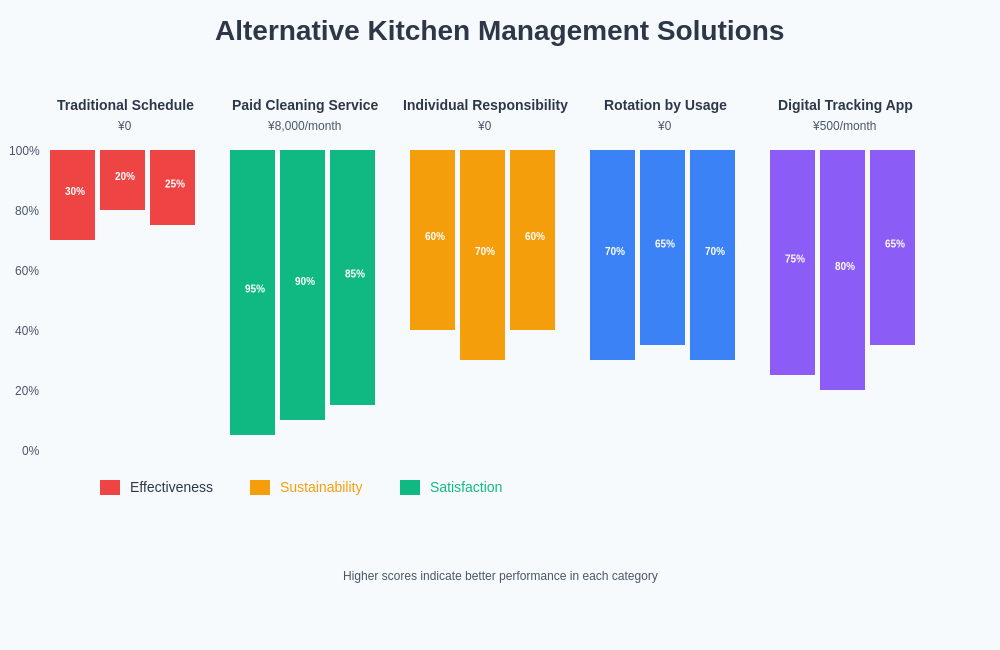
Some successful alternatives include contribution-based systems where residents pay into a fund for professional cleaning services, eliminating the need for individual schedule compliance while ensuring consistent cleanliness standards. Task-specific rotation systems that assign particular responsibilities rather than general “kitchen cleaning” provide clearer expectations and reduce conflicts over completion standards.
Flexible scheduling systems that allow residents to trade responsibilities or complete tasks within broader timeframes rather than specific assigned days accommodate the reality of varied schedules and commitments while maintaining accountability for overall cleanliness maintenance. How to budget realistically for sharehouse living should include considerations for alternative cleaning solutions that may cost more upfront but reduce ongoing conflicts and stress.
Technology and Modern Solutions
Modern technology offers potential solutions to traditional cleaning schedule challenges through apps that track compliance, automated reminder systems, and digital coordination platforms that provide transparency and accountability without requiring face-to-face confrontation. Real stories from Tokyo sharehouse residents increasingly include examples of houses successfully implementing digital solutions to coordination challenges.
Smart home technology enables automated monitoring of kitchen usage and cleanliness levels, providing objective data about compliance and maintenance needs rather than relying on subjective assessments that often lead to conflicts. Photo documentation requirements through apps can provide verification of task completion while creating records that help identify patterns and persistent problems.
However, technology solutions require buy-in from all residents and can create new sources of conflict when residents resist digital monitoring or compliance tracking systems that they perceive as invasive or unnecessarily complicated compared to simple verbal agreements and informal coordination.
Long-term Impact on House Dynamics
The persistent failure of kitchen cleaning schedules creates long-term damage to house social dynamics that extends far beyond the immediate cleanliness issues, affecting trust, respect, and community cohesion in ways that can permanently alter the sharehouse living experience. Why some residents become social outcasts often traces back to conflicts over shared responsibilities and perceived unfairness in contribution to house maintenance.
Residents who consistently fulfill their cleaning obligations while others shirk responsibilities develop resentment that affects their willingness to participate in other house activities and community building efforts. This erosion of goodwill creates divisions between “responsible” and “irresponsible” residents that can persist long after specific cleaning conflicts are resolved.
The stress and frustration generated by cleaning schedule failures often motivate residents to seek alternative living arrangements, increasing turnover rates that further destabilize house communities and make it more difficult to establish sustainable systems and traditions. What moving out really costs in Tokyo sharehouses becomes relevant when cleaning conflicts drive residents to leave otherwise suitable living situations.
Preventing System Breakdown
Successful prevention of kitchen cleaning schedule breakdown requires realistic assessment of resident personalities, schedules, and cleanliness standards during the initial system design phase, rather than assuming that good intentions and clear assignments will be sufficient to maintain long-term compliance. How to find the perfect sharehouse in Tokyo should include evaluation of existing cleaning systems and house policies around shared responsibility enforcement.
Clear definition of cleaning tasks, standards, and consequences must be established before problems arise, with specific agreements about what constitutes acceptable completion of responsibilities and how violations will be addressed. This preventive approach requires uncomfortable conversations about expectations and accountability that many houses prefer to avoid until problems become unavoidable.
Regular system evaluation and adjustment help identify problems before they escalate into major conflicts, allowing for modifications that address changing house dynamics, resident turnover, and evolving needs without abandoning the entire framework when minor adjustments could restore functionality.
Understanding the inevitable breakdown of kitchen cleaning schedules provides valuable insights into the broader challenges of shared living and collective responsibility that extend far beyond simple household maintenance. The patterns that emerge from these failures reveal fundamental aspects of human behavior, cultural differences, and social dynamics that affect all aspects of sharehouse community building and long-term living satisfaction.
Disclaimer
This article is for informational purposes only and reflects common patterns observed in sharehouse living situations. Individual experiences may vary significantly based on house culture, resident personalities, and management approaches. The effectiveness of cleaning systems and conflict resolution strategies depends on specific circumstances and the willingness of all residents to participate constructively in shared living arrangements.