The vibrant nightlife culture of Tokyo presents a fascinating paradox for international residents living in sharehouses: while the city offers endless entertainment opportunities that continue well into the early morning hours, the practical reality of getting home after midnight creates significant constraints that fundamentally reshape social patterns and community dynamics. This transportation challenge affects not only individual social experiences but also influences the broader sharehouse community’s ability to build meaningful relationships and participate in Tokyo’s renowned after-dark culture.
The intersection of Tokyo’s transportation infrastructure and social life creates a unique set of challenges that international residents must navigate carefully. Understanding these limitations becomes essential for managing expectations, planning social activities effectively, and developing strategies that allow for meaningful participation in both sharehouse community building and Tokyo’s broader social landscape without compromising personal safety or incurring prohibitive costs.
Understanding Tokyo’s Late Night Transportation Reality
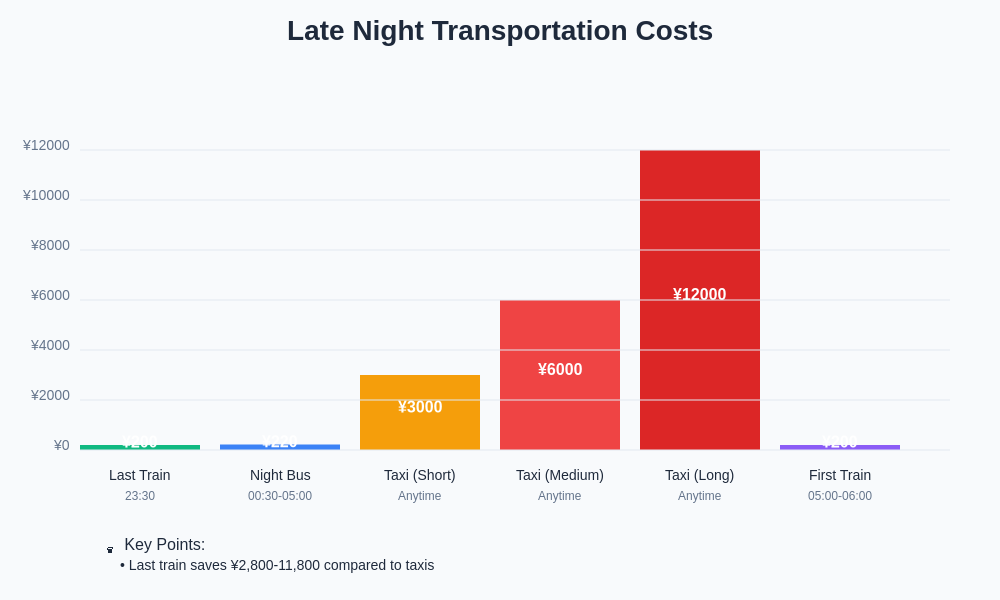
Tokyo’s legendary efficiency in public transportation operates within specific temporal boundaries that create distinct social and economic implications for residents who wish to engage in evening and late-night activities. The major train lines that connect Tokyo’s sprawling metropolitan area typically cease operations between midnight and 12:30 AM, with the first trains resuming service around 5:00 AM, creating a significant gap in affordable transportation options during peak social hours.
This transportation schedule reflects Japan’s traditional work culture and social norms, where early morning starts and structured daily routines have historically taken precedence over late-night entertainment activities. However, modern Tokyo’s international population and evolving social culture increasingly conflicts with these transportation limitations, creating tension between desired social participation and practical mobility constraints.
Understanding commute times and their impact on quality of life becomes particularly relevant when considering how transportation limitations extend beyond daily work commutes to fundamentally affect recreational and social mobility throughout the metropolitan area.
The financial implications of missing the last train create additional pressure on social decision-making, as alternative transportation methods such as taxis can cost anywhere from 3,000 to 15,000 yen depending on distance and destination, representing a significant portion of many residents’ monthly entertainment budgets.
Impact on Evening Social Activities and Event Participation
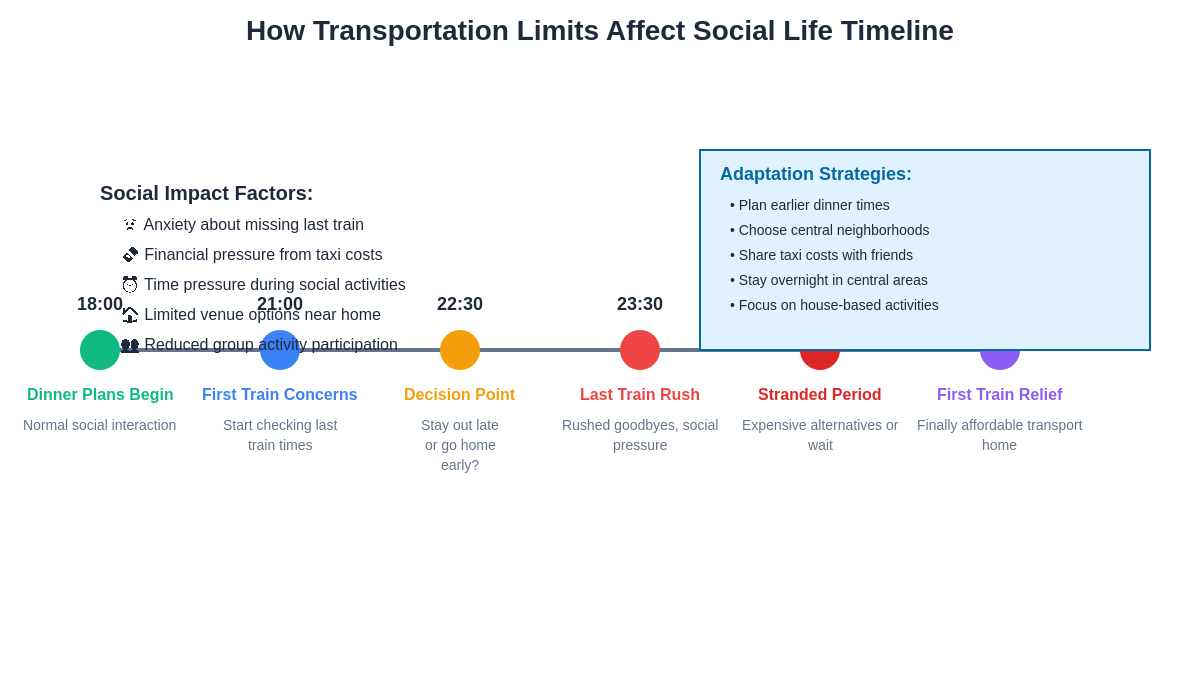
The constraint of last train schedules fundamentally alters how sharehouse residents approach evening social activities, often requiring careful timing calculations that prioritize transportation logistics over natural social flow and spontaneous interactions. Making friends through Tokyo sharehouse communities becomes more challenging when social activities must be carefully orchestrated around transportation deadlines rather than organic relationship building.
Restaurant and bar experiences often feel rushed or artificially shortened when participants must constantly monitor time to ensure they can catch the last available trains to their respective neighborhoods. This creates a distinctly different social dynamic compared to cities with comprehensive late-night transportation systems, where social activities can develop naturally without external time pressures.
Group activities and community events within sharehouses frequently end earlier than residents might prefer, as organizers must consider the transportation needs of participants from various locations across Tokyo. This limitation particularly affects inter-sharehouse social networking and the development of broader international community connections that extend beyond individual living arrangements.
The psychological impact of time-constrained social activities extends beyond simple inconvenience, often creating anxiety and social pressure that can diminish the quality of interactions and reduce overall satisfaction with Tokyo’s social opportunities. Dating while living in Tokyo sharehouses faces particular challenges when romantic encounters must be carefully timed around transportation schedules.
Nightlife and Entertainment Limitations
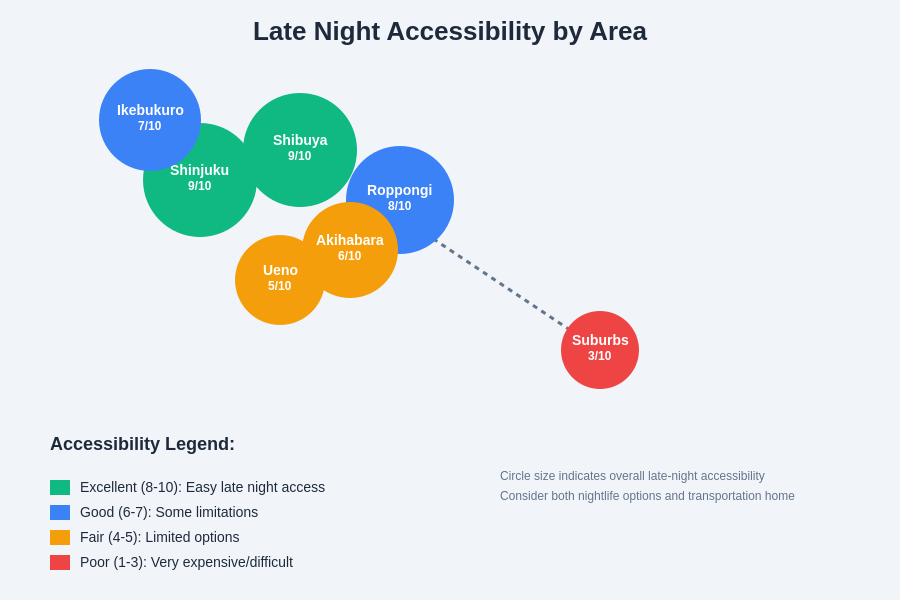
Tokyo’s renowned nightlife districts such as Shibuya, Shinjuku, and Roppongi offer world-class entertainment experiences that often reach their peak energy levels well after the last trains have departed, creating a fundamental disconnect between when entertainment venues hit their stride and when transportation becomes unavailable or prohibitively expensive.
The cultural phenomenon of “nomihodai” (all-you-can-drink) events and late-night karaoke sessions represents quintessential Tokyo social experiences that become significantly more complicated when participants must choose between full participation and reasonable transportation costs. How karaoke sessions reveal personality differences becomes less relevant when sessions must end abruptly due to transportation constraints.
International residents often find themselves caught between two unsatisfactory options: leaving entertainment venues early to catch the last train and missing the peak social experience, or staying until venues close and facing expensive taxi rides or waiting until first trains resume service. This dilemma particularly affects younger residents with limited budgets who cannot easily absorb frequent high transportation costs.
The social stratification that emerges from these transportation limitations can create divisions within sharehouse communities, where residents with higher disposable incomes can participate more freely in late-night activities while budget-conscious residents become excluded from certain social opportunities due to transportation costs rather than personal preferences.
Alternative Transportation Costs and Budget Impact
The economic implications of late-night transportation alternatives create significant budget pressures that can fundamentally alter social spending patterns and lifestyle choices for sharehouse residents. Taxi services, while convenient and readily available, represent a substantial financial commitment that can easily consume a large portion of monthly entertainment budgets with just a few late-night outings.
Night bus services provide a more affordable alternative to taxis but operate on limited routes with infrequent schedules that may not align with optimal social timing or provide convenient access to all sharehouse locations. How transportation costs impact entertainment budgets becomes a critical consideration for residents trying to balance social participation with financial responsibility.
The rise of ride-sharing applications has provided additional options but at costs that remain prohibitive for regular use by most sharehouse residents. The surge pricing models commonly employed during peak late-night hours can increase costs even further, making spontaneous social decisions financially challenging.
Some residents develop creative cost-sharing strategies for group transportation, but these arrangements require advance planning and coordination that can limit spontaneous social opportunities and add complexity to simple social interactions. How group travel planning becomes complicated reflects these challenges in broader social coordination.
Social Stratification and Community Division
The transportation limitations create subtle but significant social stratification within sharehouse communities, where access to late-night social activities becomes correlated with financial resources rather than social compatibility or shared interests. This economic barrier can inadvertently exclude residents from community bonding experiences and relationship-building opportunities that occur during evening and late-night activities.
Residents with higher incomes or more flexible financial situations can participate more freely in late-night social activities, potentially developing stronger social networks and more integrated community connections. Meanwhile, budget-conscious residents may find themselves increasingly isolated from certain social circles and community experiences due to transportation cost constraints.
The development of separate social groups based on transportation accessibility rather than genuine compatibility can weaken overall sharehouse community cohesion and create tension between residents with different financial capabilities. How age differences impact sharehouse compatibility intersects with transportation issues when older residents with established careers have more flexibility than younger residents or students.
These divisions can be particularly pronounced during special events, celebrations, or seasonal activities where transportation costs are highest and social pressure to participate is strongest. The resulting social dynamics can create long-term impacts on community relationships and individual satisfaction with sharehouse living experiences.
Cultural Integration and Language Learning Challenges
Late-night social environments often provide unique opportunities for cultural immersion and language practice that become less accessible when transportation constraints limit participation. Japanese social culture includes many evening and late-night activities that serve as important venues for building relationships with local residents and practicing conversational Japanese in natural settings.
Language exchange programs that work in sharehouses may be supplemented by organic language practice opportunities that occur in bars, restaurants, and entertainment venues during late-night hours when social barriers are typically lower and conversations flow more naturally.
The nomikai (drinking party) culture that plays a central role in Japanese professional and social relationships often extends well beyond last train times, creating dilemmas for international residents who want to participate in authentic cultural experiences but face transportation challenges. Missing these opportunities can limit cultural integration and professional networking possibilities.
Traditional festivals, seasonal celebrations, and cultural events frequently include evening and late-night components that represent important cultural learning experiences. Transportation limitations can prevent full participation in these events, reducing opportunities for deep cultural understanding and meaningful connections with Japanese society.
Adaptation Strategies and Creative Solutions
Experienced sharehouse residents often develop sophisticated strategies for navigating transportation limitations while maintaining active social lives and community participation. These adaptations require careful planning, financial budgeting, and sometimes creative scheduling that balances social desires with practical constraints.
Strategic neighborhood selection becomes crucial for residents who prioritize active nightlife participation. Best Tokyo neighborhoods for sharehouse living takes on additional significance when considering proximity to entertainment districts and the availability of late-night transportation alternatives.
Many residents learn to optimize their social schedules by concentrating multiple activities into single evenings, planning overnight stays with friends in central locations, or coordinating group activities that justify shared transportation costs. These strategies require advance planning but can provide more satisfying social experiences when executed effectively.
Some sharehouse communities develop internal solutions such as designated driver rotations, group transportation funds, or coordinated activity planning that helps distribute costs and ensure broader community participation in evening activities. How car sharing works among sharehouse residents represents one approach to addressing these challenges.
Seasonal Variations and Special Event Challenges
Tokyo’s seasonal calendar includes numerous festivals, celebrations, and special events that occur during evening and late-night hours, creating periodic challenges that intensify the usual transportation limitations. Cherry blossom season, summer festivals, and New Year celebrations often feature activities that extend well beyond normal transportation schedules.
How seasonal demand affects sharehouse prices correlates with increased social activity during certain periods when transportation challenges become more pronounced and expensive. The combination of higher event costs and increased transportation expenses can create significant budget pressures during peak social seasons.
Winter weather conditions can exacerbate transportation challenges by making walking distances more difficult and increasing the appeal of expensive taxi services over waiting for limited night bus options. The psychological impact of cold weather combined with transportation stress can significantly reduce motivation for evening social participation.
Summer heat creates different but equally challenging conditions where the comfort of air-conditioned transportation becomes more important, potentially increasing reliance on expensive taxi services over cheaper but less comfortable alternatives like walking or cycling longer distances.
Mental Health and Social Isolation Impacts
The cumulative effect of transportation-limited social participation can contribute to feelings of social isolation and reduced community connection, particularly for residents who are already navigating the challenges of international living and cultural adaptation. The constant need to balance social desires with transportation logistics can create decision fatigue and reduce overall satisfaction with social opportunities.
How mental health support varies in sharehouses becomes relevant when transportation limitations contribute to social isolation and reduced community participation. The stress of managing transportation logistics can compound other adjustment challenges faced by international residents.
Young professionals and students may experience particular pressure when transportation constraints conflict with career networking opportunities or academic social events that occur during late-night hours. The long-term impact on professional development and academic integration can extend beyond immediate social satisfaction.
The fear of missing out (FOMO) combined with financial constraints can create ongoing stress and dissatisfaction that affects overall mental health and community relationships. Residents may feel excluded from community experiences due to factors beyond their control, leading to resentment and reduced engagement with sharehouse activities.
Technology Solutions and Digital Adaptations
Modern technology provides some mitigation strategies for transportation challenges, though these solutions come with their own limitations and costs. Ride-sharing applications offer more flexibility than traditional taxis but often at premium prices during peak late-night hours when demand is highest.
Transportation planning applications help residents optimize their social schedules by providing real-time information about last train times, alternative routes, and cost comparisons between different transportation options. However, the need for constant technological management of social activities can reduce spontaneity and natural social flow.
Digital community platforms within sharehouses can help coordinate group activities and share transportation costs, but these solutions require active participation and advance planning that may not suit all social situations or personality types. How social media groups connect sharehouse communities can facilitate coordination but cannot eliminate underlying transportation constraints.
Virtual social activities and online community building provide alternatives to in-person late-night socialization, but these options cannot fully replace the cultural immersion and relationship-building opportunities that occur through shared physical experiences in Tokyo’s social environments.
Long-term Community Building Implications
The ongoing challenge of transportation limitations can influence long-term community stability and relationship development within sharehouses, as residents who struggle with social participation may be more likely to relocate or reduce their community engagement over time. Why some residents always feel like outsiders can be partially attributed to transportation barriers that prevent full social integration.
Successful long-term sharehouse communities often develop cultural norms and support systems that acknowledge transportation challenges and create inclusive social opportunities that accommodate various financial situations and transportation constraints. These adaptations require conscious effort and community leadership to implement effectively.
The development of house-specific social traditions and activities that work within transportation limitations can strengthen community bonds and create unique cultural experiences that don’t require late-night travel. However, these internal solutions cannot completely replace the broader social and cultural opportunities that Tokyo offers during late-night hours.
Understanding and addressing transportation challenges proactively can improve overall community satisfaction and retention, creating more stable and supportive living environments for international residents navigating the complexities of Tokyo social life while managing practical constraints and financial limitations.
The relationship between transportation infrastructure and social life in Tokyo represents a fundamental aspect of international living that requires careful consideration, creative adaptation, and realistic expectation management to ensure satisfying community experiences while maintaining financial stability and personal well-being.
Disclaimer
This article is for informational purposes only and reflects general experiences of sharehouse residents in Tokyo. Transportation schedules, costs, and availability may vary and change over time. Individual experiences with social activities and transportation challenges may differ based on personal circumstances, location, and financial situation. Readers should research current transportation options and costs when planning social activities.