The phenomenon of natural leadership emergence within sharehouse communities represents one of the most fascinating aspects of shared living dynamics, where individuals discover untapped potential and develop essential life skills through organic community interactions. Unlike formal organizational structures where leadership positions are designated from above, sharehouses create unique environments where leadership opportunities arise spontaneously based on individual initiative, community needs, and natural personality traits that surface through daily interactions.
The collaborative nature of sharehouse living provides countless opportunities for residents to step into leadership roles that range from organizing social events and managing household logistics to mediating conflicts and facilitating communication between diverse cultural backgrounds. These experiences often serve as foundational training grounds for future professional leadership roles, offering practical experience in team management, cross-cultural communication, and problem-solving that cannot be replicated in traditional academic or training environments.
Understanding Natural Leadership Development in Shared Spaces
Natural leadership development in sharehouses occurs through a complex interplay of personal characteristics, situational demands, and community dynamics that create organic opportunities for individuals to demonstrate and develop leadership capabilities. Unlike appointed leadership positions, these roles emerge based on genuine community needs and individual willingness to take responsibility for collective well-being and house harmony.
The absence of formal hierarchy in most sharehouses creates space for multiple leadership styles to emerge simultaneously, allowing residents with different strengths to contribute in various capacities. Making friends through Tokyo sharehouse communities often begins with individuals who naturally take initiative in organizing activities and creating inclusive environments that welcome new residents and foster social connections.
Personality traits that contribute to natural leadership emergence include empathy, communication skills, cultural sensitivity, problem-solving abilities, and the willingness to take initiative when community issues arise. However, the most successful sharehouse leaders are those who balance assertiveness with collaboration, ensuring that leadership roles enhance rather than dominate community dynamics.
The multicultural environment of most Tokyo sharehouses provides particularly rich opportunities for leadership development, as residents must navigate complex cultural differences, language barriers, and varying expectations about community living. These challenges create natural opportunities for individuals with strong intercultural competence to emerge as bridges between different groups and facilitators of understanding.
Identifying Emerging Leadership Opportunities
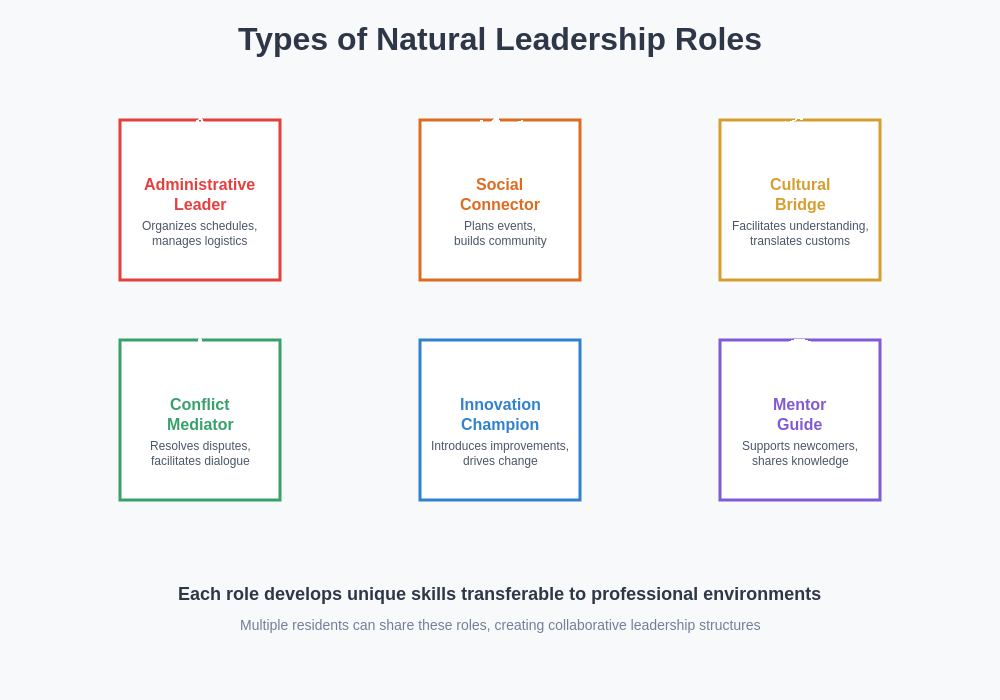
Leadership opportunities in sharehouses manifest in numerous forms, from immediate practical needs to long-term community development initiatives that require sustained commitment and organizational skills. How to handle roommate conflicts without moving out often involves individuals who naturally step forward during tense situations to facilitate dialogue and find mutually acceptable solutions.
Administrative leadership opportunities frequently emerge around practical house management issues such as organizing cleaning schedules, coordinating utility payments, managing shared resources, and serving as liaison points with property management companies. These roles require attention to detail, organizational skills, and the ability to maintain fairness while ensuring house operations run smoothly.
Social leadership roles develop around community building activities including organizing house parties, cultural celebration events, group trips, and regular social gatherings that strengthen bonds between residents. Individuals who excel in these roles typically demonstrate creativity, inclusivity, and the ability to accommodate diverse interests and cultural preferences within unified activities.
Communication leadership becomes essential in houses with significant language diversity, where individuals with strong multilingual abilities or cultural translation skills naturally become facilitators of understanding between residents from different backgrounds. Living with Japanese roommates in Tokyo sharehouses often requires cultural ambassadors who can bridge communication gaps and explain cultural nuances.
The Psychology of Stepping Forward
The psychological factors that motivate individuals to assume leadership responsibilities in sharehouses include both intrinsic motivations such as personal growth desires and community service orientation, as well as extrinsic factors like recognition needs and skill development goals. Understanding these motivations helps explain why certain individuals consistently emerge as natural leaders while others prefer supportive roles.
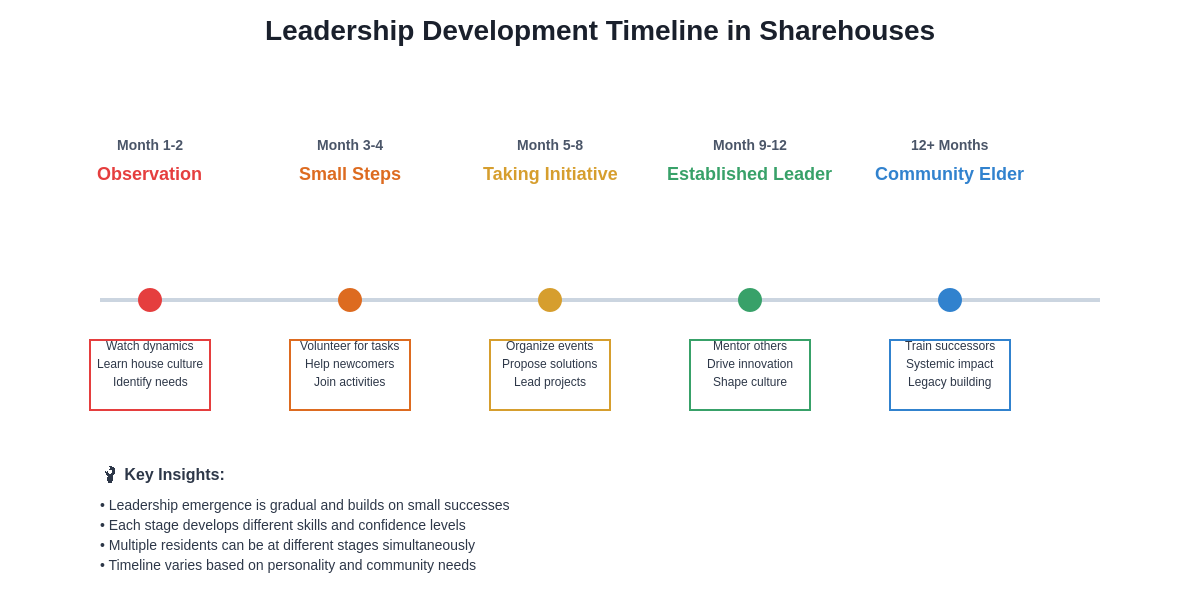
Confidence building occurs naturally as residents take on increasing responsibilities and see positive outcomes from their leadership efforts. Success in small leadership tasks builds self-efficacy and encourages individuals to tackle more complex challenges, creating positive feedback loops that develop leadership capabilities over time.
Cultural background significantly influences leadership emergence patterns, as different societies have varying expectations about individual initiative, community responsibility, and appropriate leadership styles. Some residents come from cultures that emphasize collective decision-making, while others are accustomed to more hierarchical structures, creating interesting dynamics as these different approaches interact.
The safety of the sharehouse environment allows residents to experiment with leadership styles and take risks that they might avoid in professional settings where mistakes carry higher stakes. This experimental space enables individuals to discover their natural leadership approaches and develop authentic leadership personas.
Skills Development Through Community Responsibilities
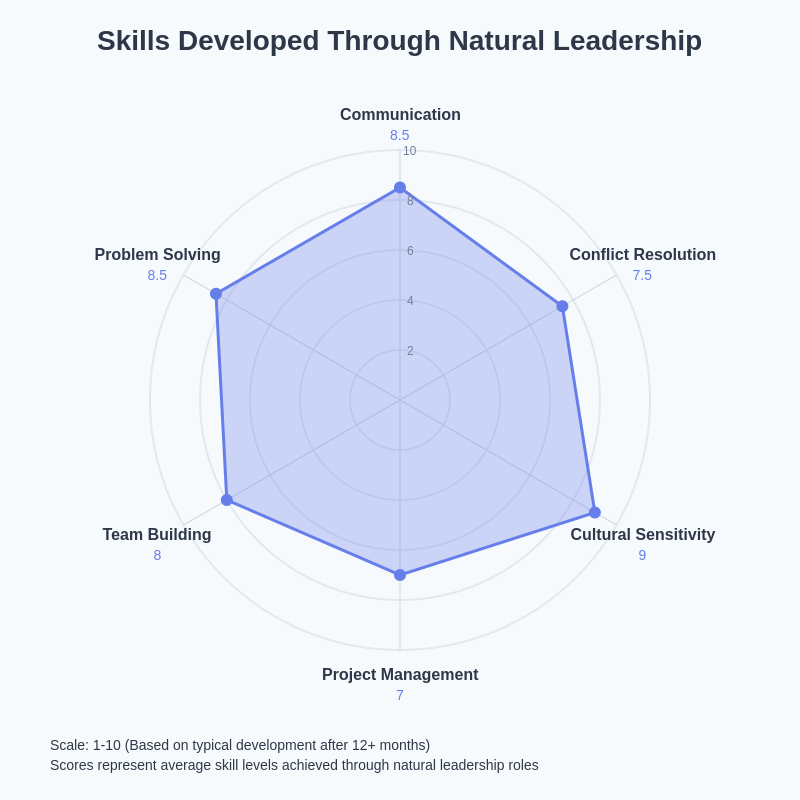
Project management skills develop organically as residents organize events, coordinate household improvements, or manage complex logistical challenges that require planning, resource allocation, and timeline management. How to find perfect sharehouse tokyo often involves residents who have developed strong organizational abilities through managing house operations and helping newcomers navigate the settlement process.
Conflict resolution abilities emerge through necessity as leaders learn to mediate disputes, facilitate difficult conversations, and find creative solutions to interpersonal challenges that arise in close-quarters living situations. These skills transfer directly to professional environments where team dynamics and collaborative problem-solving are essential.
Financial management experience comes through involvement in house budget planning, organizing group purchases, managing shared expenses, and negotiating with service providers on behalf of the community. Living costs tokyo sharehouses explained often becomes expertise that leaders develop through hands-on experience managing household finances.
Cross-cultural communication competence develops as leaders learn to navigate diverse communication styles, understand cultural sensitivities, and create inclusive environments that respect different backgrounds while building unified community identity. These skills become increasingly valuable in globalized professional environments.
Building Consensus and Managing Diverse Perspectives
Consensus building in multicultural sharehouse environments requires sophisticated understanding of different decision-making styles, communication preferences, and cultural approaches to authority and collaboration. Natural leaders learn to facilitate discussions that honor diverse perspectives while moving toward practical solutions that serve the entire community.
Democratic leadership approaches often prove most effective in sharehouse settings, where residents value participation in decisions that affect their daily lives. Leaders who can facilitate inclusive decision-making processes while maintaining efficiency and focus tend to be most successful in gaining community support and achieving positive outcomes.
Managing competing interests requires diplomatic skills and creative problem-solving abilities as leaders balance individual needs with community welfare. Japanese sharehouse rules every foreigner should know often become focal points where leaders must help residents understand cultural expectations while advocating for necessary accommodations.
Time management becomes crucial as leaders balance their own personal needs, professional responsibilities, and community leadership obligations. Successful leaders develop systems for prioritizing community needs while maintaining personal boundaries and avoiding burnout from excessive involvement in house affairs.
Creating Positive Change and Innovation
Innovation opportunities in sharehouses range from implementing new systems for household efficiency to organizing cultural exchange programs that enhance the international living experience. Best tokyo neighborhoods for sharehouse living often become areas of expertise for leaders who research and share knowledge about local resources and opportunities.
Technology integration initiatives often emerge from tech-savvy residents who identify opportunities to improve house operations through apps, communication platforms, or smart home solutions that enhance convenience and communication. These projects require both technical skills and the ability to train and motivate other residents to adopt new systems.
Sustainability projects frequently attract environmentally conscious leaders who organize recycling programs, energy conservation initiatives, or group purchasing of eco-friendly products. These efforts require persistence, education skills, and the ability to motivate behavior change across diverse cultural backgrounds with varying environmental awareness levels.
Community outreach initiatives connect sharehouses with broader neighborhood communities through volunteer projects, local business partnerships, or cultural exchange programs that benefit both residents and surrounding areas. Student sharehouses near top tokyo universities often become launching points for academic collaboration and community engagement projects.
Navigating Challenges and Resistance
Resistance to leadership initiatives can arise from cultural differences in authority acceptance, personality conflicts, or disagreement with proposed changes. Natural leaders must develop resilience and adaptability to address resistance constructively while maintaining community harmony and their own motivation to continue contributing.
Burnout prevention becomes essential as enthusiastic leaders sometimes take on excessive responsibilities or feel pressure to solve all community problems. Learning to delegate, set boundaries, and share leadership responsibilities helps prevent individual burnout while developing other residents’ leadership capabilities.
Authority balance challenges emerge when informal leadership conflicts with official house rules or property management policies. Effective leaders learn to work within existing structures while advocating for community needs and facilitating communication between residents and formal authorities.
Cultural sensitivity issues arise when leadership approaches that work well in one cultural context create discomfort or misunderstanding among residents from different backgrounds. Successful leaders continuously learn about cultural differences and adapt their styles to create inclusive environments that respect diversity.
Long-term Impact on Personal and Professional Development
Career advancement often results from leadership skills developed in sharehouse environments, as employers increasingly value candidates with demonstrated abilities in cross-cultural communication, conflict resolution, and team building. The practical experience gained through community leadership provides concrete examples for job interviews and professional development discussions.
Network building occurs naturally as leaders connect with diverse international residents who may become valuable professional contacts in various industries and countries. Real stories from tokyo sharehouse residents often include examples of professional opportunities that arose through sharehouse connections and leadership relationships.
Personal confidence and self-awareness develop significantly through leadership experiences that challenge individuals to step outside comfort zones, handle complex interpersonal situations, and take responsibility for community outcomes. These experiences contribute to overall personal growth and emotional intelligence development.
Global perspective enhancement occurs as leaders gain deep understanding of different cultural approaches to problem-solving, communication, and community building. This international mindset becomes increasingly valuable in globalized professional environments and personal relationships.
Creating Sustainable Leadership Systems
Mentorship development occurs naturally as experienced resident leaders guide newcomers through community integration and encourage them to take on increasing responsibilities. This creates sustainable leadership pipelines that ensure community continuity despite resident turnover.
Documentation systems help preserve institutional knowledge and successful practices as leaders transition out of sharehouses. Creating guides, procedures, and training materials ensures that effective leadership approaches continue benefiting future residents.
Recognition programs acknowledge the contributions of natural leaders while encouraging others to step forward and take on community responsibilities. Formal and informal appreciation systems help maintain motivation and create positive feedback loops that encourage continued leadership development.
Leadership rotation strategies prevent over-dependence on individual leaders while providing opportunities for multiple residents to develop and practice leadership skills. Planned transitions and shared responsibilities create more resilient community structures.
The emergence of natural leadership in sharehouse communities demonstrates the powerful potential for personal growth and skill development that arises from collaborative living environments. These experiences provide invaluable preparation for professional leadership roles while contributing to vibrant, supportive communities that enhance the international living experience for all residents. Understanding and embracing these opportunities can transform both individual trajectories and community outcomes in profound and lasting ways.
Disclaimer
This article is for informational purposes only and reflects general observations about leadership development in sharehouse communities. Individual experiences may vary significantly based on personal circumstances, cultural background, and specific community dynamics. Readers should consider their own goals and comfort levels when deciding whether to pursue leadership opportunities in shared living environments.