Living in a sharehouse in Japan creates unique tax considerations that differ significantly from traditional apartment rentals or homeownership situations. The intersection of shared living arrangements, foreign resident status, and Japan’s complex tax system produces specific obligations, opportunities, and potential complications that every sharehouse resident must understand to maintain legal compliance and optimize their financial position.
The tax implications of sharehouse living extend beyond simple income reporting to encompass residence registration requirements, potential deductions, municipal tax obligations, and documentation needs that can significantly impact your overall tax burden and legal standing in Japan. Understanding these factors early in your sharehouse journey prevents costly mistakes and ensures you maximize available benefits while meeting all legal requirements.
Understanding Your Tax Residence Status
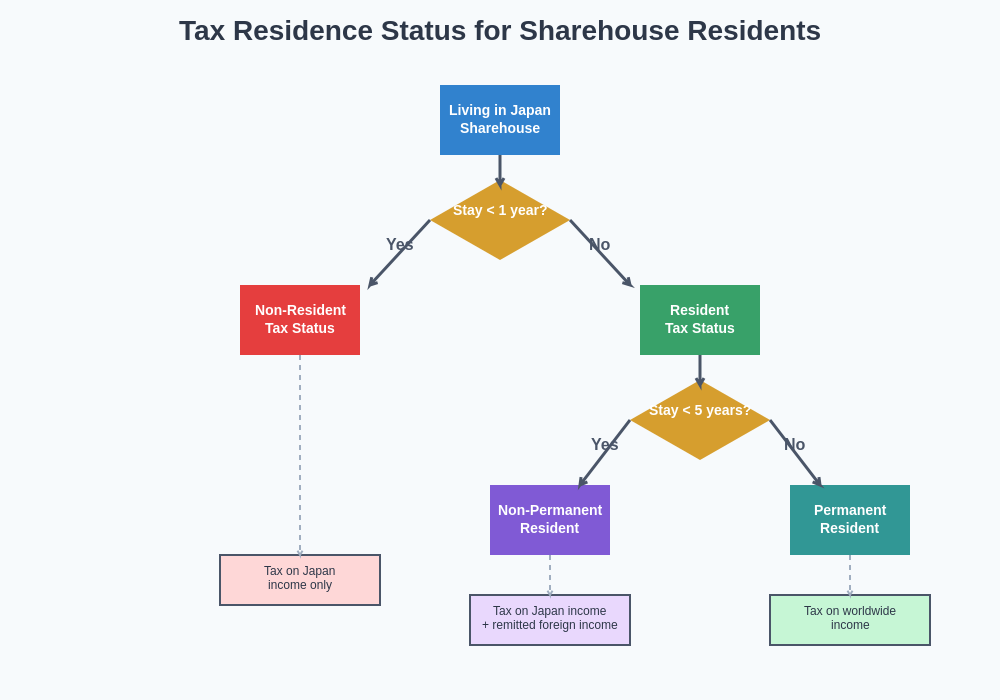
Your tax residence status in Japan fundamentally determines your tax obligations and directly correlates with your sharehouse living arrangement and duration of stay. The Japanese tax system distinguishes between residents and non-residents, with further subdivisions that affect how your income gets taxed and what obligations you must fulfill as a sharehouse dweller.
Permanent residents face comprehensive tax obligations on worldwide income, while non-permanent residents typically pay taxes only on Japan-sourced income and foreign income remitted to Japan. Understanding how much Tokyo sharehouses really cost per month becomes crucial for accurate tax planning, as your housing costs directly impact available deductions and may influence your residence status determination.
The length of your sharehouse stay affects your tax classification, with the one-year residence rule and five-year permanent residence threshold creating distinct tax treatment categories. Your visa status, employment situation, and intended duration of stay combine with your actual sharehouse residence period to determine which tax rules apply to your specific situation.
Temporary visitors and short-term sharehouse residents may qualify for different tax treatment, but the complexity of determining exact status often requires professional consultation to ensure proper compliance and optimal tax positioning throughout your stay in Japan.
Residence Registration and Address Documentation
Proper residence registration represents a fundamental requirement for sharehouse residents that directly impacts tax obligations, municipal services access, and legal compliance status. How to find the perfect sharehouse in Tokyo touches on administrative requirements, but the tax implications of registration choices require deeper consideration and strategic planning.
Your registered address determines your municipal tax jurisdiction, affects available local services, and influences various tax-related documentation requirements that can vary significantly between different Tokyo wards and suburban areas. The choice of which address to register becomes particularly complex in sharehouse situations where you may have multiple location options or frequent address changes.
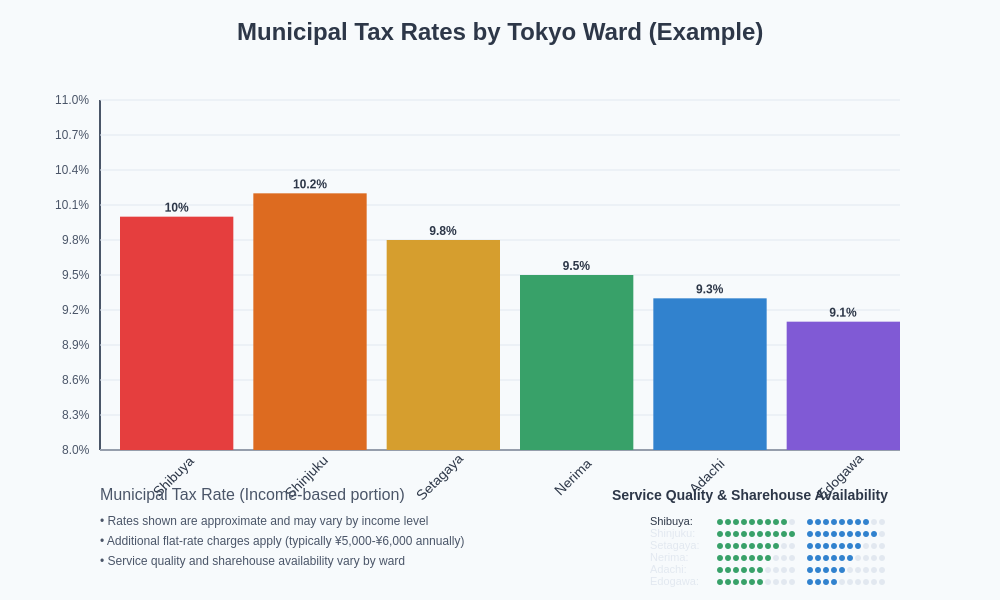
Municipal tax rates and local services vary between jurisdictions, making your registration choice a potentially significant financial decision that affects your long-term tax burden. Some areas offer better services, lower tax rates, or more favorable treatment for foreign residents, while others may have stricter enforcement or higher administrative burdens.
Address changes during your sharehouse experience require prompt reporting to tax authorities and can trigger reassessment of your tax obligations, municipal services eligibility, and various administrative requirements that affect your overall financial situation and legal compliance status.
Income Tax Implications and Deductions
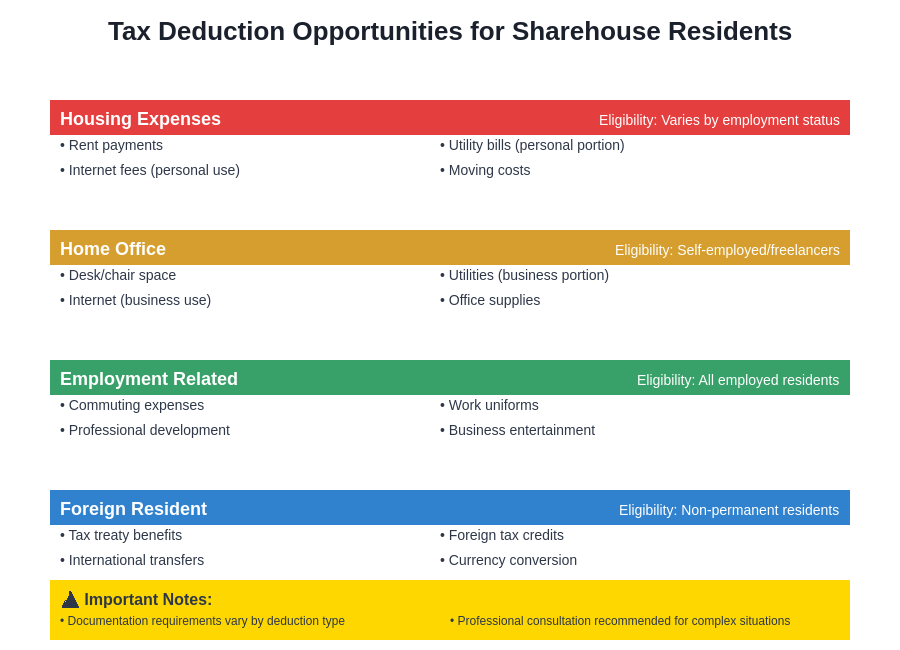
Sharehouse living creates specific income tax considerations that differ from traditional housing arrangements, particularly regarding deductible expenses, documentation requirements, and the interaction between your living situation and employment income reporting. Your sharehouse rent payments, utility contributions, and related expenses may qualify for various deductions depending on your employment status and tax classification.
Home office deductions become particularly complex in sharehouse environments where personal and shared spaces overlap. Understanding utility bills in Japanese sharehouses provides insight into expense documentation that becomes crucial for accurate tax reporting and potential deduction claims.
Employment-related housing allowances and company-provided housing benefits interact differently with sharehouse arrangements compared to traditional apartments, potentially affecting your taxable income calculations and available deduction strategies. The characterization of various payments and benefits requires careful documentation and may influence your overall tax optimization approach.
Self-employed individuals and freelancers living in sharehouses face additional complexity regarding business expense deductions, home office calculations, and the separation of personal versus business expenses in shared living environments. The documentation requirements for these deductions often exceed those required for traditional housing situations.
Municipal Tax Considerations and Local Obligations
Municipal tax obligations in Japan vary significantly by location and directly correlate with your sharehouse address registration, creating important considerations for tax planning and local compliance requirements. The municipal tax system includes both income-based components and flat-rate charges that can vary substantially between different areas where sharehouses are commonly located.
Best Tokyo neighborhoods for sharehouse living becomes relevant not just for lifestyle preferences but also for understanding the tax implications of different location choices. Some neighborhoods offer more favorable municipal tax rates or better services that provide greater value for your tax contributions.
The timing of municipal tax assessments and payment schedules affects your cash flow planning and may require different budgeting approaches compared to traditional housing situations. Municipal taxes are typically assessed based on the previous year’s income, creating potential planning opportunities and cash flow considerations unique to your sharehouse living situation.
Local services funded by municipal taxes include waste management, local infrastructure, and community services that directly benefit sharehouse residents. Understanding the value proposition of different municipal tax jurisdictions helps optimize your location choice and ensures you receive appropriate services for your tax contributions.
Documentation Requirements and Record Keeping
Proper documentation for tax purposes becomes more complex in sharehouse situations due to the shared nature of many expenses, the potential for frequent address changes, and the need to track various payments and receipts across multiple residents and service providers. Your record-keeping system must accommodate the unique aspects of shared living while meeting Japanese tax authority requirements for documentation and verification.
Rent payment documentation requires careful attention to ensure proper characterization of payments, especially when costs are split among residents or when all-inclusive pricing makes it difficult to separate different expense categories. Living costs in Tokyo sharehouses explained highlights various cost components that may require separate documentation for tax purposes.
Utility bills, internet fees, and shared service payments often require special handling for tax documentation, particularly when these expenses are shared among multiple residents or included in comprehensive monthly payments to sharehouse operators. The allocation of these expenses for tax purposes may differ from the actual payment arrangements, requiring careful tracking and documentation.
Contract documentation and lease agreements provide essential support for various tax positions and deduction claims, making it crucial to maintain complete records of all housing-related agreements, amendments, and communications throughout your sharehouse residence period.
Foreign Resident Specific Tax Issues
Foreign residents living in sharehouses face additional tax complexities related to visa status, international income reporting, and the interaction between Japanese tax obligations and home country tax requirements. The combination of foreign resident status and sharehouse living creates unique documentation and reporting challenges that require specialized knowledge and careful planning.
Tax treaty benefits and foreign tax credit opportunities may be affected by your sharehouse living arrangement, particularly regarding residence determination for treaty purposes and the documentation required to support various positions. Japanese sharehouse rules every foreigner should know provides cultural context, but tax-specific rules require additional consideration and professional guidance.
Currency conversion requirements for international income and expense reporting create additional complexity when combined with the shared expense nature of sharehouse living. The timing of conversions, choice of exchange rates, and documentation of foreign transactions require careful attention to ensure compliance and accuracy.
Double taxation issues and foreign tax credit claims may be influenced by your Japanese residence status and the nature of your sharehouse living arrangement. The interaction between different tax systems requires careful coordination to avoid both under-reporting and over-payment of taxes across multiple jurisdictions.
Employment Status and Tax Withholding
Your employment status significantly affects how sharehouse living impacts your tax situation, with different implications for employees, contractors, self-employed individuals, and those with multiple income sources. The interaction between employment-based tax withholding and sharehouse-related expenses creates specific planning opportunities and potential complications.
Employee housing allowances and company-provided benefits may be affected by your choice to live in a sharehouse rather than company-provided or traditional rental accommodation. The tax treatment of various benefits and allowances requires careful consideration to ensure optimal tax positioning and compliance with employment agreement terms.
Business district sharehouses near Tokyo Station may offer advantages for employed individuals, but the tax implications of location choice interact with employment benefits and commuting expense deductions in ways that require careful analysis and planning.
Freelancers and contract workers face additional complexity regarding business expense deductions, quarterly tax payments, and the documentation required to support various positions related to their sharehouse living arrangements and work-related expenses.
Year-End Tax Procedures and Filing Requirements
The Japanese year-end tax adjustment process affects sharehouse residents differently depending on their employment status, income sources, and the various deductions and credits they claim related to their living situation. Understanding these procedures ensures proper compliance and optimal tax outcomes throughout your sharehouse residence.
Annual tax filing requirements vary based on your total income, employment status, and various factors that may be influenced by your sharehouse living arrangement. Student sharehouses near top Tokyo universities may face different filing requirements compared to working professionals, requiring tailored approaches to tax compliance and planning.
The timing of various tax procedures and deadlines requires careful coordination with your sharehouse living situation, particularly if you plan to change residences or leave Japan during the tax year. Understanding these timing considerations prevents costly mistakes and ensures proper compliance with all filing requirements.
Documentation compilation for year-end procedures requires systematic organization throughout the year, particularly given the shared nature of many sharehouse expenses and the potential complexity of allocating various costs for tax purposes.
Planning Strategies and Optimization Opportunities
Strategic tax planning for sharehouse residents involves coordinating housing decisions with broader tax optimization goals, taking advantage of available deductions and credits, and structuring your affairs to minimize overall tax burden while maintaining full compliance with Japanese tax requirements.
Timing considerations for sharehouse moves, contract renewals, and address changes can significantly impact your tax situation, particularly regarding municipal tax assessments, deduction eligibility, and various administrative requirements that affect your overall financial position.
Cheaper sharehouse options in Tokyo suburbs may offer tax advantages through lower municipal rates or different deduction opportunities, making location choice an important component of overall tax planning strategy.
Long-term planning considerations include the potential impact of sharehouse living on your permanent residence applications, future housing choices, and the interaction between your current tax strategy and longer-term financial and immigration goals.
Common Mistakes and Compliance Issues
Frequent mistakes made by sharehouse residents regarding tax compliance include improper address registration, inadequate documentation of shared expenses, misunderstanding of deduction eligibility, and failure to properly coordinate employment withholding with actual tax obligations. Understanding these common pitfalls helps avoid costly errors and compliance problems.
Documentation failures often result from the complexity of tracking shared expenses and the challenge of maintaining proper records in shared living environments. How to handle roommate conflicts without moving out addresses interpersonal issues, but tax documentation requires systematic approaches that transcend individual relationship dynamics.
Penalty and interest charges for non-compliance can be substantial and may compound over time, making prevention through proper understanding and compliance much more cost-effective than remediation after problems arise. The administrative burden of correcting tax mistakes often exceeds the initial effort required for proper compliance.
Professional consultation becomes essential when facing complex situations, multiple income sources, or uncertainty about proper tax treatment of specific sharehouse-related transactions and arrangements.
Impact on Future Housing and Financial Decisions
Your sharehouse tax history and compliance record affect future housing applications, loan eligibility, and various financial opportunities that may be important for your long-term plans in Japan. Understanding these implications helps ensure that your current tax decisions support rather than hinder your future goals and opportunities.
Credit history and financial documentation requirements for future housing applications may be influenced by your sharehouse tax compliance and the documentation you maintain during your shared living experience. Living with Japanese roommates in Tokyo sharehouses provides cultural insights, but financial institutions focus primarily on documented income and tax compliance history.
Investment opportunities and business formation decisions may be affected by your tax residence status and compliance history, making proper management of your sharehouse tax obligations an important component of broader financial planning and opportunity development.
The transition from sharehouse living to other housing arrangements requires careful coordination of tax obligations, documentation transfer, and ensuring continuity of compliance during the change process.
Understanding how living in sharehouses affects your taxes in Japan requires attention to multiple complex and interconnected factors that influence both your immediate obligations and long-term financial position. Proper planning, documentation, and compliance create the foundation for successful sharehouse living while maintaining optimal tax positioning and avoiding costly mistakes that could affect your broader goals and opportunities in Japan.
Disclaimer
This article is for informational purposes only and does not constitute professional tax or legal advice. Tax laws and regulations in Japan are complex and subject to change, and individual circumstances vary significantly. Readers should consult with qualified tax professionals, accountants, or legal advisors for specific guidance regarding their particular situations. The author and publisher disclaim any liability for decisions made based on the information provided in this article.