Long-distance travel presents complex financial challenges for sharehouse residents in Tokyo, where payment obligations continue regardless of physical presence in the property. The intersection of travel plans and housing commitments creates scenarios that require careful planning, clear understanding of contractual obligations, and strategic financial management to avoid unexpected costs or lease complications during extended absences from your sharehouse.
The reality of modern sharehouse living acknowledges that residents frequently travel for work, education, family obligations, or leisure activities that extend beyond typical vacation periods. Understanding how these extended absences impact your financial obligations and housing stability becomes crucial for maintaining positive relationships with property managers while pursuing personal and professional opportunities that may require significant time away from Tokyo.
Understanding Standard Payment Obligations During Travel
Sharehouse payment structures in Tokyo operate on monthly rental agreements that typically do not provide automatic adjustments or reductions based on resident absence periods. The fundamental principle underlying most sharehouse contracts establishes that your room reservation and access to common facilities justify continued payment regardless of actual occupancy levels during travel periods.
Understanding how much Tokyo sharehouses really cost per month becomes particularly relevant when evaluating the true cost of maintaining housing during extended travel periods. The financial commitment extends beyond basic rent to include utility contributions, internet fees, and facility maintenance costs that continue accruing during your absence.
Property management companies typically justify continued payment requirements through the argument that your designated room remains unavailable to other potential residents during your absence, and common area capacity calculations remain based on your continued residency status. This approach ensures predictable revenue streams for operators while maintaining room availability for your return from travel periods.
The legal framework surrounding rental obligations in Japan generally supports landlord requirements for continued payment during tenant absences, with limited exceptions for specific circumstances outlined in individual lease agreements. Understanding these baseline expectations helps establish realistic budget planning for travel scenarios and prevents conflicts with property management during extended absence periods.
Negotiating Temporary Payment Adjustments
Some sharehouse operators demonstrate flexibility regarding payment adjustments during extended travel periods, particularly for long-term residents with established positive relationships and reliable payment histories. How to actually get your deposit back provides insights into building positive relationships with management that can facilitate negotiations for special arrangements during travel periods.
Successful negotiation strategies often involve advance communication about travel plans, demonstration of continued commitment to the sharehouse community, and willingness to maintain partial payment arrangements that acknowledge continued room reservation while potentially reducing utility or service charges. These discussions require careful timing and diplomatic approach to maximize chances of favorable outcomes.
The most common successful adjustment arrangements involve reduced utility contributions during absence periods, temporary suspension of optional services such as cleaning fees or meal plans, and flexible payment scheduling that accommodates travel-related cash flow irregularities. However, these arrangements typically require formal documentation and clear agreement terms to prevent misunderstandings upon return.
Property managers may be more receptive to adjustment requests during low-demand periods when room turnover risks are minimal, while peak seasons often see stricter enforcement of standard payment policies. Understanding seasonal market dynamics helps optimize timing for negotiation attempts and increases likelihood of achieving favorable arrangements.
Financial Planning Strategies for Extended Travel
Effective financial planning for extended travel periods requires comprehensive budgeting that accounts for both continued housing costs and travel expenses, creating dual financial obligations that can strain personal budgets without proper preparation. Living costs in Tokyo sharehouses explained helps establish baseline housing cost expectations that inform travel budget calculations.
Building dedicated travel funds separate from housing payment reserves prevents situations where travel expenses compromise ability to maintain sharehouse payment obligations, protecting your housing stability and credit reputation with property management companies. This approach requires disciplined savings strategies and realistic travel cost estimation that accounts for all associated expenses.
Emergency fund establishment becomes particularly crucial for travelers, as unexpected travel extensions or changes can create scenarios where both travel costs and housing obligations exceed original budget projections. Having financial cushions that cover at least three months of housing payments plus emergency travel funds provides security during unexpected circumstances.
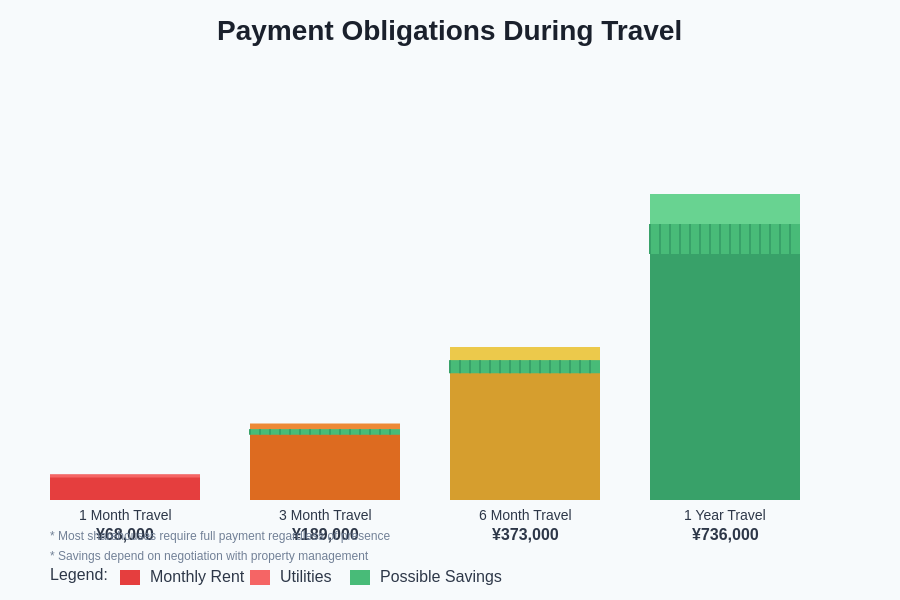
Currency exchange considerations affect international travelers who may face fluctuating conversion rates that impact their ability to maintain yen-denominated housing payments while spending in foreign currencies. Understanding exchange rate trends and utilizing favorable conversion timing can minimize financial impacts of currency fluctuation during extended travel periods.
Impact on Utility Bills and Shared Expenses
Extended absence periods create complex situations regarding utility bill calculations and shared expense allocations, particularly in sharehouses where costs are divided among residents based on occupancy or usage patterns. Understanding utility bills in Japanese sharehouses explains common billing arrangements that affect travel-related payment considerations.
Some sharehouse operators maintain fixed utility contributions regardless of presence, arguing that baseline facility costs continue regardless of individual usage patterns and that administrative complexity of adjusting bills for temporary absences outweighs potential savings. This approach creates situations where traveling residents subsidize increased usage by remaining residents during their absence periods.
Progressive operators may implement usage-based utility billing systems that provide more equitable cost distribution during extended absence periods, though these arrangements require sophisticated monitoring systems and administrative overhead that many properties avoid. Understanding your specific sharehouse’s utility billing approach helps inform travel budget planning and negotiation strategies.
Shared expense categories such as common area supplies, maintenance costs, and facility improvements typically continue regardless of individual presence, as these expenses benefit the overall property condition and community infrastructure. However, discretionary shared expenses such as group activities or optional services may offer adjustment opportunities during extended absences.
Communication Protocols with Housemates
Extended travel periods affect house dynamics and community relationships, requiring proactive communication strategies that maintain positive relationships while managing practical considerations such as mail handling, room maintenance, and emergency contact arrangements. Making friends through Tokyo sharehouse communities emphasizes the importance of community relationships that support extended absence arrangements.
Establishing clear communication channels and expectations with housemates before travel departure prevents misunderstandings and ensures adequate support systems for practical needs that may arise during your absence. These arrangements often involve reciprocal agreements where housemates provide assistance during your travel in exchange for similar support during their absence periods.
Room maintenance responsibilities during extended absences create potential conflicts if not addressed proactively, as accumulating dust, potential pest issues, or equipment problems can affect other residents and create liability questions regarding maintenance costs. Clear agreements about room care and access protocols prevent these complications.
Mail and package handling becomes increasingly complex during extended travel periods, particularly for residents receiving important documents or time-sensitive deliveries. Establishing reliable systems with trusted housemates or property management prevents complications while ensuring important communications are properly managed during your absence.
Alternative Housing Arrangements and Temporary Solutions
Some travelers explore temporary housing solutions that reduce financial obligations during extended absence periods, though these approaches involve significant logistical challenges and potential risks regarding housing security upon return to Tokyo. How to find the perfect sharehouse in Tokyo highlights the complexity of securing quality housing that makes temporary arrangement strategies risky.
Subletting arrangements face legal and practical complications in many sharehouses, as most rental agreements prohibit subletting without explicit management approval, and unauthorized subletting can result in lease termination and financial penalties. Understanding specific contract terms regarding subletting helps evaluate whether this option provides viable cost reduction during travel periods.
Temporary storage solutions for personal belongings combined with complete room vacation represent extreme cost-reduction strategies that eliminate housing payments but require significant logistical planning and acceptance of housing insecurity upon return. These approaches work best for travelers with flexible return timelines and alternative housing options.
Room sharing arrangements with trusted friends or family members during extended travel periods can provide cost reduction while maintaining housing security, though these arrangements require careful coordination and may face restrictions under sharehouse occupancy policies. Property management approval becomes essential for any arrangement involving additional occupants during resident absences.
Impact on Lease Terms and Contract Compliance
Extended travel periods can trigger specific lease clauses regarding occupancy requirements, particularly in sharehouses that maintain minimum presence requirements or notification obligations for extended absences. Why contract terms are more important than advertised prices emphasizes the importance of understanding these specific contractual obligations.
Some rental agreements include clauses regarding maximum absence periods, automatic lease termination triggers for extended non-occupancy, or requirements for formal notification and approval of travel plans exceeding specific durations. Understanding these terms prevents inadvertent lease violations that could result in termination or financial penalties.
Visa status considerations affect international residents whose travel patterns may impact their legal residency status in Japan, creating situations where housing obligations continue while legal presence requirements create complications. Coordinating travel plans with visa requirements helps prevent situations where housing payments continue while legal residency status becomes compromised.
Insurance implications during extended travel periods may affect coverage for personal property left in sharehouses or liability coverage during absence periods. Understanding insurance policy terms and potential adjustments during extended travel helps protect against unexpected financial exposure during absence periods.
Tax Implications and Financial Record Keeping
Extended travel periods create tax implications for international residents, particularly regarding housing cost deductions, residence determination for tax purposes, and documentation requirements for business or educational travel. Living costs in Tokyo sharehouses explained provides context for understanding housing costs that may qualify for various tax treatments.
Maintaining detailed records of housing payments during travel periods becomes important for tax planning, particularly for residents who may qualify for housing cost deductions or who need to demonstrate residence patterns for tax status determination. Proper documentation supports various tax strategies and prevents complications during tax filing periods.
Business travel scenarios may offer opportunities for partial housing cost recovery through employer reimbursement or business expense deductions, though these arrangements require careful documentation and compliance with both employer policies and tax regulations. Understanding available recovery options helps offset the dual expense burden of travel and continued housing costs.
Currency conversion record keeping becomes crucial for international residents who pay housing costs in yen while potentially earning income or managing expenses in foreign currencies during travel periods. Accurate currency conversion documentation supports tax compliance and financial planning strategies.
Long-term Relationship Management with Property Operators
Building positive long-term relationships with property management companies requires consistent communication, reliable payment history, and proactive approach to managing travel-related housing obligations. Japanese sharehouse rules every foreigner should know emphasizes the importance of cultural sensitivity and rule compliance that supports positive management relationships.
Demonstrating reliability during travel periods through consistent payment maintenance, proactive communication about travel plans, and respectful handling of absence-related logistics builds reputation that can facilitate future accommodations or preferential treatment during housing transitions. These relationships often prove valuable over extended residency periods.
Property managers may offer increased flexibility or favorable arrangements to residents who demonstrate consistent responsibility and positive community contribution, making investment in relationship building a strategic approach to managing travel-related housing challenges. Understanding management perspectives and priorities helps guide relationship building strategies.
Documentation of special arrangements and agreements during travel periods protects both residents and property managers by creating clear records of mutual understanding and agreed-upon modifications to standard policies. Proper documentation prevents disputes and supports consistent application of agreed arrangements during future travel periods.
Planning for Different Travel Scenarios
Different travel scenarios require distinct planning approaches and financial strategies, with business travel, educational opportunities, family emergencies, and leisure travel each presenting unique challenges and potential solutions for managing housing payment obligations during extended absences.
Business travel scenarios often provide strongest justification for payment adjustment requests and may offer reimbursement opportunities through employer policies, though these arrangements require advance planning and proper documentation. Understanding employer travel policies helps optimize financial management during business-related extended absences.
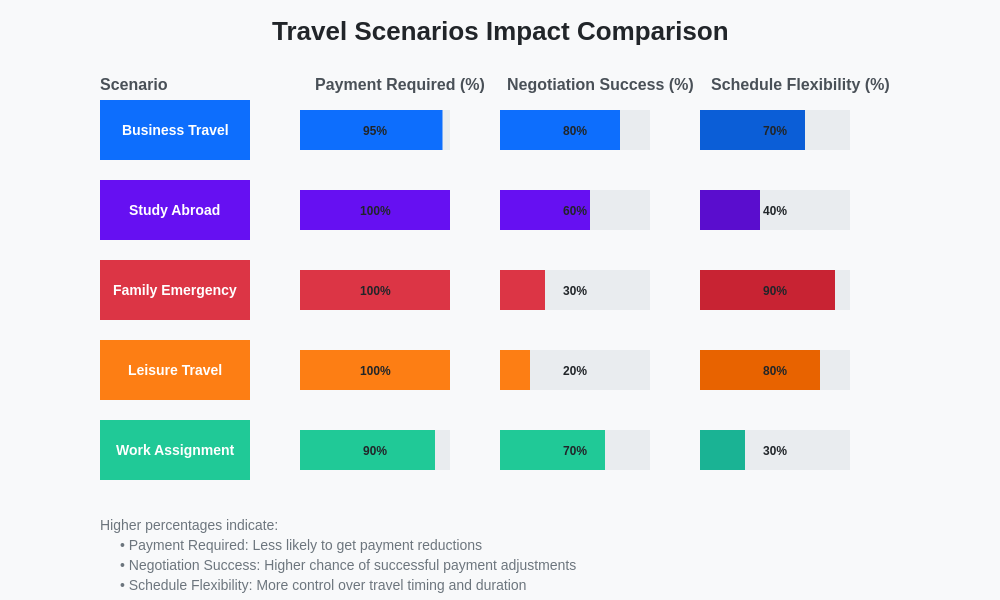
Educational travel such as study abroad programs, research opportunities, or academic conferences may qualify for special arrangements with progressive property managers who recognize the value of international education experiences. These scenarios often involve predictable timelines that facilitate planning and negotiation with housing providers.
Family emergency situations require flexible financial management strategies that can accommodate unexpected travel extensions or urgent departure requirements without compromising housing security. Building emergency funds and maintaining positive management relationships provides crucial support during these challenging scenarios.
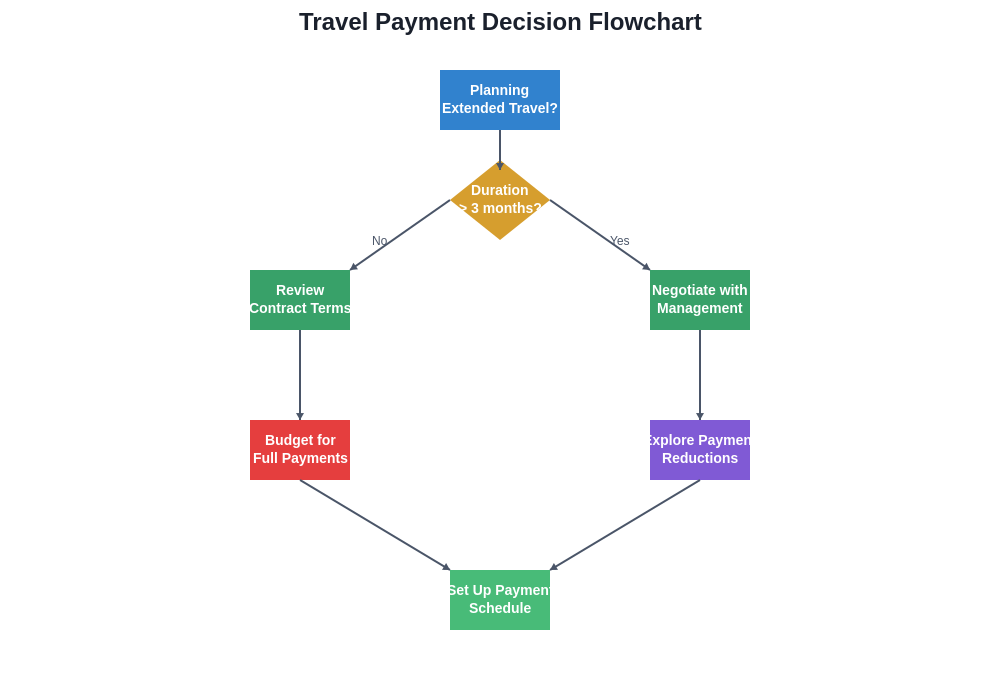
The complexity of managing housing payments during extended travel periods reflects the broader challenges of maintaining stable housing while pursuing personal and professional opportunities that require geographic flexibility. Success requires careful financial planning, proactive communication, and strategic relationship building with both property management and fellow residents who can provide support during absence periods.
Understanding that most sharehouse operators prioritize consistent revenue streams over occupancy-based billing helps set realistic expectations for payment obligations during travel, while identifying opportunities for negotiation and cost optimization helps minimize the financial burden of maintaining housing during extended absences. The investment in proper planning and relationship building often pays dividends through improved flexibility and support during future travel opportunities.
Disclaimer
This article is for informational purposes only and does not constitute professional legal or financial advice. Sharehouse contracts and payment policies vary significantly between operators and individual properties. Readers should carefully review their specific rental agreements and consult with property management regarding travel-related payment obligations. The information provided reflects general market practices and may not apply to specific situations or contractual arrangements.