
Living in a Tokyo sharehouse fundamentally alters your relationship with travel and personal belongings in ways that most international residents discover only after settling into their new accommodations. The reality of limited storage space forces a complete reevaluation of travel habits, packing strategies, and long-term mobility decisions that can either enhance your travel experiences through newfound minimalism or create unexpected constraints that reshape your exploration plans entirely.
The intersection of sharehouse living and travel planning represents a crucial aspect of the international resident experience in Tokyo, where space limitations meet wanderlust aspirations in ways that demand creative solutions and strategic thinking. Understanding these dynamics before committing to sharehouse living enables better preparation and more realistic expectations about how your accommodation choice will influence your travel lifestyle throughout your stay in Japan.
The Reality of Limited Storage Space
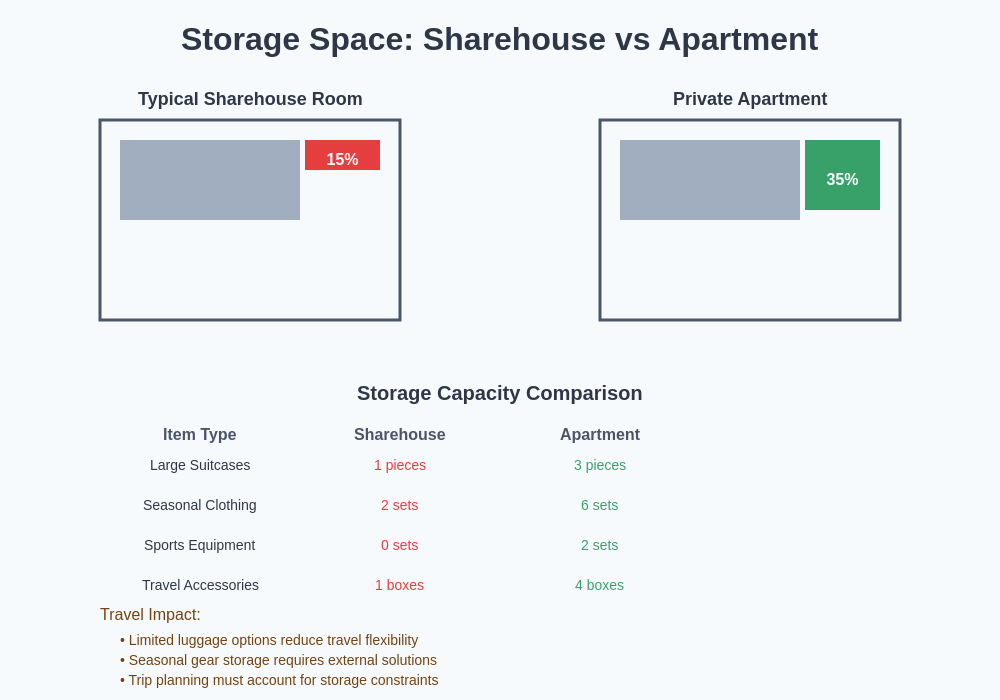
Tokyo sharehouses operate under the fundamental constraint of maximizing occupancy within minimal square footage, resulting in storage allocations that often shock newcomers accustomed to Western housing standards. Individual rooms typically provide basic furniture and minimal closet space designed for essential clothing and personal items, leaving little accommodation for the multiple suitcases, travel gear, and seasonal equipment that frequent travelers traditionally maintain.
Understanding how to find the perfect sharehouse in Tokyo becomes essential when evaluating storage capabilities alongside other amenities, as storage limitations can significantly impact your quality of life and travel flexibility. The visual inspection of storage areas during property viewings often reveals the harsh reality that promotional photos carefully avoid showcasing.
Common storage configurations include single wardrobes shared between multiple clothing categories, under-bed spaces that accommodate only flat items, and overhead compartments suitable primarily for lightweight seasonal materials. The absence of dedicated luggage storage areas forces residents to integrate travel equipment into their daily living spaces, creating ongoing organizational challenges that affect both comfort and functionality.
Shared storage areas within sharehouses present additional complications, as these spaces often become overcrowded with items from multiple residents, making access difficult and security uncertain. The temporary nature of many residents’ stays means that abandoned belongings frequently accumulate in common storage areas, reducing available space for current residents who need secure places for valuable travel equipment.
Impact on Travel Frequency and Destination Choices
Storage limitations create cascading effects on travel planning that extend far beyond simple packing considerations, influencing fundamental decisions about trip frequency, destination selection, and travel duration. Living costs in Tokyo sharehouses explained often overlooks the hidden costs associated with alternative storage solutions that become necessary for maintaining an active travel lifestyle.
The inability to store multiple sets of specialized gear forces travelers to limit their destination types or accept significant equipment rental costs at each location. Winter sports enthusiasts find themselves unable to maintain skiing equipment, while hiking enthusiasts struggle to store camping gear, ultimately limiting travel options to destinations where equipment can be easily rented or purchased locally.
Frequent travelers discover that multiple luggage sets become impractical to maintain, forcing decisions between keeping large suitcases for major trips versus smaller bags for weekend excursions. This constraint often leads to reduced travel frequency as the logistics of managing luggage in cramped quarters outweigh the benefits of spontaneous trip planning.
Long-term travel plans require particularly careful consideration when storage space cannot accommodate the temporary displacement of belongings during extended absences. The inability to securely store personal items during multi-week trips forces residents to either drastically limit their possessions or arrange alternative storage solutions that add significant costs to travel budgets.
Seasonal Storage Challenges and Solutions
Japan’s distinct seasonal changes create cyclical storage demands that particularly challenge sharehouse residents who must accommodate dramatically different clothing and equipment needs throughout the year. Understanding utility bills in Japanese sharehouses reveals how seasonal temperature variations affect living costs, but the storage implications often prove equally significant for resident comfort and travel planning.
Winter months demand substantial storage allocation for heavy coats, boots, and cold-weather gear that may occupy significant percentages of available closet space, leaving minimal room for travel-related items. The seasonal transition periods require temporary accommodation of both winter and summer wardrobes simultaneously, creating storage crises that affect travel planning for weeks at a time.
Summer travel often involves beach gear, lightweight camping equipment, and festival clothing that require different storage strategies than winter items. The inability to maintain dedicated seasonal storage areas forces residents to rotate belongings between accessible and deep storage locations, complicating spontaneous travel decisions that require quick access to specific equipment.
Temperature-sensitive items such as electronics, medications, and specialty clothing require climate-controlled storage that many sharehouses cannot provide, limiting travel with valuable equipment or forcing expensive insurance and replacement considerations. The lack of proper storage conditions can damage travel gear during storage periods, creating unexpected replacement costs that impact travel budgets.
Luggage Selection and Travel Gear Optimization
The constraints of sharehouse living necessitate fundamental changes in luggage selection philosophy, shifting focus from capacity and durability toward space efficiency and multi-functionality. Japanese sharehouse rules every foreigner should know often include restrictions on item storage that further complicate luggage selection decisions.
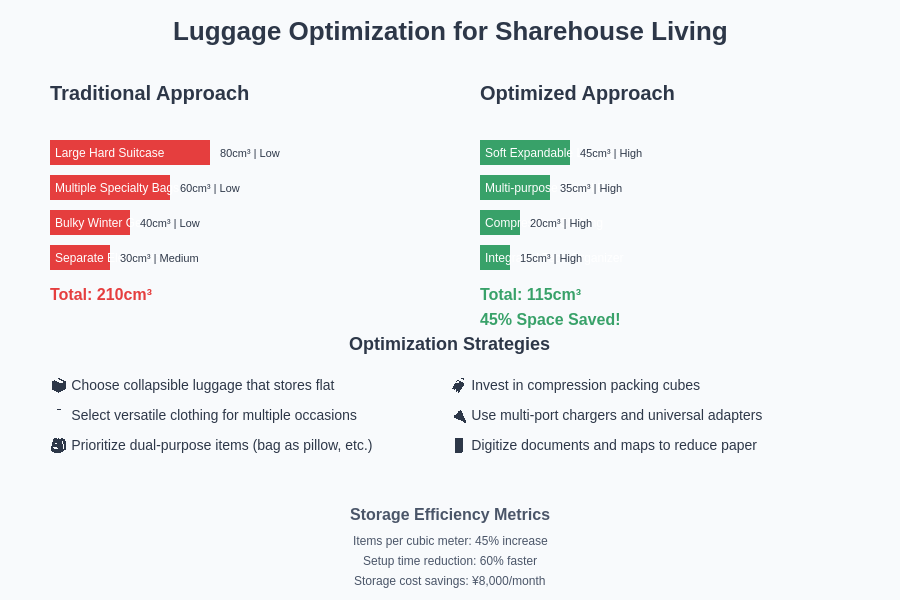
Traditional large suitcases become impractical for residents who cannot dedicate significant floor or closet space to luggage storage, forcing adoption of soft-sided bags that compress when empty or modular systems that serve multiple functions during non-travel periods. The investment in space-efficient luggage often requires higher upfront costs but provides long-term benefits through improved storage flexibility.
Travel gear optimization extends beyond luggage to encompass every aspect of travel equipment, from clothing selection that prioritizes versatility over specialization to electronics that serve multiple functions rather than single purposes. This optimization process often leads to improved travel experiences through reduced weight and increased flexibility, though it requires significant initial effort and ongoing discipline.
Compression technologies and vacuum storage systems become essential tools for sharehouse residents who need to maximize storage efficiency while maintaining access to diverse travel wardrobes. These systems require initial investment and ongoing maintenance but enable storage of significantly more clothing and gear within limited space allocations.
Alternative Storage Solutions and Associated Costs
The inadequacy of in-house storage drives many sharehouse residents toward external storage solutions that add monthly costs and logistical complications to their travel planning processes. How much Tokyo sharehouses really cost per month rarely accounts for these additional storage expenses that can significantly impact overall living costs.
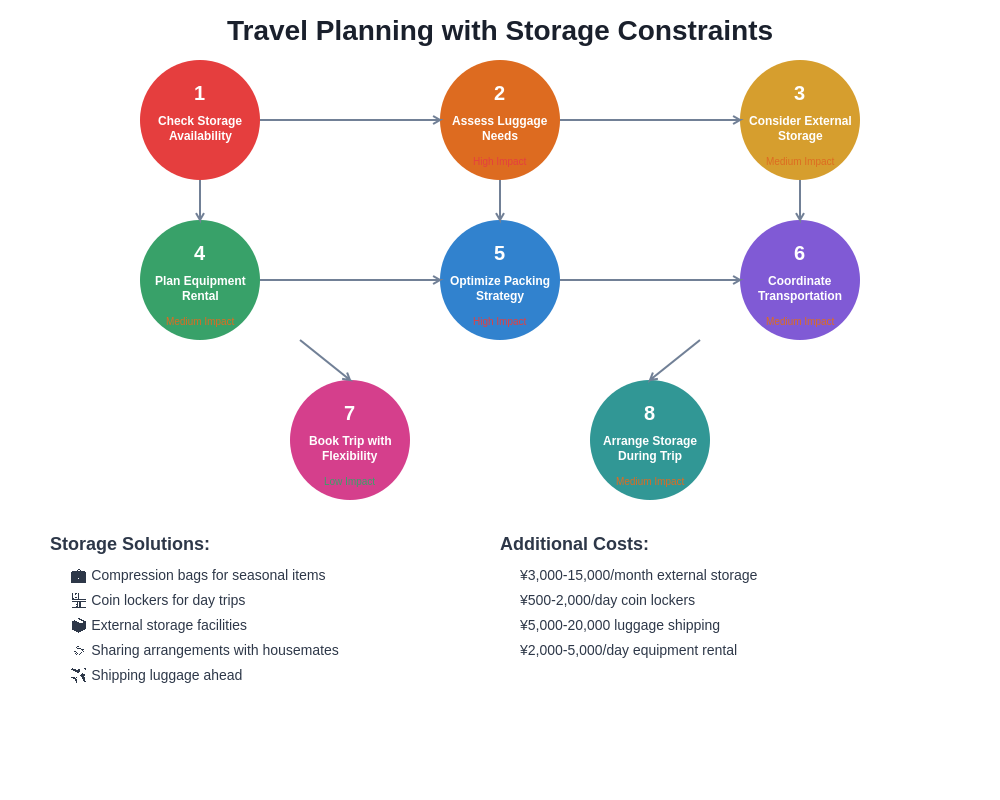
Commercial storage facilities near popular sharehouse locations offer various size and security options, though monthly fees can range from several thousand to tens of thousands of yen depending on space requirements and accessibility needs. The convenience of nearby storage must be balanced against the cumulative cost over extended residence periods, particularly for travelers who may not maximize storage utilization.
Seasonal storage services that allow temporary equipment storage during off-seasons provide cost-effective alternatives for items with limited annual usage, though coordination requirements and retrieval timing can complicate spontaneous travel planning. These services often require advance booking and may not accommodate last-minute travel schedule changes.
Peer-to-peer storage sharing among sharehouse residents creates informal networks where travelers can temporarily store items with others during trips, though these arrangements require trust and coordination that may not suit all personality types or travel schedules. Making friends through Tokyo sharehouse communities often facilitates these informal storage arrangements.
Transportation Logistics and Access Considerations
Limited storage space affects not only what you can store but also how you access and transport your belongings for travel purposes, creating logistical challenges that can significantly impact travel planning timelines and costs. Best Tokyo neighborhoods for sharehouse living should include transportation access considerations for residents who frequently travel with large luggage.
Navigating Tokyo’s public transportation system with multiple pieces of luggage becomes significantly more challenging during peak hours and on routes with limited accessibility features. The timing of travel departures often must accommodate transportation limitations that don’t apply to residents with private vehicle access or larger accommodation storage options.
Taxi costs for airport transfers can escalate quickly when carrying multiple luggage pieces that exceed standard vehicle capacity, forcing residents to either limit luggage quantity or budget for premium transportation services. These additional costs often go unaccounted for in initial travel budgeting, creating unexpected expenses that can impact travel frequency.
International shipping services for luggage become attractive alternatives for some travelers, though coordination requirements and delivery timing constraints add complexity to travel planning that must be factored into departure and return schedules. The reliability of shipping services and customs processing times create additional variables that affect travel planning flexibility.
Long-term Travel Planning and Mobility Decisions
The cumulative effects of storage limitations on travel patterns often influence major life decisions about residence duration, career mobility, and long-term travel goals in ways that become apparent only after extended sharehouse living experience. Living with Japanese roommates in Tokyo sharehouses provides cultural context for understanding how different residents adapt to these constraints.
Career opportunities that require travel flexibility may become less attractive for sharehouse residents who cannot maintain the professional wardrobes and equipment necessary for business travel. The inability to store formal clothing, presentation materials, and specialized equipment can limit professional mobility and advancement opportunities.
Educational opportunities such as conference attendance, research travel, or study abroad programs require different equipment and preparation approaches when working within sharehouse storage constraints. Student sharehouses near top Tokyo universities often overlook these academic travel considerations in their marketing materials.
Relationship development and family planning considerations may be influenced by storage limitations that affect the ability to maintain belongings necessary for hosting visitors or accommodating relationship milestones. The inability to store gifts, mementos, and relationship-building materials can impact social development and long-term planning.
Psychological and Lifestyle Adaptations
Living with constrained storage space creates psychological adaptations that extend beyond practical considerations to affect fundamental relationships with material possessions and travel experiences. The forced minimalism often leads to more intentional travel planning and deeper appreciation for experiences over material accumulation.
Decision fatigue around possession management can impact daily quality of life and travel enthusiasm, as constant organizational demands and space optimization requirements consume mental energy that could otherwise focus on travel planning and experience enjoyment. How to handle roommate conflicts without moving out often includes conflicts arising from storage space disputes.
Social dynamics within sharehouses can be affected by storage inequalities and competition for limited space, creating tensions that impact community harmony and collaborative travel planning opportunities. The visibility of possessions in cramped quarters can create social pressure and comparison dynamics that affect personal satisfaction and travel motivation.
Personal identity development may be influenced by the inability to maintain collections, hobbies, and interests that require significant storage space, forcing residents to prioritize activities and interests that align with minimalist living constraints. This adaptation can lead to positive lifestyle changes but may also create feelings of loss or restriction.
Technology and Digital Solutions
Modern technology offers partial solutions to storage-related travel challenges through digital alternatives to physical items and smart organization systems that maximize space efficiency. Cloud storage eliminates the need for physical document storage while travel apps can replace guidebooks and printed materials that previously required physical space allocation.
Smart luggage technologies that include compression features, modular organization systems, and multi-functional designs help maximize storage efficiency while improving travel experience quality. Investment in these technologies often provides long-term benefits that justify higher initial costs for residents committed to maintaining active travel lifestyles.
Inventory management apps and digital organization systems help residents track stored items and plan retrieval timing for travel preparation, reducing the stress and time investment required for travel preparation when items are distributed across multiple storage locations.
Digital sharing platforms facilitate equipment rental and borrowing arrangements that reduce individual storage requirements while maintaining access to specialized gear for specific travel activities. These platforms often provide more reliable and secure alternatives to informal sharing arrangements within sharehouse communities.
The challenge of luggage storage in sharehouse living ultimately reflects broader themes of adaptation, prioritization, and creative problem-solving that define the international resident experience in Tokyo. While storage limitations create genuine constraints on travel flexibility and lifestyle choices, they also foster innovation, minimalism, and community collaboration that can enhance both daily living and travel experiences in unexpected ways.
Understanding these dynamics before committing to sharehouse living enables more realistic planning and better preparation for the lifestyle adaptations that will inevitably follow. The most successful sharehouse residents often embrace these constraints as opportunities for growth and development rather than viewing them purely as limitations to be overcome.
Disclaimer
This article is for informational purposes only and does not constitute professional advice. Storage solutions and costs vary significantly between different sharehouses and locations in Tokyo. Individual experiences may differ based on personal travel habits, storage needs, and sharehouse policies. Readers should evaluate their specific requirements and consult with potential sharehouses about storage policies before making housing decisions.