The shared kitchen in any Tokyo sharehouse represents the epicenter of daily life, social interaction, and practical necessity, yet it simultaneously serves as the primary source of tension, scheduling conflicts, and community friction among residents. Understanding how meal timing affects kitchen access becomes crucial for maintaining harmony while ensuring your own nutritional needs and cooking preferences are adequately met within the constraints of communal living arrangements.
The intricate dance of shared kitchen usage reveals itself most clearly during peak meal preparation times, when individual schedules, cultural eating habits, and personal cooking styles converge into a complex choreography that can either flow smoothly or create significant daily stress for all residents involved in the shared living experience.
The Reality of Peak Kitchen Hours
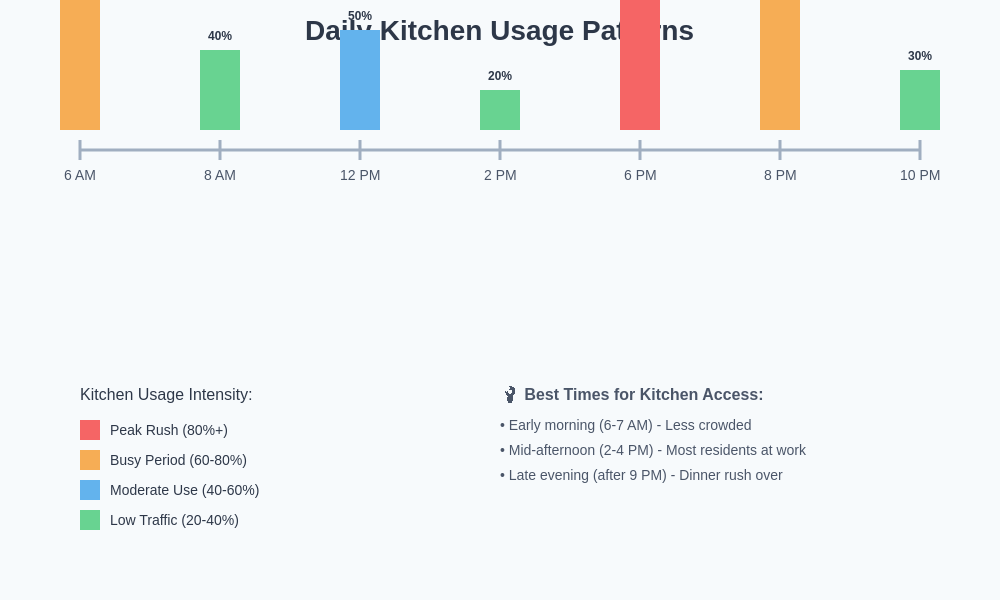
Tokyo sharehouse kitchens experience predictable rush periods that mirror the broader rhythms of urban life, with morning preparation times clustering around the narrow window between six and eight AM when working residents attempt to prepare breakfast and lunch before commuting to their daily obligations. Understanding Japanese sharehouse rules every foreigner should know provides essential context for navigating these shared spaces respectfully while accommodating multiple users during high-demand periods.
The evening rush represents the most intense period of kitchen competition, typically spanning from six to nine PM when residents return from work, university, or language school with varying energy levels, cooking ambitions, and time constraints that create natural bottlenecks around limited cooking surfaces, refrigerator access, and sink availability for food preparation and cleanup activities.
Weekend patterns introduce different dynamics as residents with more flexible schedules may extend their cooking times, experiment with elaborate recipes, or host informal gatherings that monopolize kitchen resources for extended periods, creating unexpected access challenges for those maintaining more traditional meal timing routines throughout the week.
Cultural differences in meal timing preferences add another layer of complexity, as international residents from various backgrounds bring different expectations about appropriate eating times, cooking durations, and kitchen cleanup standards that must be negotiated within the shared space framework of harmonious community living.
Strategic Timing for Optimal Kitchen Access
Early morning cooking, while requiring personal schedule adjustments, often provides the most reliable access to kitchen facilities with minimal competition from other residents and maximum flexibility for meal preparation without time pressure from waiting housemates. How commute times impact your quality of life demonstrates how strategic timing decisions affect overall daily satisfaction and stress levels in sharehouse environments.
Late-night cooking presents another avenue for avoiding peak usage periods, though this approach requires consideration of noise levels, respect for sleeping residents, and awareness that late-night kitchen activity may conflict with house quiet hours or community guidelines about appropriate times for cooking and cleaning activities.
Off-peak afternoon cooking between traditional lunch and dinner times can provide excellent kitchen access for residents with flexible schedules, particularly students, freelancers, or shift workers who can adapt their meal timing to take advantage of these quieter periods when most working residents are absent from the house.
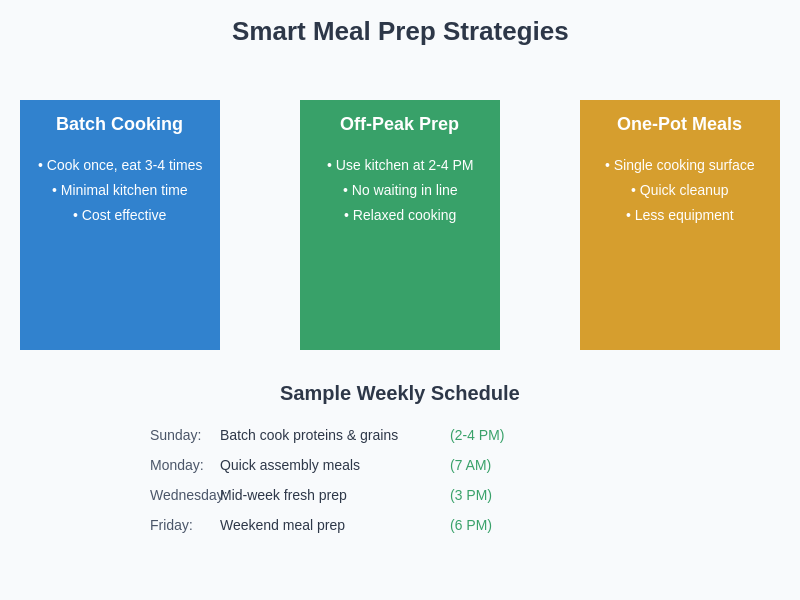
Meal preparation timing strategies extend beyond simple scheduling to include advance preparation techniques such as batch cooking during off-peak hours, utilizing slow cookers or rice cookers that require minimal active kitchen time, and organizing ingredient preparation during low-usage periods to minimize actual cooking time during peak hours.
Cultural Eating Patterns and Kitchen Conflicts
Japanese residents typically maintain more structured meal timing patterns that align with traditional work schedules, often creating predictable usage windows that international residents can learn to work around or coordinate with through respectful communication and observation of established household rhythms. Living with Japanese roommates in Tokyo sharehouses offers insights into cultural expectations and communication strategies for shared kitchen management.
International students often bring irregular eating schedules influenced by class timing, study sessions, and social activities that may not align with traditional Japanese meal patterns, creating potential conflicts when these flexible schedules intersect with more structured usage periods preferred by working residents or those maintaining conventional routines.
Cultural differences in cooking styles, preparation times, and cleanup standards can exacerbate timing conflicts when residents with longer cooking processes occupy kitchen space during peak usage periods, inadvertently preventing others from accessing facilities they expected to be available during their planned meal preparation windows.
The concept of meal timing flexibility varies significantly across cultures, with some residents viewing rigid scheduling as essential for harmony while others prefer spontaneous cooking arrangements that respond to daily energy levels, social opportunities, and changing appetite patterns throughout the week.
Kitchen Capacity and Physical Limitations
Most Tokyo sharehouse kitchens feature limited cooking surfaces, typically one or two gas burners, single ovens or toaster ovens, and minimal counter space that creates natural bottlenecks when multiple residents attempt simultaneous meal preparation during overlapping time periods. How kitchen politics actually work in Japanese sharehouses explores the practical challenges of managing these physical constraints within community living arrangements.
Refrigerator space allocation becomes critical during meal preparation times when residents need access to their stored ingredients while others are attempting to store freshly prepared meals or access their own food items, creating traffic patterns that can significantly slow down cooking processes during busy periods.
Sink availability for washing vegetables, filling pots, and cleaning dishes creates another timing-dependent bottleneck that affects meal preparation efficiency and can extend cooking times when residents must wait for others to complete their washing activities before proceeding with their own food preparation tasks.
Storage limitations for cooking equipment, dishes, and serving items mean that residents may need to negotiate access to shared items during their cooking periods, adding complexity to meal timing when essential tools are being used by other residents during overlapping cooking windows.
Communication Strategies for Kitchen Coordination
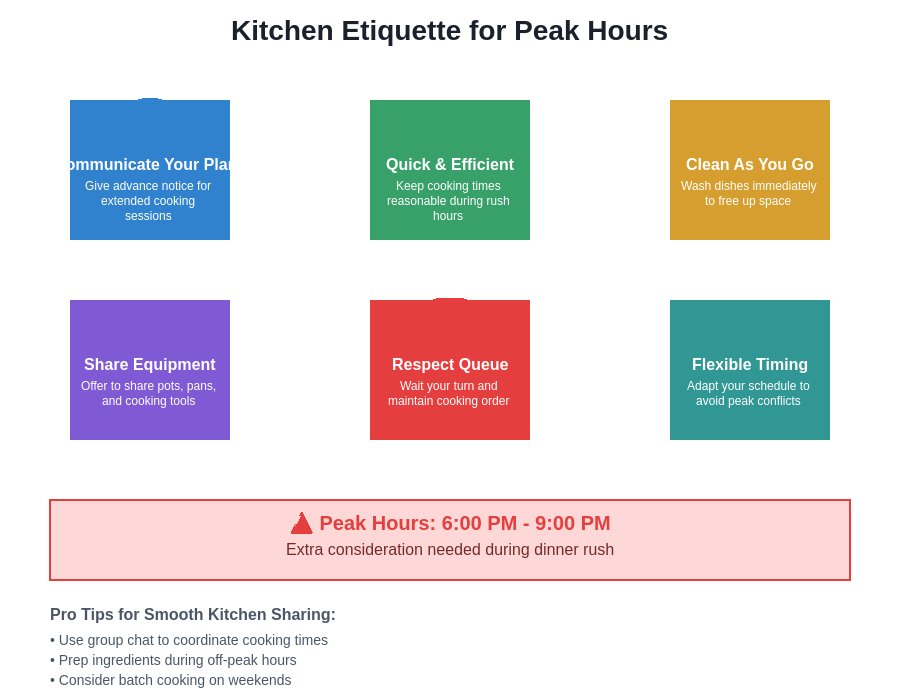
Proactive communication about cooking plans, including advance notice of extended meal preparation sessions, elaborate cooking projects, or hosting activities that will require extended kitchen access, helps other residents plan their own meal timing and reduces unexpected conflicts over kitchen availability. How to handle roommate conflicts without moving out provides frameworks for addressing kitchen scheduling disagreements constructively.
Establishing informal coordination systems such as group chat notifications about kitchen usage, visible calendars for marking extended cooking sessions, or simple verbal check-ins about evening cooking plans can significantly reduce conflicts and improve overall satisfaction with shared kitchen access for all residents.
Negotiating temporary schedule adjustments during special circumstances such as exam periods, job interviews requiring specific meal timing, or cultural celebrations that involve elaborate cooking projects demonstrates community consideration while ensuring individual needs are accommodated within the shared living framework.
Understanding and respecting different communication styles, with some residents preferring direct scheduling discussions while others favor more implicit coordination through observation and adaptation, helps create kitchen management approaches that work for diverse personality types and cultural backgrounds within the house community.
Technology Solutions and Kitchen Management Tools
Shared calendar applications specifically dedicated to kitchen usage scheduling can help residents coordinate cooking times, mark extended cooking sessions, and identify optimal time slots for their own meal preparation without conflicting with other residents’ established routines or special cooking projects. How shared expense apps create new problems illustrates both benefits and potential complications of implementing technological solutions in sharehouse management.
Timer systems and cooking notification methods help residents maintain awareness of their cooking duration and ensure they complete their kitchen usage within reasonable timeframes that allow others to access facilities according to their own meal timing requirements and daily schedule constraints.
Group messaging platforms dedicated to kitchen coordination enable real-time communication about cooking delays, early completion of kitchen usage, or spontaneous availability of kitchen facilities that other residents might wish to utilize for their own meal preparation activities.
Digital tools for tracking and coordinating shared cooking equipment, ingredient storage, and cleanup responsibilities can streamline kitchen management while reducing conflicts over resource allocation and maintenance duties that affect overall kitchen accessibility and functionality.
Meal Preparation Strategies for Shared Kitchens
Batch cooking techniques allow residents to maximize their kitchen time efficiency by preparing multiple meals during single cooking sessions, reducing their overall kitchen usage frequency while ensuring adequate meal preparation within the constraints of shared facility access and peak usage periods.
One-pot meals and simplified cooking methods minimize the use of multiple cooking surfaces and reduce cleanup requirements, allowing residents to complete their meal preparation more quickly and efficiently during peak kitchen usage times when other residents may be waiting for access.
Cold meal preparation and raw food options provide alternatives to hot cooking that reduce kitchen usage time and avoid peak period conflicts while still maintaining nutritional variety and personal food preferences within the shared living environment constraints.
Ingredient preparation techniques such as washing, chopping, and organizing components during off-peak periods enable residents to minimize their actual cooking time during busy kitchen periods while maintaining their preferred meal quality and variety standards.
Social Dynamics and Kitchen Etiquette
Kitchen conversation and social interaction during meal preparation can enhance community building but may also extend cooking times and create informal barriers to kitchen access when other residents perceive ongoing social activities as signals that the kitchen remains occupied beyond actual cooking needs. Making friends through Tokyo sharehouse communities explores how kitchen interactions contribute to relationship building while potentially complicating resource management.
Cleanup timing expectations vary among residents, with some preferring immediate post-cooking cleaning while others may delay cleanup activities, potentially affecting kitchen availability for subsequent users who require clean surfaces and equipment for their own meal preparation activities.
Sharing cooking activities and collaborative meal preparation can provide solutions to kitchen access limitations while building community relationships, though these arrangements require coordination of schedules, dietary preferences, and cooking style compatibility among participating residents.
Understanding implicit kitchen etiquette signals such as preparation versus active cooking phases, cleanup completion indicators, and non-verbal communication about kitchen availability helps residents navigate shared space usage more effectively while maintaining community harmony.
Long-term Adaptation and Routine Development
Developing consistent personal meal timing routines that work within the house’s natural usage patterns creates predictable access to kitchen facilities while allowing other residents to plan around established patterns, reducing daily negotiation requirements and improving overall kitchen management efficiency.
Seasonal adjustments to meal timing preferences, cooking methods, and kitchen usage patterns reflect changing daylight hours, temperature preferences, and social activity levels that affect community-wide kitchen access patterns throughout the year in Tokyo’s varied climate conditions.
Flexibility in meal timing expectations becomes essential as household composition changes, new residents introduce different schedule patterns, and existing residents modify their routines due to job changes, relationship developments, or evolving lifestyle preferences that affect kitchen usage dynamics.
Learning to identify and adapt to the unique rhythm of each sharehouse community requires observation, patience, and willingness to adjust personal preferences for the benefit of overall community harmony while ensuring individual nutritional and cooking needs remain adequately satisfied within shared living constraints.
The intersection of meal timing and kitchen access in Tokyo sharehouses represents a microcosm of communal living challenges that require balance between individual needs and community consideration. Success in navigating these dynamics depends on understanding cultural differences, implementing practical coordination strategies, and maintaining flexibility while developing sustainable routines that serve both personal requirements and collective harmony within the shared living environment.
Disclaimer
This article is for informational purposes only and reflects general observations about sharehouse living dynamics. Individual sharehouses may have specific rules, cultural norms, and management policies that differ from the scenarios described. Readers should communicate directly with their housemates and property managers about kitchen usage guidelines and community expectations in their specific living situations.