Medical emergencies in sharehouses serve as stark illuminators of systemic vulnerabilities that remain hidden during normal daily operations, revealing critical gaps in emergency preparedness, communication protocols, and support infrastructure that can transform manageable situations into life-threatening crises. The unique dynamics of communal living environments create complex challenges that traditional emergency response systems often fail to address effectively, exposing residents to preventable risks and complications that can have lasting consequences on both individual health outcomes and community stability.
The intersection of cultural diversity, language barriers, and unfamiliar medical systems creates particularly challenging scenarios for international residents who may find themselves navigating emergency situations without adequate preparation or support systems. Understanding how medical emergencies expose these fundamental weaknesses becomes essential for both current residents and those considering sharehouse living, as awareness of these vulnerabilities enables proactive measures that can significantly improve outcomes during critical moments.
The Communication Breakdown During Crisis
Medical emergencies ruthlessly expose the fragility of communication systems within sharehouse environments, revealing how quickly information flow can collapse when residents face high-stress situations requiring immediate coordination and clear decision-making. The typical communication patterns that function adequately during routine daily interactions often prove entirely inadequate when seconds matter and accurate information becomes crucial for emergency responders and medical professionals.
Language barriers that seem manageable during casual conversations become potentially fatal obstacles when residents need to communicate symptoms, medical history, or emergency contact information under extreme pressure. Emergency communication plans often fail because they rely on assumptions about language proficiency and cultural understanding that dissolve under crisis conditions, leaving residents unable to provide critical information when lives depend on accurate communication.
The hierarchical nature of many sharehouse communities can create dangerous delays as residents waste precious time attempting to locate house leaders or managers instead of taking immediate action. These communication bottlenecks become particularly problematic when dealing with residents who may be experiencing mental health crises, allergic reactions, or other conditions that require rapid intervention but also compromise their ability to advocate for themselves effectively.
Digital communication tools that residents depend on for daily coordination often fail during emergencies due to network congestion, device accessibility issues, or the simple reality that emergency situations rarely allow time for complex digital interactions. The assumption that smartphones and messaging apps will facilitate emergency communication ignores the physical and cognitive limitations that medical crises impose on both victims and potential helpers.
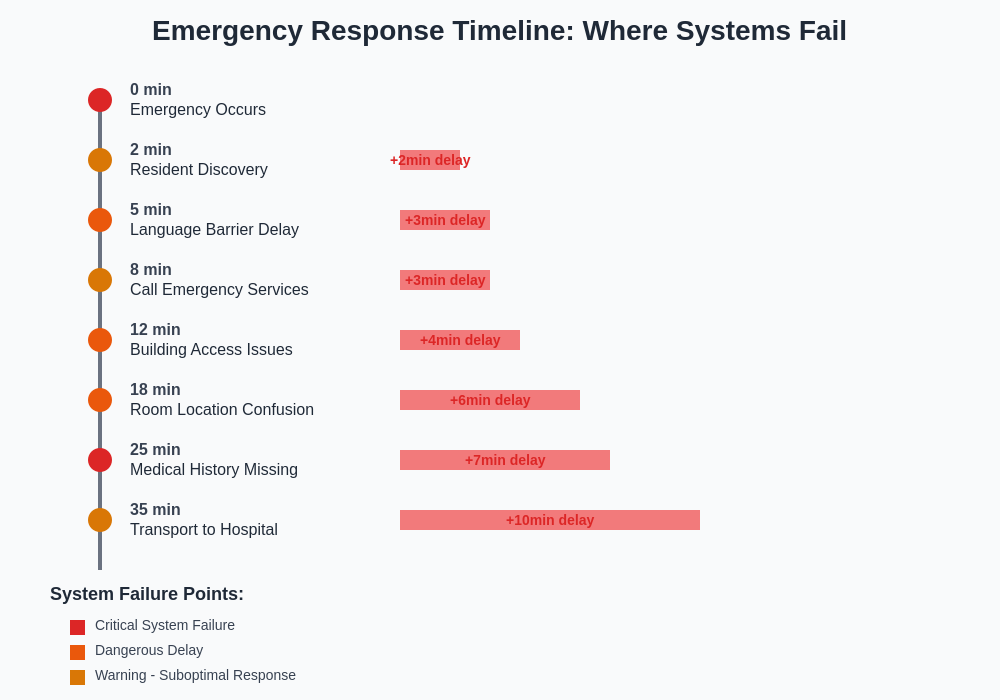
The cascading delays that occur during medical emergencies reveal how each system weakness compounds the next, creating dangerous situations where minutes matter but procedural failures consume precious time that could mean the difference between life and death.
Infrastructure Limitations and Access Challenges
The physical infrastructure of many sharehouses reveals critical weaknesses when emergency responders attempt to access residents requiring immediate medical attention, exposing design flaws and accessibility issues that can significantly delay life-saving interventions. Emergency evacuation plans are often unclear because building layouts, numbering systems, and access routes were not designed with emergency response in mind, creating confusion that can prove deadly during critical moments.
Narrow hallways, steep staircases, and cramped room configurations that seem acceptable during normal living conditions become significant obstacles when paramedics need to maneuver equipment or evacuate injured residents. Many older buildings converted into sharehouses lack the infrastructure modifications necessary to support emergency medical equipment, creating situations where treatment must be delayed until patients can be moved to more accessible locations.
Room numbering systems and building layouts often confuse even residents, let alone emergency responders unfamiliar with the property’s unique configuration. The informal nature of many sharehouse conversions means that official building plans may not accurately reflect current room divisions and access routes, leading to dangerous delays as emergency personnel struggle to locate specific residents or navigate unfamiliar spaces under time pressure.
Parking limitations and street access issues can prevent ambulances from positioning optimally near building entrances, forcing emergency medical technicians to carry equipment longer distances and potentially delaying transport to medical facilities. These infrastructure limitations become particularly problematic in dense Tokyo neighborhoods where street parking is limited and building access may require navigating narrow alleys or multi-level parking structures.
Documentation and Medical History Gaps
Medical emergencies in sharehouses frequently reveal dangerous gaps in resident medical information and documentation that can compromise treatment decisions and delay appropriate interventions. Personal information gets compromised not through malicious intent but through the informal nature of sharehouse record-keeping systems that prioritize convenience over comprehensive emergency preparedness.
The absence of centralized medical information systems means that emergency responders often lack access to critical details about resident allergies, current medications, pre-existing conditions, and emergency contact information that could significantly impact treatment decisions. Many residents assume that their housemates possess this information or that it’s documented somewhere accessible, but medical emergencies reveal that such assumptions are often incorrect and potentially dangerous.
International residents face additional complications as their medical histories may be documented in foreign languages or healthcare systems that don’t integrate easily with Japanese medical databases. Insurance information, prescription details, and specialist care arrangements that seem well-organized during routine medical appointments can become inaccessible during emergencies when residents are incapacitated or too stressed to provide accurate information.
The legal complexities surrounding medical decision-making for international residents without local family members create additional challenges that many sharehouse management systems fail to address adequately. Emergency contacts listed during initial housing applications may be outdated, unreachable, or legally unable to make medical decisions, leaving residents vulnerable during critical moments when someone needs to advocate for their care.
Financial and Insurance Complications
Medical emergencies brutally expose the financial vulnerabilities of sharehouse residents, revealing how quickly emergency medical costs can overwhelm personal budgets and create lasting financial hardships that extend far beyond immediate health concerns. Emergency expenses are never budgeted because residents often underestimate both the direct costs of emergency care and the indirect financial impacts of medical crises on their housing stability and employment status.
Insurance coverage gaps become particularly problematic for international residents whose policies may not provide adequate coverage for emergency care, specialist treatments, or extended hospital stays that medical emergencies can require. The complexity of Japanese healthcare billing systems and insurance claim processes can create additional stress and financial uncertainty during already challenging recovery periods.
Emergency medical transportation costs, specialist consultation fees, and prescription expenses can quickly accumulate into substantial financial burdens that many residents cannot absorb without compromising their housing payments or other essential expenses. These financial pressures can force residents to make dangerous decisions about their medical care, potentially avoiding necessary follow-up treatments or medications due to cost concerns.
The interconnected nature of sharehouse finances means that one resident’s medical emergency can impact the entire community’s financial stability, particularly in situations where shared expenses need to be redistributed or common area usage patterns change due to ongoing medical needs. Living in sharehouses affects your taxes in ways that become particularly complicated when medical expenses and insurance claims need to be properly documented for tax purposes.
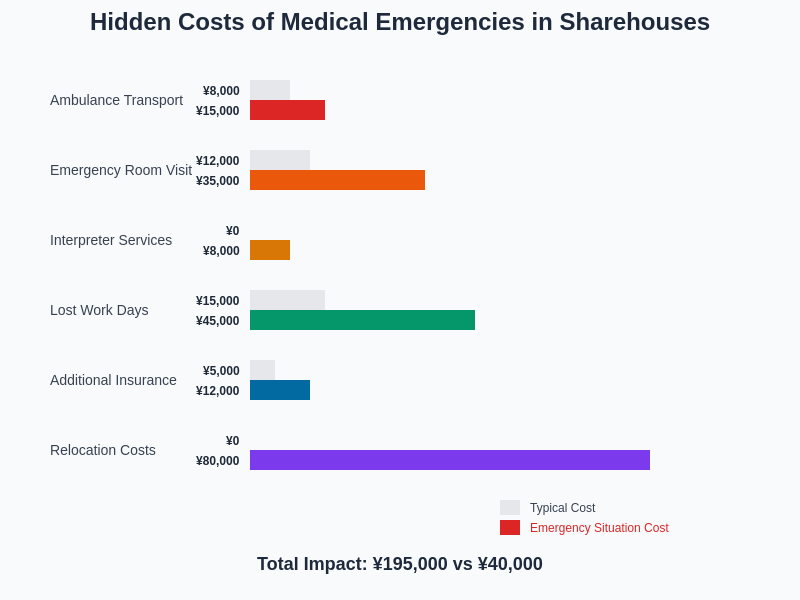
The hidden financial impacts of medical emergencies extend far beyond immediate medical costs, creating cascading expenses that can destabilize both individual residents and entire sharehouse communities for months or even years after the initial crisis.
Social Dynamics Under Medical Stress
Medical emergencies reveal the true nature of social relationships within sharehouse communities, exposing how quickly supportive environments can become sources of additional stress when residents face serious health challenges. The assumption that communal living provides built-in support systems often proves false when medical crises require sustained assistance, specialized knowledge, or significant time commitments that many residents cannot or will not provide.
Cultural differences in approaching illness, medical care, and personal privacy create additional complications during health emergencies as residents navigate conflicting expectations about appropriate levels of involvement, support, and boundary respect. What some cultures consider necessary care and community support, others may view as intrusive interference, leading to misunderstandings and conflicts during already stressful medical situations.
The temporary or permanent changes in household dynamics that medical emergencies often require can strain existing social relationships and create new tensions as residents adjust to modified routines, additional responsibilities, or changes in common area usage. Mental health support varies in sharehouses because communities that function well under normal circumstances may lack the emotional resources and communication skills necessary to support members through extended medical challenges.
The legal and ethical responsibilities of residents toward each other during medical emergencies remain unclear in many sharehouse arrangements, creating confusion about appropriate levels of intervention, privacy protection, and ongoing support obligations. These uncertainties can lead to either inappropriate involvement in medical decisions or dangerous neglect when residents assume others will take responsibility for helping community members in crisis.
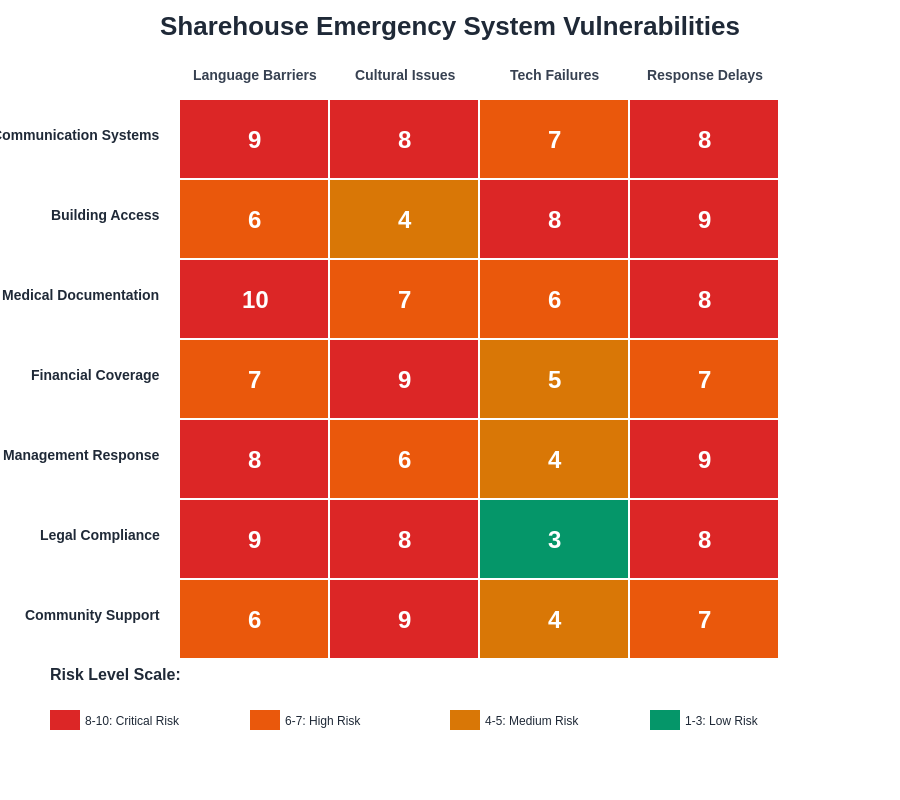
This comprehensive analysis reveals how different types of system vulnerabilities create compounding risks that make medical emergencies particularly dangerous in sharehouse environments where multiple failure points can occur simultaneously.
Management Response and Responsibility Gaps
Medical emergencies often reveal significant gaps between sharehouse management policies and actual emergency response capabilities, exposing how quickly management systems can become overwhelmed when faced with situations requiring immediate decision-making and specialized knowledge. Emergency housing options are limited in Tokyo particularly when medical conditions require residents to leave their current accommodations temporarily or permanently.
The absence of clear protocols for handling medical emergencies means that management responses often depend on individual judgment calls that may not prioritize resident welfare appropriately or may create legal liabilities that weren’t anticipated during normal operations. Many management companies lack staff training in medical emergency response, crisis communication, or the legal requirements surrounding resident medical situations.
Insurance coverage for sharehouse operators may not adequately protect against liability claims arising from medical emergencies, creating situations where management may be reluctant to take appropriate action due to concerns about financial exposure. These coverage gaps can result in delayed or inadequate responses that compromise resident safety and well-being during critical moments.
The informal nature of many sharehouse operations means that emergency response procedures may not be documented, tested, or updated regularly, leaving management unprepared when medical situations require coordinated action involving multiple stakeholders including emergency services, medical facilities, insurance companies, and family members.
Technology Failures During Crisis
Medical emergencies expose the vulnerability of technology systems that residents rely on for emergency communication, medical information access, and coordination with healthcare providers and emergency services. Smart locks change sharehouse security but these systems can become obstacles rather than aids during medical emergencies when electronic access controls fail or when emergency responders need immediate building access.
Internet connectivity issues that seem minor during normal circumstances can become life-threatening obstacles when residents need to access emergency services, communicate with medical professionals, or coordinate with family members during health crises. The assumption that digital communication tools will remain functional during emergencies ignores the reality that network congestion, power failures, and equipment malfunctions often coincide with crisis situations.
Medical alert systems and emergency notification tools that residents may have invested in for peace of mind often prove inadequate when tested by actual emergency conditions, revealing compatibility issues with building infrastructure, coverage gaps, or response protocols that don’t account for the unique challenges of sharehouse environments.
The reliance on smartphone applications for emergency services access can create dangerous delays when devices are damaged, batteries are dead, or residents are too incapacitated to operate complex interfaces. These technology dependencies become particularly problematic for elderly residents or those with cognitive impairments who may struggle with digital emergency systems during high-stress situations.
Legal and Regulatory Compliance Issues
Medical emergencies in sharehouses frequently reveal gaps between regulatory requirements and actual emergency preparedness capabilities, exposing how many properties operate without adequate compliance with safety standards and emergency response protocols. First aid training should be mandatory but regulatory enforcement of such requirements often proves inconsistent or inadequate until emergencies expose these deficiencies.
The legal responsibilities of sharehouse operators during medical emergencies remain poorly defined in many jurisdictions, creating uncertainty about appropriate response protocols and potential liability exposure that can result in inadequate or delayed emergency assistance. Property managers may lack clear guidance about their obligations to assist residents during medical crises or their authority to make decisions that could impact resident safety.
Privacy regulations and medical confidentiality requirements can create additional complications during emergencies when sharing resident medical information becomes necessary for appropriate care but may violate legal or contractual privacy protections. These regulatory conflicts can delay emergency responses or compromise the quality of medical care when healthcare providers lack access to relevant resident information.
Building code compliance issues that remain hidden during normal operations often become critical safety factors during medical emergencies when evacuation routes, accessibility features, or safety equipment prove inadequate for emergency response requirements. The informal nature of many sharehouse conversions means that regulatory compliance may be incomplete or based on outdated standards that don’t reflect current emergency response needs.
Long-term Impact on Community Trust
Medical emergencies serve as defining moments that can either strengthen sharehouse communities through shared crisis experiences or permanently damage trust and cooperation when emergency responses reveal fundamental failures in community support systems. The way communities respond to medical crises often becomes a lasting measure of their true values and capabilities, influencing resident retention and community reputation long after immediate medical issues are resolved.
Residents who experience inadequate support during medical emergencies may develop lasting mistrust of their community’s ability to provide assistance during future crises, leading to social withdrawal or eventual departure that weakens overall community cohesion. How to handle roommate conflicts without moving out becomes particularly relevant when medical emergencies create or exacerbate existing interpersonal tensions within sharehouse communities.
The financial and emotional costs of inadequate emergency response can create lasting resentment and legal complications that continue to impact community dynamics long after medical crises are resolved. These ongoing tensions can make it difficult for communities to learn from emergency experiences and improve their preparedness for future medical situations.
Positive emergency responses that demonstrate effective community support and coordination can strengthen resident bonds and create lasting confidence in the community’s ability to handle future challenges, but such outcomes require proactive planning and commitment that many sharehouses fail to develop before emergencies test their capabilities.
Building Resilient Emergency Systems
Creating effective emergency response systems in sharehouse environments requires comprehensive planning that addresses the unique challenges of communal living while building on the potential strengths of community-based support networks. Successful emergency preparedness must integrate formal protocols with informal community relationships, creating redundant systems that can function effectively even when primary communication or coordination mechanisms fail.
Regular emergency preparedness training that includes all residents and addresses language barriers, cultural differences, and individual medical needs can significantly improve community response capabilities while building the relationships and trust necessary for effective crisis cooperation. First aid knowledge becomes more important in communal living environments where residents may be the first responders to medical emergencies affecting their housemates.
Technology solutions that enhance rather than complicate emergency response must be carefully selected and regularly tested to ensure they remain functional during actual crisis conditions. Simple, redundant communication systems often prove more reliable than complex digital solutions that may fail when most needed.
The development of clear protocols that address privacy concerns, legal responsibilities, and cultural sensitivities while prioritizing resident safety requires ongoing community discussion and regular updates based on evolving needs and changing regulations. These protocols must be accessible to all residents regardless of language proficiency and must be regularly practiced to ensure effectiveness during actual emergencies.
Medical emergencies in sharehouses will continue to expose system weaknesses until communities proactively address the fundamental challenges of emergency preparedness in communal living environments. The cost of inadequate preparation extends far beyond immediate medical outcomes, affecting community trust, individual financial stability, and long-term housing security for all residents. Building resilient emergency systems requires sustained commitment and resources, but the alternative costs of system failures during medical crises make such investments essential for responsible sharehouse operations.
Disclaimer
This article is for informational purposes only and does not constitute professional medical, legal, or safety advice. Medical emergency procedures and legal requirements vary by location and specific circumstances. Readers should consult with relevant professionals and local authorities to understand their specific obligations and options regarding emergency preparedness in shared living situations. The effectiveness of emergency preparedness strategies may vary depending on individual circumstances, building configurations, and local emergency service capabilities.