Mental health support in sharehouse environments represents a complex landscape that varies dramatically based on management philosophy, resident demographics, cultural context, and available resources. The quality and accessibility of mental health assistance can significantly impact residents’ overall wellbeing, social integration, and long-term satisfaction with shared living arrangements. Understanding these variations helps prospective residents make informed decisions about housing choices that align with their mental health needs and support preferences.
The intersection of communal living and mental health creates unique challenges and opportunities that traditional housing arrangements rarely address. Sharehouses serve as social laboratories where individuals from different backgrounds navigate personal struggles while building community connections, making the availability of appropriate support systems crucial for maintaining healthy living environments that benefit all residents.
Understanding Mental Health Challenges in Shared Living
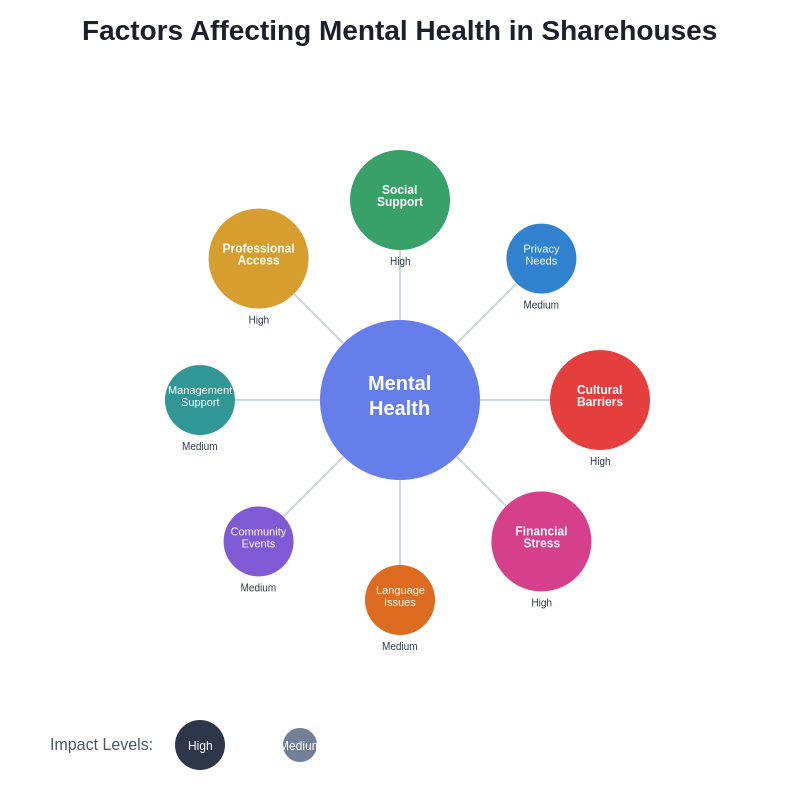
Sharehouse environments present distinctive mental health considerations that stem from the complex interplay between personal privacy needs and communal living requirements. The constant presence of other residents can simultaneously provide valuable social support and create additional stress factors that impact individual psychological wellbeing. How to handle roommate conflicts without moving out becomes particularly relevant when mental health factors complicate interpersonal relationships and communication patterns.
Cultural differences in mental health awareness and treatment approaches create additional layers of complexity within international sharehouse communities. Residents from countries with varying stigma levels around mental health issues may struggle to seek help or understand available support options, while language barriers can prevent effective communication about psychological needs and concerns.
The transitional nature of many sharehouse residents, including international students, working professionals, and temporary workers, often coincides with major life changes that can trigger or exacerbate mental health challenges. Financial stress, career uncertainty, relationship changes, and cultural adaptation difficulties frequently converge in ways that require comprehensive support systems rather than isolated interventions.
Formal Mental Health Services and Professional Support
Premium sharehouses and corporate-managed facilities increasingly recognize the importance of providing formal mental health resources as part of their comprehensive resident support packages. These services range from basic information referrals to on-site counseling sessions and partnerships with local mental health professionals who understand the unique challenges of international residents and shared living environments.
English-speaking sharehouses in Tokyo for foreigners often prioritize mental health support services as a key differentiator, recognizing that language barriers can significantly complicate access to traditional Japanese mental health resources. Some facilities employ bilingual counselors or maintain relationships with international mental health clinics that can provide culturally appropriate care.
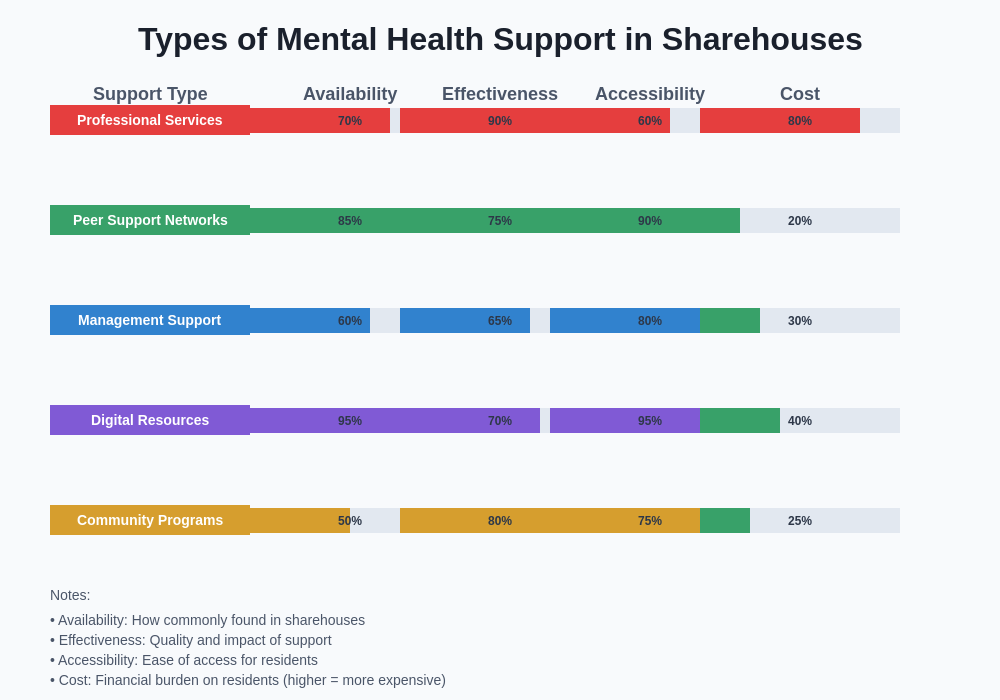
The quality and accessibility of professional mental health services varies significantly based on sharehouse pricing tiers and management company resources. Luxury sharehouses may offer regular mental health check-ins, stress management workshops, and direct connections to mental health professionals, while budget accommodations may provide only basic information about local resources without additional support or guidance.
Employee assistance programs and corporate wellness initiatives sometimes extend to company-sponsored sharehouses, particularly those housing international employees or exchange program participants. These arrangements can provide residents with access to comprehensive mental health benefits that might otherwise be unavailable or prohibitively expensive for temporary residents.
Peer Support Networks and Community-Based Assistance
Informal peer support systems often prove more accessible and culturally relevant than formal mental health services, particularly for residents who face language barriers or cultural stigma around professional mental health treatment. The development of these organic support networks depends heavily on house culture, resident demographics, and management approaches to community building and conflict resolution.
Making friends through Tokyo sharehouse communities explores how social connections formed in sharehouses can provide crucial emotional support during difficult periods. These relationships often evolve into informal mentorship arrangements where experienced residents help newcomers navigate mental health challenges related to cultural adaptation and life transitions.
Some sharehouses actively facilitate peer support through structured community activities, regular house meetings, and social events designed to build trust and communication among residents. These initiatives create environments where residents feel comfortable discussing personal challenges and seeking advice from housemates who may have faced similar difficulties.
The effectiveness of peer support varies significantly based on resident turnover rates, cultural compatibility, and individual personalities within each house. High-turnover environments may struggle to maintain consistent support networks, while houses with stable, long-term residents often develop strong mutual aid systems that benefit all community members.
Cultural Approaches to Mental Health in Different Sharehouse Types
Japanese-managed sharehouses often reflect broader cultural attitudes toward mental health that emphasize group harmony, indirect communication, and collective problem-solving approaches. These environments may provide excellent community support for stress management and social integration while potentially discouraging direct discussion of serious mental health issues that might disrupt group dynamics.
Living with Japanese roommates in Tokyo sharehouses reveals how cultural differences in mental health communication can create both challenges and opportunities for international residents seeking support. Understanding these cultural nuances helps residents navigate available resources more effectively.
International sharehouses managed by foreign companies or organizations often adopt more direct approaches to mental health support that may include explicit policies, resource lists, and encouraged help-seeking behaviors. These environments typically normalize mental health discussions and provide clearer pathways for accessing professional support when needed.
Student-focused sharehouses near universities frequently incorporate mental health resources that align with academic support services, creating integrated support systems that address both educational and personal challenges. Student sharehouses near top Tokyo universities often benefit from university counseling services and student wellness programs.
Management Company Policies and Support Frameworks
Progressive sharehouse management companies increasingly recognize mental health support as a competitive advantage and resident retention tool, implementing comprehensive policies that address crisis intervention, resource provision, and community building initiatives. These policies typically include clear procedures for handling mental health emergencies, referral networks for professional services, and training for staff members who interact regularly with residents.
The scope of management involvement in mental health support varies considerably based on company philosophy, legal considerations, and available resources. Some companies maintain strict boundaries around personal issues while providing basic resource information, while others actively engage in supporting residents through difficult periods and maintaining community mental health standards.
Staff training levels significantly impact the quality of mental health support available through management channels. Well-trained staff can identify warning signs, provide appropriate initial support, and facilitate connections to professional resources, while untrained personnel may inadvertently worsen situations or fail to recognize serious mental health concerns.
Legal liability considerations influence how extensively management companies can involve themselves in resident mental health issues, with some organizations preferring to limit their role to information provision and emergency response rather than ongoing support or intervention activities.
Crisis Intervention and Emergency Response Systems
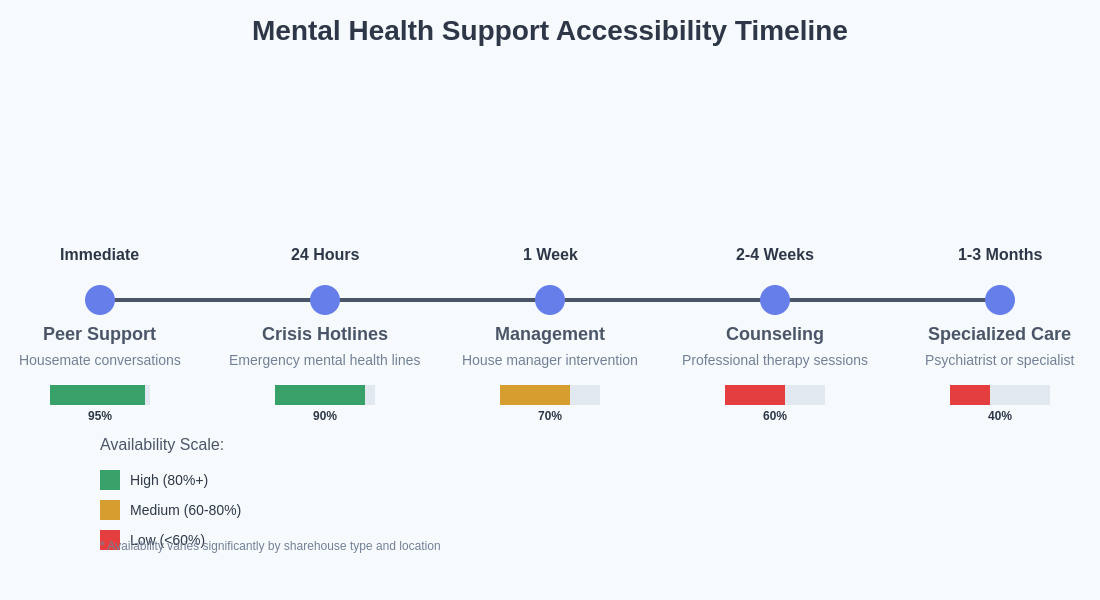
Emergency mental health response capabilities vary dramatically between different sharehouse types and management approaches, with some facilities maintaining comprehensive crisis intervention protocols while others rely entirely on external emergency services. Understanding available emergency resources becomes crucial for residents who may experience mental health crises or witness concerning behaviors in housemates.
How to spot financial red flags in sharehouse contracts extends to understanding what mental health support, if any, is included in rental agreements and what additional costs might be associated with accessing support services during emergencies or ongoing treatment needs.
Communication systems for reporting mental health concerns or requesting assistance range from informal approaches through house managers to formal emergency hotlines and professional response teams. The effectiveness of these systems depends on resident awareness, cultural comfort levels with help-seeking, and the responsiveness of available support networks.
Follow-up care and ongoing support after mental health crises present particular challenges in sharehouse environments where privacy needs must be balanced against community safety and support obligations. Different houses handle these situations with varying degrees of formality and ongoing involvement.
Technology-Based Mental Health Resources and Digital Support
Digital mental health platforms and applications provide increasingly accessible support options that can supplement traditional services and peer support networks within sharehouse communities. These resources prove particularly valuable for residents who face language barriers, cultural stigma, or geographic limitations in accessing traditional mental health services.
Teletherapy and online counseling services offer privacy and convenience that may appeal to sharehouse residents who struggle with confidentiality concerns in shared living environments. The availability of services in multiple languages and cultural contexts makes these platforms particularly relevant for international resident populations.
Mental health apps focusing on stress management, meditation, sleep improvement, and mood tracking provide daily support tools that residents can use independently while maintaining privacy about their mental health needs and treatment activities. Some sharehouses actively promote these resources as part of community wellness initiatives.
Online support groups and forums specific to expatriate mental health, shared living challenges, and cultural adaptation provide broader community connections beyond individual sharehouse environments. These platforms allow residents to connect with others facing similar challenges while maintaining anonymity and privacy about their specific living situations.
Preventive Mental Health Initiatives and Wellness Programs
Proactive mental health promotion through community wellness programs, stress reduction activities, and social integration initiatives often proves more effective than reactive crisis intervention approaches. Sharehouses that prioritize preventive mental health create environments where residents develop resilience and coping skills before serious problems develop.
Regular social activities, cultural exchange programs, and community building events contribute to mental health maintenance by reducing isolation, building social connections, and creating positive shared experiences that strengthen community bonds and individual wellbeing.
Educational workshops on stress management, cultural adaptation, financial planning, and career development address common sources of mental health challenges for sharehouse residents while building practical life skills that support long-term psychological wellbeing.
Environmental modifications such as quiet spaces, natural lighting, comfortable common areas, and privacy options contribute to mental health maintenance by providing residents with options for managing stress, social interaction needs, and personal space requirements.
Specialized Support for Vulnerable Populations
International students face unique mental health challenges related to academic pressure, cultural adaptation, language barriers, and financial stress that require specialized support approaches. How academic pressure varies by nationality influences how different sharehouse communities address student mental health needs.
Working professionals dealing with career transitions, job stress, or work-life balance issues may benefit from sharehouses that understand professional mental health challenges and provide appropriate resources for managing work-related stress while maintaining healthy community relationships.
LGBTQ+ residents may require specialized mental health support that addresses discrimination, identity issues, and safety concerns within shared living environments. Why LGBTQ+ friendly policies matter beyond acceptance explores how inclusive policies contribute to mental health support for diverse residents.
Residents experiencing major life transitions such as relationship changes, family issues, or health problems may need additional support during vulnerable periods when normal coping mechanisms prove insufficient for managing sharehouse life alongside personal challenges.
Economic Factors and Accessibility of Mental Health Support
The cost of mental health services in Japan can create significant barriers for sharehouse residents, particularly those on student visas, working holiday permits, or temporary employment arrangements with limited health insurance coverage. Understanding financial assistance options and low-cost resources becomes crucial for accessing needed support.
Living costs in Tokyo sharehouses explained should include consideration of potential mental health expenses that may arise during residency, as these costs can significantly impact overall budgets and financial planning strategies.
Some sharehouse management companies negotiate group rates for mental health services or maintain relationships with sliding-scale providers who can offer reduced-cost services to residents. These arrangements can make professional support more accessible while maintaining quality standards.
Employee health insurance benefits and university student health services may provide mental health coverage that extends to sharehouse residents, though understanding coverage limitations and accessing these benefits often requires navigation assistance that varies by housing provider.
Long-Term Mental Health Outcomes and Community Impact
The quality of mental health support available in sharehouse environments can significantly impact residents’ long-term psychological development, social skills, and overall life satisfaction. Positive support experiences often contribute to increased resilience, improved cross-cultural competency, and enhanced problem-solving abilities that benefit residents throughout their lives.
Community mental health standards influence house culture, resident satisfaction, and turnover rates in ways that affect all residents regardless of their individual mental health needs. Houses with strong mental health support systems typically maintain more stable, positive communities that attract and retain high-quality residents.
Real stories from Tokyo sharehouse residents frequently highlight mental health support quality as a determining factor in overall sharehouse satisfaction and recommendation likelihood, emphasizing the importance of these services for community success.
The skills and perspectives gained through navigating mental health challenges in diverse, supportive sharehouse communities often prepare residents for future cross-cultural experiences, international careers, and complex social environments that require emotional intelligence and cultural sensitivity.
Understanding the landscape of mental health support in sharehouses empowers prospective residents to make informed housing decisions that align with their psychological needs and support preferences. Whether seeking formal professional services, informal peer support, or comprehensive wellness programs, residents benefit from evaluating these factors alongside traditional considerations like location, cost, and amenities when selecting their ideal shared living environment.
Disclaimer
This article is for informational purposes only and does not constitute professional mental health advice. Mental health support needs vary significantly between individuals, and readers experiencing mental health challenges should consult with qualified professionals. The availability and quality of mental health services in sharehouses can change, and prospective residents should verify current support options directly with housing providers. If you are experiencing a mental health emergency, please contact local emergency services or mental health crisis hotlines immediately.