Mold development in Tokyo’s sharehouses represents one of the most persistent and concerning challenges that residents face, particularly during the intense humidity periods that characterize Japan’s climate throughout much of the year. The combination of naturally high atmospheric moisture, inadequate ventilation systems, and the concentrated living arrangements typical of sharehouses creates an environment where mold spores can flourish rapidly, leading to serious health implications and property damage that affects entire communities of residents.
The insidious nature of mold growth means that problems often develop unnoticed until they reach advanced stages where remediation becomes expensive and disruptive to daily life. Understanding the scientific mechanisms behind mold development, recognizing early warning signs, and implementing effective prevention strategies becomes essential for anyone living in Tokyo’s humid sharehouse environment, where the consequences of ignoring moisture control can escalate quickly from minor inconveniences to serious health hazards.
Understanding Japan’s Humidity Climate and Building Challenges
Tokyo’s subtropical climate creates extended periods of high humidity that can exceed 80 percent for months at a time, particularly during the rainy season from June through July and the hot summer months that follow. How rainy season creates humidity problems demonstrates how these seasonal patterns directly impact indoor air quality and moisture accumulation in residential buildings throughout the metropolitan area.
The architectural characteristics of many sharehouse buildings compound these natural humidity challenges, as older structures often lack modern moisture management systems and proper insulation that would help regulate indoor humidity levels effectively. Traditional Japanese building methods prioritized natural ventilation through sliding doors and paper screens, but converted sharehouses frequently compromise these original design features while failing to implement adequate mechanical ventilation alternatives.
Modern sharehouse conversions in Tokyo often involve subdividing larger spaces into smaller private rooms without corresponding improvements to ventilation infrastructure, creating pockets of stagnant air where moisture can accumulate unchecked. The installation of individual air conditioning units in each room can actually worsen humidity problems when residents use cooling systems inconsistently or improperly, leading to condensation formation in walls and hidden spaces throughout the building.
Building age and construction quality significantly influence mold susceptibility, with structures built before modern building codes often lacking vapor barriers, proper drainage systems, and adequate insulation that prevent moisture infiltration from external sources. How building age affects comfort levels explores how these structural factors create ongoing challenges for humidity control regardless of resident behavior and maintenance efforts.
The Science of Mold Growth in Shared Living Environments
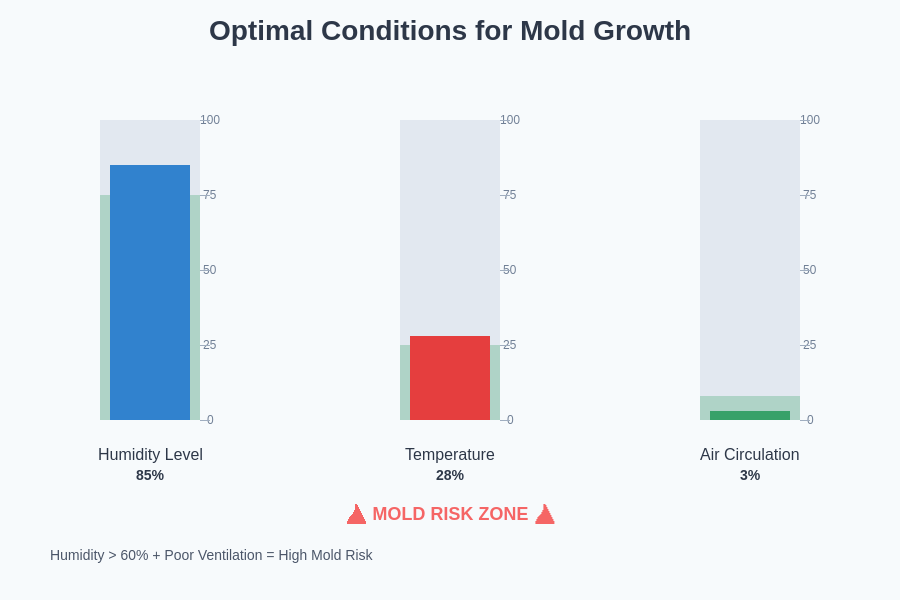
Mold spores exist naturally in all indoor and outdoor environments, but they require specific conditions to germinate and establish colonies that become visible and problematic for human health and building integrity. The three essential factors for mold growth include moisture levels above 60 percent relative humidity, organic materials that serve as food sources, and temperatures typically found in human living spaces between 15 and 30 degrees Celsius.
Sharehouses provide ideal conditions for mold development due to the concentration of moisture-generating activities from multiple residents using shared facilities simultaneously. Cooking, showering, laundry drying, and even breathing from several people in close proximity creates continuous moisture introduction that can overwhelm inadequate ventilation systems and lead to persistent humidity levels that support mold colony establishment.
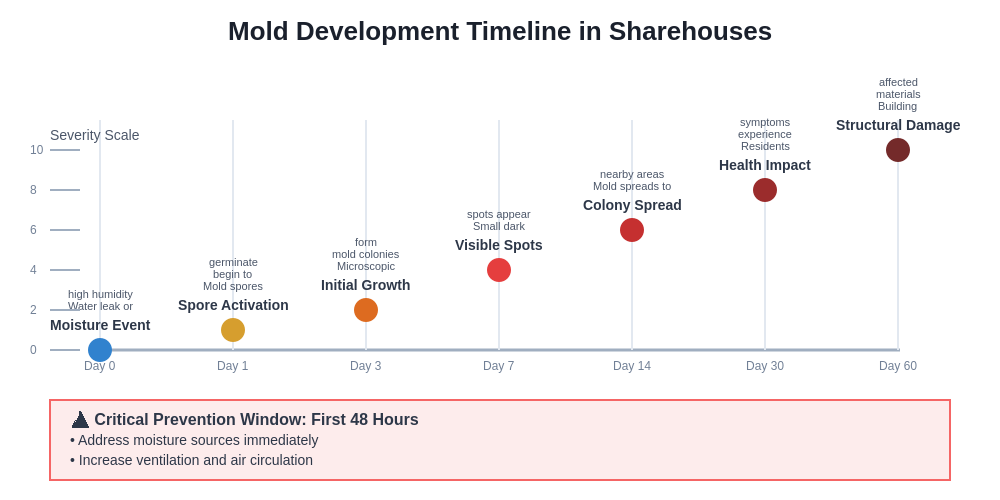
The timeline for mold development can be surprisingly rapid under optimal conditions, with visible growth potentially appearing within 48 to 72 hours of sustained moisture exposure. However, mold problems in sharehouses often develop gradually over weeks or months as humidity levels fluctuate around the threshold where spores can intermittently germinate and slowly establish sustainable colonies in hidden areas before becoming apparent to residents.
Different mold species thrive in various environmental conditions and locations within sharehouse buildings, from surface molds that appear on walls and ceilings to more dangerous species that grow within wall cavities and ventilation systems where they can spread spores throughout the entire building. Understanding these growth patterns helps residents identify potential problem areas and implement targeted prevention strategies before serious infestations develop.
Common Mold Development Locations in Sharehouses
Bathrooms represent the most vulnerable areas for mold development in sharehouses due to the combination of frequent moisture generation, often inadequate ventilation, and warm temperatures that create optimal growing conditions. How bathroom cleanliness affects health examines how shared bathroom facilities in sharehouses face particular challenges from multiple users and inconsistent maintenance practices that can accelerate mold growth.
Shower areas, bathtub surrounds, and ceiling spaces above bathing facilities commonly develop mold colonies due to steam accumulation and poor air circulation that prevents effective moisture removal. Grout lines, silicone seals, and painted surfaces in humid bathroom environments provide organic materials that support mold growth while retaining moisture that sustains colony development over extended periods.
Kitchen areas present another high-risk environment for mold development, particularly around sinks, dishwashing areas, and food storage spaces where moisture from cooking activities and cleaning processes can accumulate. How cooking odors create cultural conflicts touches on how intensive cooking activities in sharehouses can contribute to indoor air quality issues including elevated humidity levels.
Bedroom areas can develop mold problems in locations that residents might not expect, including behind furniture placed against exterior walls, in closets with poor air circulation, and around windows where condensation regularly forms during temperature fluctuations. How air quality concerns affect daily decisions discusses how residents often unknowingly contribute to moisture problems through furniture placement and ventilation choices.
Common areas such as hallways, stairwells, and entrance areas frequently develop mold problems due to inconsistent climate control and the introduction of moisture from external sources including wet clothing, umbrellas, and foot traffic that brings humidity from outdoors into the building interior.
Health Implications and Resident Impact
Mold exposure in sharehouses can trigger a wide range of health problems that affect residents differently based on individual sensitivity levels, existing health conditions, and the duration and intensity of exposure to airborne spores and mycotoxins. Respiratory symptoms including coughing, wheezing, throat irritation, and nasal congestion represent the most common immediate health effects experienced by residents living in mold-affected environments.
Individuals with pre-existing respiratory conditions such as asthma, allergies, or compromised immune systems face significantly higher risks from mold exposure and may experience severe symptoms that require medical intervention and potentially necessitate relocation to healthier living environments. How seasonal allergies worsen in crowded spaces explores how sharehouse living conditions can exacerbate existing health sensitivities.
Long-term exposure to certain mold species can lead to more serious health complications including persistent respiratory infections, skin irritation, headaches, fatigue, and in extreme cases, neurological symptoms that significantly impact quality of life and academic or professional performance. The concentration of multiple residents in close proximity means that health problems affecting one individual can quickly become community-wide concerns that require coordinated response efforts.
Children, elderly residents, and individuals with weakened immune systems face particularly serious risks from mold exposure, with potential for developing severe allergic reactions, respiratory infections, and long-term health complications that may persist even after mold problems are remediated and living conditions improve.
Early Detection and Warning Signs
Recognizing early indicators of mold development allows residents to address problems before they become serious health hazards or require expensive professional remediation services. Visual signs include small dark spots on walls, ceilings, or around plumbing fixtures that may initially appear as minor discoloration but can rapidly expand under favorable moisture conditions.
Musty odors represent one of the most reliable early warning signs of hidden mold growth, often detectable before visual colonies become apparent to residents. These odors typically intensify during humid weather periods and may be most noticeable in enclosed spaces such as closets, storage areas, or rooms with poor ventilation where air circulation fails to dilute mold-produced compounds.
Increased humidity levels that persist despite normal ventilation efforts can indicate underlying moisture problems that will likely lead to mold development if not addressed promptly. Residents may notice condensation forming on windows, walls, or other surfaces more frequently than expected, or experience difficulty maintaining comfortable humidity levels despite using dehumidification equipment.
Physical symptoms among residents that correlate with time spent in specific areas of the sharehouse can indicate localized mold problems that may not yet be visually apparent. How illness spreads faster in sharehouses discusses how shared living environments can amplify health problems and make it challenging to identify environmental causes versus contagious illnesses.
Prevention Strategies and Moisture Control
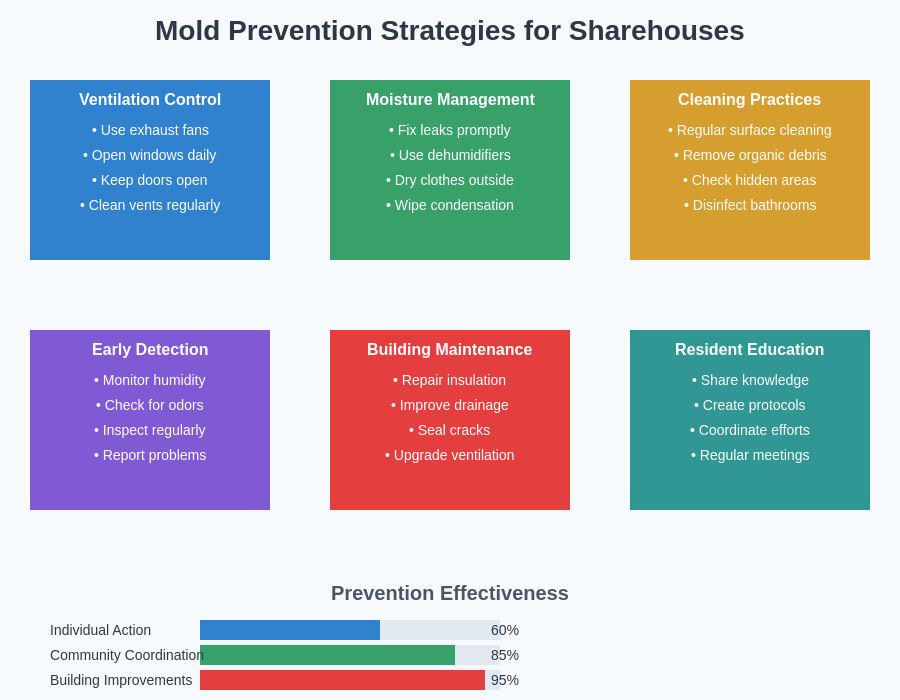
Effective mold prevention in sharehouses requires systematic moisture control strategies that address both immediate humidity sources and underlying building factors that contribute to sustained moisture problems. Proper ventilation represents the most critical factor in preventing mold development, requiring coordination among residents to maintain consistent air circulation throughout common areas and individual rooms.
Bathroom ventilation protocols should include running exhaust fans during and for at least 30 minutes after showering or bathing, keeping bathroom doors open when not in use to promote air circulation, and regularly cleaning ventilation equipment to maintain effective moisture removal capacity. How moisture control prevents mold growth provides detailed guidance on implementing effective humidity management systems in shared living environments.
Kitchen moisture control requires coordinated efforts among residents to use exhaust fans during cooking activities, promptly clean up spills and condensation, and avoid practices that introduce unnecessary moisture such as air-drying large quantities of laundry in common areas. Proper food storage and refrigerator maintenance also contribute to overall humidity control by preventing organic matter decomposition that can increase local moisture levels.
Individual room moisture management involves strategic furniture placement that allows air circulation along walls, regular cleaning to remove organic matter that supports mold growth, and prompt reporting of any moisture problems such as leaks, condensation, or ventilation failures that could affect the entire building.
Professional Assessment and Remediation
Severe mold problems in sharehouses typically require professional assessment and remediation services that can safely remove existing colonies while addressing underlying moisture sources that allowed the problem to develop. How building maintenance gets neglected demonstrates how delayed maintenance responses can allow minor moisture problems to escalate into major health hazards requiring expensive professional intervention.
Professional mold inspection services can identify hidden growth areas that residents might not detect, assess the extent of contamination throughout the building, and determine whether living spaces remain safe for continued occupancy during remediation processes. These assessments often reveal moisture problems in wall cavities, ventilation systems, and structural areas that require specialized equipment and expertise to address effectively.
Remediation procedures may require temporary relocation of residents from affected areas while professionals remove contaminated materials, treat surfaces with antimicrobial solutions, and implement moisture control improvements that prevent future mold development. The scope and duration of professional remediation depend on the extent of contamination and the underlying building factors that contributed to the original problem.
Legal considerations regarding mold problems in sharehouses can affect resident rights and responsibilities, particularly when health problems develop or when property damage occurs due to delayed management response to moisture issues. How legal disputes get resolved in sharehouses explores tenant rights and management obligations regarding environmental health hazards in shared living arrangements.
Building Improvements and Long-term Solutions
Addressing chronic mold problems in sharehouses often requires building-level improvements that go beyond surface cleaning and temporary moisture control measures. How green building standards affect comfort examines how modern construction and renovation standards can significantly reduce mold risk through improved moisture management systems.
Ventilation system upgrades including installation of exhaust fans in bathrooms and kitchens, improvement of natural ventilation through window and door modifications, and implementation of mechanical ventilation systems that provide consistent air circulation throughout the building can dramatically reduce mold development risk.
Insulation and vapor barrier improvements help prevent condensation formation within wall cavities and reduce temperature differentials that contribute to moisture accumulation on interior surfaces. These improvements may require significant investment but provide long-term benefits for resident health and building preservation that justify the initial costs.
Regular maintenance programs that include inspection of potential moisture sources, cleaning of ventilation equipment, and prompt repair of plumbing leaks or building envelope failures can prevent minor issues from developing into serious mold problems that require expensive remediation and temporary resident relocation.
Resident Education and Community Response
Successful mold prevention in sharehouses requires coordinated efforts among all residents who understand their individual responsibilities and the collective impact of their daily activities on building humidity levels. How cultural sensitivity develops through daily interaction highlights how effective communication among diverse residents can facilitate cooperation on health and safety issues including environmental concerns.
Education programs that help residents recognize early signs of mold development, understand proper ventilation practices, and know when to report potential problems to building management can prevent minor issues from escalating into serious health hazards. Clear protocols for reporting moisture problems and requesting maintenance assistance ensure that problems receive prompt attention before they become widespread.
Community agreements regarding moisture-generating activities, cleaning responsibilities, and ventilation practices help establish consistent standards that reduce mold risk throughout the sharehouse environment. How house rules get misinterpreted discusses the importance of clear communication and consistent enforcement of policies that affect resident health and safety.
Regular community meetings or communication channels that allow residents to discuss environmental concerns, share observations about potential problems, and coordinate prevention efforts create accountability systems that help maintain healthy living conditions for everyone in the sharehouse community.
Understanding and preventing mold problems in humid sharehouses requires comprehensive knowledge of the environmental factors that contribute to mold development, recognition of early warning signs that allow prompt intervention, and implementation of coordinated prevention strategies that address both individual behaviors and building-level factors. The health implications of mold exposure make this knowledge essential for anyone considering or currently living in Tokyo’s humid sharehouse environments, where proactive moisture control can mean the difference between a healthy living experience and serious health problems that may require medical intervention and relocation to safer housing alternatives.
Disclaimer
This article is for informational purposes only and does not constitute professional medical or building inspection advice. Mold problems can pose serious health risks and property damage concerns that may require professional assessment and remediation. Readers experiencing health symptoms or discovering significant mold growth should consult qualified professionals including healthcare providers and certified mold remediation specialists. Building conditions and mold risks vary significantly between properties and individual health sensitivities differ among residents.