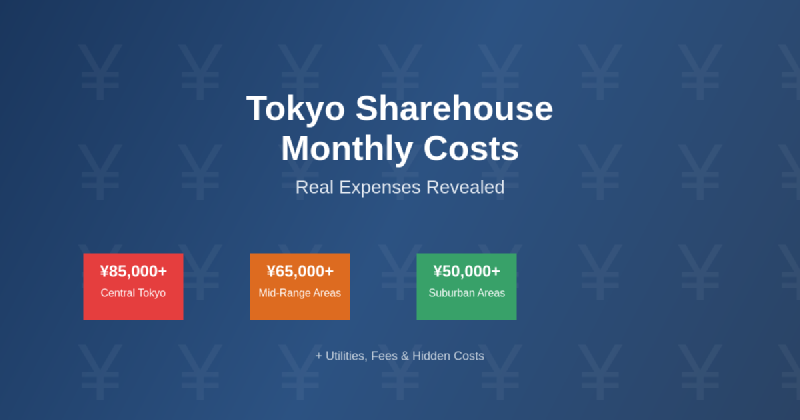
Understanding the real cost of living in Tokyo sharehouses extends far beyond the advertised monthly rent figures that dominate property listings and marketing materials. International residents often discover that their actual monthly expenses can exceed initial expectations by thirty to fifty percent when accounting for utilities, fees, and location-specific charges that aren’t immediately apparent during the initial search process.
The complexity of Tokyo’s sharehouse pricing structure reflects the city’s diverse neighborhoods, varying amenities, and different management approaches that can significantly impact your monthly financial obligations. This comprehensive analysis reveals the actual costs you can expect across different types of sharehouses, neighborhoods, and living arrangements, enabling more accurate budget planning and preventing unwelcome financial surprises.
Base Rent Structure Across Tokyo Districts
Monthly rent prices for sharehouses in Tokyo vary dramatically based on location, with central districts commanding premium rates while suburban areas offer more budget-friendly options. The base rent typically covers your private room, basic furniture, and access to common areas, but additional services and amenities often carry separate charges that can substantially increase your monthly obligations.
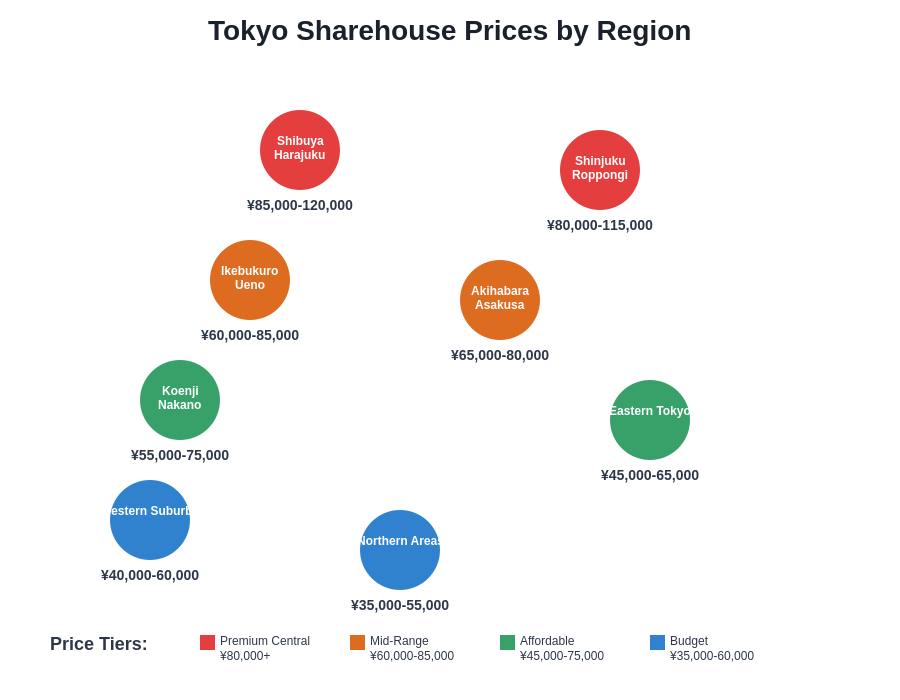
Prime central locations such as Shibuya, Harajuku, and Roppongi typically charge between ¥80,000 to ¥120,000 per month for standard private rooms, with luxury properties reaching ¥150,000 or higher. Business district sharehouses near Tokyo Station often fall within similar price ranges due to their convenience for professionals working in major commercial areas.
Mid-range neighborhoods including Ikebukuro, Ueno, and Akihabara generally offer more reasonable pricing between ¥60,000 to ¥85,000 monthly, providing good balance between accessibility and affordability. These areas maintain excellent transportation connections while offering more space and better value than premium central locations.
Suburban areas and outer Tokyo districts present the most budget-conscious options, with monthly rents ranging from ¥45,000 to ¥65,000 for comparable room sizes and amenities. Cheaper sharehouse options in Tokyo suburbs explore these cost-effective alternatives that can significantly reduce your housing expenses while maintaining reasonable access to central Tokyo.
Hidden Fees and Additional Monthly Charges
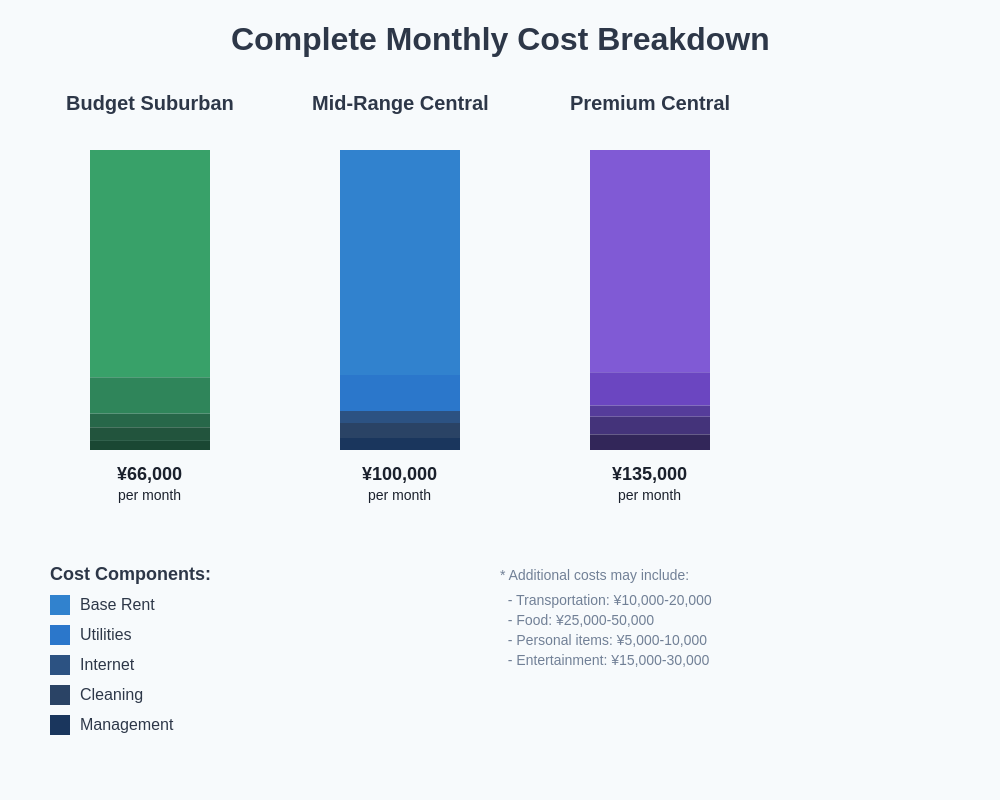
Beyond base rent, sharehouses typically impose various additional fees that can add ¥15,000 to ¥30,000 to your monthly expenses. Utility charges commonly range from ¥8,000 to ¥15,000 monthly, covering electricity, gas, water, and heating costs that fluctuate seasonally and depend on usage patterns and building efficiency.
Internet and Wi-Fi fees usually cost between ¥2,000 to ¥5,000 monthly, with premium high-speed connections commanding higher rates. Some properties include internet in the base rent, while others charge separately for different bandwidth tiers or unlimited data access that may be essential for remote work or streaming entertainment.
Cleaning and maintenance fees typically range from ¥3,000 to ¥8,000 monthly, covering common area maintenance, weekly cleaning services, and basic repairs. Some properties charge these fees separately, while others incorporate them into the base rent, making direct price comparisons challenging without careful analysis of what each property includes.
Management and service fees can add another ¥2,000 to ¥6,000 monthly for properties that provide additional services such as mail handling, package reception, resident support, or 24-hour emergency assistance. Understanding utility bills in Japanese sharehouses provides detailed insights into how these charges are calculated and billed.
Room Type and Size Impact on Pricing
Room configurations significantly influence monthly costs, with private rooms commanding premium rates compared to shared accommodations. Standard private rooms measuring 8-12 square meters represent the most common option, balancing privacy with affordability across most Tokyo sharehouses.
Larger private rooms exceeding 15 square meters can increase monthly costs by ¥20,000 to ¥40,000 compared to standard sizes, particularly in central locations where space commands premium pricing. These rooms often include additional amenities such as private bathrooms, larger windows, or balcony access that justify higher rental rates.
Semi-private arrangements, where residents share a room with one other person, typically cost ¥15,000 to ¥25,000 less than comparable private rooms. However, these arrangements have become less common as demand for privacy has increased among international residents seeking authentic sharehouse experiences.
Dormitory-style accommodations with multiple beds per room offer the most budget-friendly options, often costing ¥30,000 to ¥50,000 monthly including utilities. These arrangements primarily attract short-term residents, backpackers, or students prioritizing minimal costs over privacy and personal space.
Seasonal Pricing Fluctuations and Market Dynamics
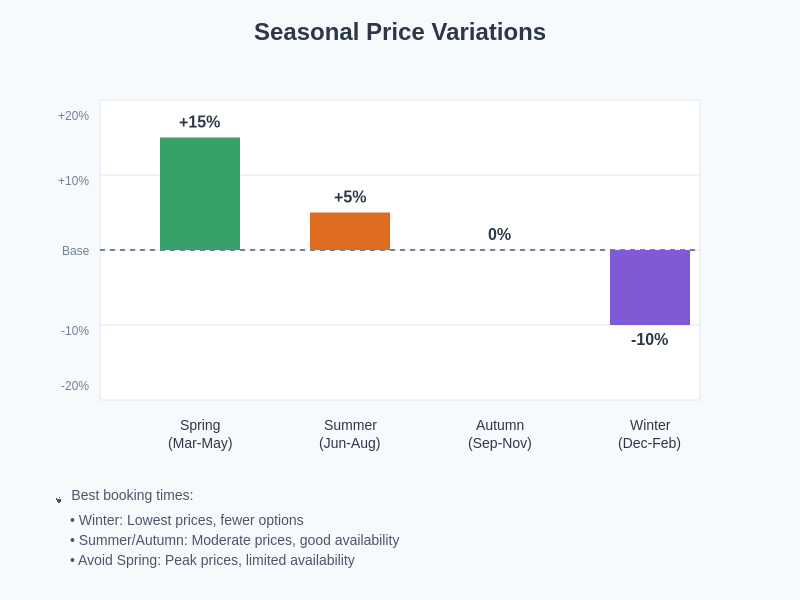
Tokyo’s sharehouse market experiences significant seasonal demand variations that directly impact monthly pricing and availability. Peak seasons coinciding with university terms and corporate hiring cycles can increase rents by 10-20% compared to off-peak periods, particularly affecting properties near educational institutions and business districts.
Spring months (March-May) represent the highest demand period as new students and employees arrive in Tokyo, often resulting in premium pricing and limited availability for desirable properties. Student sharehouses near top Tokyo universities experience particularly pronounced seasonal variations during these periods.
Summer and early autumn typically offer more stable pricing with better negotiation opportunities, as resident turnover decreases and property managers seek to maintain occupancy rates. This period often presents optimal timing for securing favorable rental terms and accessing properties that may be unavailable during peak seasons.
Winter months can offer the best pricing opportunities, with some properties reducing rates by 5-15% to attract residents during traditionally slower periods. However, heating costs may increase substantially during cold months, potentially offsetting rental savings through higher utility bills.
Amenity-Based Pricing Premiums
Modern sharehouses often differentiate their pricing based on amenity packages that can significantly impact monthly costs. Basic properties offering standard furnished rooms and shared kitchens represent the most affordable options, while premium facilities with extensive amenities command substantial price premiums.
Fitness facilities, rooftop terraces, co-working spaces, and entertainment rooms typically add ¥10,000 to ¥20,000 to monthly rents compared to basic properties. These amenities may provide excellent value for residents who would otherwise pay for gym memberships, co-working space access, or entertainment venues.
Luxury sharehouses featuring concierge services, housekeeping, laundry services, and premium appliances can cost ¥30,000 to ¥50,000 more monthly than standard properties. Luxury sharehouses worth the extra cost in Tokyo examines whether these premium services justify their additional expense.
Technology-enhanced properties with smart home features, high-speed internet, streaming service subscriptions, and mobile app integration typically charge moderate premiums of ¥5,000 to ¥15,000 monthly. These features may appeal particularly to digital nomads and remote workers requiring reliable connectivity and modern conveniences.
Initial Costs and Move-in Expenses
Beyond monthly recurring costs, sharehouses require substantial upfront investments that can total three to six months of rent equivalent. Security deposits typically range from one to three months’ rent, with most properties requiring two months as standard practice for international residents.
Key money or “gift money” payments, while less common in sharehouses than traditional apartments, still apply to some premium properties and can range from ¥30,000 to ¥100,000 depending on location and amenities. What security deposits actually cover in sharehouses explains how these payments protect both tenants and property managers.
Initial setup fees covering administrative processing, room preparation, and orientation services typically cost ¥20,000 to ¥50,000. Some properties waive these fees during promotional periods or for long-term lease commitments, making timing an important factor in overall cost optimization.
First month’s rent, often due upon contract signing, must be paid in advance along with the security deposit and any applicable fees. This upfront requirement can total ¥200,000 to ¥400,000 for mid-range properties, requiring careful financial planning and adequate savings preparation.
Comparing Sharehouses to Alternative Housing Options
Sharehouse living typically costs 20-40% less than comparable private apartments in similar Tokyo neighborhoods when accounting for utilities, internet, and furnishing costs. This cost advantage makes sharehouses particularly attractive for international residents seeking affordable accommodation without sacrificing location convenience.
Private studio apartments in central Tokyo typically cost ¥120,000 to ¥200,000 monthly before utilities, internet, and furnishing expenses that can add another ¥30,000 to ¥50,000 monthly. Tokyo vs Osaka sharehouses for international students provides broader cost comparisons across major Japanese cities.
Guest houses and monthly mansion accommodations often cost more than sharehouses while providing less community interaction and cultural immersion opportunities. These alternatives may suit short-term residents but generally offer poor value for stays exceeding three months.
Traditional apartment rentals require substantial additional expenses including furniture purchases, utility setup fees, and appliance rentals that can total ¥200,000 to ¥500,000 in initial costs beyond rent and deposits. Sharehouses eliminate most of these expenses through included furnishing and utility management services.
Regional Cost Variations Within Tokyo
Tokyo’s vast metropolitan area encompasses significant regional cost variations that can impact monthly expenses by ¥20,000 to ¥40,000 depending on your chosen district. Understanding these regional differences enables more strategic location selection based on budget constraints and lifestyle priorities.
Central Tokyo wards including Shibuya, Shinjuku, and Minato consistently command the highest prices due to entertainment access, business district proximity, and international community concentrations. These areas justify premium pricing through unparalleled convenience and cultural opportunities.
Eastern Tokyo districts such as Sumida, Katsushika, and Edogawa offer more affordable options while maintaining good transportation access to central areas. These neighborhoods typically cost 25-35% less than central locations while preserving authentic Japanese residential character.
Western Tokyo areas including Setagaya, Suginami, and Nerima provide excellent value with larger living spaces, quieter environments, and family-friendly atmospheres. Best Tokyo neighborhoods for sharehouse living explores these diverse options in detail.
Northern districts like Kita, Itabashi, and Adachi represent the most budget-conscious choices, often costing 40-50% less than central Tokyo while maintaining reasonable commute times through extensive train networks.
Additional Living Expenses and Hidden Costs
Monthly sharehouse living involves numerous additional expenses beyond rent and utilities that can significantly impact your overall budget. Transportation costs typically range from ¥10,000 to ¥20,000 monthly depending on commute distance and frequency, with longer commutes to central Tokyo requiring higher transportation budgets.
Food expenses vary dramatically based on cooking habits and dietary preferences, with shared kitchen access enabling significant savings through home cooking. Typical monthly food budgets range from ¥25,000 to ¥50,000, with restaurant dining and convenience store purchases substantially increasing these costs.
Personal items and household supplies often cost more than expected due to shared usage and replacement needs. Monthly expenses for toiletries, cleaning supplies, and personal necessities typically total ¥5,000 to ¥10,000, with quality products commanding premium prices in Japan.
Social activities and entertainment expenses can vary widely based on personal preferences and community involvement. Active participation in sharehouse social events, local entertainment, and cultural activities typically requires ¥15,000 to ¥30,000 monthly budgeting for a balanced lifestyle.
Cost Optimization Strategies and Money-Saving Tips
Strategic timing of your sharehouse search can yield substantial savings, with off-peak seasons offering better rates and more negotiation opportunities. How to find perfect sharehouse tokyo provides comprehensive guidance on timing your search for optimal financial outcomes.
Long-term lease commitments often qualify for reduced monthly rates, with some properties offering 5-15% discounts for six-month or annual commitments. These arrangements provide mutual benefits through guaranteed occupancy and reduced rental costs.
Choosing properties slightly further from central Tokyo can provide dramatic cost savings while maintaining reasonable access through efficient train connections. Commute time increases of 15-30 minutes often translate to monthly savings of ¥15,000 to ¥30,000.
Participating in shared expenses and group purchasing can reduce individual costs for household supplies, internet services, and entertainment subscriptions. Making friends through Tokyo sharehouse communities explores how social connections can provide financial benefits.
Understanding Contract Terms and Fee Structures
Careful analysis of contract terms reveals significant variations in fee structures that can impact long-term costs beyond advertised monthly rates. Some properties include comprehensive services in base rent, while others charge separately for each amenity and service component.
Early termination penalties can range from one month’s rent to substantial percentage-based fees that significantly impact the cost of changing accommodations. Living costs in Tokyo sharehouses explained examines these contractual considerations in detail.
Renewal fees and rate increase policies vary substantially between properties, with some maintaining stable pricing for long-term residents while others implement annual increases based on market conditions. Understanding these policies prevents unexpected cost escalations during extended stays.
Damage assessment and cleaning fee policies can affect deposit recovery and move-out costs. How to actually get your deposit back provides strategies for minimizing these potential expenses through proper maintenance and documentation.
The true monthly cost of Tokyo sharehouse living requires comprehensive consideration of base rent, utilities, fees, location premiums, and lifestyle expenses that together determine your actual financial commitment. While advertised rates provide starting points for comparison, successful budget planning must account for the full spectrum of costs that define the complete sharehouse experience in Japan’s dynamic capital city.
Understanding these cost components enables informed decision-making that balances financial constraints with lifestyle goals, ensuring your Tokyo sharehouse experience provides both cultural enrichment and sustainable financial management throughout your residence in this extraordinary international city.
Disclaimer
This article is for informational purposes only and does not constitute financial advice. Sharehouse costs in Tokyo vary significantly based on location, property type, market conditions, and individual circumstances. Prices mentioned are estimates based on current market data and may change. Readers should conduct thorough research and budget planning before making housing commitments. Exchange rates, seasonal demand, and property availability can affect actual costs.