Music represents one of the most intimate expressions of personal identity and cultural background, making it a particularly volatile source of conflict in the confined spaces of Tokyo sharehouses. The convergence of diverse musical tastes from around the world creates a complex soundscape where personal preferences collide with cultural expectations, volume tolerances, and timing sensitivities that can either enrich or devastate the communal living experience. Understanding these dynamics becomes essential for anyone seeking to navigate the delicate balance between self-expression and community harmony in Japan’s vibrant co-living environment.
The phenomenon of musical discord in shared living spaces extends far beyond simple volume complaints, encompassing deep-seated cultural attitudes toward sound, privacy, respect, and communal responsibility that vary dramatically across different backgrounds and generations. Living with Japanese roommates in Tokyo sharehouses often highlights how musical preferences reflect broader cultural values that influence daily interactions and long-term relationship dynamics within these intimate communities.
The Cultural Landscape of Musical Expression
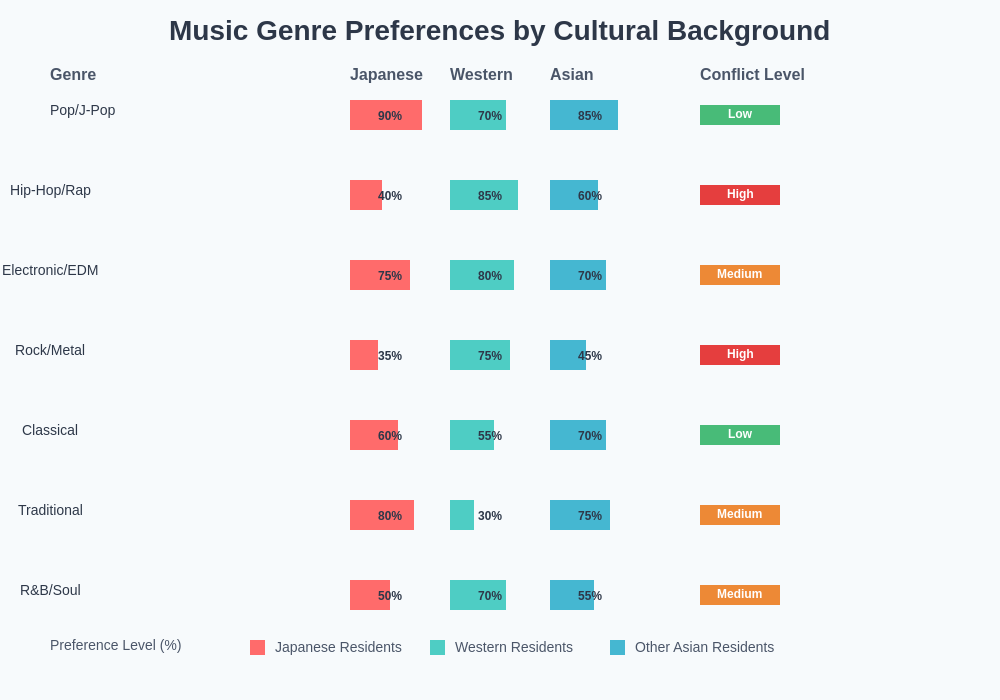
Musical preferences in Tokyo sharehouses reflect a fascinating intersection of global influences, personal histories, and cultural conditioning that creates unique challenges for international communities. Japanese residents often demonstrate preferences for ambient music, electronic genres, and pop music that emphasize harmony and group cohesion, while international residents may favor louder, more aggressive genres that prioritize individual expression and emotional release through sound.
The generational divide adds another layer of complexity, with younger residents gravitating toward contemporary genres like K-pop, hip-hop, and electronic dance music, while older residents may prefer classical music, jazz, or traditional folk music from their home countries. How age differences impact sharehouse compatibility demonstrates how these musical divides often correlate with broader lifestyle incompatibilities that affect daily routines and social dynamics.
Cultural attitudes toward musical volume and timing create additional friction points that reflect deeper values about personal space, collective responsibility, and social consideration. Western residents may view music as a personal right that should accommodate individual preferences, while many Asian cultures emphasize collective harmony and may interpret loud music as disrespectful or inconsiderate behavior that disrupts community peace.
The temporal aspects of musical preference conflicts often intensify during specific periods such as study seasons, work deadlines, or cultural celebrations when residents’ tolerance levels decrease and sensitivity to disruption increases significantly. Understanding these cyclical patterns helps predict and prevent conflicts before they escalate into house-wide tensions that affect multiple relationships simultaneously.
Volume Wars and Acoustic Boundaries
The physics of sound transmission in typical Tokyo sharehouse buildings creates inherent challenges that amplify minor musical disagreements into major conflicts affecting multiple residents simultaneously. Most sharehouses occupy converted residential buildings with minimal soundproofing, meaning that bass frequencies, percussive elements, and high-volume music easily penetrate walls, floors, and ceilings to disturb neighboring rooms and common areas.
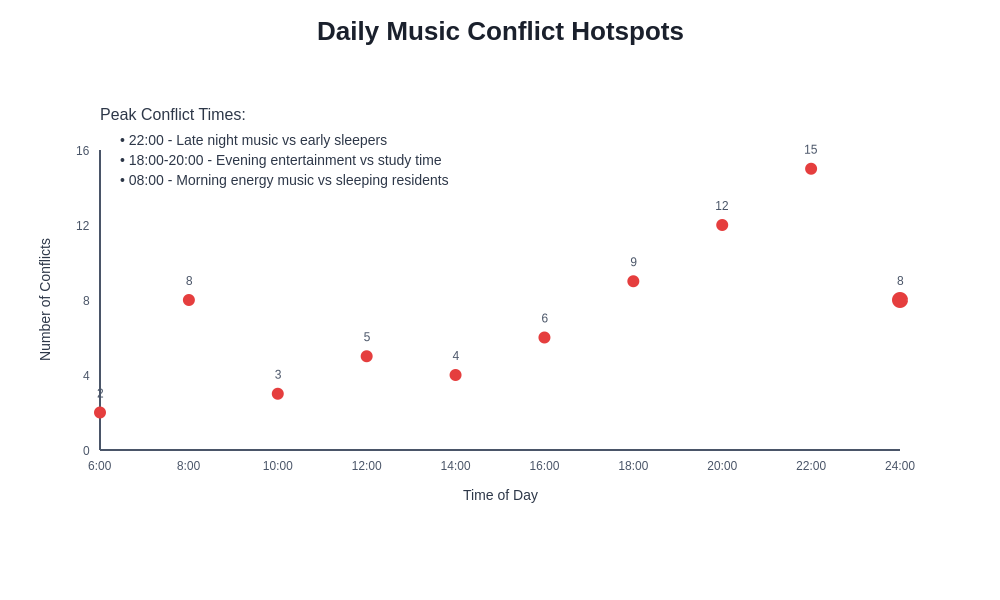
Morning music routines create particularly contentious situations when early-rising residents begin playing energetic music while others attempt to sleep or maintain quiet morning routines. How shift work schedules affect roommate relations illustrates how different work schedules compound musical timing conflicts and create ongoing tension between residents with incompatible daily rhythms.
Evening music sessions often generate the most heated disputes, especially when residents use common areas for listening to music without considering others’ needs for quiet study time, relaxation, or early sleep schedules. The challenge intensifies during weekends when some residents want to celebrate with music while others prefer peaceful environments for rest and recovery.
Bathroom acoustics present unique challenges where music from portable devices or singing voices carry throughout the building, creating unexpected intrusions into private spaces and disrupting others’ quiet time. The confined nature of sharehouse bathrooms amplifies sound and creates unavoidable exposure to others’ musical choices during personal care routines.
Genre Wars and Cultural Identity
The diversity of musical genres represented in international sharehouses creates fascinating cultural exchanges but also generates significant friction when personal tastes clash with others’ comfort zones or cultural sensitivities. Hip-hop music with explicit lyrics may offend residents from conservative backgrounds, while traditional music from specific cultures might seem foreign or disruptive to those unfamiliar with different musical structures and rhythms.
Electronic dance music and its subgenres often create polarizing reactions, with some residents embracing the energy and creativity while others find the repetitive beats and synthesized sounds irritating or headache-inducing. How cultural differences affect friendship building explores how musical preferences reflect deeper cultural values that influence social compatibility and relationship development.
Metal, punk, and alternative rock genres frequently generate strong negative reactions from residents who associate these styles with aggression, rebellion, or antisocial behavior, regardless of the actual lyrical content or artistic merit. These prejudices often reflect cultural conditioning rather than objective musical assessment, creating opportunities for education and cultural exchange when approached constructively.
Classical music and jazz, while generally considered more acceptable, can still create conflicts when played at inappropriate volumes or during times when others need concentration for work or study activities. The assumption that certain genres are universally appropriate often leads to misunderstandings and resentment when personal preferences don’t align with these expectations.
Technology and Musical Boundaries
The proliferation of personal audio devices, streaming services, and portable speakers has transformed how music conflicts manifest in sharehouse environments, creating new categories of disputes around device usage, sharing protocols, and technological etiquette. Bluetooth speakers in common areas often become contentious when residents assume control without consulting others or fail to consider the impact on those trying to focus or relax.
Streaming service sharing arrangements frequently break down when musical preferences diverge significantly, with algorithm recommendations and playlist modifications affecting other users’ experiences. How shared streaming accounts work in practice reveals how technological solutions intended to promote sharing often create new sources of conflict and control disputes.
Headphone usage becomes a delicate balance between personal freedom and social isolation, with some residents using headphones to avoid conflicts while others interpret this behavior as antisocial or exclusionary. The quality and volume leakage from different headphone types can still create disturbances, particularly in quiet environments where even minimal sound intrusion becomes noticeable and irritating.
Smart home integration and voice-activated devices introduce additional complexity when multiple residents attempt to control shared audio systems, leading to confusion, frustration, and competition for audio dominance. The convenience of voice commands often conflicts with the need for consensus and consideration in shared living environments.
Timing Conflicts and Daily Rhythms
The temporal dimension of musical preferences creates complex scheduling challenges that reflect broader lifestyle incompatibilities and cultural differences regarding appropriate timing for various activities. Morning music enthusiasts who use energetic playlists to start their day often conflict with residents who prefer gradual, quiet awakenings or those recovering from late work shifts.
Afternoon music sessions during work-from-home periods create productivity conflicts when residents need quiet environments for professional calls, concentration-intensive tasks, or virtual meetings. How remote work equipment affects space usage demonstrates how professional requirements increasingly influence residential music policies and acceptable noise levels.
Late-night musical activities generate the most serious conflicts, particularly when residents use music for relaxation, exercise, or creative activities during hours when others need sleep or quiet time for rest and recovery. The challenge intensifies during exam periods when students require extended quiet study time that conflicts with others’ normal musical routines.
Cultural celebrations and holidays often involve traditional music that may extend beyond normal timing restrictions, creating tension between cultural expression and community consideration. Balancing respect for cultural practices with the needs of diverse residents requires ongoing negotiation and mutual understanding that doesn’t always develop naturally.
Noise Pollution and Health Impacts
The health implications of unwanted musical exposure in confined living spaces extend beyond simple annoyance to include stress-related symptoms, sleep disruption, and concentration difficulties that affect residents’ overall well-being and quality of life. Chronic exposure to music genres that individuals find particularly irritating can trigger anxiety, headaches, and emotional stress that impacts daily functioning and relationships.
Sleep disruption from musical conflicts creates cascading effects on academic performance, work productivity, and emotional regulation that can transform minor disagreements into serious quality-of-life issues. How sleep quality suffers in shared environments explores how musical disturbances contribute to broader sleep challenges that affect physical and mental health outcomes.
Concentration difficulties during study or work periods can significantly impact academic and professional success, making musical conflicts particularly serious for students and remote workers who depend on their living environment for productive activities. The inability to focus due to unwanted music exposure can create long-term consequences that extend far beyond the immediate residential situation.
Stress accumulation from ongoing musical conflicts often manifests in increased irritability, social withdrawal, and deteriorating relationships that affect the entire house community. The seemingly minor nature of musical disagreements can mask their significant impact on community harmony and individual well-being over extended periods.
Communication Strategies and Conflict Resolution
Effective resolution of musical preference conflicts requires sophisticated communication strategies that acknowledge cultural differences, personal sensitivities, and practical constraints while finding workable solutions that respect everyone’s needs and preferences. Direct confrontation often escalates tensions, while passive-aggressive responses create long-term resentment that undermines community relationships.
Cultural sensitivity training helps residents understand how musical preferences reflect deeper values and identity markers that shouldn’t be dismissed or criticized without careful consideration. How conflict resolution styles differ by culture provides insights into communication approaches that work across different cultural backgrounds and personality types.
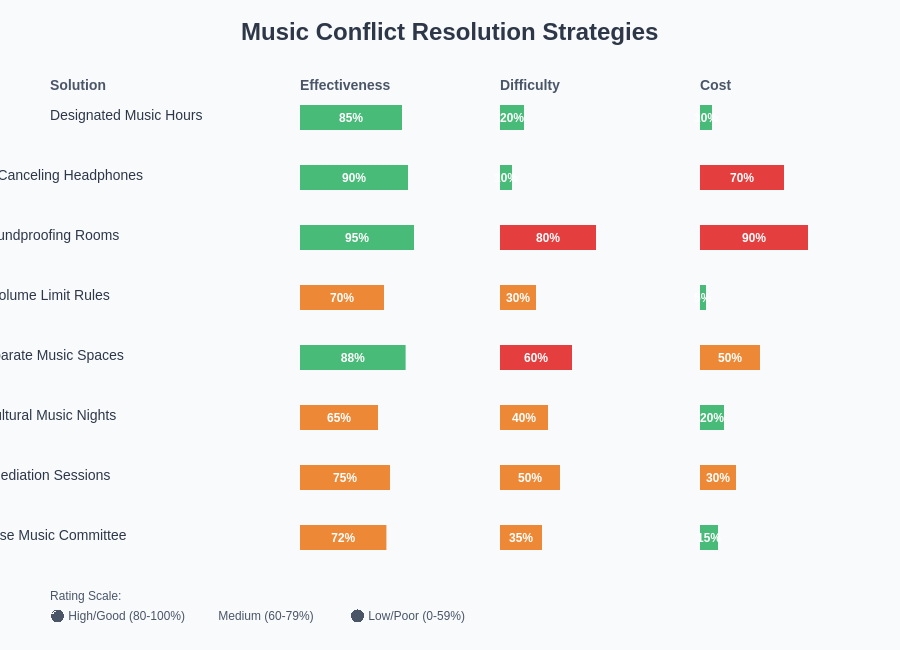
Mediation through house managers or neutral residents can provide objective perspectives and structured problem-solving approaches that help conflicted parties find mutually acceptable solutions. Professional mediation techniques adapted for residential settings often prove more effective than informal discussions that may escalate emotions and entrench positions.
Compromise solutions that alternate preferences, establish time-sharing arrangements, or create designated spaces for different musical activities require ongoing coordination and mutual respect that must be actively maintained. The success of these arrangements depends on clear communication, consistent enforcement, and flexibility when circumstances change.
House Rules and Musical Governance
Establishing comprehensive house rules regarding musical activities requires careful balance between providing clear guidelines and maintaining flexibility for changing circumstances and resident preferences. Overly restrictive rules can stifle cultural expression and personal enjoyment, while insufficient guidance often leads to ongoing conflicts and confusion about acceptable behaviors.
Volume restrictions must consider both decibel levels and frequency ranges, as bass-heavy music can be particularly disruptive even at lower overall volumes. Japanese sharehouse rules every foreigner should know explains how traditional Japanese concepts of consideration and harmony influence musical policies in local sharehouses.
Time-based restrictions need to accommodate different schedules, cultural practices, and seasonal variations while providing predictable quiet periods for rest, study, and relaxation. Flexibility clauses that allow exceptions for special occasions or cultural celebrations help balance rule enforcement with cultural sensitivity and community celebration.
Enforcement mechanisms must be fair, consistent, and escalatable to handle both minor infractions and serious violations without creating punitive environments that discourage musical expression entirely. Progressive consequences that emphasize education and compromise over punishment often prove more effective for maintaining long-term community harmony.
Technology Solutions and Acoustic Management
Modern technology offers numerous solutions for managing musical conflicts in shared spaces, from noise-canceling headphones and acoustic panels to smart home systems that can automate volume control and scheduling. Sound masking systems that provide consistent background noise can help reduce the impact of musical intrusions while maintaining privacy and comfort for all residents.
Acoustic treatment options for common areas and individual rooms can significantly reduce sound transmission while preserving the quality of musical experiences for listeners. How smart home features change daily routines explores how technology integration can support harmonious living through automated solutions and improved acoustic management.
Shared audio systems with individual control capabilities allow multiple residents to enjoy music simultaneously without creating conflicts over genre selection or volume levels. Wireless headphone systems and personal audio devices provide privacy while maintaining social connectivity and reducing interpersonal tensions around musical preferences.
Mobile applications that facilitate schedule coordination, volume monitoring, and preference sharing can help residents communicate about musical activities and find mutually acceptable solutions. Technology-mediated solutions often prove less emotionally charged than direct personal negotiations and provide objective data for resolving disputes.
Cultural Exchange Through Musical Sharing
When managed thoughtfully, musical diversity in sharehouses can create valuable opportunities for cultural exchange, artistic education, and personal growth that enrich residents’ international living experiences. Organized music sharing sessions, cultural music nights, and collaborative listening experiences can transform potential conflicts into community-building activities that strengthen relationships.
Educational approaches that encourage residents to share the cultural significance, historical context, and personal meaning of their musical preferences can foster understanding and appreciation rather than judgment and rejection. Making friends through Tokyo sharehouse communities demonstrates how shared interests, including music, can become foundations for lasting international friendships.
Cross-cultural musical collaboration opportunities, such as jam sessions, cultural performances, and music appreciation discussions, can channel diverse musical interests into positive community activities that benefit everyone. These structured interactions provide safe spaces for musical expression while building cultural competency and mutual respect.
Language learning through music provides additional benefits for international residents who can improve their Japanese skills while sharing their own cultural music traditions. Music-based cultural exchange often proves more accessible and enjoyable than formal cultural education programs while achieving similar goals for community integration and understanding.
Personal Coping Strategies and Adaptation
Individual residents must develop personal strategies for managing musical conflicts and adapting to diverse audio environments that may not always align with their preferences or comfort zones. Noise-canceling technology, white noise machines, and strategic timing of personal activities can help minimize the impact of unwanted musical exposure while maintaining positive relationships with housemates.
Flexibility in personal musical habits and willingness to adjust listening times, volumes, and locations demonstrates respect for community living while preserving opportunities for personal musical enjoyment. How personal space needs vary dramatically explores how musical preferences relate to broader spatial and privacy requirements that influence residential satisfaction.
Emotional regulation techniques help residents manage frustration and irritation when exposed to disliked music while maintaining perspective on the temporary nature of most residential arrangements. Mindfulness practices, stress management techniques, and communication skills training can improve residents’ ability to handle ongoing musical conflicts constructively.
Alternative venues for musical activities, such as local music venues, practice rooms, and outdoor spaces, provide outlets for musical expression that don’t impact house communities. Understanding and utilizing these external resources can reduce pressure on residential spaces while maintaining personal musical fulfillment and creative expression.
Musical preference conflicts in Tokyo sharehouses represent microcosms of broader cultural exchange challenges that require patience, understanding, and creative problem-solving to navigate successfully. The skills developed through managing these conflicts—cultural sensitivity, communication effectiveness, compromise abilities, and conflict resolution techniques—prove valuable throughout international living experiences and cross-cultural relationships. While musical disagreements can create significant stress and tension, they also offer opportunities for personal growth, cultural learning, and community building when approached with openness, respect, and commitment to mutual understanding.
Disclaimer
This article is for informational purposes only and does not constitute professional mediation or legal advice. Musical preference conflicts in sharehouses can vary significantly based on individual circumstances, cultural backgrounds, and specific house policies. Readers should consider their personal situations and local regulations when addressing musical conflicts. The strategies mentioned may not be suitable for all situations, and professional mediation or house management intervention may be necessary for serious ongoing conflicts.