Natural disaster preparedness in Tokyo sharehouses varies dramatically across different building types, construction periods, and management approaches, creating significant disparities in resident safety and emergency response capabilities. The complex geological and meteorological challenges facing Japan demand comprehensive disaster preparedness strategies that extend far beyond basic building codes, requiring residents to understand their specific building’s vulnerabilities and emergency protocols to ensure personal safety during critical events.
The variation in disaster preparedness measures across Tokyo’s diverse architectural landscape reflects decades of evolving building standards, technological advances, and hard-learned lessons from past catastrophic events. Understanding these differences becomes crucial for international residents who may lack familiarity with Japan’s unique disaster risks and the specific safety measures implemented in their particular building type.
Understanding Japan’s Natural Disaster Landscape
Japan’s position on the Pacific Ring of Fire exposes the archipelago to an extraordinary range of natural disasters, including major earthquakes, devastating tsunamis, powerful typhoons, volcanic eruptions, and severe flooding events that can occur with little warning. Tokyo, despite its modern infrastructure and advanced warning systems, remains particularly vulnerable due to its dense population, complex urban structure, and proximity to multiple active fault lines.
The frequency and intensity of natural disasters in Japan have shaped building design philosophy, emergency response protocols, and disaster preparedness culture in ways that may seem overwhelming to newcomers but represent essential survival knowledge for anyone living in the region. Understanding how earthquake drills expose building weaknesses provides insights into how regular emergency exercises reveal critical safety gaps that vary significantly between different building types.
Modern Tokyo experiences measurable seismic activity almost daily, with major earthquake predictions indicating high probability of significant seismic events within coming decades. Typhoon seasons bring powerful storms that can cause widespread flooding, infrastructure damage, and extended power outages that test every building’s emergency preparedness systems and resident survival capabilities.
The interconnected nature of Tokyo’s infrastructure means that natural disasters often trigger cascading failures across transportation, utilities, communications, and supply chains, making building-level preparedness even more critical when external support systems become unavailable for extended periods.
Building Age and Construction Standards Evolution
The evolution of Japan’s building standards following major disasters creates distinct categories of structural safety and preparedness capabilities that directly correlate with construction periods. Buildings constructed before the 1981 revision of seismic building codes lack modern earthquake resistance features, while structures built after major disasters like the 1995 Kobe earthquake and 2011 Tohoku earthquake incorporate increasingly sophisticated safety systems.
Pre-1981 buildings often feature construction methods and materials that performed poorly during historical earthquake events, leading to higher collapse risks, inadequate emergency exit systems, and limited disaster supply storage capabilities. Why earthquake preparedness varies by Tokyo area explores how geographical location compounds these construction-related vulnerabilities.
Post-2011 construction standards incorporate advanced base isolation systems, reinforced structural elements, improved fire suppression systems, and enhanced emergency power capabilities that significantly improve survival prospects during major disasters. However, the majority of Tokyo’s existing building stock predates these modern standards, creating a complex patchwork of safety capabilities across the city’s sharehouse market.
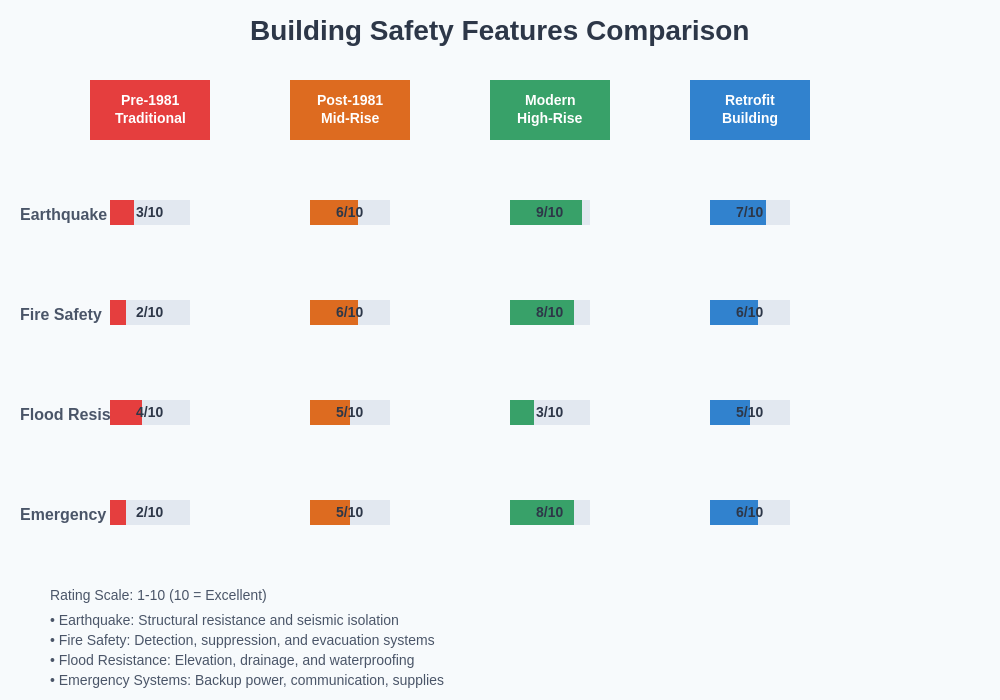
Retrofit programs and voluntary upgrades have improved some older buildings, but the extent and quality of these modifications vary dramatically depending on property ownership, management priorities, and available financial resources. Understanding your building’s construction period and any subsequent safety upgrades becomes essential for realistic emergency planning.
High-Rise versus Low-Rise Building Considerations
High-rise sharehouses present unique disaster preparedness challenges and advantages that differ fundamentally from low-rise alternatives, requiring residents to understand building-specific evacuation procedures, emergency supply logistics, and communication protocols that may not be intuitive to residents unfamiliar with vertical emergency management.
Modern high-rise buildings typically incorporate sophisticated emergency systems including pressurized stairwells, emergency generators, water storage tanks, and communication systems designed to maintain basic functionality during disasters. However, these systems require regular maintenance and may fail during extended emergencies, leaving residents potentially trapped on upper floors with limited escape options.
Low-rise buildings offer more straightforward evacuation routes and easier access for emergency responders, but may lack advanced safety systems and emergency supplies that larger buildings can justify economically. How emergency evacuation plans are often unclear highlights communication challenges that affect buildings of all sizes but manifest differently based on structural complexity.
Elevator systems in high-rise buildings become unusable during earthquakes and may remain non-functional for extended periods during power outages, making stair access and physical fitness considerations crucial for upper-floor residents. Water pressure, sewage systems, and waste management also face different challenges based on building height and infrastructure complexity.
Traditional versus Modern Building Design Impact
The fundamental design philosophies underlying traditional Japanese architecture versus modern international construction styles create dramatically different disaster response characteristics that affect everything from structural integrity to emergency supply storage and resident communication during crisis events.
Traditional wooden construction methods, while flexible during seismic events, present significant fire risks that can spread rapidly between units and buildings, particularly during earthquakes when gas lines may rupture and electrical systems become compromised. Many older sharehouses occupy converted traditional buildings that retain these architectural characteristics while attempting to meet modern safety requirements.
Modern concrete and steel construction offers superior fire resistance and structural stability during earthquakes, but may incorporate design elements that complicate emergency evacuation or reduce natural ventilation during power outages. How building real friendships takes longer than expected touches on social aspects that become critical during extended emergency situations when residents must rely on each other.
Climate control systems in modern buildings often depend heavily on electrical power and may become non-functional during disasters, while traditional buildings typically incorporate passive ventilation and heating methods that remain effective without external power sources. Understanding your building’s dependency on electrical systems helps inform emergency preparation strategies.
Emergency Supply Storage and Access Variations
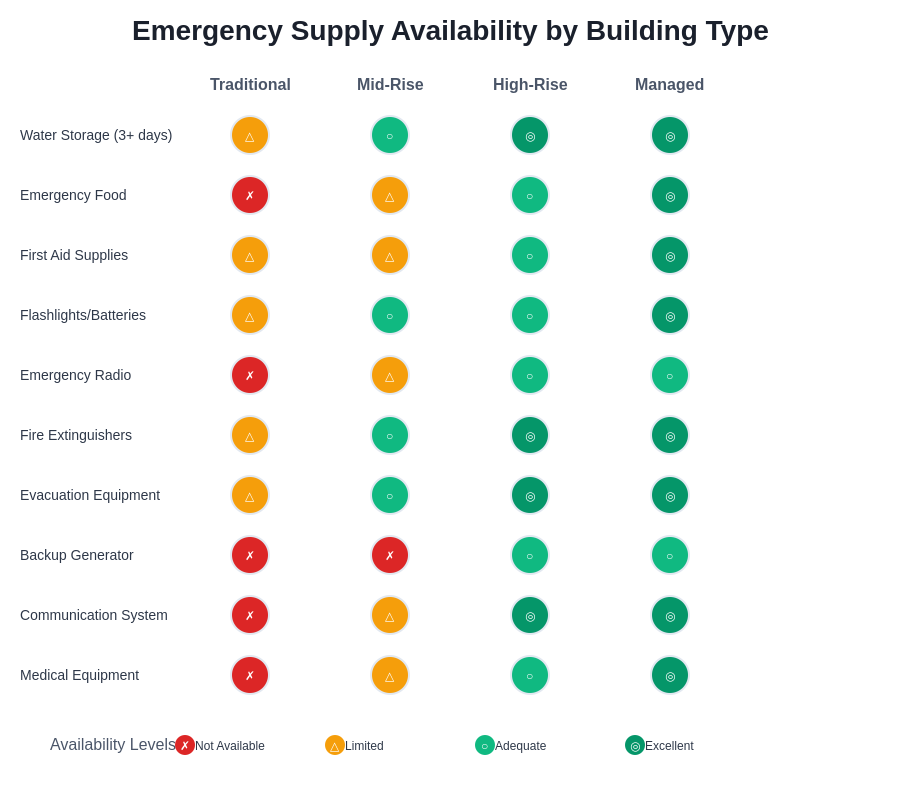
The availability and accessibility of emergency supplies during disasters varies dramatically across different building types, with some sharehouses maintaining comprehensive disaster preparedness inventories while others provide minimal or no emergency resources for residents during crisis events.
Larger, professionally managed sharehouses often maintain centralized emergency supply storage including water, non-perishable food, first aid supplies, flashlights, radios, and basic tools that residents can access during emergencies. However, the adequacy of these supplies depends on resident capacity, supply rotation schedules, and management commitment to disaster preparedness maintenance.
Smaller, independently operated sharehouses may lack centralized emergency supplies entirely, placing responsibility on individual residents to maintain personal disaster kits while having limited storage space for emergency materials. How limited storage forces you to live minimally explores storage constraints that directly impact emergency preparedness capabilities.
The location and accessibility of emergency supplies during actual disaster conditions often differ significantly from normal access patterns, as structural damage, debris, power outages, and panic can prevent residents from reaching supplies even when they exist. Understanding alternative access routes and emergency supply distribution protocols becomes essential for effective disaster response.
Communication Systems and Emergency Protocols
Emergency communication capabilities during disasters reveal stark differences between building types and management approaches, with some sharehouses maintaining sophisticated early warning and resident coordination systems while others rely entirely on external infrastructure that may fail during crisis events.
Modern buildings often incorporate intercom systems, emergency lighting, and backup power supplies that enable internal communication and coordination during disasters when external cell phone networks become overloaded or damaged. However, these systems require regular testing and maintenance that may be neglected, leading to system failures when most needed.
Traditional buildings and smaller sharehouses typically lack internal communication systems, forcing residents to rely on personal devices and external networks that may become unavailable during major disasters. How emergency communication plans often fail examines common failure points in emergency communication strategies across different building types.
House managers and building operators vary significantly in their emergency response training, resident communication protocols, and coordination with local emergency services, creating inconsistent support levels for residents during actual disaster events. Some sharehouses conduct regular emergency drills and maintain updated resident contact information, while others provide minimal emergency guidance or coordination.
Utility Infrastructure and Backup Systems
The resilience of utility systems during natural disasters varies dramatically between building types, with newer constructions incorporating backup systems and emergency alternatives while older buildings may lose all utility services simultaneously during major events.
Water supply systems face different vulnerabilities based on building height, plumbing infrastructure age, and storage capacity, with high-rise buildings particularly susceptible to pump failures and pressure loss during power outages. How water quality varies by building age provides insights into infrastructure variations that affect disaster preparedness.
Electrical systems in modern buildings may include emergency generators, battery backup systems, and surge protection that maintain critical functions during power outages, while older buildings typically lose all electrical power immediately when external supply is interrupted. Gas systems present fire and explosion risks during earthquakes, with newer buildings incorporating automatic shutoff systems that older construction may lack.
Sewage and waste management systems can become non-functional during disasters, creating serious health and sanitation challenges that vary based on building design and backup systems availability. Understanding your building’s utility vulnerabilities and backup capabilities helps inform personal preparedness strategies and emergency planning.
Geographic Location and Micro-Risk Factors
The specific location of sharehouse buildings within Tokyo’s diverse geography creates additional layers of disaster risk that compound building-specific preparedness factors, including proximity to rivers, elevation above sea level, soil composition, and distance from fault lines that affect earthquake intensity and flooding risks.
Buildings located in low-lying areas face increased flooding risks during typhoons and heavy rainfall events, while elevated locations may experience stronger wind forces and different earthquake motion characteristics. How flood risk affects insurance and safety explores how geographic factors influence both building safety measures and insurance requirements.
Soil composition beneath buildings significantly affects earthquake motion amplification, with some areas experiencing much stronger shaking than others during the same seismic event. Buildings constructed on reclaimed land or soft soils face higher risks of structural damage and require enhanced preparedness measures that property managers may or may not have implemented.
Proximity to rivers, industrial facilities, and transportation infrastructure creates additional risks during disasters, including chemical spills, transportation accidents, and infrastructure collapse that can affect building safety beyond the structure’s inherent disaster preparedness capabilities.
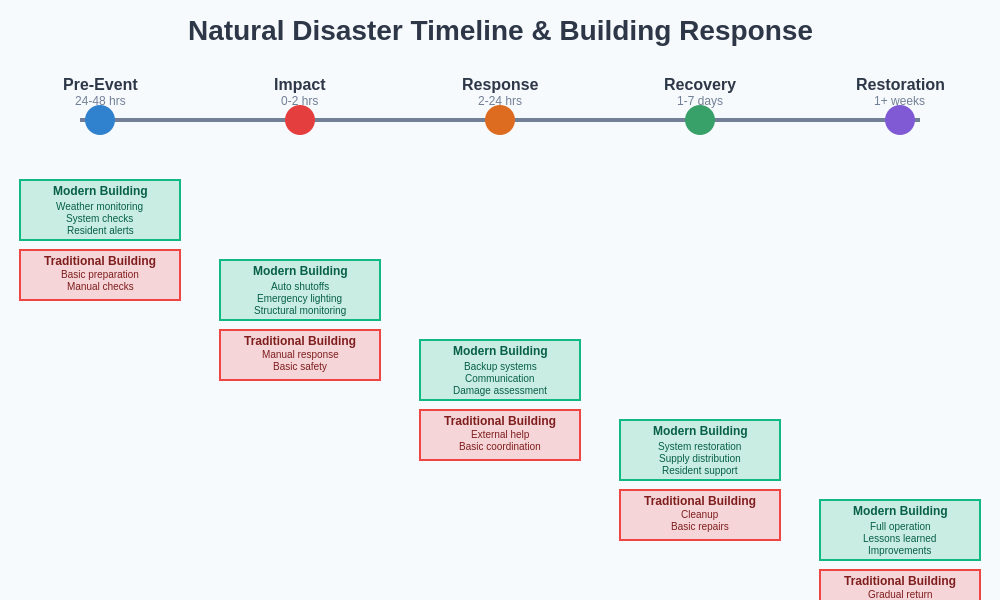
The timeline of disaster response reveals how different building types perform across various phases of natural disasters, from initial warning periods through long-term recovery phases. Modern buildings typically maintain functionality longer and recover more quickly than traditional structures.
Management Quality and Preparedness Investment
The commitment and expertise of building management teams create perhaps the most significant variations in actual disaster preparedness effectiveness, with some operators maintaining comprehensive emergency protocols while others provide minimal safety oversight despite occupying similar building types.
Professional property management companies often implement standardized disaster preparedness protocols, regular emergency equipment inspections, resident training programs, and coordination with local emergency services that significantly enhance building safety capabilities. How to spot financial red flags in sharehouse contracts includes management quality indicators that correlate with safety preparedness investment.
Independent operators and smaller management companies may lack the resources, expertise, or commitment necessary for comprehensive disaster preparedness, creating significant safety gaps even in buildings with good structural characteristics. The quality of management response during actual emergencies often differs dramatically from written policies or initial presentations to residents.
Regular maintenance of emergency systems, supply rotation, resident education, and coordination with local authorities requires ongoing investment and expertise that varies widely across Tokyo’s sharehouse market. Understanding management capabilities and commitment to safety becomes essential for residents seeking adequate disaster preparedness.
Resident Density and Evacuation Logistics
The number of residents relative to building capacity and emergency exit systems creates critical factors in disaster survivability that often receive insufficient attention during normal occupancy but become life-or-death considerations during actual emergency evacuations.
Overcrowded sharehouses may exceed the design capacity of emergency exit systems, creating dangerous bottlenecks during evacuations when seconds can determine survival outcomes. How morning bathroom queues are inevitable in sharehouses illustrates capacity issues that become magnified during emergency situations when stress and panic compound logistical challenges.
The physical capabilities and emergency preparedness knowledge of resident populations affect evacuation success rates, with some sharehouses housing residents with mobility limitations, language barriers, or unfamiliarity with emergency procedures that require additional support and coordination during disasters.
Storage of personal emergency supplies becomes more challenging in high-density sharehouses where individual storage space is limited, forcing residents to balance preparedness needs with space constraints while potentially relying more heavily on building-provided emergency resources.
Legal Requirements versus Actual Implementation
Japanese building codes and safety regulations establish minimum disaster preparedness requirements, but the actual implementation and maintenance of these systems varies significantly between buildings, with some exceeding requirements while others barely meet minimum standards or ignore compliance entirely.
Regular inspections and maintenance requirements for emergency systems often face inconsistent enforcement, particularly in smaller buildings or those managed by operators with limited safety expertise. Understanding the gap between legal requirements and actual safety conditions becomes crucial for resident safety assessment.
Why some buildings lack proper ventilation examines compliance gaps that affect daily comfort but become critical during disasters when proper ventilation can prevent carbon monoxide poisoning or smoke inhalation during fires or building damage.
Insurance requirements and liability considerations create financial incentives for building operators to maintain certain safety standards, but these incentives may not align with optimal resident safety during all types of disaster scenarios.
Personal Preparedness Strategy Development
Understanding your specific building’s disaster preparedness capabilities and limitations enables development of personalized emergency strategies that complement building systems while addressing gaps in official preparedness measures.
Individual emergency supply planning must account for building storage limitations, likely duration of external supply disruptions, and the probability that building-provided supplies may be inadequate or inaccessible during actual disasters. How to budget realistically for sharehouse living should include emergency preparedness costs that many residents overlook.
Communication plans with family, friends, and emergency contacts require backup methods that function when primary systems fail, including understanding how your specific building’s location and infrastructure limitations may affect external communication during extended emergencies.
Physical fitness and emergency skill development become more critical in buildings with limited emergency systems or challenging evacuation requirements, while buildings with comprehensive safety systems may reduce individual preparedness requirements but still benefit from resident knowledge and capability.
The reality of natural disaster preparedness in Tokyo sharehouses demands that residents move beyond general awareness to develop specific understanding of their building’s unique safety characteristics, management capabilities, and emergency limitations. This knowledge, combined with appropriate personal preparedness measures, creates the foundation for surviving the natural disasters that inevitably affect Japan’s capital city.
Disclaimer
This article is for informational purposes only and does not constitute professional safety or emergency preparedness advice. Natural disaster preparedness requirements and building safety standards may change, and specific building conditions can vary significantly from general descriptions. Residents should consult with building management, local emergency services, and qualified safety professionals when developing emergency preparedness plans. The effectiveness of disaster preparedness measures depends on numerous factors including proper maintenance, resident training, and actual disaster conditions that may differ from planning assumptions.