New Year celebrations in Tokyo sharehouses create a perfect storm of cultural expectations, festive enthusiasm, and practical living constraints that frequently result in significant noise conflicts among international residents. The convergence of different cultural celebration traditions, varying work schedules, and the inherent challenges of shared living spaces during one of Japan’s most important holiday periods generates complex social dynamics that test even the most harmonious sharehouse communities.
The intensity of New Year noise conflicts in sharehouses stems from the collision between Japan’s traditional reverent approach to the holiday season and international residents’ diverse celebration customs, creating situations where well-intentioned festivities become sources of community tension and lasting interpersonal difficulties that can persist long after the celebrations end.
Understanding New Year Celebration Dynamics in Sharehouses
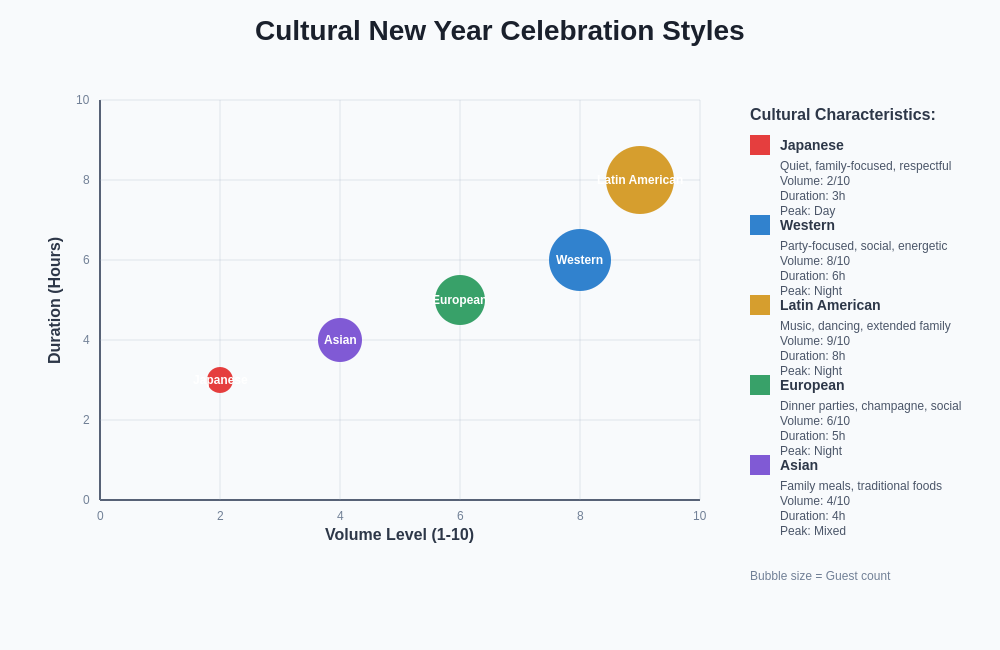
New Year celebrations in Tokyo sharehouses present unique challenges that extend beyond typical noise complaints, encompassing cultural misunderstandings, scheduling conflicts, and competing expectations about appropriate celebration levels during Japan’s most significant holiday period. The traditional Japanese approach to New Year emphasizes family gatherings, quiet reflection, and respectful observance, which often conflicts with international celebration styles that prioritize parties, loud gatherings, and extended festivities.
International residents frequently arrive in sharehouses with celebration expectations shaped by their home countries, where New Year’s Eve parties involving music, drinking, and boisterous social activities represent normal and expected behavior. Understanding Japanese sharehouse rules every foreigner should know becomes crucial for navigating these cultural differences and avoiding unintentional conflicts with both housemates and neighbors.
The compressed timeline of New Year celebrations intensifies conflicts, as multiple days of holiday activities create sustained periods of potential noise issues rather than single evening disruptions. Japanese Golden Week and New Year periods involve specific cultural practices that affect noise tolerance, community expectations, and appropriate behavior standards that many international residents struggle to understand or accommodate.
Cultural Clash and Expectation Management
The fundamental disconnect between Japanese and international New Year celebration approaches creates fertile ground for misunderstandings that escalate into serious community conflicts affecting long-term relationships and housing satisfaction. Japanese cultural emphasis on wa (harmony) and consideration for others directly opposes celebration styles that prioritize personal expression and festive enthusiasm without regard for community impact.
International residents often interpret Japanese residents’ requests for quieter celebrations as cultural discrimination or unfriendly behavior, while Japanese housemates view loud celebrations as disrespectful and inconsiderate of shared living spaces and neighborhood harmony. Living with Japanese roommates in Tokyo sharehouses provides insights into navigating these cross-cultural dynamics effectively.
Different cultural concepts of appropriate celebration timing create additional conflicts, as some cultures celebrate extensively on New Year’s Eve while others focus on New Year’s Day activities, resulting in extended periods of potential noise issues that affect multiple resident groups with varying tolerance levels and work schedule requirements.
The generational divide among international residents further complicates celebration dynamics, as younger residents typically favor louder, more social celebrations while older residents prefer quieter observances, creating internal conflicts within the international community that Japanese residents often find particularly difficult to understand or mediate.
Common Noise Conflict Scenarios and Triggers
Late-night music and television volumes during New Year’s Eve celebrations represent the most frequent sources of sharehouse conflicts, as international residents gather in common areas for countdown celebrations while others attempt to sleep or maintain normal schedules for work or travel obligations the following day.
Kitchen celebrations involving cooking traditional holiday foods from various cultures create sustained noise issues through extended preparation times, multiple cooking sessions, and cleanup activities that can continue for hours beyond typical quiet time boundaries established by house rules and community agreements.
International phone calls and video chats with family and friends in different time zones generate unexpected noise during typically quiet periods, as residents connect with loved ones celebrating New Year at different times due to global time zone variations that create communication needs during Japanese sleeping hours.
Guest policies during New Year periods become particularly problematic as residents invite friends for celebrations, increasing noise levels through larger groups, unfamiliar visitors who don’t understand house rules, and extended social activities that exceed normal guest visit guidelines and community capacity.
Alcohol consumption during celebrations frequently amplifies noise issues as inhibitions decrease and volume levels increase, leading to louder conversations, music, and social activities that continue later into the night than residents would typically maintain during regular social gatherings.
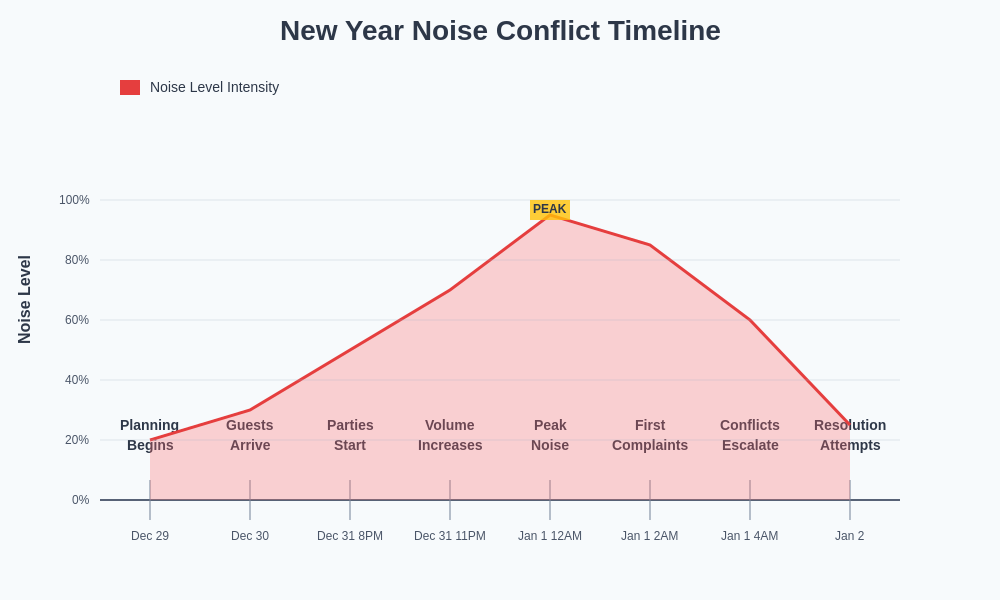
This timeline demonstrates how noise conflicts typically escalate during New Year celebrations, starting with initial planning and building to peak conflicts in the early morning hours after midnight celebrations.
Impact on Different Resident Demographics
Working professionals who maintain regular schedules during holiday periods face particular challenges from New Year noise conflicts, as their need for sleep and routine maintenance conflicts with celebration activities that can significantly impact work performance and professional obligations during critical year-end and new-year business periods.
Students experience varying impacts depending on their academic schedules, with some facing exam periods that coincide with New Year celebrations while others enjoy holiday breaks that allow greater participation in festivities, creating divided interests within the student demographic that complicate community decision-making processes.
Student sharehouses near top Tokyo universities often experience more intense conflicts due to concentrated demographics with similar celebration preferences that can overwhelm residents seeking quieter holiday experiences.
Long-term residents who have established relationships and community standing often find themselves mediating between newer residents who want to celebrate and established community norms that prioritize consideration for all residents, creating additional stress and responsibility burden during what should be relaxing holiday periods.
Parents with children face unique challenges as they balance family celebration needs with community respect, often struggling to explain cultural differences to children while managing their own desire to maintain familiar holiday traditions in a shared living environment with varying tolerance levels.
House Rules and Policy Enforcement Challenges
Existing noise policies in most sharehouses fail to address the specific challenges of holiday celebrations, creating ambiguous situations where residents struggle to understand what behavior is acceptable and management faces difficulties in fair and consistent enforcement of community standards during culturally significant periods.
Quiet hours enforcement becomes particularly challenging during New Year celebrations as cultural significance arguments conflict with established community rules, leading to heated debates about cultural sensitivity versus community consideration that can damage long-term relationships and house harmony.
How to handle roommate conflicts without moving out becomes essential knowledge for residents navigating these policy enforcement situations effectively.
Management companies often lack clear guidelines for handling holiday-specific noise issues, resulting in inconsistent responses that can appear discriminatory or unfair to different cultural groups, creating additional tensions beyond the original noise complaints that affect overall community satisfaction and retention.
The temporary nature of holiday celebrations makes policy enforcement complex, as management must balance community harmony with recognition that celebration periods are limited and culturally important, requiring nuanced approaches that consider both immediate impact and long-term community relationships.
Communication Breakdown and Resolution Obstacles
Language barriers significantly complicate noise conflict resolution during New Year celebrations, as emotional discussions about cultural traditions and community respect require nuanced communication skills that many international residents lack, leading to misunderstandings that escalate minor issues into major community problems.
Cultural communication styles affect conflict resolution approaches, as direct confrontation preferred by some cultures conflicts with indirect communication styles favored by others, particularly Japanese residents who may avoid direct conflict while harboring growing resentment about noise issues.
Timing of conflict discussions becomes problematic as celebrations are occurring, making real-time resolution difficult when residents are engaged in festivities, under the influence of alcohol, or emotionally invested in maintaining their celebration plans despite neighbor complaints.
The involvement of multiple stakeholders including housemates, neighbors, management, and sometimes local authorities creates complex communication chains that can delay resolution and amplify misunderstandings, particularly when cultural context and language barriers affect information transmission.
Emotional investment in cultural traditions makes residents less willing to compromise during conflicts, as New Year celebrations often carry deep personal and cultural significance that makes residents feel that requests for quieter celebrations represent attacks on their cultural identity and freedom of expression.
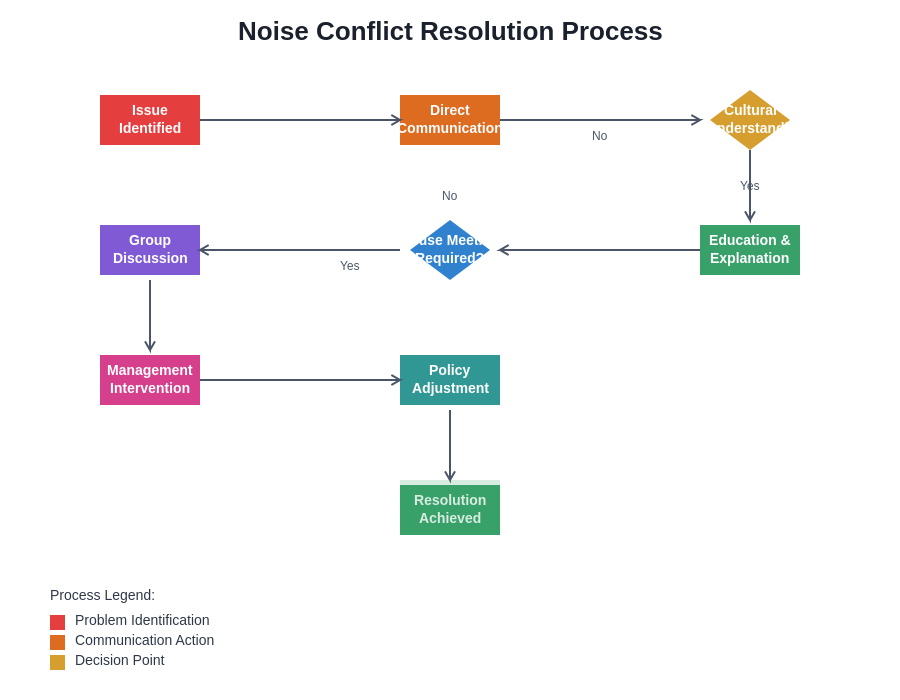
Following a structured approach to conflict resolution helps ensure that cultural sensitivities are respected while addressing legitimate noise concerns through systematic communication and mediation processes.
Practical Solutions and Mitigation Strategies
Proactive communication before New Year periods allows residents to discuss celebration plans, establish temporary agreements, and identify potential conflicts before they occur, creating opportunities for collaborative solutions that respect both celebration desires and community harmony needs.
Designated celebration spaces within sharehouses can help contain noise to specific areas while providing appropriate venues for festivities, though space limitations and soundproofing challenges in most sharehouses make this solution difficult to implement effectively without significant investment and planning.
Time-limited celebration agreements that establish specific hours for louder activities balanced with guaranteed quiet periods can provide structure that allows both celebration and rest, though enforcement and cultural differences in time perception can make these agreements challenging to maintain consistently.
Alternative venue arrangements where residents organize celebrations outside the sharehouse reduce direct noise impact while maintaining social connections, though cost considerations and access to suitable venues during popular New Year periods can make this solution impractical for many residents.
Making friends through Tokyo sharehouse communities often provides natural solutions as stronger relationships create greater willingness to compromise and accommodate different celebration preferences.
Prevention Through Community Building
Regular community meetings that address celebration expectations and cultural differences before conflict periods allow residents to understand different perspectives and develop inclusive approaches that accommodate various cultural needs while maintaining community harmony and shared living standards.
Cultural exchange programs within sharehouses that educate residents about different New Year traditions can build understanding and appreciation that reduces conflicts while creating opportunities for inclusive celebrations that incorporate multiple cultural elements in respectful and manageable ways.
Mentorship programs that pair experienced residents with newcomers provide guidance about appropriate celebration levels and community expectations, helping prevent conflicts through education rather than reactive enforcement of rules after problems have already developed.
The establishment of rotating celebration hosting responsibilities can distribute the impact of different cultural celebrations throughout the year while building community investment in successful event management that considers all residents’ needs and preferences.
Integration activities that build relationships before holiday periods create stronger foundations for conflict resolution when issues do arise, as residents with established friendships and mutual respect are more willing to compromise and find mutually acceptable solutions.
Long-term Community Impact and Recovery
Unresolved New Year noise conflicts often create lasting divisions within sharehouse communities that affect daily interactions, future celebration planning, and overall living satisfaction for extended periods beyond the actual holiday season, making prevention and effective resolution crucial for long-term community health.
Reputation effects from noise conflicts can influence future resident recruitment and retention, as negative experiences during celebrations create word-of-mouth impacts that affect the sharehouse’s ability to attract and maintain diverse, harmonious communities with balanced cultural representation.
Trust rebuilding after serious noise conflicts requires sustained effort and often professional mediation to address underlying cultural misunderstandings and communication problems that extend beyond the specific holiday disputes to fundamental issues of community respect and consideration.
Real stories from Tokyo sharehouse residents frequently include examples of both successful conflict resolution and community breakdown following holiday disputes, highlighting the importance of proactive management and cultural sensitivity.
The learning opportunities presented by New Year noise conflicts can strengthen communities when handled effectively, creating precedents for managing future cultural differences and establishing more inclusive, understanding community cultures that benefit all residents throughout the year.
Management and Policy Recommendations
Comprehensive holiday policies that address specific celebration challenges while respecting cultural diversity require careful development with input from residents representing different cultural backgrounds and living situation needs, ensuring policies are practical, fair, and culturally sensitive.
Staff training for sharehouse management should include cultural competency components that help staff understand different celebration traditions and mediate conflicts effectively without appearing discriminatory or insensitive to legitimate cultural expression needs.
Clear communication protocols for reporting and addressing noise issues during holiday periods should balance immediate response needs with recognition that holiday conflicts often require more nuanced approaches than standard noise complaints, involving cultural education and compromise facilitation.
Regular policy review and updating based on resident feedback and conflict outcomes helps ensure that celebration guidelines remain relevant and effective as sharehouse demographics and cultural representation evolve over time.
Emergency mediation resources including cultural interpreters and community relations specialists can provide valuable support during serious conflicts that exceed normal management capabilities and require specialized intervention to prevent community breakdown.
The successful management of New Year celebration noise conflicts in Tokyo sharehouses requires understanding that these situations represent complex intersections of cultural identity, community responsibility, and practical living constraints that demand thoughtful, proactive approaches rather than simple rule enforcement. Through improved communication, cultural education, and collaborative problem-solving, sharehouse communities can transform potential conflict periods into opportunities for building stronger, more inclusive communities that celebrate diversity while maintaining the harmony essential for successful shared living experiences.
Disclaimer
This article is for informational purposes only and does not constitute professional advice regarding community mediation or cultural relations. Sharehouse policies and cultural practices may vary significantly between different properties and management companies. Readers should consult with their specific sharehouse management and consider professional mediation services when dealing with serious community conflicts. The effectiveness of suggested solutions may vary depending on specific community dynamics, cultural composition, and individual circumstances.