The relationship between noise pollution and sleep quality represents one of the most significant challenges facing residents in Tokyo’s densely populated sharehouse environments. The constant bombardment of urban sounds, combined with the inherent noise levels generated by multiple residents sharing common spaces, creates a complex acoustic landscape that can severely compromise the restorative sleep essential for physical health, mental well-being, and daily performance.
In Tokyo’s sharehouses, the challenge of achieving quality sleep extends beyond the typical urban noise concerns to include the intricate dynamics of shared living spaces where individual sleep schedules, lifestyle habits, and cultural backgrounds intersect in ways that can either support or undermine the sleep quality of all residents. Understanding these complex interactions and developing effective mitigation strategies becomes crucial for maintaining both personal health and harmonious community relationships.
The Science of Noise and Sleep Disruption
Sleep architecture consists of multiple stages including light sleep, deep sleep, and REM sleep, each serving critical functions in physical recovery, memory consolidation, and emotional regulation. Noise pollution disrupts these natural sleep cycles by triggering the brain’s alertness mechanisms, preventing the smooth transition between sleep stages and reducing the overall quality and effectiveness of rest periods.
The human auditory system remains active even during sleep, continuously monitoring the environment for potential threats or significant changes in acoustic conditions. This evolutionary adaptation, while protective in natural environments, becomes problematic in modern urban settings where constant noise exposure can lead to chronic sleep fragmentation, reduced sleep efficiency, and long-term health consequences that extend far beyond simple fatigue.
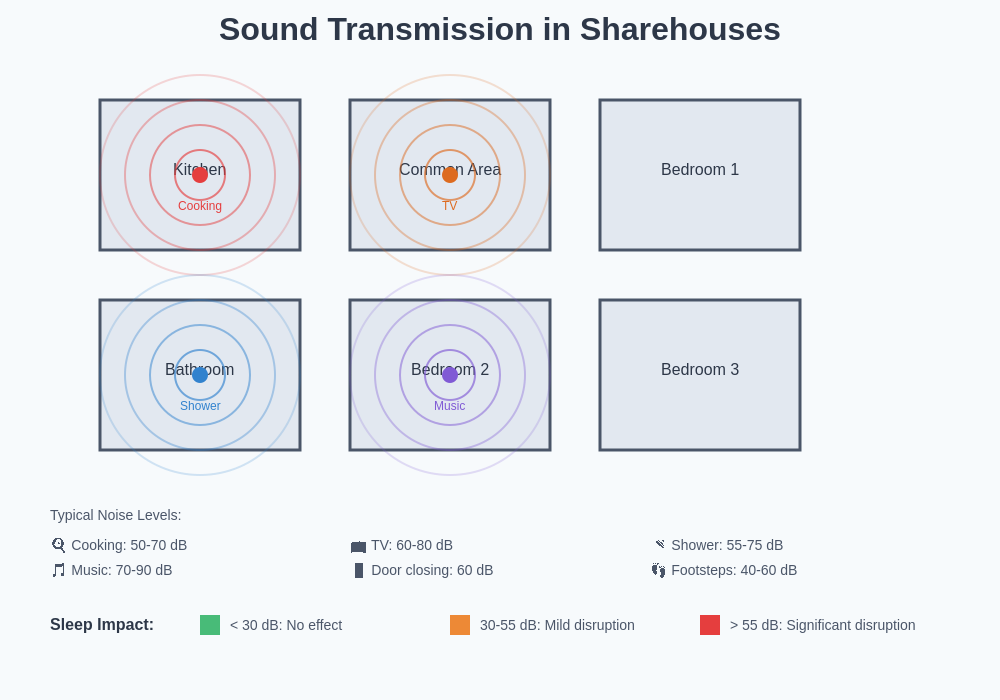
Research demonstrates that noise levels as low as 30 decibels can begin to affect sleep quality, while sounds exceeding 55 decibels during nighttime hours can cause significant sleep disruption and health impacts. Understanding how sleep quality suffers in shared environments provides additional context for the specific challenges faced by sharehouse residents dealing with multiple noise sources throughout the night.
Tokyo’s Urban Noise Landscape
Tokyo’s position as one of the world’s most densely populated metropolitan areas creates a unique acoustic environment characterized by constant traffic flow, construction activities, emergency vehicle sirens, and the general hum of urban life that persists throughout day and night cycles. The city’s 24-hour culture means that noise levels rarely decrease to the optimal ranges recommended for quality sleep, creating ongoing challenges for all residents but particularly those in shared housing situations.
The concentration of sharehouses in areas with excellent transportation access often places residents in proximity to major roadways, railway lines, and commercial districts where noise levels remain elevated well into traditional sleeping hours. Best Tokyo neighborhoods for sharehouse living explores how location selection can impact exposure to various urban noise sources and overall sleep quality.
Construction activities, which seem perpetual in Tokyo’s rapidly evolving urban landscape, contribute significant noise pollution during both daytime and evening hours, with some projects receiving permits for extended working hours that can interfere with residents’ sleep schedules. The proximity of residential sharehouses to commercial and industrial areas means that noise from deliveries, waste collection, and business operations can begin as early as 4 AM, disrupting the final and often most restorative stages of the sleep cycle.
Sharehouse-Specific Noise Challenges
The internal acoustic environment of sharehouses presents unique challenges that differ significantly from both individual apartments and traditional shared accommodations. Multiple residents with varying schedules, cultural backgrounds, and lifestyle preferences create complex patterns of noise generation that can extend throughout the entire 24-hour cycle, making it difficult for any individual to predict or control their acoustic environment.
Kitchen activities represent one of the most common sources of sharehouse noise pollution, with residents preparing meals, washing dishes, and using appliances at various hours depending on work schedules, cultural dining customs, and personal preferences. How kitchen politics actually work in Japanese sharehouses discusses how these activities can be managed to minimize impact on sleeping residents.
Bathroom usage patterns in sharehouses often create noise pollution during traditionally quiet hours, particularly in buildings with older plumbing systems where water flow, toilet flushing, and shower operations can generate significant sound transmission through walls and floors. Why morning bathroom queues are inevitable in sharehouses examines how these patterns affect overall sleep quality and resident satisfaction.
Entertainment and social activities within sharehouses can generate noise pollution that extends well beyond designated quiet hours, particularly when residents have different cultural expectations regarding appropriate volume levels and social interaction timing. The thin walls and minimal sound insulation common in many Tokyo sharehouses mean that television viewing, music listening, gaming, and conversation can easily disturb sleeping residents in adjacent rooms.
Health Impacts of Chronic Sleep Disruption
Chronic exposure to noise pollution and the resulting sleep disruption creates cascading health effects that extend far beyond simple fatigue, affecting cardiovascular health, immune system function, cognitive performance, and emotional regulation in ways that can significantly impact both personal well-being and professional success.
Cardiovascular impacts of chronic sleep disruption include elevated blood pressure, increased heart rate variability, and higher risks of heart disease and stroke that develop gradually over time through repeated activation of stress response systems during sleep periods. The body’s inability to achieve the deep rest necessary for cardiovascular recovery means that residents experiencing chronic noise pollution may develop serious health conditions without recognizing the connection to their sleep environment.
Cognitive function deterioration from poor sleep quality affects memory consolidation, attention span, decision-making abilities, and learning capacity in ways that can significantly impact academic performance, professional advancement, and daily life management. How academic deadlines affect house mood explores how sleep deprivation can compound academic stress and create negative feedback loops within sharehouse communities.
Immune system suppression resulting from inadequate sleep increases susceptibility to infections, slows healing processes, and reduces the effectiveness of vaccinations, creating particular concerns in shared living environments where infectious diseases can spread rapidly among residents. Why illness spreads faster in sharehouses discusses how poor sleep quality can exacerbate these health risks.
Building Design and Acoustic Performance
The architectural characteristics of sharehouse buildings significantly influence noise transmission and overall acoustic performance, with factors including wall thickness, insulation quality, floor construction, and room layout playing crucial roles in determining residents’ exposure to both internal and external noise sources.
Sound insulation quality varies dramatically between sharehouses, with newer purpose-built facilities often incorporating better acoustic design principles while converted residential buildings may lack adequate sound dampening materials and construction techniques necessary for comfortable shared living. Understanding these differences can help prospective residents make informed decisions about housing options that support better sleep quality.
Window design and orientation affect both external noise infiltration and thermal comfort, with single-pane windows common in older buildings providing minimal noise reduction while potentially requiring residents to choose between thermal comfort and noise control, particularly during hot summer months when air conditioning costs make window opening attractive despite noise concerns.
Room positioning within sharehouse layouts can dramatically affect noise exposure, with rooms adjacent to common areas, stairwells, or mechanical equipment experiencing higher noise levels throughout the day and night. How to find the perfect sharehouse in Tokyo provides guidance on evaluating these acoustic factors during the housing selection process.
Technology Solutions and Noise Management
Modern technology offers various solutions for managing noise pollution and improving sleep quality in sharehouse environments, ranging from personal protective equipment to sophisticated sound masking systems that can help residents achieve better rest despite challenging acoustic conditions.
White noise machines and smartphone applications can provide consistent background sounds that mask intermittent noise disturbances, helping maintain sleep continuity even when complete noise elimination is not possible. These solutions work by providing steady acoustic environments that prevent the brain from being startled awake by sudden sound changes or unexpected noise events.
Noise-canceling headphones and earplugs designed specifically for sleep can provide personal protection against noise pollution, though their effectiveness varies depending on the frequency and intensity of the disturbing sounds as well as individual comfort and safety considerations related to emergency awareness and alarm systems.
Smart home technology integration in some modern sharehouses includes automated lighting systems, sound monitoring, and even noise-triggered alerts that can help residents become more aware of their noise generation and its impact on sleeping housemates. These systems can provide feedback loops that encourage more considerate behavior patterns while maintaining resident privacy and autonomy.
Cultural Considerations and Communication Strategies
Cross-cultural differences in noise tolerance, sleep scheduling, and social interaction patterns can create complex dynamics within international sharehouse communities, requiring sensitive communication and compromise to establish acoustic environments that support all residents’ sleep quality and well-being.
Japanese cultural concepts related to noise consideration and social harmony provide frameworks for addressing sharehouse noise issues, though international residents may need time to understand and adapt to these expectations while also communicating their own needs and cultural backgrounds regarding sleep and noise tolerance.
Establishing clear house rules and communication channels for addressing noise concerns helps prevent conflicts while providing structured approaches for resolving issues when they arise. How to handle roommate conflicts without moving out offers strategies for navigating these conversations constructively.
Regular house meetings and feedback systems can help residents collectively address noise issues and develop solutions that work for the entire community rather than creating adversarial relationships between those generating noise and those affected by it.
Practical Mitigation Strategies
Implementing effective noise mitigation strategies requires combination of personal adaptation techniques, environmental modifications, and community cooperation to create acoustic conditions that support quality sleep for all residents while maintaining the social benefits of sharehouse living.
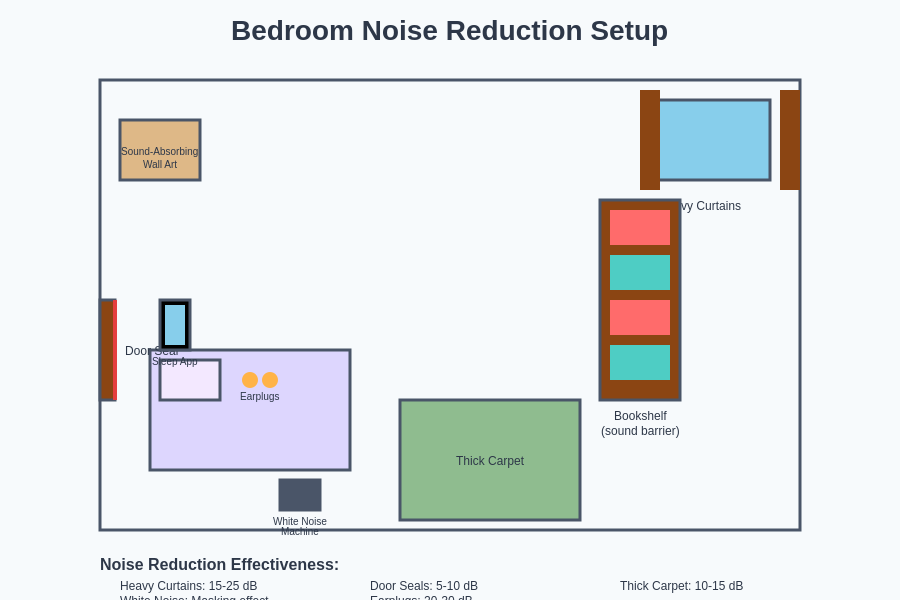
Personal sleep environment optimization includes strategic furniture placement, use of sound-absorbing materials like thick curtains or tapestries, and creation of consistent bedtime routines that help the body prepare for sleep despite ongoing environmental noise challenges.
Schedule coordination among residents can reduce noise conflicts by establishing quiet hours, coordinating kitchen and bathroom usage during peak times, and planning social activities in ways that minimize impact on sleeping residents. How shift work schedules affect roommate relations explores how different work patterns can be accommodated within shared living arrangements.
Environmental modifications within individual rooms and common areas can include installation of door seals, use of area rugs to reduce footstep noise transmission, and strategic placement of furniture or decorative elements that provide additional sound absorption without requiring permanent building modifications.
Long-term Health and Lifestyle Adaptations
Developing sustainable approaches to managing noise pollution and sleep quality in sharehouse environments requires long-term perspective on health priorities, lifestyle adaptations, and community building that supports both individual well-being and positive group dynamics.
Sleep hygiene practices become particularly important in challenging acoustic environments, with consistent sleep schedules, pre-sleep routines, and bedroom optimization helping maximize sleep quality even when noise elimination is not completely possible. Why mental health support varies in sharehouses discusses how sleep quality affects overall mental health in shared living situations.
Stress management techniques including meditation, relaxation exercises, and mindfulness practices can help residents cope with noise-related sleep disruption while also building resilience for other sharehouse living challenges.
Building acoustic awareness and consideration for others creates positive feedback loops within sharehouse communities where residents become more conscious of their noise generation and more invested in collective solutions that benefit everyone’s sleep quality and overall living experience.
The journey toward achieving quality sleep in Tokyo’s sharehouse environments requires patience, creativity, and community cooperation, but the rewards extend beyond simple rest to include improved health, better relationships, and enhanced ability to thrive in one of the world’s most dynamic cities. Understanding the complex interplay between urban noise, building design, and social dynamics empowers residents to make informed decisions and implement effective strategies that support both personal well-being and harmonious community living.
Disclaimer
This article is for informational purposes only and does not constitute medical advice. Individuals experiencing chronic sleep problems should consult with healthcare professionals for proper evaluation and treatment. The effectiveness of noise mitigation strategies may vary depending on specific circumstances, building characteristics, and individual health factors. Readers should prioritize safety considerations when implementing any sleep environment modifications.