The Obon period stands as one of Japan’s most significant cultural and spiritual observances, creating ripple effects that extend far beyond traditional Japanese families to deeply impact the daily lives, social dynamics, and practical experiences of international residents throughout the country. This ancient Buddhist festival, typically occurring in mid-August, transforms the rhythm of Japanese society in ways that can catch unprepared foreign residents off guard, while simultaneously offering extraordinary opportunities for cultural immersion and understanding that many international residents treasure as defining moments of their Japan experience.
For international residents living in sharehouses across Japan, the Obon period represents a unique intersection of cultural observation, practical adaptation, and social integration that requires both preparation and flexibility. Understanding how this deeply rooted tradition affects everything from transportation systems and work schedules to sharehouse dynamics and social opportunities enables foreign residents to navigate this period successfully while gaining deeper appreciation for Japanese cultural values and family traditions.
Understanding the Cultural Significance of Obon
The Obon festival carries profound spiritual and cultural meaning within Japanese society, serving as an annual period when families honor deceased ancestors through ritual practices, family reunions, and spiritual observances that have remained largely unchanged for centuries. This three-day period, though varying by region between mid-July and late August, represents one of the few times when modern Japanese society collectively pauses its relentless pace to prioritize family obligations and ancestral respect over commercial and professional activities.
The cultural weight of Obon extends beyond mere religious observance to encompass fundamental Japanese values of family loyalty, respect for elders, and communal harmony that influence social expectations and behavioral norms throughout the festival period. Living with Japanese roommates in Tokyo sharehouses provides insights into how these cultural values manifest in daily living situations, particularly during significant cultural events like Obon.
International residents often underestimate the profound emotional and social importance that Obon holds for their Japanese colleagues, friends, and housemates, leading to misunderstandings about sudden schedule changes, travel plans, and social availability during this period. The festival’s emphasis on family gathering and ancestral remembrance creates obligations that take precedence over work commitments, social plans, and even romantic relationships, requiring international residents to adapt their expectations and plans accordingly.
Transportation and Travel Disruptions
The Obon period triggers one of Japan’s largest annual migration patterns, with millions of people traveling simultaneously to ancestral homes and family gathering locations, creating transportation bottlenecks and logistical challenges that can severely impact international residents’ travel plans and daily mobility. How commute times impact your quality of life becomes particularly relevant during Obon when normal commute patterns are completely disrupted.
Train reservations during Obon require advance planning that often exceeds what international residents expect, with popular routes selling out weeks in advance and prices increasing significantly due to demand. The shinkansen bullet train system, normally efficient and accessible, becomes overwhelmed with travelers carrying traditional gifts and family offerings, creating crowded conditions and limited availability that can frustrate unprepared foreign travelers.
Domestic flights experience similar capacity constraints and price fluctuations, while highways become congested with family vehicles traveling long distances to rural areas where many ancestral homes and family graves are located. How transportation strikes disrupt daily life offers context for understanding how transportation disruptions affect daily routines, though Obon disruptions are predictable and cultural rather than labor-related.
International residents planning travel during Obon must account for these disruptions by booking transportation well in advance, considering alternative routes, and building flexibility into their schedules to accommodate delays and cancellations that become common during peak travel periods.
Workplace and Employment Changes
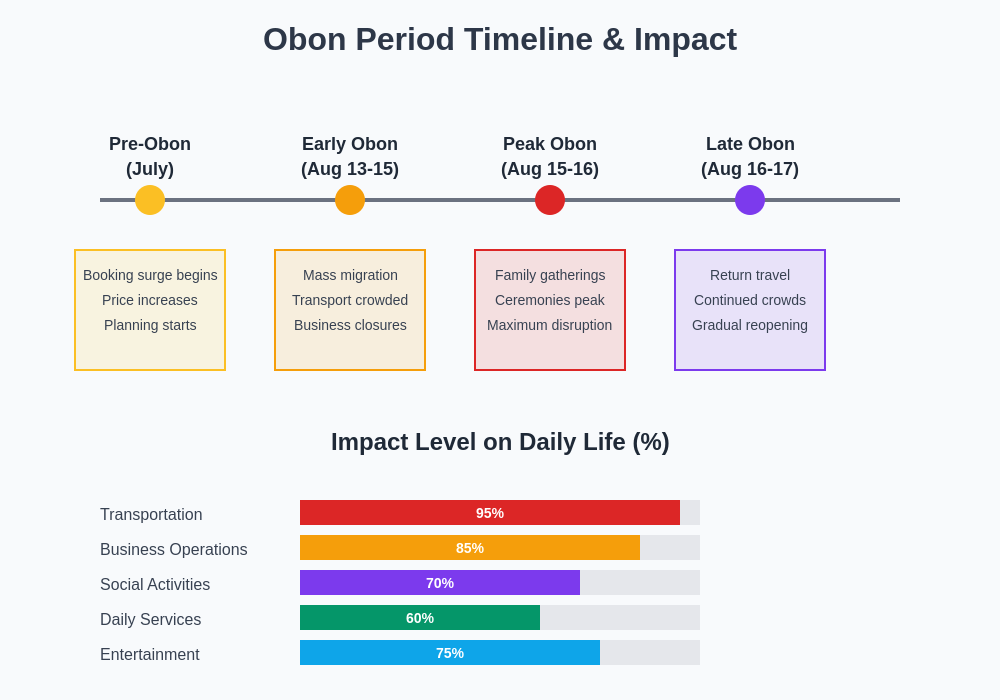
Japanese companies typically adjust their operational schedules during Obon, with many businesses closing entirely for several days while others operate with reduced staffing as employees take extended leave to participate in family obligations and travel. These schedule changes can create income fluctuations for international residents in part-time or contract positions, particularly those dependent on consistent work schedules for visa compliance and financial stability.
How seasonal employment affects payment ability becomes especially relevant during Obon when reduced work hours or temporary business closures can impact monthly earnings. International residents working in industries such as hospitality, retail, or education may experience either increased workloads as they cover for Japanese colleagues or reduced hours as businesses accommodate the holiday period.
The concept of nenkyu (paid annual leave) takes on special significance during Obon, as Japanese employees often use accumulated vacation days to extend the official holiday period into week-long family gatherings. International residents may find themselves working alone or with minimal supervision during this period, creating both opportunities for increased responsibility and challenges in maintaining normal business operations.
Understanding Japanese workplace etiquette during Obon includes recognizing the importance of family obligations and avoiding scheduling important meetings or deadlines during this period, as Japanese colleagues’ priorities shift dramatically toward family and ancestral duties that cannot be postponed or rescheduled.
Social Dynamics and Community Changes
Sharehouse communities experience significant demographic shifts during Obon as Japanese residents travel to family homes, often leaving international residents as the primary occupants of shared living spaces. Making friends through Tokyo sharehouse communities provides context for understanding how these temporary population changes affect social dynamics and community activities.
The absence of Japanese housemates during Obon can create feelings of isolation for international residents who remain in sharehouses, particularly those who have developed close friendships with Japanese residents or depend on them for cultural guidance and language practice. Conversely, some international residents appreciate the temporary quiet and freedom that comes with reduced occupancy in normally busy shared living spaces.
How cultural festivals affect house activities explores how traditional celebrations influence sharehouse life, with Obon representing perhaps the most significant annual disruption to normal community routines and social patterns.
International residents may find themselves invited to participate in Obon activities by Japanese friends or housemates, offering extraordinary opportunities for cultural immersion that include visiting family graves, participating in traditional meals, and observing spiritual practices that are rarely accessible to foreigners. These invitations represent significant expressions of trust and friendship that should be approached with appropriate respect and cultural sensitivity.
Economic and Commercial Impacts
The Obon period creates distinctive economic patterns that affect international residents’ daily lives, shopping habits, and financial planning throughout the festival period. Many businesses, particularly smaller local establishments, close completely during Obon, while others operate with reduced hours or modified services that can disrupt normal shopping and service routines.
How convenience store proximity affects daily costs becomes particularly relevant during Obon when many local shops close, making convenience stores and larger chain establishments the primary sources for daily necessities. However, even these typically reliable services may experience reduced hours or temporary closures that require advance planning for food, medicine, and other essential items.
Banking services, government offices, and administrative facilities typically close during Obon, creating potential complications for international residents who need to complete visa paperwork, banking transactions, or other bureaucratic requirements. How banking fees add up for foreign residents provides context for understanding how service disruptions can affect financial management and administrative compliance.
The economic impact extends to increased prices for accommodations, transportation, and services during Obon, as demand surge pricing affects hotels, trains, and entertainment venues. International residents planning activities or travel during this period must budget for these temporary price increases while recognizing that popular destinations may be fully booked regardless of cost.
Cultural Learning Opportunities
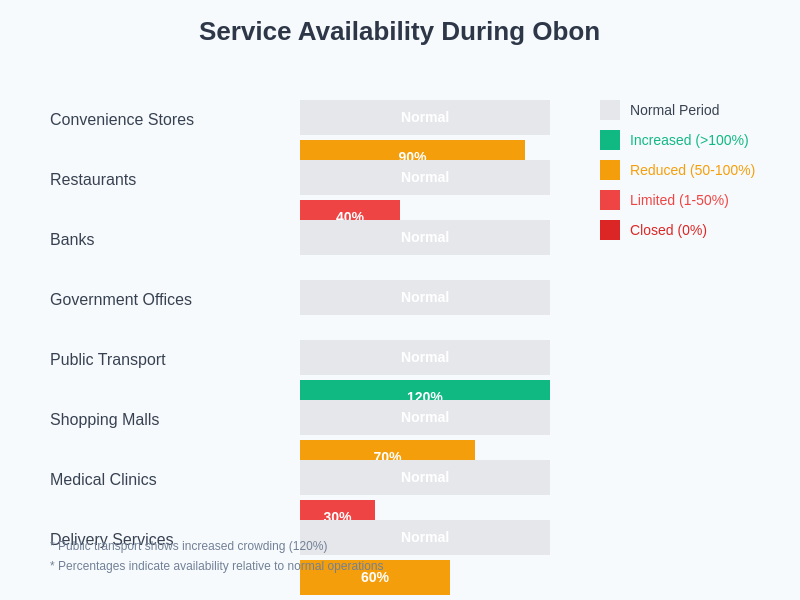
Despite the practical challenges that Obon creates for international residents, the period offers unparalleled opportunities for cultural education and cross-cultural understanding that many foreign residents identify as transformative experiences in their Japan journey. The visibility of traditional practices, family values, and spiritual beliefs during Obon provides insights into Japanese culture that are often hidden beneath the surface of modern urban life.
How cultural adaptation happens gradually explains the process through which international residents develop deeper cultural understanding, with events like Obon serving as accelerated learning experiences that compress months of gradual cultural observation into intensive periods of immersion and discovery.
Observing or participating in Obon practices such as grave cleaning, ancestor honoring, and traditional food preparation offers international residents direct access to Japanese spiritual and family traditions that remain largely unchanged despite modernization. These experiences often deepen appreciation for Japanese values and create lasting memories that influence long-term cultural understanding and personal growth.
The festival’s emphasis on family connectivity and ancestral respect may prompt international residents to reflect on their own cultural traditions and family relationships, creating opportunities for meaningful cross-cultural dialogue and mutual understanding with Japanese friends and colleagues.
Practical Preparation Strategies
Successful navigation of the Obon period requires international residents to develop preparation strategies that account for transportation disruptions, service closures, and social changes while maximizing opportunities for cultural participation and personal growth. How to budget realistically for sharehouse living provides financial planning frameworks that can be adapted for managing Obon-related expenses and income fluctuations.
Food preparation and storage become particularly important during Obon when many restaurants and food shops close for extended periods, requiring international residents to plan meals in advance and stock essential ingredients and supplies. Understanding which businesses remain open and which close completely helps avoid situations where basic needs cannot be met during the festival period.
Communication with Japanese colleagues, friends, and housemates before Obon helps international residents understand specific plans, obligations, and availability during the festival period, preventing misunderstandings and enabling better coordination of shared responsibilities and social activities.
What documents you need for Tokyo sharehouse applications reminds international residents to complete any administrative tasks requiring government offices or banking services before Obon begins, as these facilities typically close for several days during the festival period.
Housing and Utility Considerations
Sharehouse utility usage patterns change dramatically during Obon as occupancy fluctuates and remaining residents may use common areas differently when Japanese housemates are away visiting family. Understanding utility bills in Japanese sharehouses provides context for understanding how these usage changes might affect monthly costs and billing arrangements.
Air conditioning usage often increases during Obon due to the typical August timing coinciding with Japan’s hottest and most humid weather, while fewer people may be present to share cooling costs. International residents remaining in sharehouses should coordinate with other residents about utility usage and cost-sharing arrangements during this period.
Package delivery services may experience delays or modified schedules during Obon, affecting online shopping and international shipments that international residents rely on for specialty foods, medications, or personal items from their home countries. How online shopping deliveries overwhelm entryways explains normal delivery patterns that become disrupted during major holidays like Obon.
Security considerations may require attention in sharehouses with reduced occupancy during Obon, as fewer residents present may affect normal security protocols and community oversight that help maintain safe living environments.
Long-term Integration Benefits
International residents who successfully navigate their first Obon period often report significant improvements in their cultural understanding, social relationships, and overall integration into Japanese society. The experience of adapting to major cultural events demonstrates resilience and cultural sensitivity that Japanese colleagues and friends often recognize and appreciate.
How cultural sensitivity develops through daily interaction explains the gradual process of cultural adaptation, with Obon representing a concentrated opportunity for rapid development of cross-cultural competency and mutual respect.
The practical skills developed during Obon preparation and navigation, including advance planning, alternative resource identification, and flexible adaptation to changing circumstances, prove valuable for managing other aspects of life in Japan throughout the year. These experiences contribute to overall confidence and capability in navigating Japanese systems and cultural expectations.
Building relationships with Japanese friends and colleagues often deepens after successfully participating in or respectfully observing Obon activities, as these experiences demonstrate genuine interest in Japanese culture and willingness to engage with traditional values that remain important to many Japanese people despite modern lifestyle changes.
The Obon period ultimately serves as both a practical challenge and cultural opportunity for international residents in Japan, requiring preparation and flexibility while offering unique insights into Japanese values, traditions, and social structures that enhance long-term cultural understanding and personal growth. Through thoughtful preparation and respectful engagement, international residents can transform potential disruptions into meaningful cultural experiences that enrich their Japan journey and deepen their appreciation for the complex interplay between tradition and modernity that defines contemporary Japanese society.
Disclaimer
This article provides general information about cultural practices and their effects on international residents in Japan. Individual experiences may vary based on location, employment situation, and personal circumstances. Readers should verify specific business hours, transportation schedules, and local customs for their particular area during Obon periods. Cultural practices and their social impacts may evolve over time, and this information reflects general patterns rather than universal experiences.