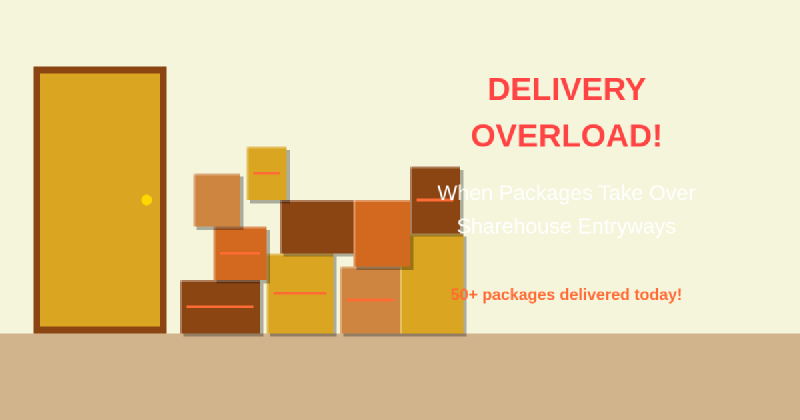
The explosion of online shopping in Japan has created an unexpected crisis in sharehouse entryways across Tokyo, transforming what should be welcoming spaces into chaotic obstacle courses of packages, delivery boxes, and frustrated residents. This seemingly modern convenience has evolved into one of the most persistent and aggravating daily challenges that sharehouse communities face, affecting everything from security protocols to neighborly relationships and basic accessibility within shared living environments.
The scale of this delivery overwhelm extends far beyond simple inconvenience, fundamentally altering how residents interact with their living spaces and each other. Understanding utility bills in Japanese sharehouses becomes secondary when residents cannot even navigate their own front door due to towering stacks of Amazon boxes and convenience store deliveries that seem to multiply overnight.
The Digital Commerce Revolution in Japanese Sharehouses
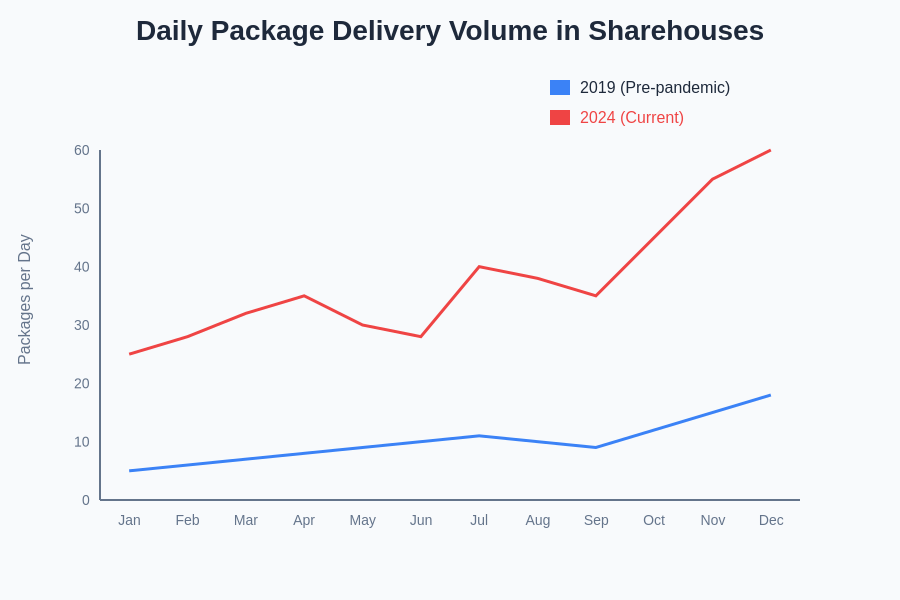
Japan’s rapid adoption of online shopping platforms, accelerated dramatically by pandemic-era lifestyle changes, has created delivery volumes that existing sharehouse infrastructure simply cannot accommodate. The combination of Amazon Prime’s same-day delivery, convenience store pickup services, and specialized Japanese e-commerce platforms like Rakuten and Yahoo Shopping has resulted in delivery frequencies that can reach dozens of packages per day in larger sharehouses.
The architectural reality of most Tokyo sharehouses, built in an era when mail consisted of occasional letters and small parcels, creates physical bottlenecks that become increasingly problematic as delivery volumes surge. Entryways designed for foot traffic now serve as temporary warehouses for everything from bulk grocery orders to furniture deliveries, creating safety hazards and accessibility issues that property managers never anticipated.
The cultural shift toward contactless delivery preferences, while convenient for individual residents, has eliminated the natural distribution mechanism that occurred when residents personally received their packages. Package delivery becomes complicated when multiply by twenty residents ordering independently without coordination or consideration for shared space limitations.
Storage Capacity Versus Delivery Volume Reality
The mathematical impossibility of accommodating unlimited delivery volumes in finite entryway spaces creates daily logistical nightmares that affect every resident’s quality of life. Standard Tokyo sharehouse entryways, typically measuring between three to six square meters, must simultaneously serve as package storage areas, shoe removal zones, bicycle parking spaces, and emergency evacuation routes.
Peak delivery periods, particularly during seasonal shopping events like Black Friday, Golden Week, and year-end gift-giving seasons, can result in package accumulation that renders entryways completely impassable. Living costs in Tokyo sharehouses explained rarely account for the hidden costs of delivery overwhelm, including potential safety violations, security deposit deductions for property damage, and the psychological stress of navigating obstacle courses daily.
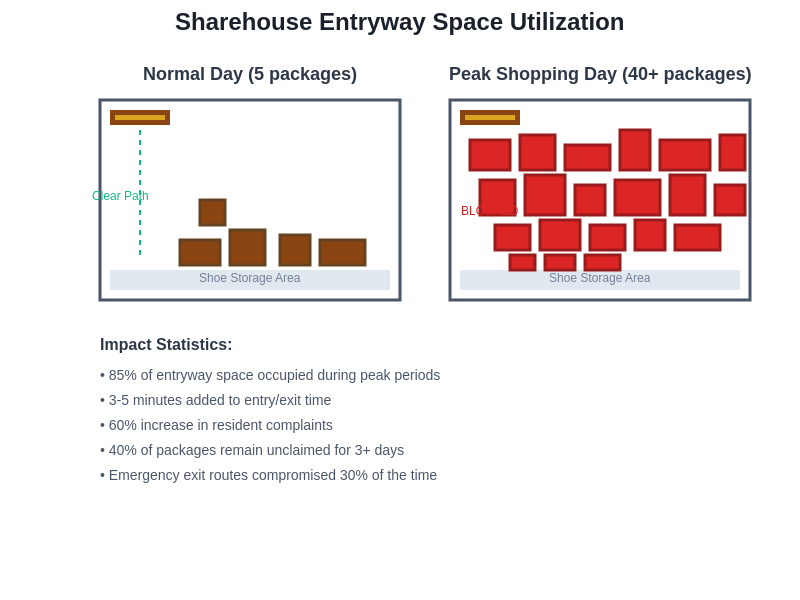
The temporal mismatch between delivery arrival patterns and resident pickup schedules exacerbates storage problems, with packages often remaining in entryways for days or weeks while owners travel, work late hours, or simply forget about pending deliveries. This creates exponential accumulation that transforms manageable package volumes into crisis situations requiring emergency intervention.
Security Vulnerabilities and Access Control Breakdown
The presence of valuable packages in easily accessible entryway areas creates significant security vulnerabilities that compromise the safety of all residents’ belongings and personal information. Delivery labels containing full names, phone numbers, and purchasing details become publicly visible to anyone entering the building, creating privacy concerns and potential targeting opportunities for malicious actors.
Package theft incidents, while relatively rare in Japan compared to other countries, increase proportionally with package visibility and accessibility. How stranger access compromises security becomes particularly relevant when delivery personnel, neighbors, and visitors regularly encounter unsecured valuable items in common areas.
The breakdown of access control systems occurs when package volumes prevent proper door closure, disable security cameras through obstruction, and create hiding spots that compromise overall building safety. Emergency evacuation procedures become compromised when exit routes are blocked by delivery boxes, creating potential life safety issues that could result in serious legal liability for property managers.
Impact on Daily Routines and Social Dynamics
The transformation of entryways from functional spaces into package warehouses fundamentally disrupts daily routines and creates friction between residents who have different shopping habits and package pickup schedules. Morning commuters must navigate obstacle courses that can add several minutes to departure times, while evening returners face the frustration of blocked access after long work days.
Social dynamics within sharehouses become strained when package accumulation creates visible inequities between residents’ consumption patterns and storage consideration levels. How individual environmental choices affect groups becomes relevant when some residents’ excessive ordering habits impact everyone’s daily experience and shared space usability.
The psychological impact of constant visual clutter and navigation challenges affects residents’ perception of their living environment as peaceful and organized. Why personal space boundaries are constantly tested intensifies when personal packages spillover into shared areas, creating territorial conflicts and resentment between community members.
Property Management Response and Enforcement Challenges
Property managers face increasingly complex challenges in balancing residents’ shopping convenience with practical space management and building safety requirements. Traditional house rules, written before the online shopping explosion, rarely address package volume limits, storage duration restrictions, or enforcement mechanisms for delivery overwhelm situations.
The implementation of package management systems requires significant investment in infrastructure modifications, including expanded storage areas, automated pickup systems, or partnerships with external package holding services. What additional fees really mean in practice often includes charges for enhanced package management services that residents may not have anticipated when signing their initial contracts.
Enforcement of package-related rules proves particularly challenging due to privacy concerns, resident turnover rates, and the difficulty of attributing responsibility for collective mess situations. Some property managers resort to extreme measures such as package disposal policies or delivery restrictions that create conflict with residents’ legitimate shopping needs and expectations.
Economic Implications and Hidden Costs
The delivery overwhelm crisis creates numerous hidden costs that affect both residents and property managers through damaged infrastructure, increased cleaning requirements, and potential insurance liability issues. Repeated impacts from heavy packages can damage flooring, walls, and door mechanisms, resulting in repair costs that typically get passed through to residents via security deposit deductions or fee increases.
The time cost for residents in navigation delays, package sorting, and conflict resolution represents a significant quality of life degradation that may influence housing satisfaction and turnover rates. How to calculate your true living costs should include consideration of time waste and stress factors associated with delivery overwhelm situations.
Property managers may need to invest in enhanced insurance coverage, additional cleaning services, and infrastructure improvements to address delivery-related problems, costs that ultimately affect rental pricing and service quality for all residents.
Technology Solutions and Management Innovation
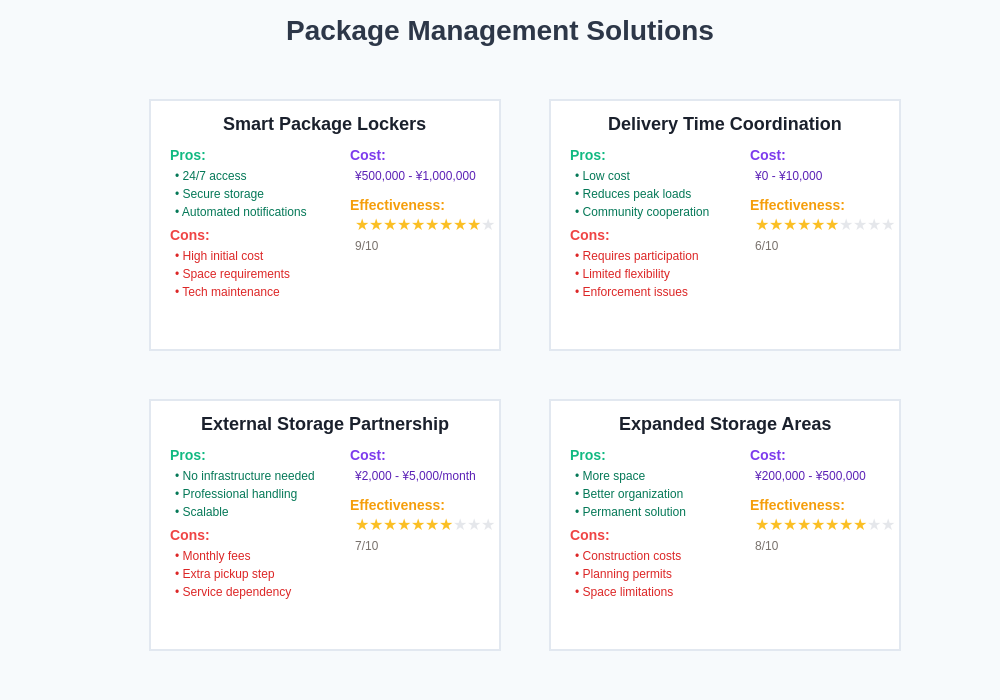
Forward-thinking sharehouse operators are beginning to implement technological solutions to address delivery overwhelm, including automated package lockers, digital notification systems, and smartphone apps that coordinate delivery schedules and pickup reminders. These innovations require significant upfront investment but can dramatically improve resident satisfaction and operational efficiency.
Smart package management systems that integrate with major delivery companies can provide real-time tracking, pickup notifications, and storage optimization that reduces entryway congestion. How smart locks change sharehouse security extends to package management through integrated access control and tracking systems.
Partnerships with local convenience stores, Amazon lockers, and specialized package handling services offer alternative solutions that redirect deliveries away from sharehouse entryways entirely, though these require resident behavior changes and may increase inconvenience for some shopping patterns.
Community-Based Solutions and Cooperation Strategies
Successful resolution of delivery overwhelm often requires community cooperation and informal governance systems that encourage responsible shopping habits and prompt package pickup behaviors. Resident-led initiatives such as package pickup reminder systems, shared storage organization, and bulk delivery coordination can significantly reduce entryway congestion.
The establishment of community guidelines for package ordering, including considerations for size limitations, delivery timing coordination, and pickup responsibility, requires consensus-building and ongoing enforcement through social pressure rather than formal rules. Making friends through Tokyo sharehouse communities becomes more challenging when delivery conflicts create ongoing tension between residents.
Educational programs that help residents understand the collective impact of individual shopping decisions can promote more considerate ordering behaviors and alternative delivery options that reduce shared space burden.
Health and Safety Considerations
The accumulation of packages in entryways creates multiple health and safety hazards including trip hazards, blocked emergency exits, pest attraction through food deliveries, and air quality issues from packaging materials and product odors. Fire safety becomes particularly concerning when combustible packaging materials accumulate near heating systems or electrical outlets.
Accessibility for residents with mobility limitations becomes severely compromised when entryways are cluttered with packages, potentially violating legal requirements for barrier-free access in shared housing facilities. How mobility problems develop in crowded spaces includes consideration of navigation challenges created by package obstruction.
The hygiene implications of package accumulation, particularly during rainy seasons when wet packaging materials can promote mold growth and pest problems, require proactive management to maintain healthy living conditions for all residents.
Environmental Impact and Waste Management
The environmental footprint of excessive online shopping, amplified by the packaging waste accumulation in sharehouse entryways, creates significant waste management challenges and environmental concerns. The volume of cardboard, plastic, and protective packaging materials generated by multiple residents’ shopping habits can overwhelm local recycling systems and create ongoing disposal problems.
How sustainable living practices clash with convenience becomes evident when residents’ desire for online shopping convenience conflicts with environmental responsibility and shared space consideration. The carbon footprint of multiple individual deliveries often exceeds that of consolidated shopping trips, creating ethical dilemmas for environmentally conscious residents.
Waste sorting requirements in Japanese municipalities become complicated when package materials accumulate faster than disposal opportunities, leading to overflow situations and potential violations of local waste management regulations.
Future Trends and Adaptation Strategies
The trajectory of online shopping growth suggests that delivery overwhelm will continue intensifying unless proactive solutions are implemented. Sharehouse operators must adapt their business models, infrastructure, and policies to accommodate the reality of modern consumption patterns while maintaining livable community environments.
Emerging trends such as consolidated delivery services, smart building integration, and community-based logistics coordination offer potential solutions, but require industry-wide adoption and resident behavior modification to achieve meaningful impact. The development of purpose-built sharehouse facilities that incorporate advanced package management systems represents the future direction for sustainable shared living environments.
The integration of delivery management considerations into sharehouse selection criteria will become increasingly important for prospective residents who want to avoid the daily frustrations and conflicts associated with poorly managed package overflow situations.
The resolution of delivery overwhelm in sharehouse entryways requires coordinated effort between residents, property managers, and service providers to develop sustainable systems that balance individual convenience with community livability. As online shopping continues its growth trajectory, the sharehouses that successfully adapt their package management systems will maintain competitive advantages in resident satisfaction and retention, while those that fail to address these challenges will face ongoing operational problems and community conflicts.
Disclaimer
This article is for informational purposes only and does not constitute professional advice regarding property management or delivery logistics. The experiences described may vary significantly between different sharehouses, locations, and management companies. Residents should communicate directly with their property managers regarding specific package-related policies and solutions. The effectiveness of suggested strategies may depend on community cooperation and individual circumstances.