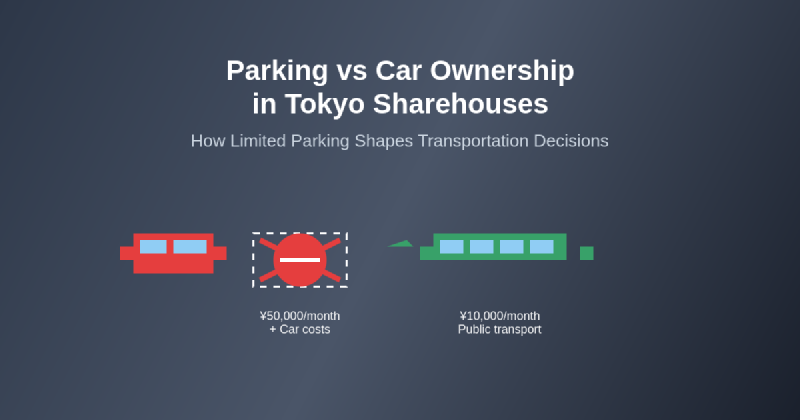
The decision to own a car while living in a Tokyo sharehouse involves far more complexity than simple transportation needs, with parking availability serving as the primary determining factor that shapes residents’ mobility choices and long-term financial planning. The scarcity of parking spaces in densely populated urban areas creates a cascade of considerations that extend beyond mere convenience, fundamentally altering how international residents approach vehicle ownership and daily transportation strategies throughout their time in Japan.
Understanding the intricate relationship between parking availability and car ownership decisions becomes essential for anyone considering vehicle ownership while residing in shared accommodations, as these factors directly impact monthly expenses, lifestyle flexibility, and integration into Tokyo’s sophisticated public transportation ecosystem. The challenge of securing reliable parking access often proves more significant than the initial vehicle purchase, maintenance costs, or even navigation difficulties that foreign residents typically anticipate when contemplating car ownership in Japan.
The Reality of Parking Scarcity in Tokyo Sharehouses
Tokyo’s urban density creates an environment where parking spaces command premium prices that often exceed the cost of vehicle ownership itself, forcing sharehouse residents to confront harsh economic realities that can make car ownership financially prohibitive despite earning adequate income for vehicle purchases and maintenance. How much Tokyo sharehouses really cost per month demonstrates how additional parking expenses can dramatically impact overall living budgets and financial planning strategies.
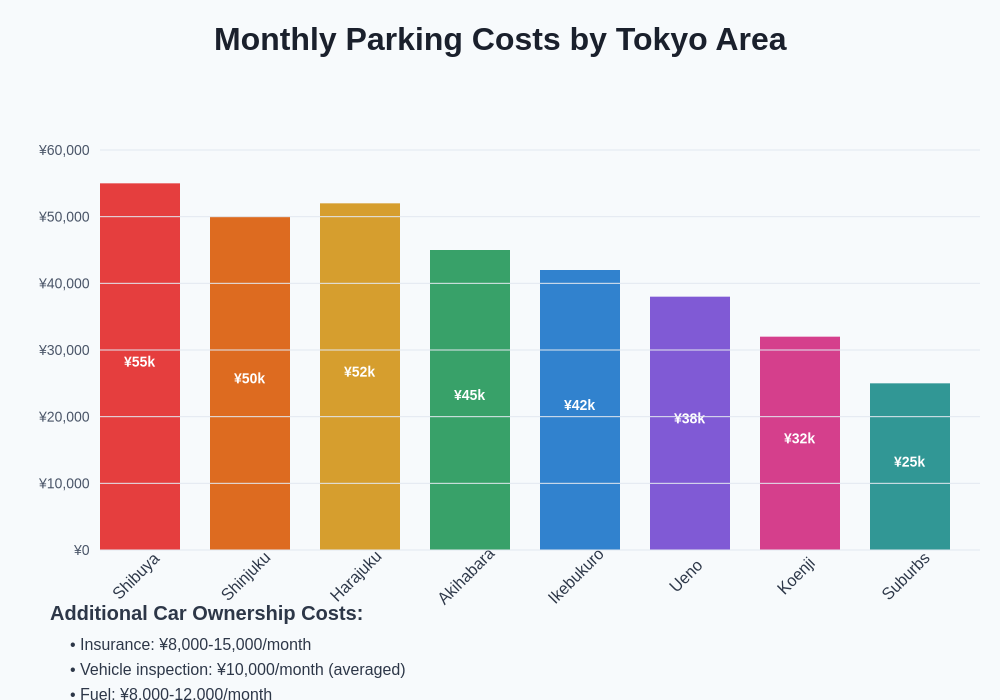
Most sharehouses in central Tokyo offer no dedicated parking facilities, requiring residents to secure private parking arrangements through separate rental agreements that can cost between 25,000 to 50,000 yen monthly depending on location proximity and availability. The competition for available parking spaces creates additional stress and uncertainty, as many residents find themselves on waiting lists for months or years before securing spots within reasonable distance of their accommodations.
Suburban sharehouses may offer slightly better parking availability, but even these locations often have limited spaces that operate on first-come, first-served basis or require additional monthly fees that residents must factor into their transportation budgets. Cheaper sharehouse options in Tokyo suburbs explores how distance from city center affects both housing costs and parking availability, creating complex trade-offs between accommodation affordability and transportation convenience.
The legal requirements for parking verification before vehicle registration add another layer of complexity, as Japanese law mandates proof of parking space availability within a specified radius of the registered address before allowing vehicle ownership, making impulsive car purchase decisions virtually impossible without prior planning and documentation.
Financial Impact Analysis of Parking Costs
The true cost of car ownership in Tokyo extends far beyond vehicle purchase, insurance, and maintenance expenses, with parking fees often representing the largest ongoing expense that can exceed vehicle loan payments and significantly impact residents’ disposable income and lifestyle choices. Monthly parking costs in central Tokyo areas can range from 20,000 yen for basic outdoor spaces to over 60,000 yen for covered, secure facilities near popular sharehouse locations.
These parking expenses compound with other vehicle-related costs including mandatory insurance, bi-annual vehicle inspections, registration fees, and fuel costs that create substantial monthly financial obligations. Living costs in Tokyo sharehouses explained provides context for understanding how parking expenses fit within overall living budgets and affect residents’ ability to save money or pursue other financial goals.
The opportunity cost of dedicating significant monthly income to parking becomes particularly relevant for international residents who may have limited earning potential due to visa restrictions, language barriers, or part-time employment limitations. Many residents discover that parking costs alone could fund extensive public transportation usage, international travel, or other lifestyle priorities that provide greater value and flexibility.
Hidden parking costs including security deposits, key fees, and potential penalties for contract violations add unexpected financial burdens that many residents fail to anticipate during initial car ownership planning. Some parking facilities require guarantors, credit checks, or upfront payments equivalent to several months of parking fees, creating significant barriers to entry that can delay or prevent vehicle ownership decisions.
Alternative Transportation Strategies and Solutions
Tokyo’s extensive public transportation network provides comprehensive mobility solutions that often prove more efficient, cost-effective, and convenient than private vehicle ownership for most sharehouse residents’ daily transportation needs. How commute times impact your quality of life explores how residents can optimize their transportation strategies without requiring personal vehicle ownership.
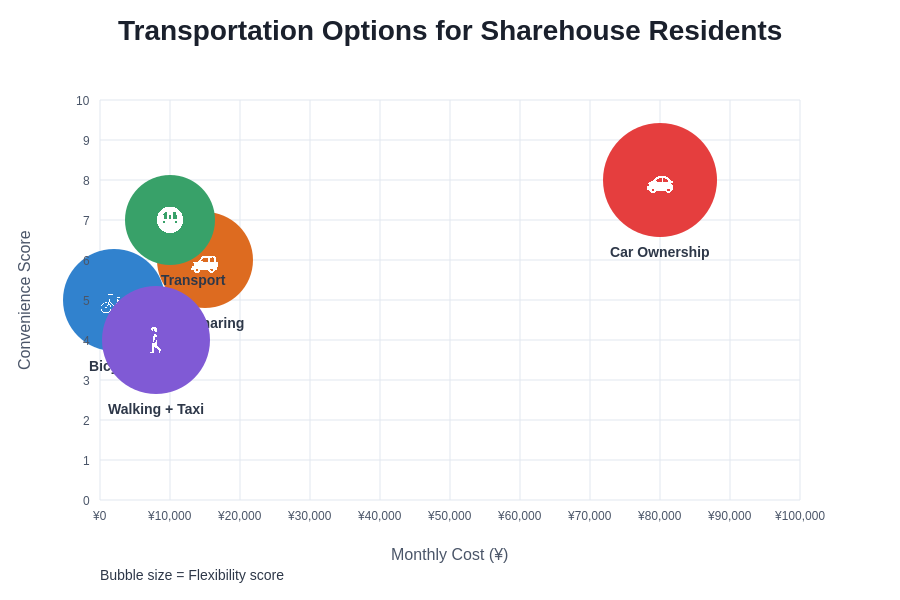
Car sharing services and rental options have expanded significantly in recent years, offering flexible vehicle access for occasional use without the ongoing financial commitments and parking challenges associated with ownership. These services provide access to various vehicle types for different purposes, from compact cars for city driving to larger vehicles for weekend trips or moving assistance.
How car sharing works among sharehouse residents demonstrates how residents can coordinate shared vehicle access and expenses, creating community-based transportation solutions that reduce individual costs while maintaining mobility options for specific needs and circumstances.
Public transportation passes, bicycle ownership, and strategic location selection near transit hubs often provide superior mobility solutions compared to private vehicle ownership, particularly when considering the total time spent dealing with parking, traffic congestion, and navigation challenges in Tokyo’s complex urban environment.
Impact on Lifestyle and Daily Routines
The absence of reliable parking access fundamentally alters residents’ daily routines, shopping patterns, and social activities in ways that extend far beyond simple transportation convenience, affecting everything from grocery shopping frequency to weekend travel possibilities and social engagement opportunities. Residents without cars often develop more efficient daily routines that leverage local amenities and public transportation, creating lifestyle patterns that can be more sustainable and community-oriented.
Shopping behaviors change significantly when car ownership becomes impractical, with residents adopting frequent smaller purchases rather than bulk shopping, utilizing delivery services, and developing stronger relationships with local merchants and services within walking distance of their accommodations. How grocery shopping becomes more strategic explores how transportation limitations influence purchasing decisions and daily planning strategies.
Social activities and weekend plans require more advance planning and coordination when relying on public transportation or shared vehicle arrangements, potentially limiting spontaneous activities but often encouraging more intentional social planning and community engagement among sharehouse residents.
Work schedule flexibility may be reduced for residents who depend on public transportation schedules, particularly for positions requiring early morning or late-night commutes when service frequency decreases, affecting career opportunities and professional development possibilities in certain industries or locations.
Regional Variations and Neighborhood Differences
Parking availability and associated costs vary dramatically across different Tokyo areas, with central districts offering minimal parking at premium prices while suburban areas provide more options at relatively lower costs but with increased commute times and reduced public transportation convenience. Best Tokyo neighborhoods for sharehouse living helps residents understand how location choices affect parking availability and transportation options.
Business districts near major stations typically offer the least favorable parking situations, with high demand, limited supply, and premium pricing that makes car ownership particularly challenging for residents of nearby sharehouses. Business district sharehouses near Tokyo Station explores the specific challenges and alternatives available in these high-demand areas.
Residential areas further from city center may offer more reasonable parking solutions, but residents must balance parking convenience against longer commute times, reduced access to entertainment and dining options, and potential isolation from the vibrant urban lifestyle that attracts many international residents to Tokyo in the first place.
University areas and student-focused neighborhoods often have different parking dynamics influenced by academic schedules, temporary residency patterns, and younger demographics with different transportation preferences and financial constraints. Student sharehouses near top Tokyo universities provides insights into parking considerations specific to academic environments.
Legal and Regulatory Considerations
Japanese vehicle registration laws require documented parking arrangements before allowing car ownership, creating legal barriers that prevent impulsive vehicle purchases and require residents to secure parking solutions as part of the ownership process. This system ensures that vehicle owners have legitimate parking access but adds complexity and potential delays to the car buying process.
Parking violations and enforcement in Tokyo are notably strict, with significant fines and potential vehicle impoundment for unauthorized parking, making reliable legal parking access essential rather than optional for vehicle owners. Understanding local parking regulations, time restrictions, and enforcement patterns becomes crucial for avoiding costly violations and legal complications.
International driving licenses have specific validity periods and renewal requirements that affect long-term car ownership planning, particularly for residents on temporary visas or those planning extended stays in Japan. Why international driving licenses expire quickly explains the documentation requirements and timeline considerations for legal vehicle operation.
Insurance requirements, vehicle inspection schedules, and registration renewal processes add ongoing administrative responsibilities that require stable address verification and parking documentation, creating additional complexity for sharehouse residents who may face housing changes or uncertainty about long-term residency plans.
Environmental and Social Implications
The parking scarcity that discourages car ownership in Tokyo sharehouses contributes to reduced urban pollution, decreased traffic congestion, and more sustainable transportation patterns that benefit both individual residents and the broader urban environment. Many international residents discover that car-free living aligns with environmental values while providing cost savings and lifestyle benefits they hadn’t anticipated.
Community dynamics within sharehouses can be affected by parking availability and car ownership patterns, with vehicle owners sometimes enjoying increased social status or becoming designated drivers for group activities, while car-free residents may develop stronger local community connections and more environmentally conscious lifestyle practices.
How sustainable living practices clash with convenience explores how parking limitations and car ownership decisions fit within broader sustainability considerations and lifestyle value systems that many international residents develop during their time in Tokyo.
The social pressure to own vehicles varies significantly among different international communities and cultural backgrounds, with some residents feeling disadvantaged without cars while others embrace car-free urban living as an authentic Tokyo experience that enhances their cultural immersion and environmental consciousness.
Long-term Strategic Planning
Car ownership decisions in the context of parking limitations require careful consideration of long-term residency plans, career development goals, and lifestyle priorities that may evolve during extended stays in Tokyo. Residents must evaluate whether parking investments and ongoing vehicle expenses align with their broader financial goals and life planning objectives.
Future housing changes, visa status modifications, and potential family developments can dramatically affect parking needs and car ownership practicality, making flexible transportation strategies more valuable than permanent vehicle ownership commitments for many international residents.
How career changes affect sharehouse eligibility demonstrates how professional development and life changes can impact housing situations and associated parking needs, emphasizing the importance of maintaining transportation flexibility.
The development of electric vehicle infrastructure and changing automotive technology may alter future parking availability and costs, but current residents must make decisions based on existing infrastructure and market conditions while remaining adaptable to technological and regulatory changes.
Decision Framework and Evaluation Criteria
Successful car ownership decisions require systematic evaluation of multiple factors including parking costs, availability reliability, alternative transportation options, lifestyle priorities, and long-term financial goals that extend beyond simple transportation convenience. Creating a comprehensive decision framework helps residents avoid costly mistakes and align vehicle ownership with their broader life objectives.
Cost-benefit analysis should include all direct and indirect expenses associated with parking, vehicle ownership, and alternative transportation options over realistic time periods that account for potential housing changes, visa renewals, and lifestyle evolution throughout residency in Tokyo.
How to calculate your true living costs provides frameworks for evaluating transportation expenses within overall budget planning and financial goal achievement, helping residents make informed decisions about parking investments and car ownership commitments.
Risk assessment should consider potential complications including parking contract termination, vehicle damage or theft, changes in financial circumstances, and emergency situations that could affect parking access or vehicle ownership viability during unexpected circumstances or life changes.
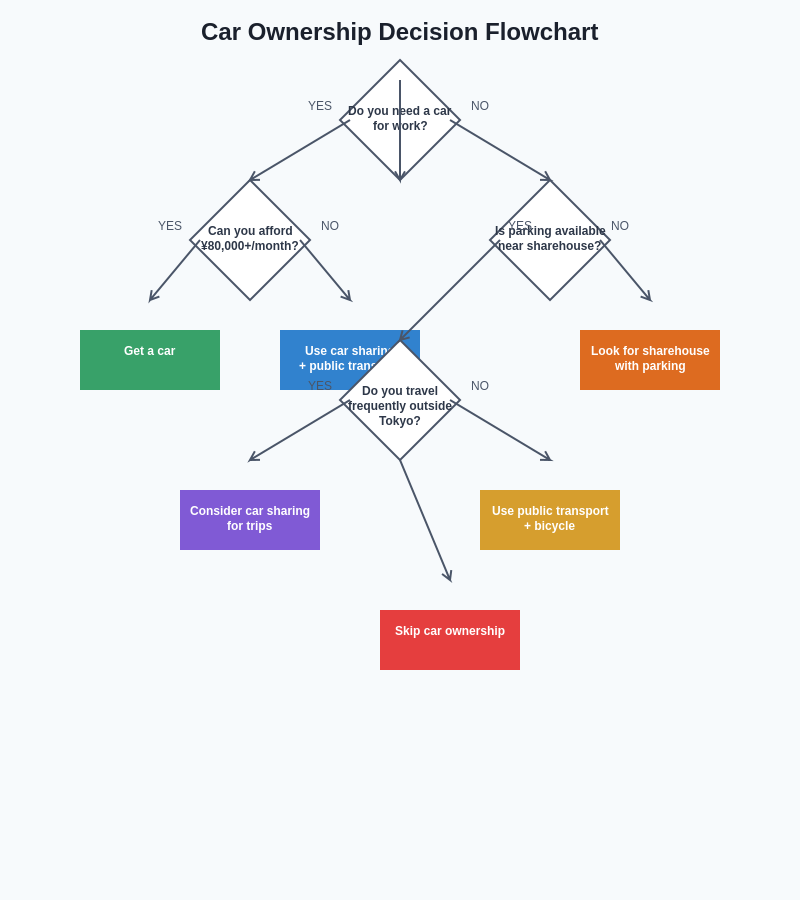
This decision framework helps residents systematically evaluate their specific circumstances and make informed choices about vehicle ownership that align with their financial capacity, lifestyle needs, and long-term goals.
The intersection of parking availability and car ownership decisions in Tokyo sharehouses represents a complex urban challenge that requires careful analysis of financial, practical, and lifestyle factors that extend far beyond simple transportation needs. Understanding these dynamics empowers international residents to make informed decisions that align with their personal circumstances, financial goals, and long-term plans while navigating the unique challenges and opportunities of urban living in one of the world’s most sophisticated metropolitan areas.
Successful navigation of parking and car ownership decisions ultimately depends on realistic assessment of individual needs, thorough understanding of local conditions and costs, and flexible planning that accounts for the dynamic nature of life in Tokyo’s vibrant international community.
Disclaimer
This article is for informational purposes only and does not constitute professional financial or legal advice. Parking regulations, costs, and availability in Tokyo are subject to change, and individual circumstances may vary significantly. Readers should conduct their own research and consult with relevant professionals when making vehicle ownership and parking decisions. The effectiveness of transportation strategies mentioned may vary depending on specific locations, personal needs, and changing urban infrastructure conditions.