The seemingly innocent act of extending party invitations within sharehouse communities creates intricate webs of social pressure that can fundamentally alter relationship dynamics, community cohesion, and individual well-being. What begins as a simple gesture of inclusion often evolves into complex psychological challenges that force residents to navigate delicate balances between personal preferences, social expectations, and community harmony in ways that can profoundly impact their living experience.
The cultural melting pot that characterizes most Tokyo sharehouses amplifies these pressures exponentially, as residents from different backgrounds bring varying expectations about social participation, party attendance, and community involvement. Understanding these dynamics becomes essential for anyone hoping to maintain authentic relationships while preserving personal autonomy within the close-quarters environment that defines sharehouse living.
The Psychology Behind Social Invitation Pressure
Party invitations in sharehouse environments operate on psychological principles that extend far beyond simple social courtesy, tapping into fundamental human needs for belonging, acceptance, and social validation while simultaneously triggering anxieties about rejection, exclusion, and social judgment. The confined nature of shared living spaces intensifies these psychological responses, creating situations where declining an invitation can feel like rejecting not just an event but the entire community structure.
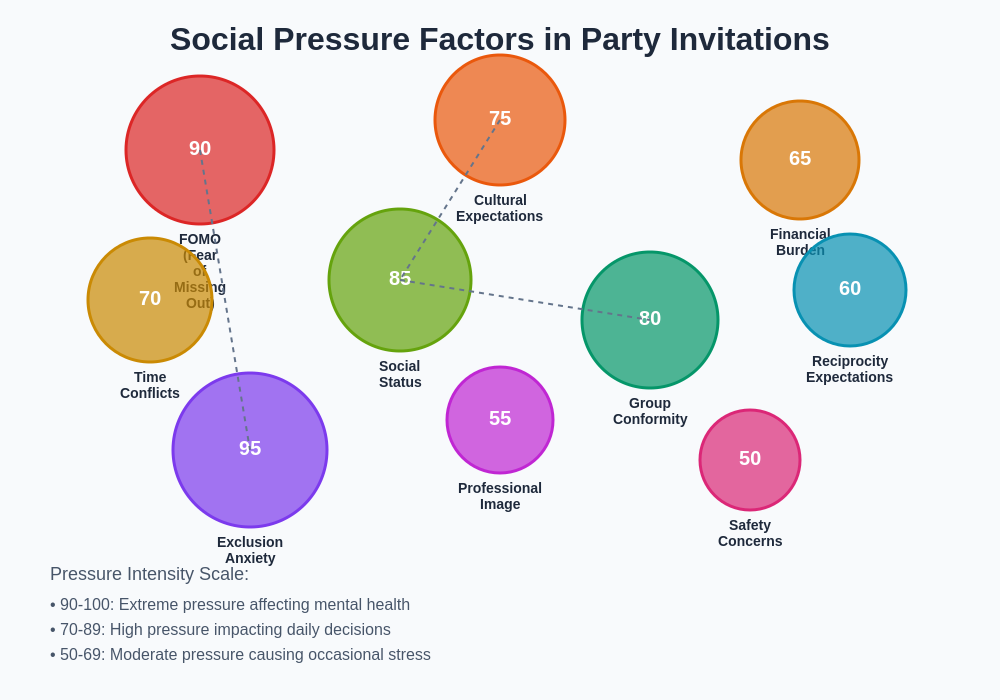
The fear of missing out, commonly known as FOMO, becomes particularly acute in sharehouse settings where residents witness the preparation, excitement, and aftermath of social events firsthand. Dating while living in Tokyo sharehouses explores how social events often become intertwined with romantic opportunities, adding additional layers of pressure for single residents who fear missing potential connections.
The psychological concept of social proof plays a significant role in how party invitations create pressure within sharehouse communities. When multiple residents enthusiastically accept invitations and participate in social events, those who prefer quieter activities or have different social preferences often experience internal conflict between their authentic desires and the apparent community norm of active participation.
Cultural Differences in Party Participation Expectations
International sharehouse communities bring together residents from cultures with vastly different approaches to social gatherings, party attendance, and community participation, creating complex dynamics where expectations clash and misunderstandings flourish. Some cultures view party attendance as essential for maintaining social relationships and demonstrating respect for community members, while others prioritize individual choice and personal boundaries above group participation.
Japanese cultural concepts of group harmony and consensus-building can create additional pressure for international residents who may not fully understand the subtle social cues and obligations that govern party invitations in mixed cultural settings. Living with Japanese roommates in Tokyo sharehouses provides insights into how these cultural differences manifest in daily social interactions and community expectations.
The concept of reciprocity varies dramatically across cultures, with some residents viewing party attendance as creating social debts that must be repaid through future hosting or participation, while others approach social events as optional activities without ongoing obligations. These differing perspectives can create tension and misunderstandings that persist long after individual events conclude.
Religious and dietary restrictions add additional complexity to party invitation pressures, as residents may face challenging decisions between participating in events that conflict with their values or appearing antisocial to their community. How dietary restrictions complicate meal planning explores how food-related differences extend beyond daily meals into social gathering dynamics.
The Mechanics of Social Exclusion and Inclusion
Party invitations within sharehouse communities operate as powerful tools of social inclusion and exclusion that can fundamentally reshape community dynamics and individual relationships in ways that extend far beyond the events themselves. The process of determining guest lists, extending invitations, and managing responses creates hierarchies and social groupings that influence daily interactions and long-term relationship development.
Selective invitation practices, whether intentional or unconscious, can create distinct social circles within sharehouse communities that persist long after specific events conclude. How friend groups form and exclude others examines how these social divisions develop and impact overall community cohesion and individual experiences.
The timing and method of invitation delivery can significantly impact how recipients perceive their social standing within the community. Last-minute invitations may be interpreted as afterthoughts or polite gestures rather than genuine inclusions, while early invitations can signal special status or closer relationships that other residents may notice and interpret as indicators of their own social positioning.
Financial Pressures Associated with Party Participation
Party invitations in sharehouse communities often carry hidden financial obligations that can create significant stress for residents operating on tight budgets, transforming social events into economic challenges that impact monthly spending and long-term financial stability. The expectation to contribute to party supplies, host reciprocal events, or participate in group activities can strain budgets in ways that residents may not anticipate when first joining sharehouse communities.
How much Tokyo sharehouses really cost per month typically focuses on accommodation expenses but rarely accounts for the social costs associated with community participation and party attendance that can add substantial amounts to monthly living expenses.
The pressure to dress appropriately for different types of parties and social events can create ongoing clothing and accessory expenses that particularly impact residents who are new to Tokyo or operating on student budgets. International residents may face additional challenges in understanding appropriate dress codes and social expectations that require investments in specific clothing items or accessories.
Gift-giving expectations and contribution requirements for group celebrations can create financial burdens that residents feel unable to decline without appearing unsociable or disrespectful to their community. How gift shopping for housemates becomes stressful explores how these expectations develop and impact resident relationships and financial well-being.
Time Management and Academic Performance Impact
University students living in sharehouses face particular challenges when party invitations conflict with academic responsibilities, exam preparation, and study schedules, creating situations where social participation and educational success appear to be in direct competition. The timing of social events rarely aligns with academic calendars, forcing students to choose between community participation and educational priorities.
How exam periods create stress for everyone highlights how academic pressures affect entire sharehouse communities, not just individual students, as party invitations during crucial study periods can create tension between residents with different priorities and obligations.
The recovery time required after late-night parties can significantly impact academic performance and work productivity, particularly for residents who are not accustomed to regular social drinking or staying up late. The pressure to participate fully in party activities can lead to compromised sleep schedules and reduced academic or professional performance that affects long-term goals and success.
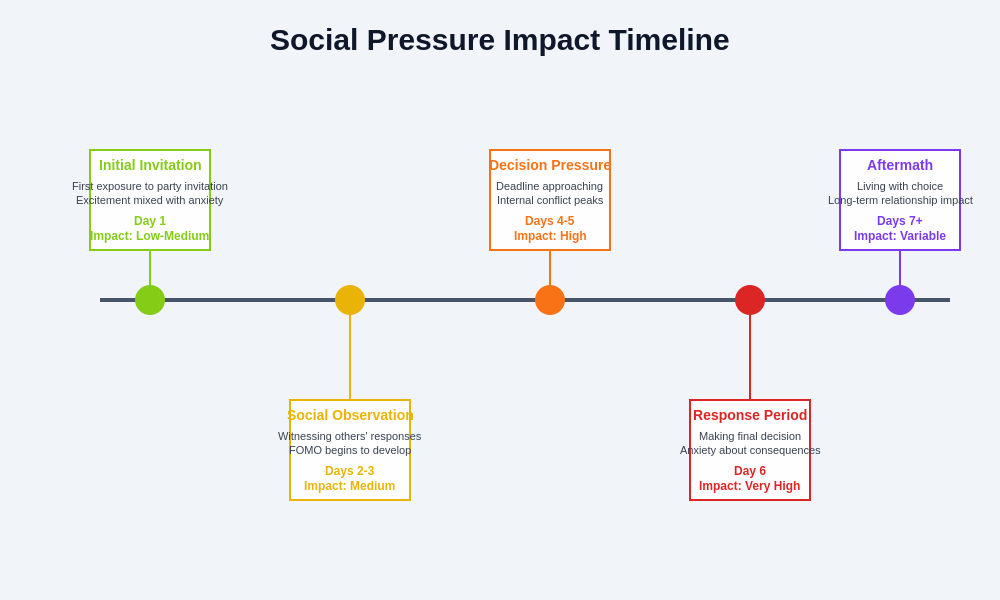
Research deadlines, thesis writing, and intensive study periods require focused environments and consistent schedules that can be disrupted by party invitations and the social pressure to participate in community events. How research projects require quiet spaces examines how academic work conflicts with social community expectations.
Professional Implications and Career Considerations
Working professionals in sharehouse communities face unique challenges when party invitations conflict with career responsibilities, early morning commitments, and professional image considerations that require careful navigation of social expectations while maintaining career advancement opportunities. The expectation to participate in weeknight parties or weekend events can impact professional performance and advancement prospects.
How business travel affects long-term community building explores how professional obligations can create ongoing tension with sharehouse social expectations and community participation requirements.
Client-facing professionals must consider how party participation and potential social media documentation might impact their professional reputation and career prospects. The interconnected nature of international communities in Tokyo means that professional and personal social circles often overlap in ways that require careful consideration of party attendance decisions.
Early morning work schedules and professional responsibilities can make party participation physically challenging, creating situations where residents must choose between career success and community integration. How shift work schedules affect roommate relations examines how different schedules create ongoing challenges in sharehouse communities.
Gender Dynamics and Safety Considerations
Party invitations in sharehouse communities can create complex gender dynamics and safety considerations that disproportionately affect female residents and create additional layers of social pressure beyond simple attendance decisions. The expectation to participate in mixed-gender social events may create comfort level challenges for residents from conservative backgrounds or those who have experienced previous negative social experiences.
Safety concerns about transportation home after late-night parties, alcohol consumption expectations, and unknown guests can create anxiety and pressure for residents who want to participate in community events but have legitimate safety concerns about specific party formats or locations.
How late night transportation limits social life explores how practical considerations impact social participation and create additional pressures for residents who face transportation challenges or safety concerns about returning home late at night.
The pressure to dress in certain ways or participate in specific activities during parties can create discomfort for residents whose personal values or cultural backgrounds conflict with party expectations. Gender-specific expectations about sociability, drinking participation, and social behavior can create additional stress and pressure beyond the basic decision to attend events.
Mental Health and Anxiety Management
The ongoing pressure to respond to party invitations and navigate complex social dynamics can significantly impact mental health and anxiety levels for sharehouse residents, particularly those who are already managing the stress of living in a foreign country, adapting to new cultural norms, and building new social networks from scratch.
How homesickness hits differently in shared spaces examines how the constant social expectations in sharehouses can exacerbate feelings of isolation and cultural displacement rather than alleviating them as intended.
Social anxiety around party attendance, performance expectations, and community integration can create ongoing stress that impacts sleep, academic performance, and general well-being. The inability to escape social pressures by retreating to private spaces becomes particularly challenging in sharehouse environments where community areas are shared and social interactions are ongoing.
The fear of being judged for non-participation or different social preferences can create internal conflict and self-doubt that persists beyond individual events and impacts overall confidence and self-esteem. How cultural sensitivity develops through daily interaction explores both positive and negative aspects of intensive cross-cultural social exposure.
Strategies for Managing Social Pressure While Maintaining Relationships
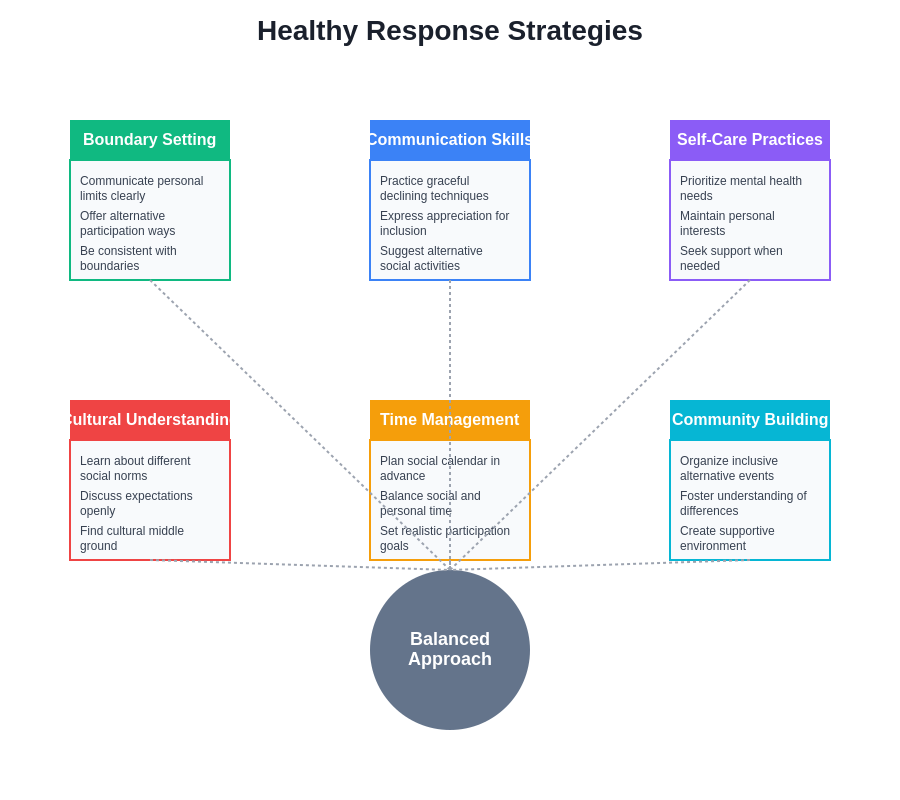
Developing effective strategies for managing party invitation pressure while preserving positive relationships requires careful consideration of personal boundaries, communication techniques, and alternative ways to contribute to community building that align with individual preferences and capabilities.
Learning to decline invitations gracefully while expressing appreciation for inclusion helps maintain positive relationships without compromising personal boundaries or creating ongoing social tension. Offering alternative forms of participation, such as helping with preparation or cleanup, can demonstrate community commitment without requiring full event participation.
How to handle roommate conflicts without moving out provides communication strategies that apply to managing social expectations and expressing personal boundaries in ways that preserve community relationships.
Creating and communicating personal boundaries around party participation helps establish clear expectations and reduces ongoing pressure while demonstrating respect for both personal needs and community dynamics. Consistency in boundary application prevents confusion and reduces the likelihood of repeated pressure or misunderstandings.
Long-term Community Impact and Relationship Evolution
The cumulative effect of party invitation dynamics and social pressure can significantly influence long-term community cohesion, individual relationship development, and overall sharehouse culture in ways that persist long after specific residents move out and new community members join.
Communities that develop inclusive approaches to social events and respect individual differences tend to create more sustainable and positive living environments that attract and retain diverse residents with varying social preferences and cultural backgrounds. Making friends through Tokyo sharehouse communities explores both successful and problematic approaches to community building.
The precedents set by early residents regarding party culture, invitation practices, and participation expectations can influence sharehouse communities for years, creating ongoing patterns that new residents must navigate regardless of their personal preferences or cultural backgrounds.
Understanding these dynamics helps residents make informed decisions about community participation while developing skills for managing social pressure that extend beyond sharehouse living into broader social and professional contexts throughout their time in Tokyo and beyond.
The complex interplay between party invitations and social pressure in sharehouse communities reflects broader challenges of cross-cultural living, community building, and individual autonomy that require ongoing attention and skillful navigation to create positive outcomes for all residents involved.
Disclaimer
This article is for informational purposes only and does not constitute professional psychological or social advice. The social dynamics described may vary significantly between different sharehouse communities and individual experiences. Readers experiencing significant social anxiety or pressure should consider consulting with appropriate support services. The strategies mentioned may not be suitable for all situations or cultural contexts.