Navigating Japan’s pension system as a sharehouse resident presents unique challenges and opportunities that many international residents fail to fully understand, potentially leading to costly mistakes or missed benefits. The complexity of Japan’s social insurance framework, combined with the temporary nature of many sharehouse living arrangements, creates a labyrinth of regulations, obligations, and withdrawal procedures that require careful navigation to avoid financial penalties and maximize potential returns.
Understanding your pension obligations as a sharehouse resident goes beyond simple compliance with Japanese law; it involves strategic financial planning that can significantly impact your long-term financial situation and your ability to recover contributions when departing Japan. The intersection of residence status, employment type, and housing arrangements creates various scenarios that determine your specific pension requirements and available options for contribution recovery.
Understanding Japan’s Pension System Structure
Japan operates a comprehensive two-tier pension system that encompasses both mandatory participation for residents and voluntary supplementary programs designed to provide comprehensive retirement security. The National Pension system forms the foundation, requiring participation from all residents aged 20 to 59, regardless of nationality or employment status, while the Employees’ Pension Insurance system covers workers in companies with five or more employees.
The National Pension system, administered by the Japan Pension Service, provides basic old-age benefits to participants who meet minimum contribution requirements, typically requiring 25 years of contributions for benefit eligibility. Living costs in Tokyo sharehouses explained often overlook pension obligations as a significant monthly expense that can substantially impact your overall budget calculations.
For sharehouse residents, understanding which system applies to your specific situation becomes crucial for proper financial planning and compliance. International residents working for companies typically participate in both systems through automatic payroll deductions, while those engaged in freelance work, language teaching, or other independent activities may face different obligations and payment procedures.
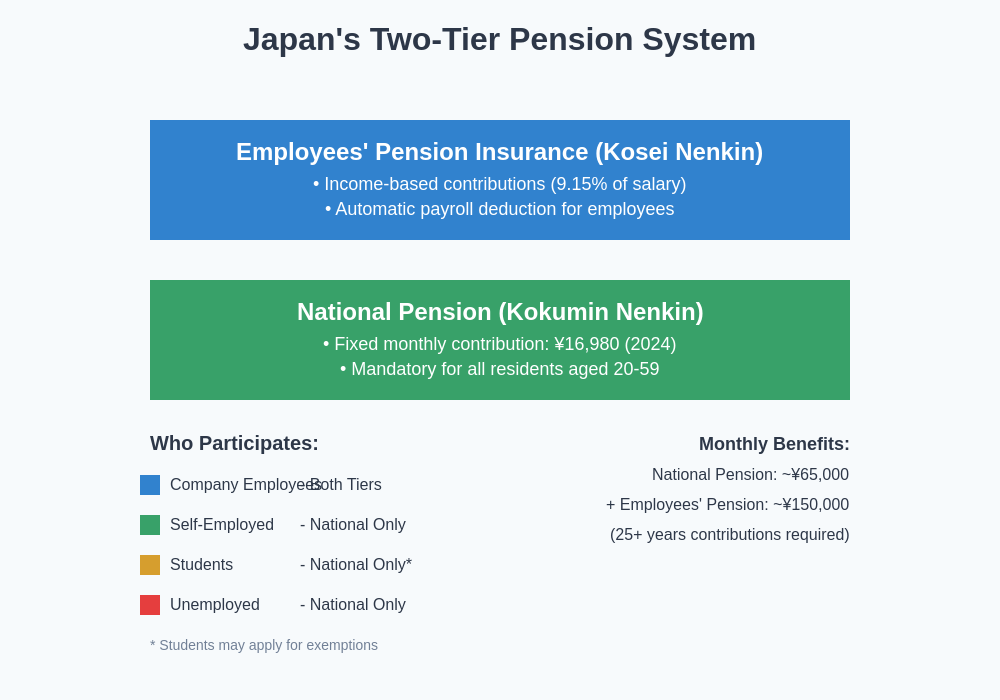
The monthly contribution amounts vary based on your participation category and income level, with fixed amounts for National Pension participants and income-based calculations for Employees’ Pension Insurance members. These contributions represent mandatory social insurance payments that cannot be avoided through housing arrangements, including sharehouse living situations that might seem temporary or transitional.
Mandatory Participation Requirements for International Residents
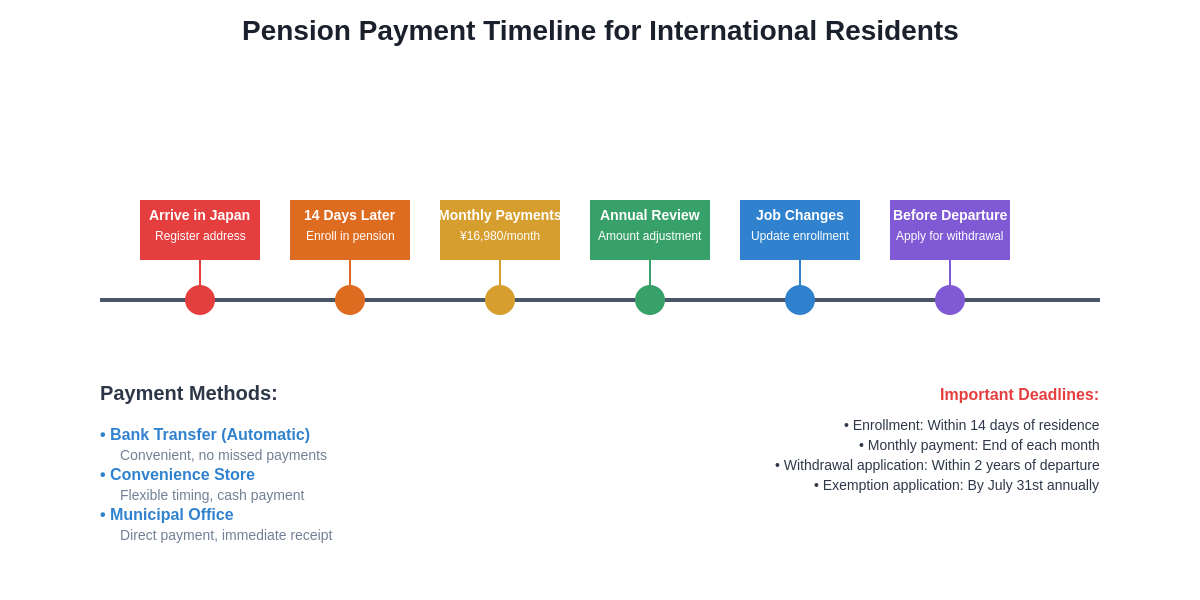
International residents living in sharehouses must understand that pension participation requirements stem from your residence registration status rather than your housing arrangement, meaning your sharehouse address establishes legal obligations regardless of your intended length of stay in Japan. The moment you complete alien registration procedures and receive your residence card, you become subject to National Pension enrollment requirements within 14 days of establishing residence.
Employment status significantly influences your pension obligations and payment procedures, with employed individuals typically having contributions automatically deducted from their salaries while self-employed residents must make direct payments to municipal offices or through bank transfer arrangements. How to find the perfect sharehouse in Tokyo should include consideration of proximity to municipal offices for residents who need to handle pension payments independently.
Student visa holders face specific regulations that may allow for payment exemptions or deferrals under certain circumstances, but these arrangements require formal application procedures and documented proof of financial hardship. Working holiday visa participants and other temporary residents often mistakenly believe their short-term status exempts them from pension obligations, leading to accumulating debt and potential legal complications.
The Japanese government actively enforces pension participation requirements through various mechanisms, including coordination with immigration authorities, employer reporting systems, and municipal residence tracking that can affect visa renewal applications and re-entry permissions for non-compliant residents.
Payment Procedures and Administrative Requirements
Pension payment procedures for sharehouse residents vary significantly based on employment status, with employees typically experiencing automatic deduction systems while independent workers must navigate more complex manual payment processes. Understanding utility bills in Japanese sharehouses provides context for managing multiple monthly obligations, though pension payments often represent the largest single expense after rent.
Monthly payment deadlines require strict adherence to avoid penalty charges and contribution gaps that can affect future benefit eligibility or withdrawal calculations. The standard payment schedule follows monthly cycles with specific due dates that cannot be adjusted for personal convenience or cash flow preferences, requiring careful budgeting and payment planning.
Bank transfer arrangements offer the most convenient payment method for most sharehouse residents, allowing automatic monthly deductions that prevent missed payments and associated penalties. Setting up these automatic payment systems requires specific banking procedures and documentation that may be challenging for newly arrived international residents without established credit histories.
Payment amounts are subject to annual adjustments based on inflation and government policy changes, meaning your monthly pension obligations may increase during your residence period. These adjustments typically occur in April of each year, requiring budget modifications and awareness of changing financial obligations that extend beyond initial calculations.
Exemption and Deferral Options for Students and Low-Income Residents
Japan’s pension system recognizes that certain categories of international residents may face financial hardships that make standard contribution payments difficult or impossible, providing structured exemption and deferral programs that require formal application procedures and ongoing compliance monitoring. Student exemptions represent the most commonly utilized program among sharehouse residents, allowing full-time students to defer payments while maintaining contribution credit toward future benefits.
Income-based exemptions consider your total annual earnings, including part-time work, family support, and other income sources that may affect your eligibility for reduced payment obligations. How much Tokyo sharehouses really cost per month calculations should factor in potential pension savings through exemption programs for qualifying residents.
Application procedures for exemptions require extensive documentation, including income verification, student enrollment certificates, and detailed financial statements that demonstrate genuine inability to meet standard payment obligations. These applications must be submitted annually and are subject to review and verification by pension service officials who may request additional documentation or clarification.
Deferral programs differ from exemptions by postponing rather than eliminating payment obligations, creating future financial responsibilities that accumulate with interest and must be satisfied before benefit eligibility or withdrawal processing. Understanding the long-term implications of deferrals helps residents make informed decisions about managing immediate cash flow challenges versus future financial obligations.
Lump-Sum Withdrawal Procedures for Departing Residents
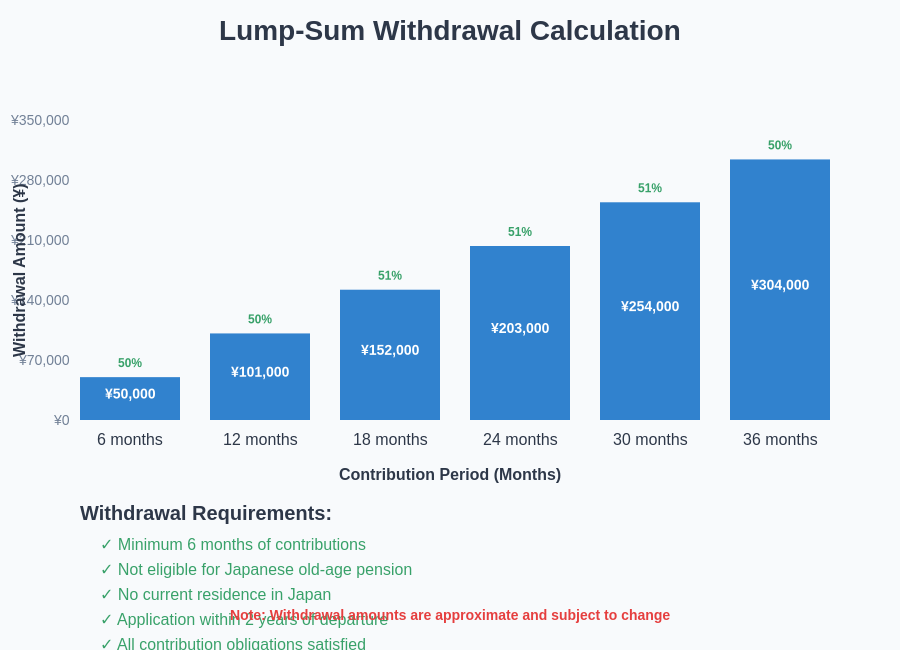
The lump-sum withdrawal benefit system allows international residents to recover a portion of their pension contributions when permanently departing Japan, providing crucial financial recovery for residents whose short-term stays prevent them from meeting long-term benefit eligibility requirements. What moving out really costs in Tokyo sharehouses should include consideration of pension withdrawal procedures as part of departure planning.
Eligibility requirements for lump-sum withdrawals include specific contribution period minimums, permanent departure confirmation, and compliance with all payment obligations during your residence period. The withdrawal amount calculation uses complex formulas based on contribution periods and payment categories that may result in partial recovery rather than full contribution refunds.
Application procedures must be initiated within two years of departure from Japan, requiring extensive documentation including departure confirmation, contribution records, and bank account information for international transfers. Processing times typically extend several months, requiring patience and careful coordination with your departure timeline and financial planning needs.
The withdrawal process involves significant administrative complexity that many departing residents underestimate, leading to missed deadlines, incomplete applications, and forfeited contributions that could have been recovered through proper preparation and understanding of requirements.
Impact of Employment Changes on Pension Obligations
Employment status changes during your sharehouse residence period can dramatically affect your pension obligations, payment procedures, and future benefit calculations in ways that require immediate attention and administrative action. Transitions between employee status and independent work arrangements trigger different contribution categories with varying payment amounts and collection procedures.
Job changes between companies require coordination between your former employer, new employer, and pension service administrators to ensure continuous coverage and proper benefit calculations. Best Tokyo neighborhoods for sharehouse living often correlate with employment centers, but job changes may require reconsideration of your residence location relative to new workplace requirements.
Unemployment periods create specific challenges for maintaining pension coverage, as automatic payroll deductions cease while legal obligations for continued participation remain in effect. Understanding your options during unemployment, including temporary exemption applications and direct payment arrangements, prevents contribution gaps that can affect future benefits or withdrawal calculations.
Self-employment transitions from traditional employment status involve significant changes in contribution amounts, payment procedures, and administrative responsibilities that require careful preparation and understanding of new obligations. These transitions often result in higher monthly payments and increased administrative burden that can strain budgets and create compliance challenges.
Record Keeping and Documentation Requirements
Maintaining comprehensive pension records throughout your sharehouse residence period protects your financial interests and facilitates smooth processing of benefits or withdrawal applications when circumstances change. What documents you need for Tokyo sharehouse applications provides context for document management, though pension records require longer-term preservation and more detailed tracking.
Payment receipts and contribution statements serve as essential proof of compliance and payment history that may be required for various administrative procedures, including exemption applications, withdrawal processing, and benefit calculations. Digital record keeping systems help manage the volume of documentation while ensuring accessibility during critical application periods.
Employment record coordination becomes crucial for residents who change jobs or transition between employment categories, as gaps or inconsistencies in documentation can delay processing and create complications during benefit or withdrawal applications. Maintaining personal copies of all employment-related pension documentation protects against employer record keeping failures or administrative errors.
International transfer and communication records may be required for withdrawal applications or benefit claims that extend beyond your residence period in Japan, requiring careful preservation of contact information and documentation that remains accessible after departure.
Tax Implications and Reporting Requirements
Pension contributions in Japan interact with income tax obligations in complex ways that affect your overall tax burden and may provide opportunities for tax optimization through proper planning and documentation. Understanding these interactions helps maximize your after-tax income while maintaining compliance with all legal obligations.
Deductibility of pension contributions from taxable income can provide significant tax savings for residents in higher income brackets, though the calculation methods and maximum deduction amounts follow specific rules that require careful application and documentation. Living with Japanese roommates in Tokyo sharehouses often involves discussions about tax obligations and strategies for managing overall financial responsibilities.
Year-end tax adjustment procedures for employed residents typically include automatic processing of pension contribution deductions, while self-employed residents must handle these calculations manually through annual tax return filing procedures. Understanding your responsibilities based on employment status prevents errors and ensures optimal tax treatment of pension payments.
International tax treaty provisions may affect how pension contributions and benefits are treated for tax purposes in your home country, requiring coordination between Japanese tax obligations and home country reporting requirements that can become complex for residents with income sources in multiple jurisdictions.
Long-term Financial Planning Considerations
Strategic pension planning for sharehouse residents requires balancing immediate compliance obligations with long-term financial goals that may extend beyond your current residence period in Japan. Understanding the interplay between contribution periods, benefit calculations, and withdrawal options enables informed decision-making about payment strategies and exemption applications.
Contribution period optimization involves considering how various payment and exemption strategies affect your eligibility for benefits or withdrawal amounts, potentially influencing decisions about employment, residence duration, and financial resource allocation. How to calculate your true living costs should incorporate pension obligations and potential recovery scenarios into comprehensive financial planning frameworks.
Alternative investment considerations may influence your approach to pension participation, particularly for residents who view Japan residence as temporary and prefer maintaining investment flexibility through other financial instruments. However, mandatory participation requirements limit your ability to opt out entirely, requiring strategies that work within the existing legal framework.
Future residence scenario planning helps prepare for various outcomes including extended residence, permanent settlement, or departure from Japan, ensuring your pension strategy remains aligned with changing circumstances and opportunities that may emerge during your residence period.
Common Mistakes and Compliance Pitfalls
International residents frequently encounter preventable problems with pension obligations due to misunderstandings about requirements, inadequate record keeping, or failure to address status changes promptly. Japanese sharehouse rules every foreigner should know provides context for understanding regulatory compliance, though pension obligations involve separate and more complex legal frameworks.
Payment deadline violations create accumulating penalties and potential legal complications that can affect visa renewal applications and future immigration status, making prompt payment or exemption application essential for maintaining good standing with authorities. Many residents underestimate the seriousness of pension compliance compared to other financial obligations.
Employment status reporting failures during job changes or unemployment periods can create gaps in coverage or incorrect contribution calculations that require extensive administrative correction procedures and potential penalty payments. Proactive communication with pension service offices prevents many of these complications.
Documentation loss or inadequate record keeping frequently creates problems during withdrawal applications or benefit processing, potentially resulting in reduced recovery amounts or processing delays that extend well beyond departure timelines. Establishing systematic record keeping practices from the beginning of your residence prevents these costly oversights.
Understanding pension obligations as a sharehouse resident in Japan requires comprehensive knowledge of legal requirements, payment procedures, and strategic planning considerations that extend beyond simple compliance. The complexity of Japan’s pension system demands careful attention to detail and proactive management of obligations that can significantly impact your financial situation both during residence and after departure. Success in navigating this system comes from early education, systematic record keeping, and strategic decision-making that aligns pension obligations with your broader financial goals and residence planning objectives.
Disclaimer
This article is for informational purposes only and does not constitute professional financial or legal advice. Pension regulations in Japan are subject to frequent changes, and individual circumstances may require specific consultation with qualified professionals. Readers should verify current requirements with the Japan Pension Service and consult with tax professionals regarding their specific obligations and opportunities for optimization.