Living in a Tokyo sharehouse exposes residents to unique privacy vulnerabilities that many newcomers fail to anticipate or adequately address. The combination of shared living spaces, diverse international communities, and complex digital interactions creates multiple pathways through which personal information can be inadvertently disclosed, deliberately accessed, or systematically compromised. Understanding these risks represents a crucial first step toward maintaining privacy and security in an environment where traditional boundaries between public and private information become increasingly blurred.
The consequences of compromised personal information extend far beyond immediate financial losses or embarrassing revelations, potentially affecting visa status, employment opportunities, banking relationships, and long-term residency prospects in Japan. International residents face additional vulnerabilities due to unfamiliar legal frameworks, language barriers that complicate understanding of privacy policies, and limited knowledge of local data protection practices that could safeguard their sensitive information.
Physical Document Exposure in Shared Environments
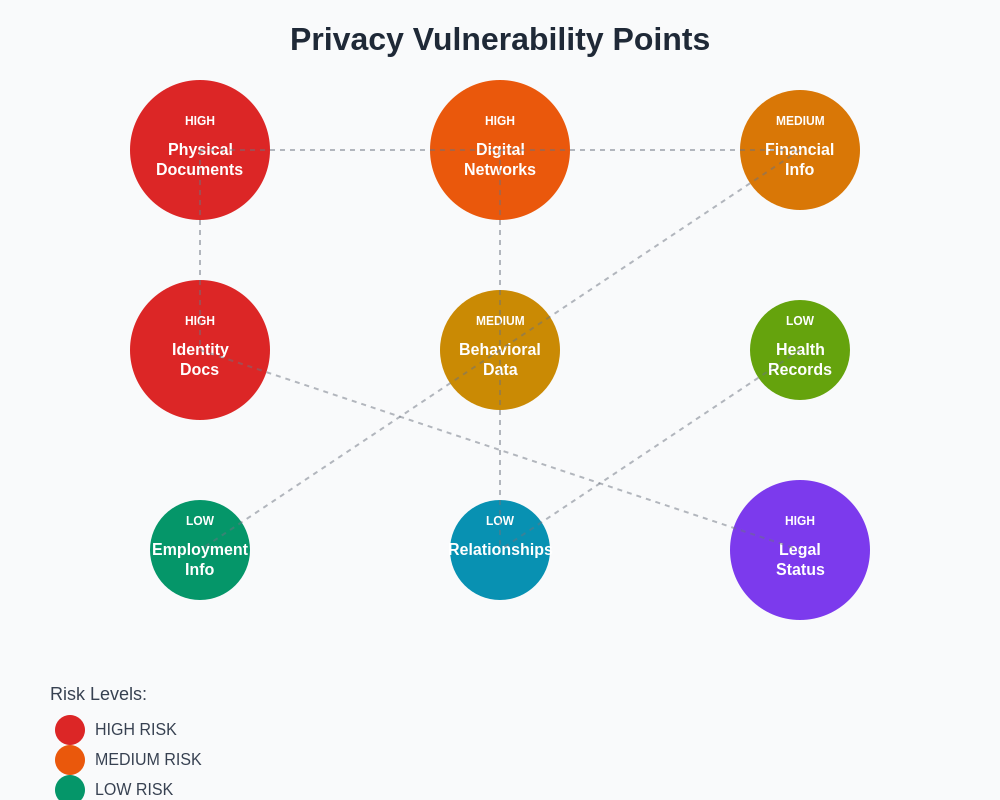
Tokyo sharehouses create numerous opportunities for sensitive documents to be accessed by unauthorized individuals through both intentional and accidental exposure. Understanding what documents you need for Tokyo sharehouse applications reveals the extensive personal information required during the application process, but many residents fail to consider how this information continues to circulate and remain accessible throughout their tenancy period.
Mail delivery systems in sharehouses often involve shared reception areas where packages and letters containing financial statements, visa documentation, employment records, and medical information can be easily viewed or intercepted by other residents. The casual atmosphere of many sharehouses encourages informal handling of mail, leading to situations where sensitive correspondence may be opened accidentally or left unsecured in common areas for extended periods.
Room cleaning and maintenance activities frequently require temporary relocation of personal documents, creating opportunities for unauthorized access or accidental disclosure. Many residents underestimate the sensitivity of seemingly routine paperwork such as utility bills, bank statements, and employer correspondence that can provide comprehensive insights into financial status, employment details, and personal relationships when viewed collectively.
The practice of document copying for various administrative purposes in Japan means that multiple copies of sensitive information often exist across different locations and organizations. How to actually get your deposit back demonstrates how financial documentation becomes part of permanent records that may be accessed by various parties throughout the rental relationship and beyond.
Digital Privacy Vulnerabilities and Shared Network Risks
Shared internet networks in Tokyo sharehouses represent significant security vulnerabilities that can expose personal information through both passive monitoring and active attacks. The convenience of shared WiFi systems often comes at the cost of individual privacy protection, as network traffic from multiple users flows through common infrastructure that may lack adequate encryption or access controls.
Many residents conduct sensitive online activities such as banking, employment applications, visa renewals, and personal communications while connected to shared networks without understanding the potential for data interception. Understanding utility bills in Japanese sharehouses explains how shared service arrangements can create confusion about individual privacy rights and responsibilities regarding digital communications.
Smart home devices and Internet of Things equipment increasingly common in modern sharehouses can collect and transmit personal information including conversation recordings, movement patterns, and behavioral data that may be accessible to other residents or third-party service providers. The integration of these systems often occurs without explicit consent or clear understanding of data collection practices.
Social media usage and digital photography in shared spaces frequently result in unintended disclosure of personal information through background details, visitor identification, and lifestyle patterns that can be analyzed to build comprehensive profiles of individual residents. The casual sharing of photos and posts by housemates can inadvertently expose sensitive details about schedules, relationships, and personal circumstances.
Financial Information Exposure Through Shared Resources
The economics of sharehouse living necessitate various forms of financial information sharing that create multiple pathways for monetary data compromise. Living costs in Tokyo sharehouses explained demonstrates how shared expense arrangements require disclosure of income levels, spending patterns, and financial capabilities that may be used inappropriately by other residents or management staff.
Group purchasing arrangements and shared subscription services often involve sharing credit card information, bank account details, and payment histories that can be accessed or misused by trusted housemates who later exploit this access for unauthorized transactions. The informal nature of many sharehouse financial arrangements lacks the security protocols and legal protections typical of formal business transactions.
Utility bill sharing systems frequently require residents to provide detailed financial information to house managers or designated coordinators who may not have adequate security training or proper data handling procedures. How shared expense apps create new problems illustrates how digital tools designed to simplify financial management can actually increase exposure to financial fraud and identity theft.
Emergency expense sharing and deposit management practices often involve multiple residents having access to shared funds or financial accounts, creating opportunities for misappropriation that may not be discovered until significant losses have occurred. The casual nature of many sharehouse financial relationships can lead to inadequate documentation and accountability measures.
Identity Document Vulnerabilities and Misuse
International residents in Tokyo sharehouses must frequently present identity documents for various purposes, creating multiple copies and exposing sensitive information to numerous parties who may not have adequate security measures or legitimate needs for such access. Passport information, visa details, and residence card data become distributed across property managers, utility companies, financial institutions, and other residents in ways that increase vulnerability to identity theft.
Document copying and storage practices in many sharehouses lack professional security standards, with sensitive identification materials often stored in unsecured filing systems, shared computer drives, or informal recordkeeping systems that can be easily accessed by unauthorized individuals. Why background checks don’t prevent all problems highlights how even legitimate security procedures can create additional points of vulnerability for personal information.
The process of guarantor arrangements and employment verification frequently requires sharing detailed personal and family information with multiple parties who may not be subject to professional confidentiality requirements or data protection regulations. This expansion of access to sensitive information increases the potential for misuse while providing limited additional security benefits.
Emergency contact information and family details collected during sharehouse applications often receive inadequate protection and may be accessed inappropriately for purposes beyond their intended emergency use. The casual atmosphere of sharehouse communities can lead to informal sharing of such information that compromises not only resident privacy but also the security of family members and associates.
Behavioral Surveillance and Pattern Recognition
Daily life in sharehouses subjects residents to continuous informal surveillance through both deliberate observation and incidental monitoring that can reveal detailed patterns of behavior, relationships, and personal circumstances. How social hierarchies develop naturally demonstrates how community dynamics create pressure for information sharing that may compromise individual privacy rights.
Package delivery patterns, visitor schedules, work routines, and social activities become visible to other residents who may use this information for purposes ranging from casual gossip to more serious exploitation. The accumulation of behavioral data over time can provide comprehensive insights into personal relationships, employment status, financial circumstances, and future plans that residents never intended to disclose.
Conversation monitoring and gossip networks within sharehouses can rapidly disseminate private information throughout the community and beyond, often in distorted or incomplete forms that can damage reputations or create false impressions about individual residents. Why some residents always feel like outsiders illustrates how information asymmetries can be used to maintain social control or exclude certain individuals.
The integration of security cameras and monitoring systems in many modern sharehouses creates permanent records of resident activities that may be accessed inappropriately or retained longer than necessary for legitimate security purposes. The casual treatment of surveillance data in informal living arrangements often lacks the privacy protections required in more formal institutional settings.
Third-Party Data Sharing and Service Providers
Tokyo sharehouses typically involve numerous third-party service providers who gain access to resident personal information through utility services, cleaning contracts, maintenance agreements, and property management arrangements. Each of these relationships creates additional points of potential data compromise that residents rarely consider or actively monitor.
How to spot financial red flags in sharehouse contracts reveals how complex service arrangements can obscure data sharing practices and limit resident control over their personal information. The integration of multiple service providers often results in information sharing agreements that residents never explicitly consent to or fully understand.
Property management companies frequently maintain extensive databases of resident information that may be shared with affiliated businesses, marketing companies, or other commercial partners without explicit resident knowledge or consent. The casual nature of many sharehouse operations can lead to informal data sharing practices that would be inappropriate in more regulated business environments.
Emergency service registrations and local government notifications required for sharehouse residents often involve sharing personal information with multiple agencies and departments that may have different data protection standards and retention policies. The complexity of Japanese administrative requirements can make it difficult for international residents to understand who has access to their information and for what purposes.
Employment and Professional Information Disclosure
The close-knit nature of sharehouse communities often leads to detailed discussions about employment situations, career plans, and professional relationships that can compromise workplace privacy and professional reputation. How career changes affect sharehouse eligibility demonstrates how employment information becomes integrated into housing decisions in ways that may inappropriately influence professional opportunities.
Work-from-home arrangements in sharehouses expose professional communications, client information, and business activities to other residents who may not be bound by professional confidentiality requirements or ethical standards. The casual environment of shared living spaces can lead to inadvertent disclosure of sensitive business information through overheard conversations, visible documents, or shared computer usage.
Professional networking within sharehouse communities can create conflicts of interest and inappropriate information sharing that may damage career prospects or violate professional ethical standards. The informal nature of sharehouse relationships can blur boundaries between personal and professional information sharing in ways that create long-term career risks.
Employment verification processes for sharehouse applications often involve sharing detailed professional information with property managers and other residents who may use this information inappropriately for competitive advantage or personal gain. The lack of professional boundaries in casual living arrangements can lead to exploitation of employment information for purposes beyond housing eligibility.
Health Information Privacy Breaches
Medical information and health-related privacy face particular vulnerabilities in sharehouse environments where illness episodes, medical appointments, and health management activities are often visible to other residents. Why illness spreads faster in sharehouses illustrates how health information becomes community knowledge in ways that may violate medical privacy rights and create discrimination risks.
Prescription medications, medical devices, and health monitoring equipment in shared spaces can reveal sensitive health conditions to other residents who may use this information inappropriately or share it beyond the immediate community. The casual atmosphere of sharehouses can lead to informal health information sharing that residents later regret or find harmful to their privacy.
Mental health challenges and counseling arrangements often become visible to housemates through scheduling patterns, behavioral changes, and emotional episodes that occur in shared living spaces. The lack of private space for health management activities can compromise treatment effectiveness and create additional stress for individuals dealing with health challenges.
Emergency medical situations in sharehouses frequently involve multiple residents and may result in disclosure of sensitive health information to individuals who are not bound by medical confidentiality requirements. The informal nature of emergency response in shared living situations can lead to inappropriate sharing of health information that affects long-term privacy and potential discrimination.
Relationship and Personal Life Exposure
Romantic relationships, family situations, and personal conflicts often become highly visible in sharehouse environments, creating opportunities for inappropriate information gathering and sharing that can affect multiple aspects of residents’ lives. Dating while living in Tokyo sharehouses demonstrates how intimate relationship information becomes community property in ways that can create lasting privacy violations.
Family communications through phone calls, video conferences, and visitor interactions expose personal family dynamics, financial situations, and relationship issues to other residents who may use this information for gossip, social manipulation, or other inappropriate purposes. The lack of truly private communication spaces in many sharehouses makes it difficult to maintain appropriate boundaries around family privacy.
Personal conflicts and emotional difficulties that occur in shared living spaces often involve multiple residents as witnesses, mediators, or advisors, leading to widespread sharing of intimate personal information that may be used inappropriately or retained longer than necessary. How breakups affect entire house dynamics illustrates how personal relationship changes can compromise privacy for multiple individuals.
Social media integration and digital sharing within sharehouse communities can amplify privacy breaches by creating permanent records of personal information that can be accessed and shared beyond the immediate community. The casual nature of digital sharing in social living environments often lacks appropriate consent and privacy consideration.
Legal Documentation and Visa Information Risks
Immigration status, visa conditions, and legal documentation requirements create particular vulnerabilities for international residents whose legal status in Japan may be affected by privacy breaches or information misuse. How visa status affects your sharehouse application demonstrates how immigration information becomes widely shared during housing applications and ongoing residency verification processes.
Legal consultation and immigration advice activities conducted in shared spaces can expose sensitive legal information to other residents who may not understand the confidential nature of such communications or may inappropriately share information that could affect legal proceedings or immigration status. The lack of private space for legal consultations in many sharehouses creates significant privacy risks.
Documentation required for visa renewals, employment authorization, and other legal processes often involves sharing sensitive information with multiple parties who may not have appropriate security measures or legitimate needs for such access. The complexity of Japanese immigration requirements can lead to over-sharing of information in attempts to ensure compliance.
Emergency legal situations and deportation risks can affect entire sharehouse communities through information sharing and mutual assistance arrangements that may compromise individual privacy while attempting to provide support. The informal nature of community support in legal crises can lead to inappropriate information disclosure that affects multiple residents.
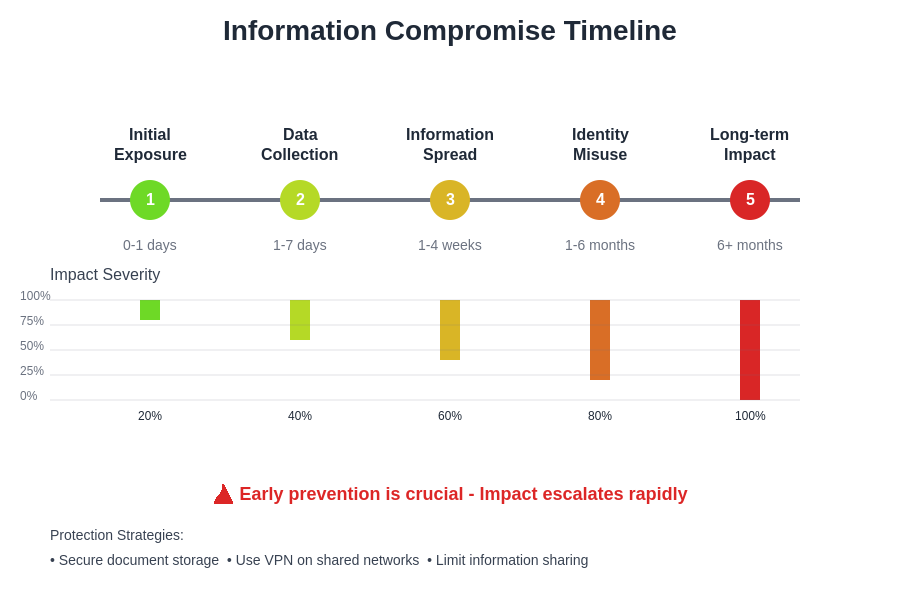
Understanding how quickly personal information compromise can escalate from minor exposure to serious long-term consequences helps residents recognize the importance of immediate protective action when potential breaches are identified.
Protection Strategies and Risk Mitigation
Effective personal information protection in Tokyo sharehouses requires proactive implementation of multiple security measures that address both digital and physical vulnerabilities while maintaining positive community relationships. How to handle roommate conflicts without moving out provides insights into maintaining privacy boundaries while preserving community harmony.
Document security measures should include secure storage solutions, limited copying practices, and careful control of information sharing even in apparently trustworthy community environments. The establishment of clear privacy boundaries and communication of security expectations can help prevent inadvertent information sharing while maintaining positive relationships with housemates.
Digital security practices must address both individual device protection and shared network vulnerabilities through encryption, secure communication channels, and careful consideration of information sharing through digital platforms. Regular security audits and password management become particularly important in shared living environments with multiple potential access points.
The development of information sharing protocols that balance community participation with privacy protection requires ongoing communication and mutual respect for individual boundaries while contributing to positive community dynamics. Understanding legal rights and protections available under Japanese privacy law can provide additional security and recourse options when privacy breaches occur.
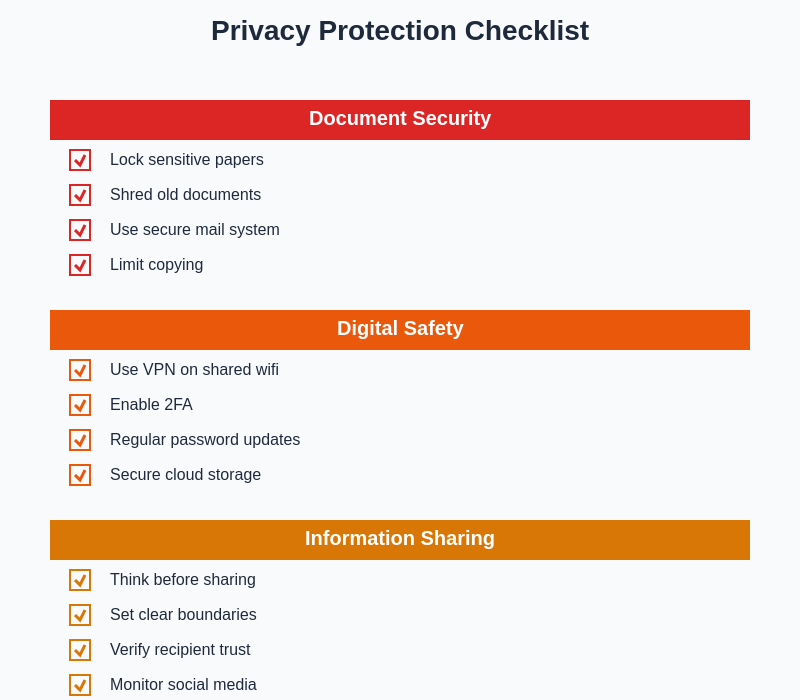
Implementing comprehensive protection strategies requires systematic attention to multiple vulnerability areas, with regular review and updates to address evolving risks and new threats that emerge in shared living environments.
Personal information compromise in Tokyo sharehouses represents a complex challenge that requires ongoing vigilance and proactive protection measures. The unique vulnerabilities created by shared living arrangements demand heightened awareness and careful consideration of information sharing practices that may seem harmless in isolation but create significant cumulative risks when combined with other exposures common in sharehouse environments.
Disclaimer
This article is for informational purposes only and does not constitute legal or security advice. Privacy protection strategies may vary based on individual circumstances, local laws, and specific sharehouse arrangements. Readers should consult with appropriate professionals for personalized advice regarding privacy protection and data security in their specific situations. The effectiveness of security measures may vary depending on implementation and environmental factors.