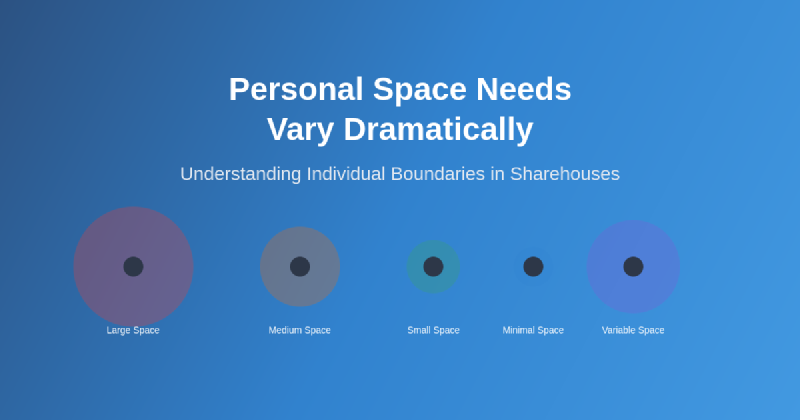
The concept of personal space represents one of the most fundamental yet misunderstood aspects of sharehouse living in Tokyo, where individuals from dramatically different cultural backgrounds, personality types, and life experiences must navigate complex social boundaries within confined living spaces. What constitutes comfortable personal space for one resident can feel either suffocatingly restrictive or uncomfortably invasive to another, creating a delicate balance that requires constant negotiation and mutual understanding among housemates.
The variations in personal space needs extend far beyond simple cultural stereotypes, encompassing intricate combinations of individual psychology, past experiences, current life circumstances, and evolving social comfort levels that can change dramatically over time. Understanding these differences becomes essential for creating harmonious living environments where all residents can thrive while respecting the diverse needs and boundaries of their housemates.
Cultural Foundations of Space Perception
Cultural backgrounds profoundly influence how individuals perceive and require personal space, with different societies establishing distinct norms around physical proximity, privacy expectations, and social interaction boundaries that residents unconsciously carry into their sharehouse experiences. Living with Japanese roommates in Tokyo sharehouses reveals how these cultural foundations can create both enriching exchanges and challenging adjustments for international residents.
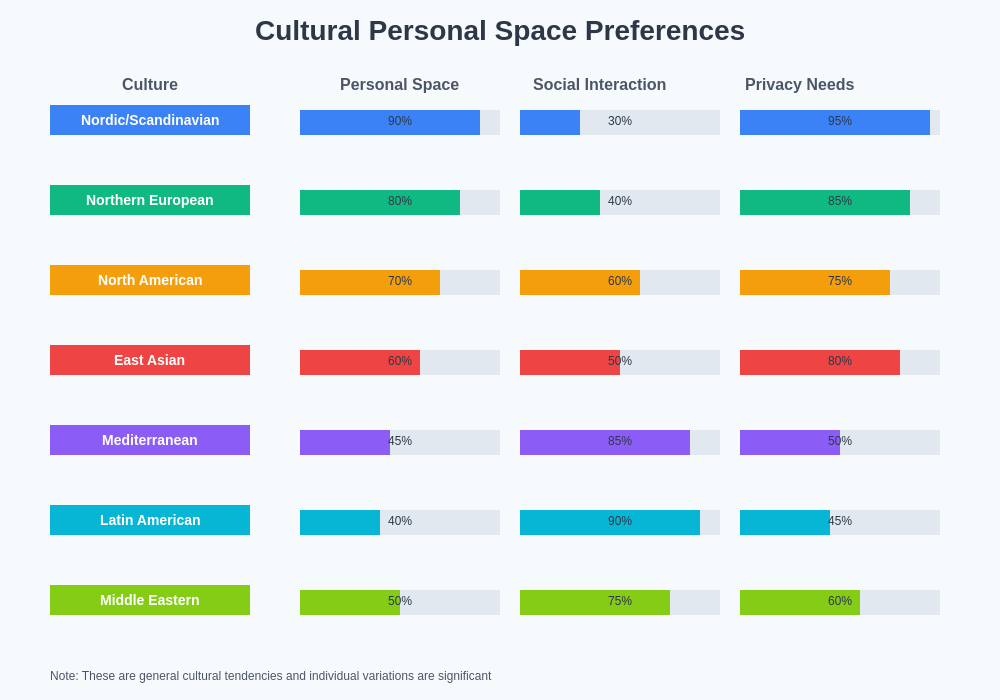
Northern European and Scandinavian cultures typically emphasize larger personal space requirements, with individuals feeling comfortable maintaining greater physical distances during conversations and preferring more solitude time for mental restoration. These residents often struggle initially with the close quarters and frequent social interactions that characterize many Tokyo sharehouses, requiring gradual adjustment periods to develop comfort with reduced privacy levels.
Mediterranean and Latin American cultures generally embrace closer physical proximity and more frequent social contact, with residents from these backgrounds often thriving in the communal aspects of sharehouse living while potentially overwhelming housemates who prefer more reserved social interactions. The warmth and openness that characterizes these cultural approaches can create wonderful community atmospheres when balanced appropriately with respect for others’ boundaries.
Asian cultural contexts present particularly complex dynamics in Tokyo sharehouses, as residents from different Asian countries bring varying expectations about hierarchy, group harmony, and individual expression that can significantly impact personal space negotiations. Japanese cultural norms around reading social cues and maintaining appropriate distances often contrast with more direct communication styles from other cultures, creating opportunities for both misunderstanding and mutual learning.
Personality-Driven Space Requirements
Individual personality types create perhaps the most significant variations in personal space needs, with introverted and extroverted tendencies manifesting in dramatically different preferences for social interaction frequency, quiet time requirements, and physical space utilization patterns. How age differences impact sharehouse compatibility explores how personality factors combine with life stage differences to create complex living dynamics.
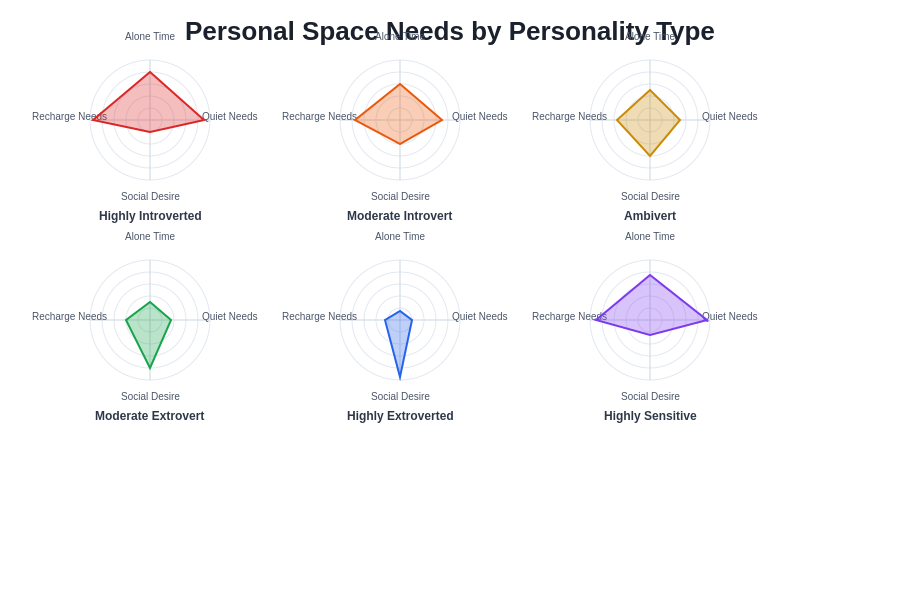
Introverted residents typically require substantial periods of uninterrupted solitude to recharge mentally and emotionally, often needing private spaces where they can retreat from social stimulation without feeling guilty or antisocial. These individuals may struggle with open-door policies, frequent common area activities, and housemates who interpret their need for alone time as unfriendliness or disengagement from the community.
Extroverted personalities generally thrive on regular social interaction and may feel isolated or rejected when housemates maintain strong boundaries around personal time and space. These residents often initiate group activities, prefer shared meals and entertainment, and may inadvertently overwhelm more reserved housemates with their enthusiasm for community building and social connection.
Highly sensitive individuals experience sensory processing differences that dramatically affect their personal space requirements, needing greater control over environmental factors such as noise levels, lighting, scents, and visual stimulation. How noise pollution affects sleep quality addresses one aspect of how environmental sensitivity impacts daily living comfort and personal space needs.
Life Stage and Circumstantial Influences
Personal space requirements fluctuate significantly based on current life circumstances, stress levels, relationship status, and career demands that can temporarily or permanently alter an individual’s comfort with social interaction and privacy needs. Dating while living in Tokyo sharehouses examines how romantic relationships introduce new dynamics to personal space considerations within shared living environments.
Students facing academic pressures often experience heightened needs for quiet study spaces and reduced social obligations during exam periods, requiring housemates to understand and accommodate temporary increases in personal space requirements. The cyclical nature of academic stress means these needs fluctuate throughout the year, demanding flexibility and communication from all residents.
Working professionals dealing with demanding careers or job searches may need increased privacy for phone calls, video conferences, and mental decompression time that allows them to separate work stress from home environment. How client meetings become impossible at home highlights how professional requirements can conflict with shared living arrangements.
Individuals experiencing relationship transitions, family issues, or personal crises often require modified personal space arrangements that provide emotional safety and reduced social pressure during vulnerable periods. Understanding that these needs represent temporary adjustments rather than permanent personality changes helps housemates provide appropriate support without taking space requirements personally.
Physical Space Utilization Patterns
The physical manifestation of personal space needs varies dramatically in how individuals use and organize their private rooms, interact with common areas, and establish territorial boundaries within shared environments. How limited storage forces you to live minimally explores how physical constraints affect personal space organization and comfort levels.
Minimalist residents often prefer sparse, organized environments with clear boundaries and limited personal belongings, finding peace in simplified surroundings that reduce visual stimulation and maintenance requirements. These individuals may feel overwhelmed in cluttered common areas or frustrated by housemates who spread belongings throughout shared spaces.
Maximalist personalities typically surround themselves with personal belongings, decorations, and comfort items that create psychological safety through familiar objects and personalized environments. These residents may struggle with strict storage limitations and feel constrained by rules that prevent them from creating the nest-like environments they need for emotional comfort.
Territorial marking behaviors manifest differently across residents, with some requiring clearly defined personal areas that remain undisturbed while others feel comfortable with fluid boundaries and shared usage of spaces and belongings. How personal belongings disappear despite locks addresses security concerns that can intensify territorial feelings and personal space protection needs.
Communication Style Impacts on Space Boundaries
Different communication preferences significantly influence how personal space needs are expressed, negotiated, and respected within sharehouse communities, with direct versus indirect communication styles creating varying levels of clarity around boundaries and expectations. How cultural communication styles create misunderstandings examines these dynamics in detail.
Direct communicators typically express their personal space needs clearly and explicitly, making requests for quiet time, privacy, or territorial boundaries in straightforward terms that leave little room for misinterpretation. While this approach can initially seem blunt or demanding to housemates from more indirect communication cultures, it ultimately provides clarity that prevents ongoing friction and misunderstanding.
Indirect communicators often express personal space needs through subtle cues, body language, and contextual hints that may be overlooked or misinterpreted by housemates who are not attuned to these communication styles. These individuals may suffer in silence when their space needs are not recognized, leading to accumulated resentment and eventual conflict that could have been prevented through clearer communication.
Non-verbal communication plays a crucial role in personal space negotiations, with physical positioning, facial expressions, and energy levels providing important information about comfort levels and boundaries that supplement verbal communication. How body language differs between cultures explores these subtle but important aspects of space-related communication.
Adaptation Strategies and Flexibility Development
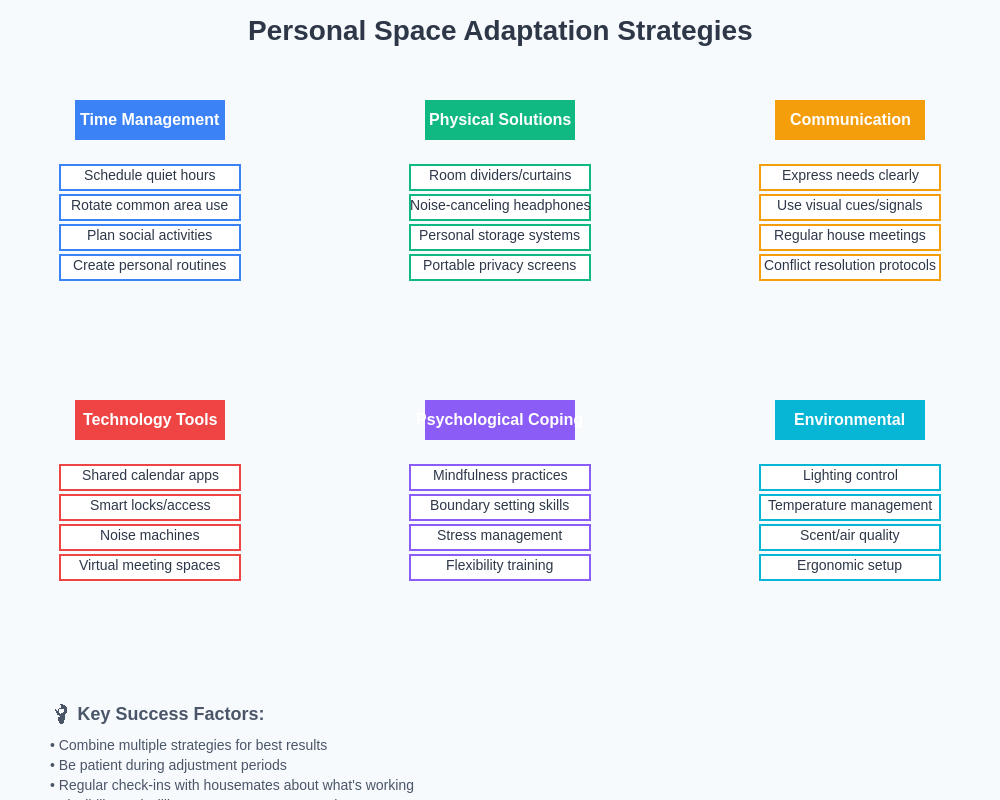
Successful sharehouse living requires developing adaptive strategies that allow individuals to meet their personal space needs while remaining flexible enough to accommodate the varying requirements of their housemates. How to handle roommate conflicts without moving out provides practical approaches for navigating space-related disagreements.
Scheduling systems can help residents coordinate the use of common areas to ensure everyone has access to shared spaces when they need different types of environments for studying, socializing, or relaxing. Creating informal agreements about quiet hours, social times, and individual space usage prevents conflicts while accommodating diverse needs throughout different parts of each day.
Compromise techniques involve finding creative solutions that partially meet everyone’s needs rather than expecting perfect accommodation of individual preferences. This might include establishing quiet zones within common areas, rotating responsibility for social activities, or creating flexible boundaries that can be adjusted based on changing circumstances and seasonal needs.
Personal coping mechanisms help individuals manage situations where their ideal personal space requirements cannot be fully met, developing resilience and alternative strategies for maintaining emotional balance and comfort. These might include utilizing outdoor spaces, establishing routines that provide predictable private time, or developing internal resources for managing overstimulation or understimulation.
Technology’s Role in Space Management
Modern technology offers various tools and solutions that can help residents manage personal space needs more effectively while maintaining community connections and respecting boundaries. How smart locks change sharehouse security explores one aspect of how technology can enhance personal space control and security.
Noise-canceling headphones and white noise machines provide personal sound environments that allow individuals to create psychological privacy even in shared physical spaces, reducing the impact of environmental noise and conversation on those who need quiet for concentration or relaxation. These tools can be particularly valuable for residents with high sensitivity to auditory stimulation.
Scheduling applications and shared calendars help housemates coordinate space usage, plan activities, and communicate availability in ways that respect everyone’s needs for both social interaction and private time. Digital communication can supplement face-to-face interaction for residents who find constant verbal communication draining or overwhelming.
Virtual private spaces through online communities, video calls with friends and family, and digital entertainment provide alternative outlets for social needs and personal expression that can reduce pressure on physical shared spaces. These virtual connections can be particularly valuable for residents whose personal space needs limit their capacity for constant in-person interaction.
Seasonal and Environmental Factors
Personal space requirements often fluctuate based on seasonal changes, weather conditions, and environmental factors that affect mood, energy levels, and social preferences throughout the year. How summer heat makes small rooms unbearable examines how physical comfort impacts space utilization and social interaction patterns.
Winter months may increase desires for cozy social interaction and shared warmth, with residents naturally gravitating toward common areas and group activities that provide both physical and emotional comfort during cold, dark periods. However, these same conditions can also intensify needs for privacy and solitude as seasonal depression and reduced outdoor options create additional psychological pressure.
Summer heat can drive residents to seek cooler common areas with better ventilation and air conditioning while simultaneously creating irritability and reduced tolerance for close physical proximity that affects personal space comfort levels. The pressure of being confined to air-conditioned spaces can intensify social friction and highlight existing differences in personal space preferences.
Rainy seasons and extended periods of indoor confinement test everyone’s adaptability and patience with reduced personal space options, requiring enhanced communication and flexibility as residents spend more time in shared indoor environments. How rainy season creates humidity problems addresses some of the physical challenges that compound personal space stress during these periods.
Long-term Evolution and Relationship Building
Personal space needs and comfort levels evolve significantly over time as residents develop deeper relationships, establish trust, and adapt to their living environment through extended cohabitation experiences. Making friends through Tokyo sharehouse communities explores how these evolving relationships affect space dynamics and boundary negotiations.
Initial adjustment periods typically involve heightened attention to personal space boundaries as residents establish their place within the house hierarchy and test the social dynamics of their new living situation. During this time, most individuals maintain stronger boundaries and require more private time as they process the stress of major life changes and new social relationships.
Relationship deepening phases often allow for more relaxed personal space boundaries as trust develops and residents become more comfortable with physical proximity and social interaction. However, this process occurs at different rates for different individuals, requiring patience and understanding from housemates who may be ready for closer friendship before others feel comfortable reducing their privacy needs.
Burnout and space fatigue can occur even in positive living situations when residents experience prolonged periods of reduced privacy or feel unable to meet their changing personal space needs. Recognizing these cycles and allowing for temporary increases in boundary needs prevents relationship damage and maintains long-term living compatibility.
Understanding that personal space needs vary dramatically among sharehouse residents represents a crucial foundation for successful communal living experiences in Tokyo. Rather than viewing these differences as obstacles or incompatibilities, mature residents learn to appreciate the diverse perspectives and needs that create rich, dynamic communities where everyone can find ways to thrive while contributing to collective harmony and mutual respect.
Disclaimer
This article is for informational purposes only and does not constitute professional psychological or social advice. Personal space needs are highly individual and can be influenced by numerous factors including mental health, cultural background, and personal experiences. Readers should use their own judgment and seek professional guidance if experiencing significant difficulties with personal space management or interpersonal relationships in shared living situations.