Living in a Tokyo sharehouse creates an unprecedented laboratory for personal value examination and transformation that few other living situations can replicate. The intimate daily interactions with people from vastly different cultural backgrounds, belief systems, and life experiences forces residents to confront assumptions they may have never questioned before. This constant exposure to alternative perspectives becomes a powerful catalyst for personal growth that extends far beyond simple cultural awareness into fundamental shifts in how individuals understand themselves and their place in the world.
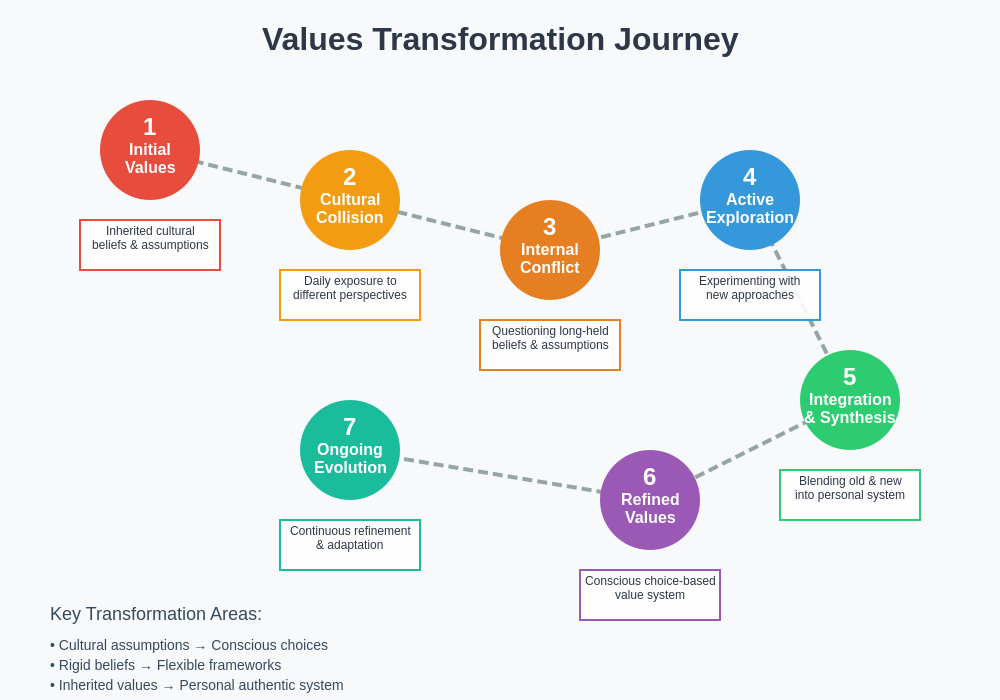
The process of value challenging and refinement in sharehouses occurs through subtle daily encounters rather than dramatic confrontations, making it both more accessible and more profound than traditional forms of personal development. Residents often find themselves questioning long-held beliefs about everything from work-life balance and family obligations to environmental responsibility and social justice, discovering that their previously unexamined assumptions represent just one of many valid approaches to navigating life’s complexities.
The Collision of Cultural Value Systems
Tokyo sharehouses serve as unique cultural melting pots where residents from dozens of different countries bring their distinct value systems into close proximity, creating inevitable friction and unexpected harmony in equal measure. Living with Japanese roommates in Tokyo sharehouses introduces many international residents to concepts like group harmony over individual expression that can fundamentally challenge Western notions of personal freedom and self-assertion.
The daily negotiations around shared spaces reveal deep-seated cultural programming that most people never recognize until forced to defend or explain their positions to someone who operates from completely different assumptions. Simple decisions about kitchen cleanliness standards, noise levels, or guest policies become windows into complex cultural frameworks that prioritize different aspects of human interaction and community responsibility.
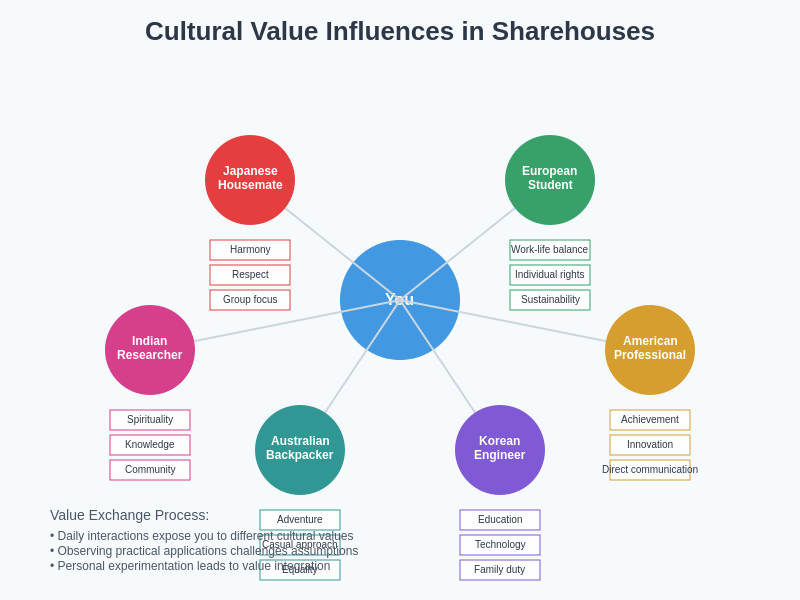
European residents might discover that their casual approach to personal space conflicts with Asian concepts of formal respect, while American individualistic values clash with Scandinavian collective responsibility expectations. These daily micro-conflicts force residents to examine whether their cultural conditioning truly serves them or simply represents inherited patterns they’ve never consciously chosen to embrace or reject.
Confronting Economic and Lifestyle Assumptions
Financial values and lifestyle priorities undergo intense scrutiny when residents observe how people from different economic backgrounds approach money, work, and personal satisfaction. How much Tokyo sharehouses really cost per month becomes just the starting point for deeper conversations about what constitutes necessary versus luxury spending and how financial security relates to personal happiness.
Residents from affluent backgrounds might witness how others achieve contentment with significantly fewer material possessions, challenging assumptions about the relationship between consumption and well-being. Conversely, those from more modest circumstances may encounter different attitudes toward investment, career ambition, and long-term financial planning that expand their understanding of economic possibility and responsibility.
The sharehouse environment makes these economic differences visible and discussible in ways that segregated housing arrangements never could, forcing residents to articulate and defend spending priorities they may have never consciously examined. Watching a housemate choose to spend money on experiences rather than possessions, or witnessing someone delay gratification for long-term goals, provides concrete examples of alternative value systems in action.
Navigating Religious and Spiritual Differences
Religious and spiritual diversity in Tokyo sharehouses creates opportunities for profound value examination that many residents never anticipated when choosing shared accommodation. Japanese sharehouse rules every foreigner should know often include guidelines about religious practices that force residents to negotiate sacred versus secular space in ways that challenge both believers and non-believers.
Living alongside people who organize their daily routines around prayer schedules, dietary restrictions, or meditation practices exposes residents to the practical implications of spiritual commitment in ways that theoretical knowledge cannot provide. Witnessing the peace and structure that religious practice brings to some housemates might inspire previously secular residents to explore spiritual dimensions of their own lives, while observing religious flexibility might challenge more rigid interpretations of faith.
The intimate setting of shared living makes religious differences personal rather than abstract, as residents witness how spiritual values translate into everyday decisions about relationships, career choices, and personal behavior. These observations often prompt deep reflection about meaning, purpose, and moral frameworks that extend far beyond specific religious doctrines into fundamental questions about human existence and responsibility.
Environmental Values Under Daily Scrutiny
Environmental consciousness becomes a living laboratory for value examination as residents witness dramatically different approaches to consumption, waste, and resource usage. Why environmental consciousness varies by generation becomes immediately apparent when multiple age groups share refrigerators, utilities, and purchasing decisions that reveal underlying assumptions about individual versus collective environmental responsibility.
Daily choices about food waste, energy consumption, and transportation methods become visible to housemates in ways that private living arrangements conceal, creating natural accountability and learning opportunities. Residents who previously considered themselves environmentally conscious might discover that others achieve much lower carbon footprints through strategies they had never considered, while those who prioritized convenience over environmental impact may find themselves inspired by housemates who demonstrate that sustainable living can be both practical and satisfying.
The sharehouse setting makes environmental values concrete and measurable, as residents can directly observe the cumulative impact of different lifestyle choices on utility bills, waste production, and overall household resource consumption. This visibility often prompts residents to examine whether their stated environmental values align with their actual behavior patterns and to experiment with changes that seemed too difficult or inconvenient when attempted in isolation.
Social Justice and Political Awakening
Political and social justice values undergo significant examination when residents from different socioeconomic backgrounds, nationalities, and life experiences share daily conversations about current events, social policies, and human rights issues. Making friends through Tokyo sharehouse communities often involves navigating political differences that challenge residents to examine their assumptions about fairness, equality, and social responsibility.
Living with people who have experienced different educational systems, healthcare arrangements, and governmental policies provides concrete examples of alternative approaches to social organization that can challenge both conservative and progressive political assumptions. Residents might discover that their political positions were based on limited exposure to alternative systems rather than careful consideration of different approaches to human welfare and social organization.
The personal relationships formed in sharehouses make political differences more nuanced and less adversarial than typical political discourse, as residents witness how thoughtful people can reach different conclusions about complex social issues while maintaining mutual respect and genuine care for each other’s welfare. This experience often leads to more sophisticated political thinking that embraces complexity and rejects simplistic ideological positions.
Work-Life Balance Paradigm Shifts
Professional values and career priorities undergo intense examination when residents observe how people from different cultural backgrounds approach work satisfaction, career advancement, and life balance. Student sharehouses near top Tokyo universities exposes residents to academic cultures that prioritize different aspects of education and professional development.
European residents might witness Asian approaches to career dedication that challenge Western assumptions about work-life boundaries, while Americans might observe Scandinavian approaches to collective welfare that question individual achievement paradigms. These daily observations of different professional philosophies force residents to examine whether their career values truly reflect personal priorities or simply inherited cultural programming.
The sharehouse environment provides concrete examples of how different professional approaches affect daily life satisfaction, relationship quality, and long-term goal achievement. Residents can observe the actual consequences of various career strategies played out in the lives of people they know personally, providing much more nuanced understanding than abstract career advice or cultural generalizations.
Relationship and Family Value Evolution
Concepts about romantic relationships, family obligations, and interpersonal boundaries undergo significant evolution through daily exposure to diverse relationship models and family structures. Dating while living in Tokyo sharehouses becomes more complex when residents observe how people from different cultural backgrounds navigate romantic relationships, family expectations, and personal autonomy.
Living with people who maintain different relationships with parents, siblings, and extended family members provides concrete examples of alternative approaches to family obligation and personal independence. Residents might discover that their assumptions about healthy relationship boundaries were culturally specific rather than universally applicable, or that family structures they had never considered could provide different forms of support and satisfaction.
The intimate setting of shared living makes relationship values visible and discussible in ways that more formal social interactions cannot achieve, as residents witness how different approaches to romantic partnership, friendship, and family responsibility affect daily happiness and long-term life satisfaction.
Personal Responsibility and Community Balance
Individual versus collective responsibility values undergo constant examination as residents navigate shared resources, common spaces, and group decision-making processes. How to handle roommate conflicts without moving out requires residents to balance personal needs with community harmony in ways that challenge both individualistic and collectivistic value systems.
Daily negotiations about cleaning responsibilities, noise levels, and shared expenses force residents to examine their assumptions about personal responsibility and collective obligation. Those from highly individualistic cultures might discover the benefits of collective decision-making and shared accountability, while residents from more collective backgrounds might explore the importance of personal boundaries and individual expression.
The sharehouse setting provides immediate feedback on the practical consequences of different approaches to community responsibility, allowing residents to experiment with value systems that seemed foreign or uncomfortable in theoretical discussion but prove workable and satisfying in daily practice.
Health and Wellness Philosophy Transformation
Approaches to physical health, mental wellness, and self-care undergo examination through exposure to diverse lifestyle practices and wellness philosophies. Why some residents develop better stress management techniques becomes apparent as residents witness different strategies for maintaining physical and emotional balance in challenging urban environments.
Living with people who prioritize different aspects of health maintenance provides concrete examples of alternative approaches to wellness that residents might never have encountered in more homogeneous social environments. Those who focused primarily on physical fitness might discover the mental health benefits of meditation or creative expression, while residents who prioritized emotional wellness might explore the psychological benefits of physical discipline and athletic achievement.
The sharehouse environment makes health values practical and observable, as residents can witness the actual effects of different wellness strategies on daily energy levels, stress management, and overall life satisfaction. This direct observation often prompts residents to experiment with approaches they had previously dismissed or never considered.
Communication Style and Conflict Resolution Growth
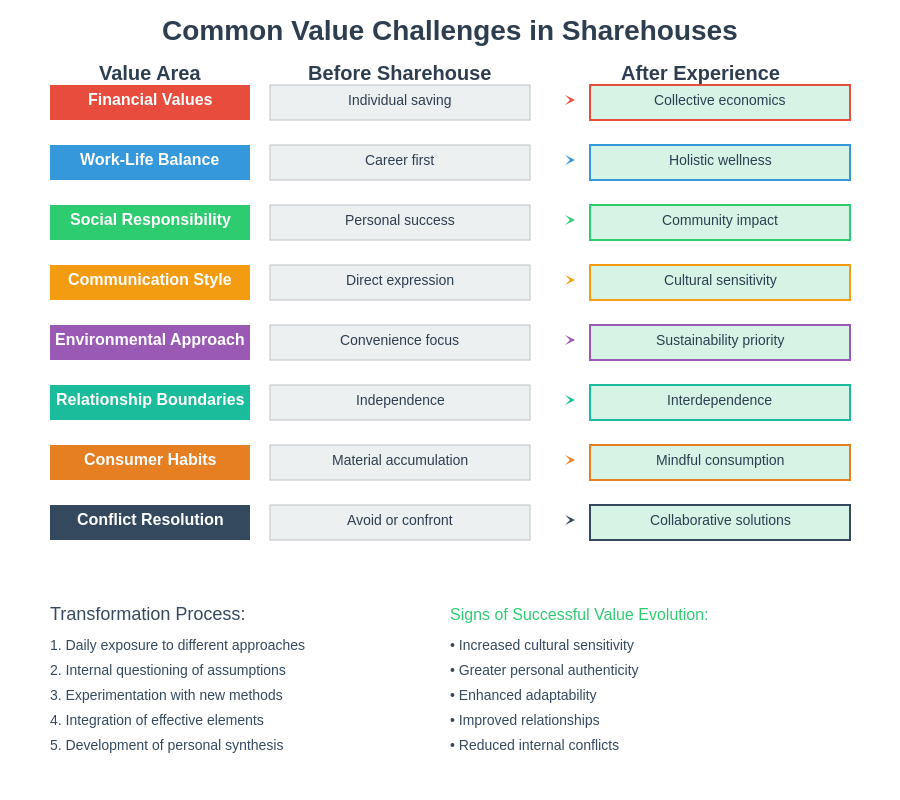
Communication values and conflict resolution approaches undergo significant development through daily negotiations with people who operate from different cultural communication frameworks. How cultural communication styles create misunderstandings forces residents to examine their assumptions about directness, politeness, and effective interpersonal interaction.
Residents from direct communication cultures might discover the benefits of indirect approaches that preserve face and maintain harmony, while those from more indirect backgrounds might explore the efficiency and clarity of straightforward expression. These daily communication experiments provide immediate feedback on the effectiveness of different approaches to human interaction and conflict resolution.
The intimate setting of shared living makes communication styles personal and consequential rather than abstract, as residents witness how different approaches to expressing needs, resolving disagreements, and maintaining relationships affect daily harmony and long-term community stability.
Consumer Values and Material Relationship Shifts
Attitudes toward consumption, material possessions, and lifestyle standards undergo examination through daily exposure to dramatically different approaches to acquiring and maintaining personal belongings. Why some residents prefer expensive convenience while others achieve satisfaction with minimal possessions challenges assumptions about the relationship between material comfort and personal happiness.
Living in close proximity to people with different spending priorities and consumption patterns provides concrete examples of alternative approaches to material security and lifestyle satisfaction. Residents might discover that happiness and comfort can be achieved through entirely different relationships with possessions, or that their previous consumption patterns reflected social pressure rather than genuine personal values.
The sharehouse environment makes consumer choices visible and discussible, as residents observe the actual effects of different approaches to spending, saving, and material accumulation on daily satisfaction and long-term goal achievement.
Technology and Privacy Boundary Evolution
Digital privacy expectations and technology usage patterns undergo examination through shared internet connections, common spaces, and different cultural approaches to digital boundaries. How digital entertainment replaces social interaction becomes a practical consideration when residents with different relationships to technology share living spaces.
Residents might discover that their assumptions about appropriate technology usage, digital privacy, and online social interaction were culturally specific rather than universal standards. Living with people who maintain different boundaries between digital and physical social interaction provides opportunities to experiment with alternative approaches to technology integration and digital wellness.
The shared living environment makes technology values concrete and negotiable, as residents must balance individual digital needs with collective harmony and find approaches to digital living that serve both personal productivity and community connection.
The profound value examination and refinement that occurs in Tokyo sharehouses represents one of the most accessible yet transformative personal development opportunities available to international residents. Through daily interactions with diverse perspectives, residents discover that many of their previously unquestioned assumptions about life, relationships, and success were simply inherited cultural programming that can be consciously examined, retained, modified, or replaced with approaches that better serve their authentic goals and values. This ongoing process of value refinement creates more thoughtful, flexible, and culturally competent individuals who can navigate an increasingly interconnected world with greater wisdom, empathy, and personal authenticity.
Disclaimer
This article is for informational purposes only and does not constitute professional psychological or counseling advice. Personal value examination and development occur differently for each individual, and the experiences described may vary significantly based on personality, background, and specific living situations. Readers experiencing significant personal distress during value transitions should consider consulting with qualified mental health professionals for personalized guidance and support.