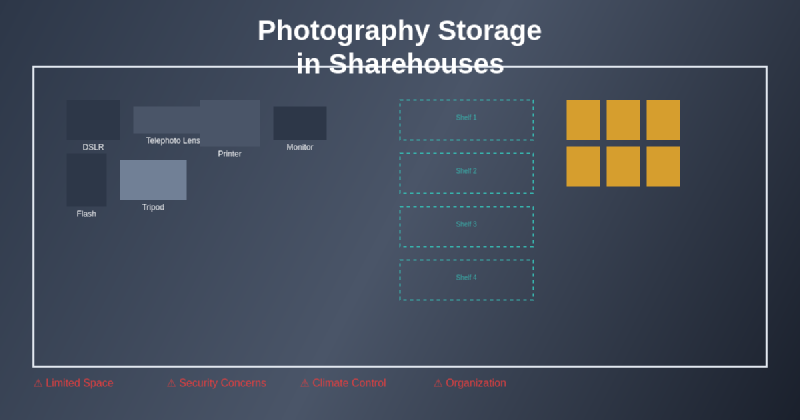
Photography enthusiasts living in Tokyo sharehouses face unique challenges when it comes to managing their equipment, workspace requirements, and storage needs within the confines of shared living spaces. The passion for capturing stunning images often comes with an accumulation of cameras, lenses, tripods, lighting equipment, and countless prints that demand significant storage solutions and organizational strategies that can strain the limited space available in typical sharehouse accommodations.
Understanding how photography hobbies impact your living space requirements becomes crucial when selecting a sharehouse and developing long-term strategies for pursuing your creative passion while maintaining harmony with housemates and respecting shared space limitations. The intersection of artistic pursuits and practical living considerations requires careful planning, creative storage solutions, and often compromise between ideal equipment access and realistic space constraints.
The Equipment Accumulation Challenge
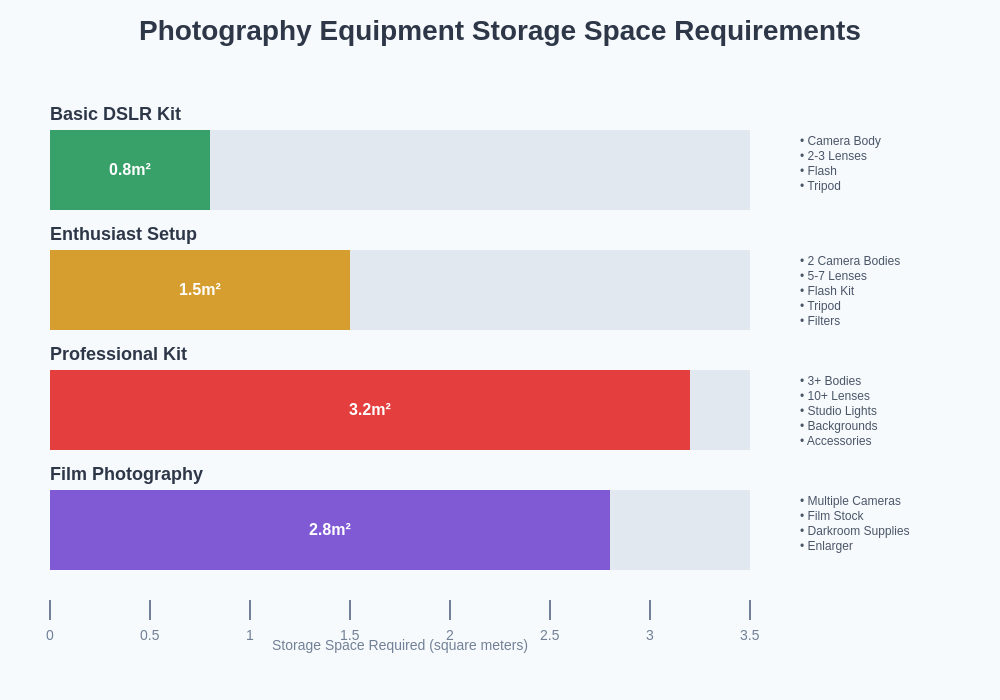
Photography as a hobby naturally leads to the gradual accumulation of equipment that can quickly overwhelm limited personal space in sharehouses. Camera bodies, multiple lenses, tripods, flash units, filters, memory cards, batteries, chargers, and cleaning supplies represent just the basic equipment collection that serious photographers typically maintain, with each item requiring secure storage and easy accessibility for spontaneous shooting opportunities.
The psychological aspect of equipment acquisition often drives photographers to collect specialized gear for different shooting scenarios, from macro photography requiring dedicated lenses and lighting equipment to landscape photography demanding weather protection gear and sturdy tripods. How personal belongings disappear despite locks highlights the importance of secure storage solutions for valuable photography equipment in shared living environments.
Vintage camera collectors and film photography enthusiasts face additional storage challenges with multiple camera bodies, film stock management, chemical storage for darkroom work, and enlarger equipment that requires dedicated workspace areas. The sentimental and monetary value of vintage equipment necessitates climate-controlled storage conditions that may not be readily available in standard sharehouse accommodations.
Digital photographers must also consider computer equipment, external hard drives, monitors, printing devices, and paper supplies that support their post-processing workflow and output requirements. The convergence of photography and technology creates storage demands that extend beyond traditional camera equipment into computing and printing infrastructure that requires permanent desk space and electrical access.
Workspace Requirements and Room Layout Considerations
Serious photography work demands dedicated workspace that extends beyond simple equipment storage to include areas for image review, editing, printing, and gear maintenance activities. Limited storage forces you to live minimally becomes particularly relevant for photographers who must balance their equipment needs with available space constraints in sharehouse accommodations.
The ergonomic requirements of photo editing work necessitate proper desk height, monitor positioning, and lighting conditions that may conflict with standard furniture arrangements in shared bedrooms. Extended editing sessions require comfortable seating, adequate ventilation, and noise control considerations that affect both the photographer’s productivity and their housemates’ comfort levels.
Studio photography enthusiasts face even greater spatial challenges when attempting to create controlled lighting environments within sharehouse rooms. Background support systems, lighting stands, reflectors, and model seating arrangements require significant floor space that may not be feasible in typical sharehouse room dimensions while maintaining basic living functionality.
The workflow of photography projects often involves spreading prints, contact sheets, or digital displays across large surface areas for comparison and selection processes. This working method conflicts with the multipurpose nature of sharehouse room furniture and may require creative solutions for temporary workspace expansion during intensive project periods.
Storage Solutions and Organization Strategies
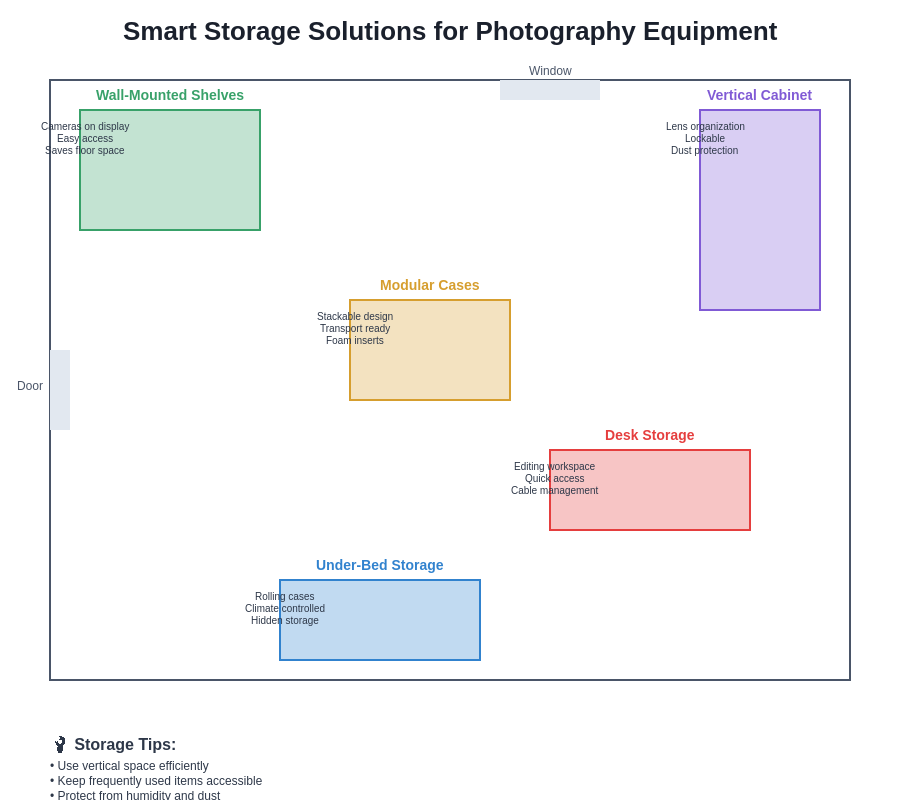
Effective storage solutions for photography equipment in sharehouses require vertical space utilization, modular organization systems, and climate protection measures that preserve equipment value while maximizing accessibility. How personal space needs vary dramatically explains how individual requirements for organization and accessibility can significantly impact room layout and storage decisions.
Professional camera bags and cases provide mobile storage solutions that enable equipment transportation while offering protection and organization when stored in limited closet or under-bed spaces. Pelican cases, Think Tank bags, and modular insert systems allow photographers to maintain organized equipment collections within defined spatial boundaries while ensuring protection from humidity and impact damage.
Wall-mounted storage systems maximize vertical space utilization through pegboard arrangements, floating shelves, and magnetic strips that keep frequently used items accessible while freeing floor and surface space for other activities. Custom shelving solutions can accommodate specific equipment dimensions while providing display opportunities that showcase camera collections as decorative elements within room design.
Humidity control becomes critical for equipment preservation in Tokyo’s variable climate conditions, requiring silica gel packs, airtight storage containers, and potentially dehumidifying equipment that adds to space and power requirements. How moisture control prevents mold growth addresses the importance of environmental control in shared living spaces, particularly relevant for protecting sensitive electronic equipment.
Print Storage and Display Considerations
Physical print collection management presents unique challenges for photographers who value tangible outputs of their work alongside digital archives. Print storage requires flat, dry conditions with protection from light exposure, dust, and handling damage that can be difficult to achieve in compact sharehouse rooms with limited furniture and storage options.
Archival storage solutions such as print boxes, portfolio cases, and flat file cabinets occupy significant floor space while providing necessary protection for valuable prints and artwork. The decision between accessibility and protection often forces photographers to choose between displaying their work and preserving it properly for long-term collection value.
Framing and display aspirations conflict with sharehouse wall policies, damage deposit concerns, and the temporary nature of rental accommodations. Guest policies affect your social life touches on how personal expression through room decoration and display may be limited by house rules and lease restrictions.
Digital printing equipment including large format printers, paper storage, and ink supplies require dedicated space and proper ventilation that may not be compatible with bedroom environments. The chemical odors from certain printing processes and the noise from printer operation can create conflicts with housemates and may violate house policies regarding equipment use in residential areas.
Shared Space Usage and Etiquette
Photography activities often extend beyond personal room boundaries into common areas for natural lighting access, larger workspace requirements, or social sharing of work with housemates. How art projects take over common areas explores the challenges of pursuing creative hobbies within shared living environments and the importance of respectful space usage.
Tripod setup in common areas for self-portraits, product photography, or video creation requires coordination with housemates and consideration of foot traffic patterns, safety concerns, and equipment security. The temporary nature of such setups demands quick assembly and breakdown capabilities while ensuring no damage to floors, walls, or furniture.
Lighting equipment use in shared spaces raises concerns about electrical load, heat generation, and potential fire hazards that may require permission from house management or violate safety regulations. Professional lighting equipment can draw significant power that overloads circuits designed for residential use, creating safety risks and potentially damaging house electrical systems.
The social dynamics of photography in sharehouses include opportunities for collaboration, skill sharing, and model availability among housemates, but also potential privacy concerns when residents become subjects or when equipment use disrupts normal social activities. How hobby space requirements vary by activity addresses the balance between personal interests and community living considerations.
Equipment Security and Insurance Considerations
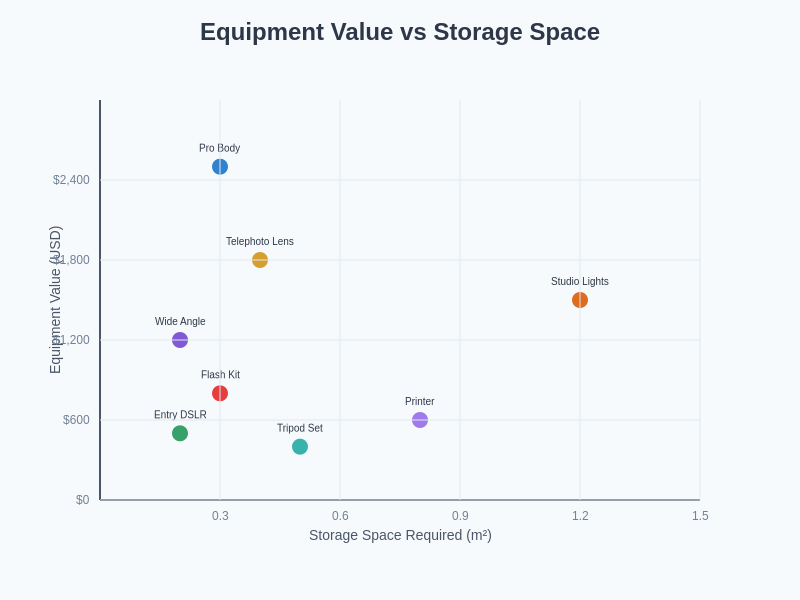
Photography equipment represents significant financial investment that requires security measures beyond standard personal belongings protection in sharehouse environments. How security deposits don’t cover theft losses highlights the importance of understanding liability limitations and developing independent protection strategies for valuable equipment.
High-value camera gear attracts theft risk that increases with equipment visibility and accessibility, requiring discrete storage solutions and potentially additional insurance coverage that may not be included in standard renter’s insurance policies. Equipment appraisal, documentation, and registration become important administrative tasks that photographers must maintain for insurance and recovery purposes.
Traveling with equipment for location shoots requires coordination with house security systems, key management, and communication with housemates about extended absences. How security cameras create false sense of safety discusses the limitations of typical sharehouse security measures and the need for individual responsibility in equipment protection.
The social aspect of equipment lending and borrowing among photography enthusiasts in sharehouses requires clear agreements about responsibility, damage liability, and replacement costs. Establishing ground rules for equipment sharing can enhance community bonds while protecting individual investments and preventing conflicts over expensive gear.
Climate Control and Environmental Protection
Tokyo’s humid climate conditions pose ongoing threats to photography equipment through condensation, mold growth, and electronic component degradation that require active environmental management within sharehouse rooms. How humidity control systems often fail explains the challenges of maintaining optimal storage conditions in shared living environments with limited climate control options.
Camera equipment storage requires consistent temperature and humidity levels that may conflict with personal comfort preferences and energy conservation efforts in sharehouses. Dedicated storage solutions such as dry cabinets or dehumidifying containers add to equipment costs and power consumption while occupying valuable room space.
Lens fungus prevention demands vigilant moisture management and regular equipment inspection that becomes more challenging in humid environments without dedicated storage facilities. The economic impact of fungus damage on valuable lenses can be substantial, making prevention efforts a critical aspect of equipment ownership in Tokyo’s climate.
Film storage presents additional challenges with temperature sensitivity, expiration date management, and chemical stability concerns that require refrigeration or freezer access that may not be available or appropriate in sharehouse kitchens. How refrigerator space wars are inevitable touches on the competition for cold storage space that could affect film photographers’ ability to properly preserve their materials.
Workflow Integration and Time Management
Photography workflows often require extended periods of concentrated work that may conflict with the social nature of sharehouse living and shared schedule coordination. How noise control becomes critical for career success addresses the importance of managing work activities that require focus and may produce noise or disturbance for other residents.
Batch processing workflows for image editing, printing, and file organization require uninterrupted time blocks that may be difficult to achieve in social living environments where common areas and shared resources compete for attention. The efficiency gains from dedicated work sessions must be balanced against the collaborative and social benefits of sharehouse community life.
Equipment maintenance schedules including sensor cleaning, lens calibration, and gear inspection require adequate lighting, clean workspace, and proper tools that may not be readily available in typical sharehouse room configurations. How cleaning responsibilities create house drama highlights how maintenance activities can create tensions when they impact shared spaces or cleaning expectations.
Project deadlines and client work requirements may necessitate priority access to workspace, electrical outlets, and internet bandwidth that could conflict with housemates’ needs and established sharing agreements. Professional photography work conducted from sharehouse accommodations requires clear communication and possibly formal agreements about space usage and priority access during critical project periods.
Technology Infrastructure and Connectivity
Modern photography workflows depend heavily on high-speed internet connectivity for cloud storage, client file transfers, and backup operations that may strain shared bandwidth resources in sharehouses. How device limits cause internet connection issues explains how multiple connected devices and data-intensive activities can impact overall network performance for all residents.
External hard drive collections, network-attached storage systems, and backup redundancy requirements demand ongoing power consumption and physical space that extends beyond basic computer equipment needs. The proliferation of storage devices reflects the data-intensive nature of digital photography and the importance of protecting work against equipment failure or data loss.
Color-accurate monitor calibration requires controlled lighting conditions and potentially specialized display equipment that may not be compatible with multipurpose room environments or shared electrical systems. Professional color accuracy demands specific ambient lighting levels that may conflict with general room illumination preferences and energy conservation efforts.
Printing workflow requirements including RIP software, color management systems, and printer driver compatibility may require dedicated computer systems or software installations that impact shared computer resources or violate software licensing agreements in shared environments.
Community Integration and Skill Sharing
Photography hobbies can enhance sharehouse community life through skill sharing opportunities, collaborative projects, and documentation of house events and friendships. Making friends through Tokyo sharehouse communities explores how shared interests and creative activities can strengthen social bonds and create lasting relationships among residents.
Teaching photography skills to interested housemates creates opportunities for community engagement while potentially reducing individual equipment costs through shared purchasing and usage agreements. Group photography outings, equipment sharing arrangements, and collaborative learning sessions can enhance the overall sharehouse experience while supporting individual creative development.
Social media documentation of sharehouse life requires sensitivity to privacy concerns and consent from housemates who may become subjects in photographs shared on public platforms. How social media impacts real-life relationships addresses the complexities of balancing creative expression with respect for privacy and community trust.
Portfolio development and professional networking opportunities may emerge through connections with housemates in related creative fields, leading to collaborative projects, referral opportunities, and shared learning experiences that enhance career development beyond individual artistic growth.
Long-term Planning and Equipment Evolution
Photography equipment needs evolve over time as skills develop, interests shift, and technology advances, requiring flexible storage solutions and space planning that can accommodate changing requirements within static sharehouse room limitations. How career changes affect sharehouse eligibility touches on how evolving professional needs may impact housing decisions and space requirements.
The decision between investing in higher-quality equipment versus accepting space limitations often forces photographers to prioritize versatility over specialization when building their gear collections. Multi-purpose equipment, compact alternatives, and rental options become strategies for managing space constraints while maintaining creative capabilities.
Transitioning between amateur and professional photography work may require workspace upgrades, additional storage capacity, and possibly dedicated areas for client meetings that exceed typical sharehouse room capabilities. Understanding when hobby requirements outgrow available space helps inform decisions about future housing transitions and career development planning.
Equipment disposal and upgrade cycles create opportunities for space recovery while potentially generating income through equipment sales that can offset storage solution investments or contribute to future gear purchases. How equipment storage becomes problematic addresses the ongoing challenge of managing evolving equipment collections within fixed space constraints.
The intersection of photography passion and sharehouse living demands creative problem-solving, respectful communication, and strategic planning that balances artistic pursuits with community living requirements. Success in managing photography hobbies within shared living environments depends on understanding space limitations, developing efficient storage solutions, and maintaining positive relationships with housemates while pursuing creative goals that enrich both individual and community experiences.
Disclaimer
This article is for informational purposes only and does not constitute professional advice regarding equipment storage, insurance, or property management. Photography equipment storage requirements vary significantly based on individual collections, room configurations, and house policies. Readers should consult with sharehouse management and insurance providers regarding specific storage needs and coverage options. The effectiveness of storage solutions may vary depending on equipment types, climate conditions, and individual usage patterns.