Photography as a hobby represents one of the most rewarding creative pursuits available to sharehouse residents, offering opportunities for artistic expression, skill development, and potential professional advancement. However, the intersection of photographic activities with shared living environments creates a complex web of privacy concerns that can significantly impact community dynamics, personal relationships, and the overall harmony within residential spaces. Understanding these challenges and developing appropriate strategies becomes essential for maintaining respectful coexistence while pursuing creative passions.
The modern landscape of photography has evolved dramatically with digital technology advances, making high-quality camera equipment more accessible and photography more prevalent among young adults living in shared accommodations. This democratization of photography, combined with social media culture and the growing gig economy, has led to increased numbers of sharehouse residents pursuing photography as both hobby and potential income source, intensifying the need for clear guidelines and mutual understanding regarding privacy boundaries.
Understanding Privacy Boundaries in Shared Spaces
The fundamental challenge of photography in sharehouses stems from the inherent tension between creative expression and personal privacy rights that residents expect within their living environment. Japanese sharehouse rules every foreigner should know often address basic privacy expectations, but photography-specific concerns require more nuanced consideration and explicit discussion among housemates.
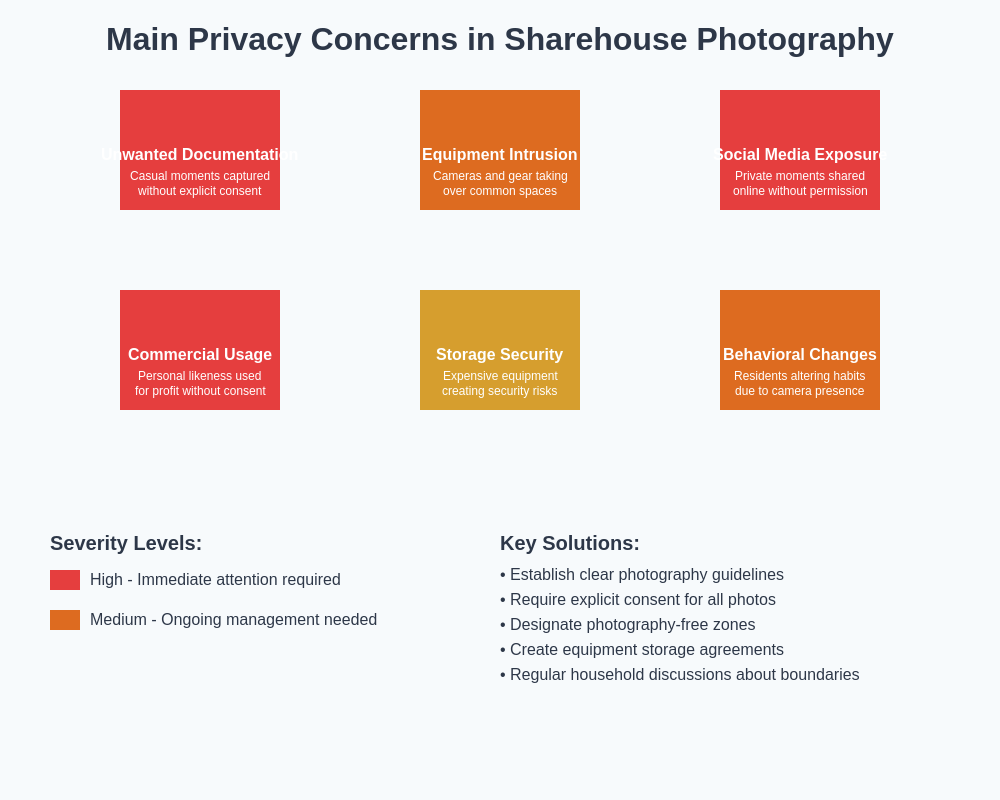
Common areas such as kitchens, living rooms, and outdoor spaces present particular challenges where the photographer’s desire to capture compelling images conflicts with other residents’ expectations of privacy and comfort in their home environment. The casual nature of shared living means residents often appear in various states of relaxation, dress, and activity that they would not necessarily want documented or potentially shared through social media or professional portfolios.
Personal belongings, living habits, and intimate moments of daily life become inadvertent subjects when photography equipment is regularly present in shared spaces. The psychological impact of knowing that cameras might capture candid moments can fundamentally alter how residents behave in their own homes, creating tension and discomfort that undermines the relaxed atmosphere that makes sharehouse living appealing.
Legal and Ethical Considerations in Japan
Japanese privacy laws and cultural expectations regarding photography create additional layers of complexity for international residents who may not fully understand local legal frameworks and social norms. Living with Japanese roommates in Tokyo sharehouses becomes particularly relevant when considering how cultural differences in privacy expectations can create misunderstandings and conflicts around photographic activities.
The concept of “portrait rights” in Japanese law provides individuals with protection against unauthorized use of their likeness, extending beyond simple consent to include considerations of dignity, reputation, and commercial exploitation. Even casual photography within sharehouses can potentially violate these rights if images are shared publicly or used commercially without explicit permission from all identifiable individuals.
Property rights and building policies add another dimension to photography restrictions, as many sharehouse operators and building owners have specific policies regarding commercial activities, equipment storage, and activities that might disturb other residents. Understanding these legal boundaries prevents costly violations and maintains positive relationships with property management and fellow residents.
Equipment Storage and Space Management Issues
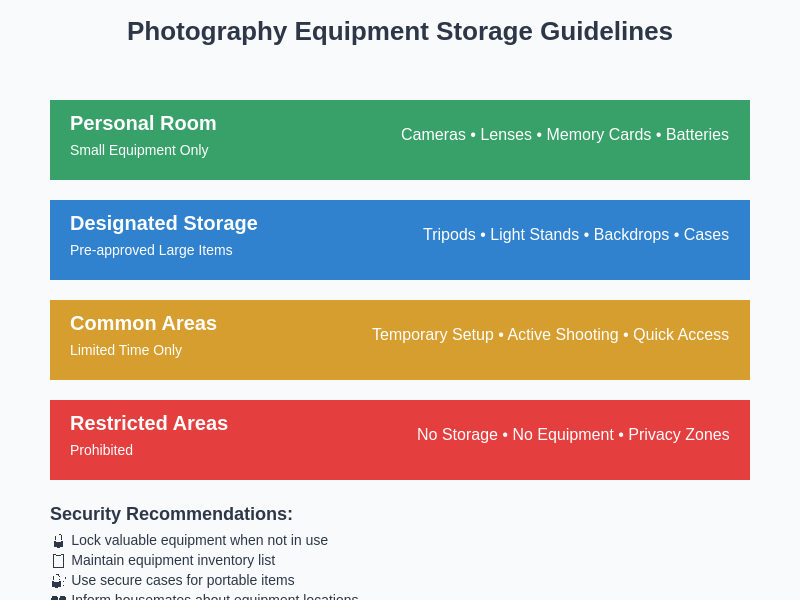
Photography equipment presents significant storage challenges in space-constrained sharehouse environments where personal belongings must be carefully managed to maintain comfortable living conditions for all residents. How personal space needs vary dramatically becomes particularly relevant when considering how camera equipment, lighting gear, and accessories can overwhelm shared storage areas and personal room space.
Large equipment such as tripods, lighting stands, backdrops, and camera bags requires substantial storage space that may not be readily available in typical sharehouse room configurations. The temporary setup and breakdown of equipment in common areas for photography sessions can disrupt normal household routines and limit other residents’ access to shared spaces during extended periods.
The value and portability of photography equipment also creates security concerns that affect entire household dynamics. Expensive cameras, lenses, and accessories require secure storage solutions that may not align with the open, communal atmosphere that many sharehouses strive to maintain. Insurance considerations and liability issues arise when valuable equipment is stored in shared environments with multiple residents having varying levels of access.
Impact on Household Social Dynamics
The presence of photography activities and equipment can fundamentally alter social dynamics within sharehouse communities, creating hierarchies, tensions, and behavioral changes that affect everyone’s living experience. Making friends through Tokyo sharehouse communities becomes more complex when photography introduces elements of performance, self-consciousness, and potential commercial interests into previously casual social interactions.
Residents may feel pressure to maintain certain appearance standards or modify their behavior when they know photography equipment is present and active. This constant awareness of potential documentation can inhibit the natural, relaxed interactions that form the foundation of successful sharehouse communities, replacing spontaneous socialization with calculated, camera-conscious behavior.
The photographer’s focus on capturing compelling images may inadvertently exclude or marginalize residents who prefer privacy or feel uncomfortable being photographed. Over time, this can create divisions within the household between those who embrace the photography activities and those who feel their comfort and privacy are being compromised for someone else’s creative pursuits.
Commercial Photography and Income Generation
The line between hobby photography and commercial activity becomes increasingly blurred as residents explore photography as a potential income source, creating additional complications for household management and resident relationships. How career changes affect sharehouse eligibility relates to situations where photography transitions from casual hobby to serious business venture requiring different considerations.
Professional photography sessions, client meetings, and commercial shoots conducted within sharehouse premises raise questions about appropriate use of shared spaces, noise levels, disruption to other residents, and potential violations of residential lease agreements that prohibit commercial activities. The increased foot traffic from clients, models, and assistants can compromise security and privacy for all residents.
Revenue generation from photography that utilizes shared spaces or inadvertently includes other residents in marketable content creates ethical dilemmas about compensation, consent, and fair use of communal resources. These situations require clear agreements and ongoing communication to prevent exploitation and maintain fairness within the household community.
Technology and Digital Privacy Concerns
Modern digital photography introduces sophisticated privacy challenges that extend beyond traditional concerns about physical image capture to include metadata, cloud storage, and digital distribution considerations. How digital contracts are still uncommon reflects broader issues with technology adoption in housing contexts that can leave residents vulnerable to digital privacy violations.
Automatic cloud synchronization features in modern cameras and smartphones mean that images captured in sharehouses may be immediately uploaded to online services, potentially exposing private moments and personal information beyond the photographer’s immediate control. Location metadata embedded in digital images can reveal specific addresses and timing information that compromises household security.
Social media integration and automated sharing features create additional pathways for unintended privacy violations, as images intended for personal use may be inadvertently shared through various online platforms. The permanent nature of digital images and their potential for viral distribution amplifies the consequences of privacy violations beyond immediate household relationships.
Establishing Photography Guidelines and Agreements
Successful navigation of photography-related privacy concerns requires proactive establishment of clear guidelines, mutual agreements, and ongoing communication processes that balance creative freedom with privacy protection and community harmony. How written house rules get misinterpreted highlights the importance of clear, specific language when addressing photography policies within sharehouse communities.
Comprehensive photography agreements should address consent procedures, equipment storage limitations, restricted areas and times, commercial activity policies, and consequences for violations. These agreements must be revisited regularly as household composition changes and photography activities evolve, ensuring ongoing relevance and mutual understanding among all residents.
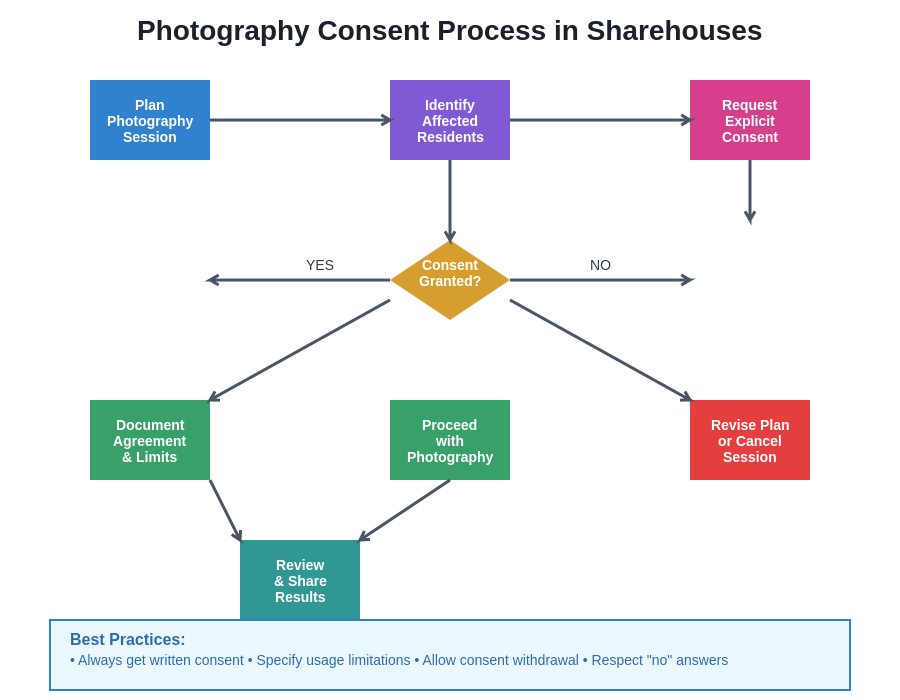
Consent mechanisms should extend beyond simple verbal agreements to include written documentation of permissions, limitations, and usage rights for any images that might include other residents or their belongings. Regular check-ins and feedback sessions help identify emerging concerns before they escalate into serious conflicts that damage household relationships.
Balancing Creative Expression with Community Needs
The challenge of maintaining vibrant creative communities within shared living environments requires thoughtful balance between supporting individual artistic pursuits and protecting collective privacy and comfort needs. How creativity communities form in artist-friendly spaces demonstrates how proper management can create environments where creative activities enhance rather than threaten community cohesion.
Designated photography areas, scheduled shooting times, and collaborative project opportunities can provide outlets for creative expression while minimizing disruption and privacy concerns for other residents. Community involvement in photography projects through voluntary participation can transform potential sources of conflict into bonding experiences that strengthen household relationships.
Alternative solutions such as external studio rentals, public space photography, and collaborative equipment sharing arrangements can address storage and space constraints while maintaining creative opportunities. These approaches demonstrate respect for household privacy while supporting artistic development and community building through shared creative interests.
Cultural Sensitivity and International Perspectives
Photography practices and privacy expectations vary significantly across cultures, creating additional complexity in international sharehouse communities where residents bring diverse backgrounds and assumptions about appropriate behavior and privacy boundaries. How cultural differences affect friendship building becomes particularly relevant when photography activities intersect with varying cultural norms and expectations.
Some cultures embrace documentation and sharing of daily life activities, while others maintain strict privacy boundaries around personal spaces and activities. Understanding and respecting these differences requires ongoing dialogue, cultural education, and flexible approaches that accommodate diverse comfort levels and expectations within the same household community.
Religious considerations, family expectations, and professional implications of being photographed add additional layers to cultural sensitivity requirements. Photographers must navigate these complex considerations while maintaining their creative pursuits and contributing positively to household community building and cross-cultural understanding.
Legal Remedies and Conflict Resolution
When photography-related privacy violations occur despite preventive measures and agreements, residents need access to effective conflict resolution mechanisms and legal remedies that protect their rights while preserving household relationships where possible. How to handle roommate conflicts without moving out provides valuable frameworks for addressing these sensitive situations constructively.
Mediation services, house meetings, and graduated response systems can address privacy violations before they escalate to legal action or housing changes. These approaches focus on education, understanding, and behavioral modification rather than punishment, helping maintain community cohesion while addressing legitimate privacy concerns.
Legal consultation and documentation of violations may become necessary in cases involving repeated violations, commercial exploitation, or significant privacy breaches that cannot be resolved through internal household mechanisms. Understanding available legal remedies and documentation requirements helps residents protect their rights while navigating complex interpersonal and legal situations.
Future Considerations and Evolving Technology
The rapid evolution of photography technology, social media platforms, and privacy regulations continues to create new challenges and opportunities for managing photography activities in shared living environments. Emerging technologies such as artificial intelligence-powered cameras, augmented reality applications, and automated content generation will require ongoing adaptation of privacy policies and community guidelines.
The growing integration of photography with virtual reality, live streaming, and immersive content creation introduces new dimensions to privacy concerns that traditional approaches may not adequately address. Sharehouse communities must remain flexible and proactive in updating their approaches to accommodate technological advances while maintaining core principles of privacy protection and mutual respect.
Professional development opportunities in photography and content creation will likely continue expanding, requiring ongoing evolution of policies around commercial activities, equipment storage, and space utilization. Successful sharehouses will need to balance support for residents’ career development with protection of community privacy and comfort standards.
The intersection of photography hobbies with sharehouse living presents complex challenges that require thoughtful consideration, clear communication, and ongoing adaptation to maintain healthy community dynamics while supporting creative expression. Success depends on mutual respect, cultural sensitivity, and proactive management of the tensions between individual artistic pursuits and collective privacy needs within shared living environments.
Disclaimer
This article is for informational purposes only and does not constitute legal advice. Privacy laws and sharehouse regulations vary by location and situation. Readers should consult with legal professionals and property management regarding specific privacy concerns and photography policies. The effectiveness of suggested strategies may vary depending on individual circumstances, cultural contexts, and local legal frameworks.