The intersection of environmental consciousness and cultural diversity creates complex challenges in Tokyo sharehouses where residents from dozens of different countries attempt to implement plastic reduction initiatives. These well-intentioned efforts often encounter unexpected resistance rooted not in environmental indifference, but in deeply ingrained cultural practices, economic constraints, and fundamentally different approaches to consumption and waste management that vary dramatically across national and generational lines.
Understanding these cultural barriers becomes essential for creating effective environmental policies that respect diverse backgrounds while achieving meaningful plastic reduction goals. The complexity extends beyond simple preference differences to encompass deeply rooted beliefs about cleanliness, convenience, social harmony, and individual versus collective responsibility that can make or break environmental initiatives in multicultural living environments.
The Foundation of Cultural Resistance
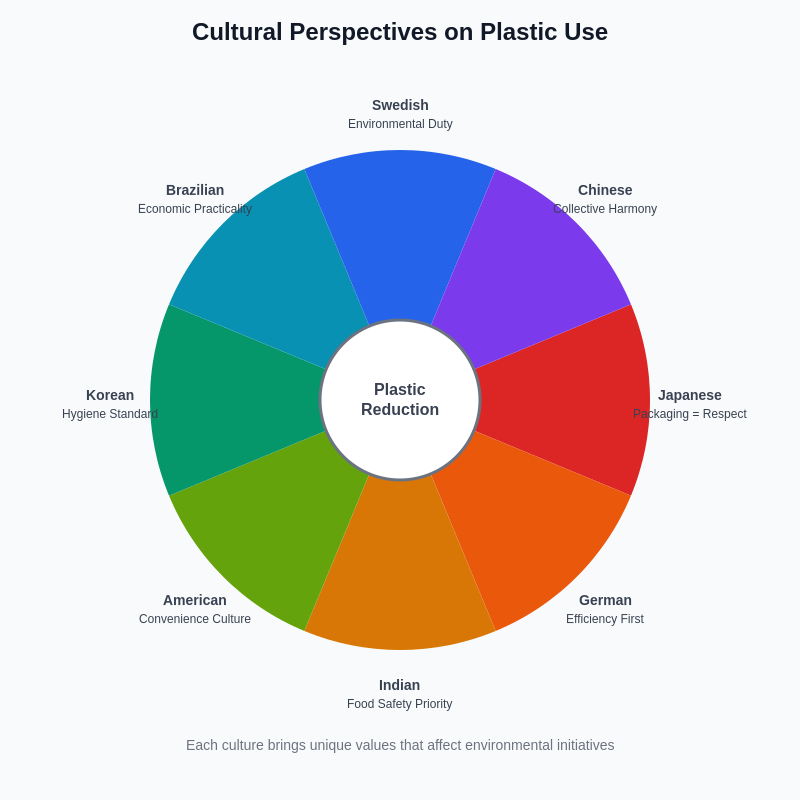
Cultural attitudes toward plastic use reflect centuries of societal development, technological adoption patterns, and economic realities that shape how different populations perceive and interact with synthetic materials in their daily lives. Many residents from developing countries associate plastic packaging with food safety, economic advancement, and protection against contamination that historically plagued their local food systems, making plastic reduction feel like a step backward rather than progress.
Living with Japanese roommates in Tokyo sharehouses often reveals how Japanese cultural emphasis on packaging and presentation conflicts with Western minimalist approaches to plastic reduction. The meticulous attention to food presentation and gift wrapping that characterizes Japanese culture directly opposes efforts to eliminate decorative and protective plastic packaging that international residents might consider unnecessary.
Generational differences compound these cultural variations, with older residents from all backgrounds often viewing plastic as a modern convenience that improved their quality of life, while younger residents may have grown up with environmental awareness that makes plastic reduction feel natural and necessary. These competing perspectives create household tensions that extend far beyond simple disagreement about shopping bags or food containers.
Economic and Accessibility Constraints
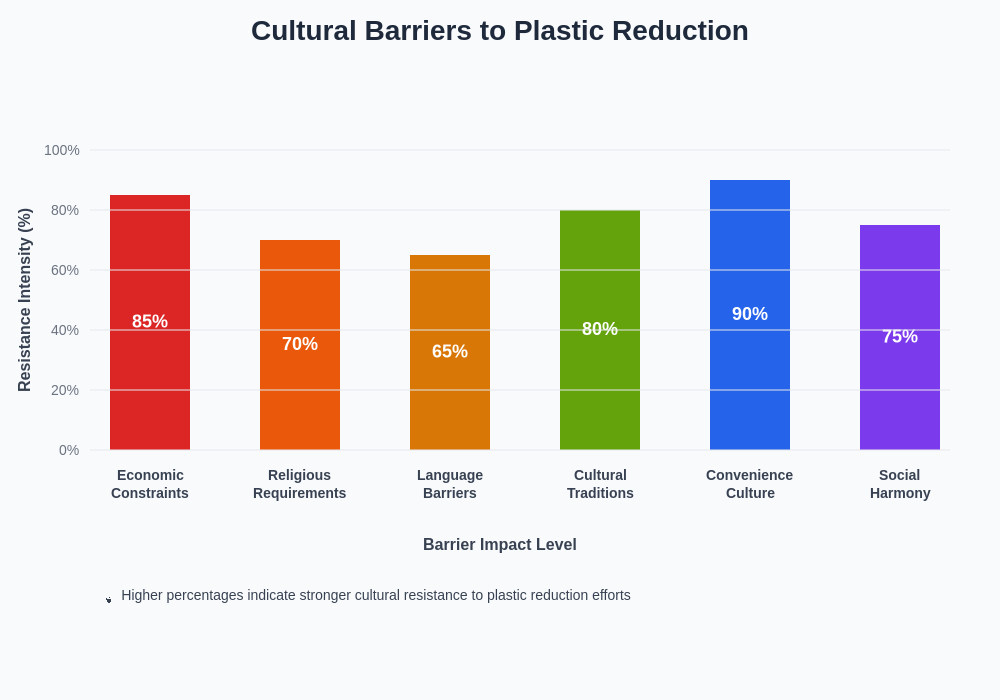
The financial implications of plastic reduction disproportionately affect residents from different economic backgrounds, creating unintended class-based divisions within sharehouse communities that claim to prioritize environmental values. High-quality reusable alternatives often require significant upfront investments that may strain budgets of students, working holiday participants, or residents from countries with weaker currencies against the Japanese yen.
Understanding utility bills in Japanese sharehouses demonstrates how environmental choices affect shared expenses differently across residents with varying financial capabilities. Premium eco-friendly products, bulk shopping requirements, and specialized storage solutions can increase monthly costs for residents who already struggle with Tokyo’s high living expenses and currency exchange challenges.
The accessibility of plastic alternatives varies dramatically across Tokyo neighborhoods, with some areas offering extensive organic and zero-waste shopping options while others rely heavily on convenience stores and traditional supermarkets where plastic-free shopping becomes nearly impossible. Cheaper sharehouse options in Tokyo suburbs often lack access to specialty stores that sell plastic-free alternatives, forcing residents to choose between environmental goals and practical necessity.
Cultural attitudes toward secondhand goods and shared ownership also influence plastic reduction success, with some cultures embracing communal resources while others prioritize individual hygiene and ownership that makes sharing reusable containers or shopping bags uncomfortable or unacceptable for personal or religious reasons.
Language and Communication Barriers
Effective plastic reduction requires clear communication about complex concepts that often lack direct translations between languages, leading to misunderstandings about goals, methods, and individual responsibilities that can derail well-intentioned environmental initiatives before they begin. Technical terms related to recycling, composting, and sustainable materials may not exist in all languages or carry different connotations that affect resident participation and compliance.
Japanese sharehouse rules every foreigner should know highlights how language barriers complicate environmental policy implementation when residents cannot fully understand recycling requirements, plastic sorting systems, or the reasoning behind specific restrictions that may seem arbitrary or culturally insensitive.
The nuanced discussions required for consensus-building around environmental policies demand advanced language skills that many international residents lack, particularly when addressing sensitive topics related to cultural practices, religious requirements, or economic constraints that affect individual capacity to participate in plastic reduction efforts.
Educational materials and house rules written in English often fail to convey the cultural sensitivity required for successful implementation, while translations into multiple languages can create inconsistencies or cultural misunderstandings that undermine environmental initiatives rather than supporting them.
Religious and Dietary Considerations
Religious dietary laws and cultural food practices present unique challenges for plastic reduction efforts that secular environmental movements often overlook or inadequately address. Kosher and halal food requirements may necessitate specific packaging, storage, and preparation methods that conflict with plastic reduction goals, creating situations where religious observance directly opposes environmental objectives.
How dietary restrictions complicate meal planning explores how religious and cultural food requirements affect sharehouse kitchen management in ways that can make plastic reduction particularly challenging for observant residents who cannot compromise on food safety and religious compliance.
Vegetarian and vegan residents from different cultural backgrounds may have varying approaches to food storage, preparation, and packaging that reflect their cultural origins rather than universal environmental principles. Indian vegetarian traditions, for example, may emphasize different aspects of food purity and storage than Western veganism, leading to conflicts over appropriate plastic use in shared kitchens.
Cultural taboos around food contamination, cross-contamination prevention, and ritual cleanliness can make shared reusable containers problematic for residents whose religious or cultural practices require strict separation of food preparation and storage materials that disposable plastic containers traditionally provide.
Social Harmony versus Environmental Action
Japanese cultural concepts of wa (harmony) and the avoidance of direct confrontation create environments where environmental advocates may struggle to address plastic use issues without disrupting social cohesion that residents prioritize over environmental goals. Making friends through Tokyo sharehouse communities demonstrates how environmental initiatives can inadvertently create social divisions that damage the community relationships that many residents value most.
The collective decision-making processes favored in many Asian cultures require consensus that may be impossible to achieve when residents have fundamentally different values regarding environmental responsibility, individual convenience, and collective action. Environmental initiatives imposed without consensus can create resentment and passive resistance that undermines both environmental goals and community harmony.
Power dynamics within sharehouse communities often determine whose environmental values become house policy, with longer-term residents, native English speakers, or residents from wealthy countries potentially wielding disproportionate influence over environmental decisions that affect residents with different cultural backgrounds and economic constraints.
Cultural approaches to authority and collective responsibility vary dramatically, with some residents expecting clear rules and enforcement while others prefer gentle suggestions and individual choice, making it difficult to create plastic reduction policies that feel appropriate and effective across diverse cultural groups.
Traditional Packaging and Gift Culture
Many cultures have deep-rooted traditions around packaging, presentation, and gift-giving that rely heavily on plastic materials for aesthetic, protective, and symbolic purposes that cannot be easily replaced with environmentally friendly alternatives without losing cultural significance and meaning.
Japanese omiyage culture, Korean banchan presentation, and various cultural approaches to food sharing and hospitality often depend on specific packaging methods that ensure food safety, visual appeal, and cultural appropriateness in ways that conflict with plastic reduction efforts while serving important social and cultural functions within sharehouse communities.
How cultural festivals affect house activities illustrates how traditional celebrations and cultural observances can dramatically increase plastic use through decorations, food packaging, and gift presentations that residents may be unwilling to modify for environmental reasons.
The symbolic importance of packaging in many cultures means that plastic reduction efforts can inadvertently disrespect cultural values and traditions, creating resistance based not on environmental indifference but on legitimate concerns about cultural preservation and appropriate respect for traditional practices.
Convenience Culture and Time Constraints
Modern urban lifestyles, particularly in Tokyo’s fast-paced environment, create time pressures that make convenient plastic options more attractive than time-consuming sustainable alternatives, especially for residents juggling work, study, and social obligations while adapting to a new country and language.
How commute times impact your quality of life demonstrates how transportation demands and work schedules can make quick convenience store purchases more practical than planned shopping trips to plastic-free stores, regardless of residents’ environmental values and good intentions.
Cultural attitudes toward efficiency and time management vary significantly, with some cultures prioritizing environmental goals despite inconvenience while others view time efficiency as paramount, making plastic reduction feel like an unreasonable burden rather than a shared environmental responsibility.
The learning curve associated with plastic-free shopping, cooking, and storage requires time investment that residents with demanding schedules or high stress levels may be unable or unwilling to make, particularly when cultural unfamiliarity makes sustainable practices more complex and time-consuming than they would be in residents’ home countries.
Economic Inequality and Environmental Justice
Plastic reduction initiatives in sharehouses often inadvertently create environmental classism where residents with higher incomes can afford sustainable alternatives while lower-income residents bear the burden of environmental guilt without realistic alternatives that fit their financial constraints and cultural needs.
Living costs in Tokyo sharehouses explained reveals how environmental choices become luxury options that exclude residents whose primary concern is basic survival and financial stability rather than environmental impact, creating resentment and resistance to well-intentioned environmental policies.
Students from developing countries, working holiday participants with limited savings, and residents supporting families abroad may view plastic reduction requirements as additional financial burdens imposed by privileged residents who can afford environmental consciousness without sacrificing basic needs or financial security.
The hidden costs of plastic reduction, including time investment, transportation to specialty stores, and premium pricing for sustainable alternatives, can disproportionately affect residents who already face financial stress and cultural adaptation challenges that make environmental initiatives feel like additional pressure rather than positive community goals.
Cultural Solutions and Compromise Strategies
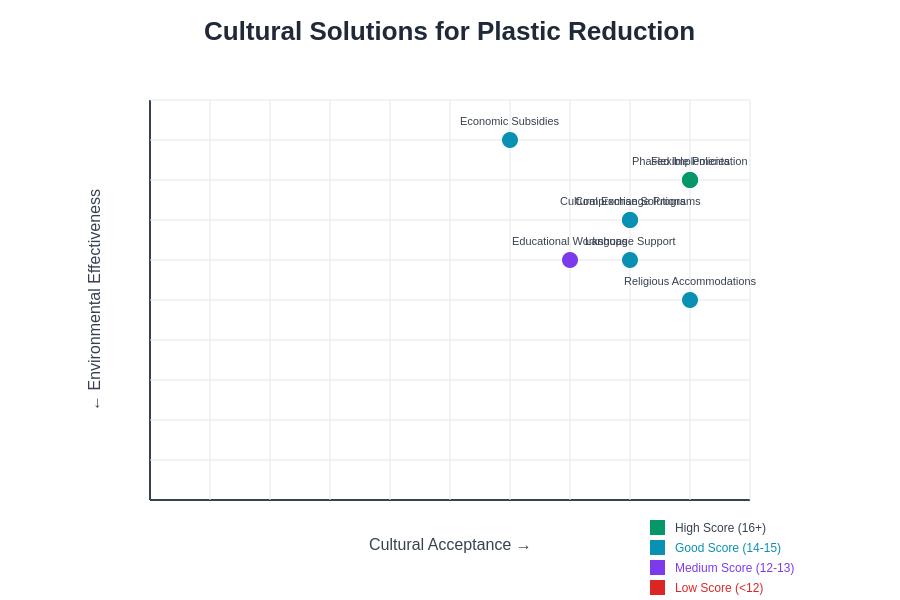
Successful plastic reduction in multicultural sharehouses requires creative solutions that respect cultural diversity while achieving environmental goals through inclusive approaches that address economic constraints, religious requirements, and cultural values rather than imposing uniform standards that ignore resident diversity.
How to handle roommate conflicts without moving out provides frameworks for navigating environmental disagreements through cultural sensitivity and compromise rather than confrontation or policy imposition that damages community relationships while failing to achieve environmental objectives.
Phased implementation strategies allow residents to adapt gradually while learning about cultural perspectives and finding solutions that work for diverse needs, economic situations, and cultural requirements without sacrificing environmental progress or community harmony in the process.
Cultural exchange and education programs can help residents understand different perspectives on environmental responsibility while sharing practical solutions that respect diverse approaches to sustainability, consumption, and waste management across different cultural backgrounds and economic situations.
Building Inclusive Environmental Policies
Effective plastic reduction policies must acknowledge and accommodate cultural diversity rather than imposing Western environmental values on international communities with different priorities, constraints, and cultural practices that deserve respect and consideration in policy development and implementation.
Real stories from Tokyo sharehouse residents demonstrates how successful environmental initiatives emerge from inclusive dialogue and cultural understanding rather than top-down policy implementation that ignores resident diversity and creates resistance instead of cooperation.
Flexible policies that offer multiple pathways to environmental goals allow residents to contribute according to their cultural comfort levels, economic capabilities, and practical constraints while maintaining community cohesion and respecting individual circumstances that affect environmental participation capacity.
Regular evaluation and adjustment of environmental policies based on resident feedback and cultural considerations ensures that plastic reduction efforts remain effective while adapting to changing community composition and evolving understanding of cultural barriers that may not be immediately apparent to policy creators.
The path toward effective plastic reduction in multicultural sharehouses requires patience, cultural humility, and recognition that environmental progress depends not on perfect adherence to idealistic standards but on inclusive approaches that respect diversity while achieving meaningful progress toward shared environmental goals that benefit both local communities and global environmental health.
Understanding and addressing these cultural barriers creates opportunities for more effective environmental action that brings communities together rather than driving them apart, demonstrating that environmental progress and cultural respect can coexist when approached with sensitivity, creativity, and genuine commitment to inclusive solutions that work for everyone involved.
Disclaimer
This article is for informational purposes only and reflects observations about cultural dynamics in international living situations. Individual experiences may vary significantly based on specific circumstances, cultural backgrounds, and personal values. The content does not constitute advice for resolving specific conflicts or implementing environmental policies. Readers should approach cultural differences with respect and seek to understand diverse perspectives when working toward shared environmental goals.