Prescription medication storage in Tokyo sharehouses presents unique challenges that extend far beyond simple convenience, touching upon legal responsibilities, personal health security, and community safety considerations that many international residents initially underestimate. The shared nature of sharehouse living creates vulnerabilities that can lead to serious consequences including medication theft, accidental poisoning, legal violations, and compromised treatment effectiveness that could dramatically impact your health outcomes and legal standing in Japan.
The complexity of managing prescription medications in shared living environments requires comprehensive understanding of Japanese pharmaceutical regulations, insurance requirements, and the specific risks associated with communal living spaces where personal belongings face constant exposure to multiple residents with varying backgrounds and intentions. Japanese sharehouse rules every foreigner should know provides broader context for understanding house policies that may affect your medication management strategies.
Understanding Legal Requirements for Prescription Storage
Japanese pharmaceutical law imposes strict regulations on prescription medication possession, storage, and transfer that become particularly complex in sharehouse environments where personal space boundaries blur and access control becomes challenging. The legal framework governing controlled substances extends beyond simple possession to include responsibility for preventing unauthorized access, maintaining proper storage conditions, and ensuring medications remain in their original containers with proper labeling throughout their intended usage period.
International residents must navigate additional layers of complexity including import restrictions, prescription transfer procedures, and documentation requirements that vary significantly based on visa status and medication classifications. How visa status affects your sharehouse application explores how legal status considerations impact various aspects of sharehouse living, including health-related responsibilities.
The consequences of improper prescription storage or unauthorized sharing can result in criminal charges, visa revocation, and immediate deportation proceedings that destroy years of careful planning and investment in Japanese residency. Understanding these legal boundaries before establishing your medication storage system prevents inadvertent violations that could have devastating long-term consequences for your life in Japan.
Prescription medications imported from foreign countries require special documentation and approval processes that must be maintained throughout your residency period. Failure to comply with these requirements can result in medication confiscation during routine inspections or emergency situations, leaving you without essential treatments when you need them most.
Identifying Common Security Vulnerabilities in Sharehouses
Sharehouse living environments create numerous security vulnerabilities that specifically threaten prescription medication safety through inadequate access controls, insufficient storage facilities, and the inherent unpredictability of resident behavior patterns. Standard room locks often provide minimal security against determined individuals, while common areas like kitchens and bathrooms where medications might be stored offer virtually no protection against theft or tampering.
The transient nature of sharehouse populations means that new residents regularly gain access to building systems and common areas without comprehensive background screening or security verification processes. How background checks don’t prevent all problems examines the limitations of standard screening procedures that may give residents false confidence in their living environment security.
Cleaning schedules and maintenance activities create additional access points where medications stored in accessible locations face exposure to service personnel, temporary workers, and unauthorized individuals who may exploit these opportunities for theft or inappropriate access. Understanding these vulnerability windows helps develop more effective security strategies that account for all potential access scenarios.
Social dynamics within sharehouses can create pressure situations where residents feel obligated to share medications during health emergencies or social situations, creating legal liability and health risks that extend beyond the immediate participants. How to handle roommate conflicts without moving out provides strategies for managing interpersonal pressures that might compromise your medication security decisions.
Implementing Physical Security Measures
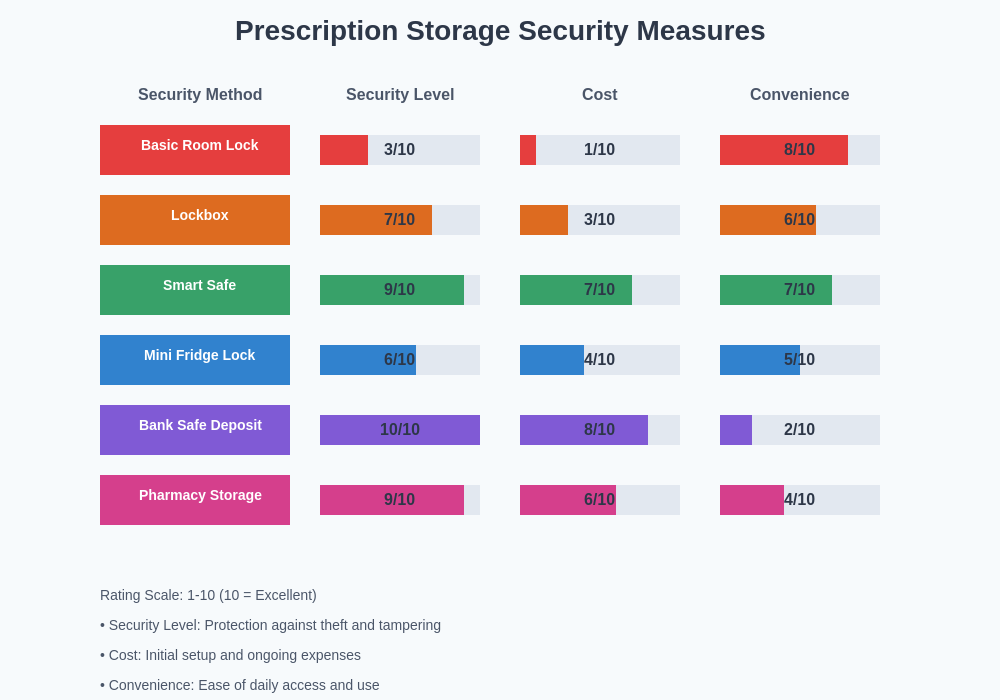
Effective physical security for prescription medications requires multi-layered approaches that combine secure storage containers, strategic placement decisions, and access control mechanisms that protect against both opportunistic theft and determined intrusion attempts. Professional-grade lockboxes designed specifically for medication storage provide the foundation for secure systems, but their effectiveness depends heavily on proper installation, strategic positioning, and integration with overall room security measures.
Temperature-controlled storage requirements for certain medications add complexity to security planning, requiring solutions that maintain both environmental conditions and access control without compromising either function. Refrigerated medications present particular challenges in sharehouse environments where kitchen access cannot be restricted and common refrigerators offer no security protection.
Digital security measures including smart locks, access logging systems, and mobile monitoring applications provide enhanced protection capabilities but require careful evaluation of technology reliability, power requirements, and integration compatibility with existing sharehouse infrastructure. How smart locks change sharehouse security explores the potential and limitations of technological security solutions in shared living environments.
Concealment strategies that hide medication storage from casual observation reduce opportunistic theft risks while maintaining accessibility for legitimate use. However, these approaches must balance security benefits against emergency access requirements and legal obligations for proper labeling and identification that could be compromised by excessive concealment efforts.
Managing Temperature-Sensitive Medications
Medications requiring refrigeration present unique security challenges in sharehouse environments where kitchen facilities are shared among multiple residents with varying levels of responsibility and security awareness. Standard refrigerator storage offers no protection against theft, tampering, or accidental disposal while potentially exposing expensive medications to temperature fluctuations that could compromise their effectiveness.
Dedicated mini-refrigerators with security locks provide optimal solutions for temperature-sensitive medications but require significant investment, electrical capacity verification, and space allocation within private room areas. The cost-benefit analysis must consider medication replacement costs, health risks from compromised treatments, and potential insurance complications that could result from improper storage procedures.
Backup power solutions become critical considerations for residents dependent on refrigerated medications, as power outages or electrical system failures could quickly destroy expensive treatments and create health emergencies. Why emergency expenses are never budgeted examines how unexpected costs related to health and safety can significantly impact sharehouse living budgets.
Travel considerations for temperature-sensitive medications require portable cooling solutions and emergency backup planning that accounts for transportation delays, accommodation changes, and access to replacement medications in remote locations. Understanding these requirements before committing to sharehouse living helps ensure your medication management system can adapt to lifestyle changes and travel opportunities.
Insurance and Liability Considerations
Health insurance coverage for prescription medications in Japan involves complex reporting requirements and documentation procedures that can be compromised by inadequate storage practices or security breaches that affect medication integrity. Insurance providers may deny claims for medications that were improperly stored, damaged through negligence, or stolen due to inadequate security measures, creating significant financial liability for replacement costs.
Personal liability for medication security extends beyond individual health risks to include responsibility for preventing unauthorized access that could harm other residents or create legal violations. Why sharehouse insurance matters more than you think explores how personal insurance needs change in shared living environments where individual actions can affect entire communities.
Documentation requirements for insurance claims related to stolen or damaged medications include detailed records of storage methods, security measures, and incident circumstances that must be maintained throughout your residency period. Establishing these documentation systems before problems occur ensures you can successfully navigate insurance processes during stressful emergency situations.
Travel insurance considerations become particularly important for residents managing prescription medications, as standard policies may not cover medication-related expenses that result from storage failures, theft, or emergency replacement needs while away from your primary residence.
Developing Emergency Access Protocols
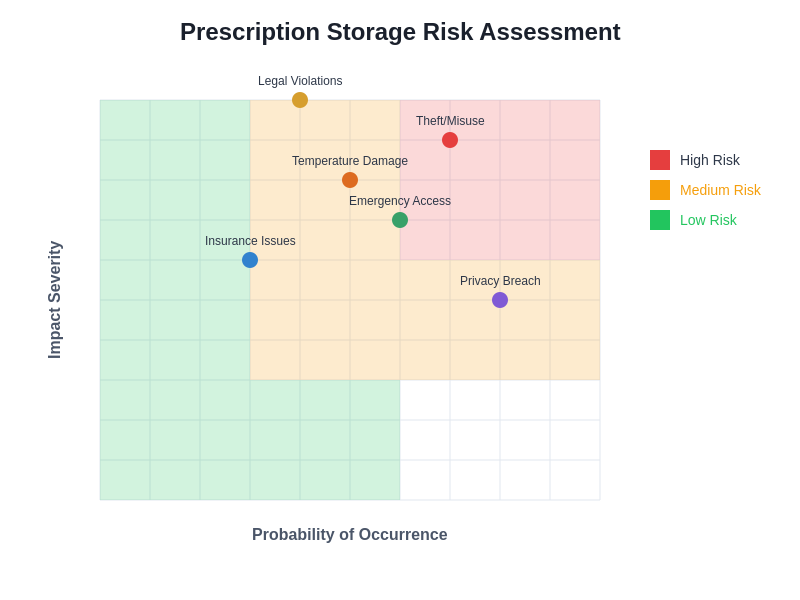
Emergency situations requiring rapid medication access create tension between security requirements and health safety needs that must be resolved through carefully planned protocols and backup systems. Medical emergencies affecting residents or visitors may require immediate access to specific medications that could be life-saving, but security measures designed to prevent theft can become barriers to emergency response.
Emergency contact systems should include detailed information about prescription medications, storage locations, and access procedures that can guide emergency responders and medical personnel during crisis situations. Why emergency contact requirements are strict examines how sharehouse emergency procedures must account for the complex needs of diverse resident populations.
Backup medication supplies stored in separate secure locations provide redundancy that protects against both security breaches and emergency access needs, but require careful management to prevent expiration and maintain proper storage conditions. The costs and logistics of maintaining duplicate supplies must be balanced against the risks of medication unavailability during critical situations.
Communication protocols with housemates about medication storage and emergency procedures help ensure appropriate responses during crisis situations while maintaining privacy and security boundaries. How emergency communication plans often fail provides insights into developing more effective emergency response systems.
Privacy Protection and Discretion Strategies
Medical privacy in sharehouse environments requires careful balance between necessary security measures and protection of personal health information that could be exploited for discrimination or social pressure. Visible prescription labels and obvious security measures can inadvertently reveal sensitive health conditions that some residents prefer to keep private, creating social dynamics that affect community relationships and personal comfort levels.
Discrete storage solutions that provide security without drawing attention to medical needs help maintain privacy while ensuring proper medication protection. However, excessive concealment efforts must not compromise emergency access or legal compliance requirements that mandate proper labeling and identification of prescription medications.
Information sharing decisions about health conditions and medication needs should be made strategically, considering both safety benefits and privacy risks associated with broader knowledge of your medical situation. Living with Japanese roommates in Tokyo sharehouses explores cultural considerations that may influence privacy expectations and social dynamics around health topics.
Professional consultation with healthcare providers and legal advisors can help develop privacy protection strategies that comply with Japanese regulations while maintaining appropriate security and emergency access capabilities. These consultations should address both routine management procedures and emergency response scenarios that might compromise privacy protections.
Cost-Benefit Analysis of Security Investments
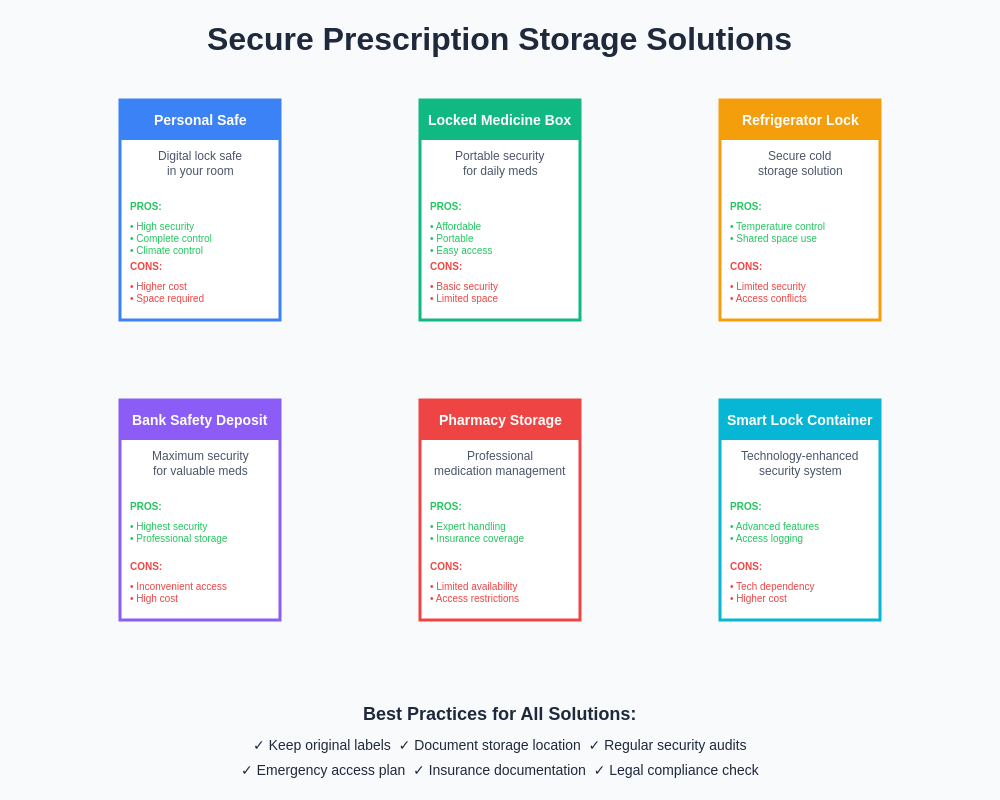
Security investments for prescription storage must be evaluated against multiple cost factors including medication replacement expenses, health risks from compromised treatments, legal liability for improper storage, and insurance implications that could affect long-term financial planning. High-value medications may justify significant security investments, while common prescriptions might require more modest protection measures.
How to budget realistically for sharehouse living provides frameworks for evaluating security expenses within overall living cost planning, helping residents make informed decisions about appropriate investment levels for their specific medication needs and risk tolerance.
Technology solutions often require ongoing costs for maintenance, battery replacement, and service subscriptions that must be factored into long-term budget planning. Understanding these recurring expenses helps prevent security system abandonment due to unexpected costs that compromise medication protection over time.
Alternative security strategies including insurance riders, pharmacy storage services, and healthcare provider consultation fees should be compared against physical security investments to identify optimal combinations of protection and cost-effectiveness for individual circumstances and medication requirements.
Building Community Awareness and Support
Educational initiatives within sharehouse communities can improve overall security awareness while fostering supportive environments where residents look out for each other’s health and safety needs. Making friends through Tokyo sharehouse communities explores how community building activities can enhance mutual support systems that benefit everyone’s security and wellbeing.
Establishing community guidelines for medication security helps create shared standards and expectations that protect all residents while respecting individual privacy and autonomy. These guidelines should address emergency situations, visitor policies, and reporting procedures for security concerns that affect community safety.
Trust-building activities and transparent communication about security concerns help create environments where residents feel comfortable discussing health-related needs and security challenges without fear of judgment or discrimination. However, these discussions must maintain appropriate boundaries that protect individual privacy while enhancing community security.
Long-Term Health Management Strategies
Sustainable medication management systems must account for changing health needs, evolving security requirements, and potential lifestyle changes that could affect storage and access requirements over extended periods. Why career advancement may require moving out examines how life changes affect sharehouse living decisions and the security systems that residents establish.
Regular security audits and system updates help ensure that protection measures remain effective against evolving threats and changing living circumstances. These reviews should evaluate both physical security measures and procedural compliance to identify areas where improvements or modifications might be necessary.
Healthcare provider coordination becomes increasingly important for residents managing complex medication regimens in shared living environments, requiring ongoing communication about storage requirements, emergency procedures, and insurance compliance that affects treatment continuity and effectiveness.
The intersection of prescription security, sharehouse living, and long-term health management requires careful planning and ongoing attention that balances multiple competing priorities while ensuring optimal outcomes for personal health, community safety, and legal compliance throughout your residency experience in Tokyo.
Disclaimer
This article is for informational purposes only and does not constitute professional medical, legal, or security advice. Prescription medication storage requirements vary based on specific medications, individual health conditions, and changing regulations. Readers should consult with healthcare providers, legal advisors, and security professionals to develop appropriate storage and management strategies for their specific circumstances. The effectiveness of security measures may vary depending on individual situations, building characteristics, and local regulations.