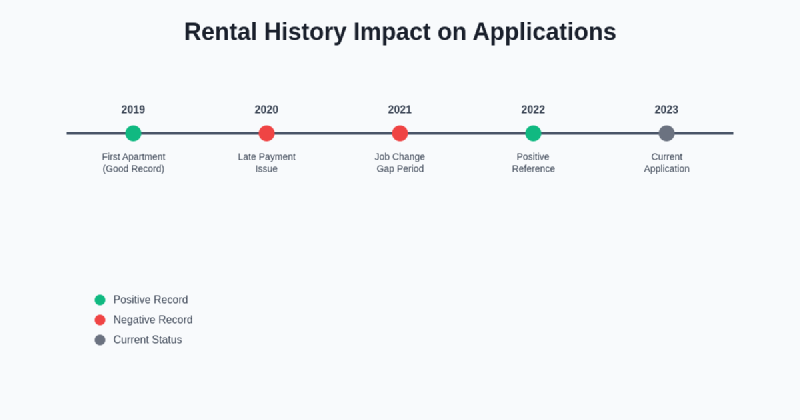
Previous rental history serves as a critical factor in sharehouse application evaluations, functioning as the primary indicator of tenant reliability, financial responsibility, and compatibility with shared living arrangements that property managers use to assess risk and predict future tenant behavior. The weight given to rental history varies significantly between operators and property types, creating complex challenges for applicants with limited or problematic housing backgrounds.
International residents face particular challenges in demonstrating rental history when their previous housing experiences occurred in different countries with varying documentation standards, legal frameworks, and verification procedures that may not translate effectively to Japanese rental requirements. Understanding how rental history affects applications enables better preparation and strategic approach to sharehouse hunting that maximizes approval chances.
Documentation Requirements and Verification Processes
Japanese sharehouse operators typically require comprehensive documentation of previous rental arrangements, including lease agreements, payment records, landlord references, and termination certificates that demonstrate responsible tenancy and financial reliability throughout previous housing arrangements. What documents you need for Tokyo sharehouse applications provides context for understanding standard documentation requirements.
International rental history requires additional verification steps including translation of foreign documents, authentication of overseas records, and sometimes notarization or embassy certification to establish credibility and authenticity of housing records from different legal systems. Why background checks take longer for foreigners explains the extended verification processes for international applicants.
Payment history documentation becomes particularly important when demonstrating financial reliability, with property managers seeking evidence of consistent on-time rent payments, utility bill management, and resolution of any past disputes or issues that might indicate future payment problems.
Reference verification involves direct communication between current and former landlords or property managers to confirm rental history details, discuss tenant behavior, and identify any issues that might not appear in written documentation but could affect future tenancy decisions.
Impact of Positive Rental History
Strong rental history significantly improves application success rates by demonstrating proven ability to maintain stable housing arrangements, follow property rules, and resolve conflicts constructively when they arise during tenancy periods. How to find the perfect sharehouse in Tokyo becomes easier when positive rental history supports application credentials.
Long-term tenancy records indicate stability and commitment that property managers value highly, particularly in sharehouses where community continuity and established social dynamics contribute to overall property success and resident satisfaction. Extended rental periods without early terminations suggest reliability and planning abilities that reduce management concerns about vacancy costs and community disruption.
Excellent landlord references provide third-party validation of tenant behavior, responsibility, and compatibility with shared living situations that cannot be determined through financial documentation alone. Property managers often weight personal recommendations heavily when evaluating applications from candidates with similar financial qualifications.
Property maintenance records and damage deposits returned without deductions demonstrate respect for property and consideration for other residents that indicates likely positive contribution to sharehouse community dynamics and property preservation.
Challenges of Problematic Rental History
Late payment records create significant concerns for property managers who view payment reliability as the fundamental requirement for successful tenancy, often resulting in application rejection regardless of current financial stability or improved circumstances. Living costs in Tokyo sharehouses explained becomes relevant when past financial difficulties affect current housing access.
Early lease terminations raise questions about commitment, stability, and potential for future disruption that property managers must consider when evaluating long-term community composition and revenue predictability. Multiple early terminations particularly concern operators who invest in community building and resident integration efforts.
Eviction history represents the most serious rental background issue, creating nearly insurmountable barriers to approval even when circumstances have improved significantly since the problematic tenancy occurred. How legal disputes get resolved in sharehouses provides context for understanding how past conflicts affect future applications.
Property damage records and unreturned security deposits indicate potential for costly property issues that concern operators about maintenance expenses and community impact of irresponsible tenant behavior.
Strategies for Limited Rental History
First-time renters can compensate for lack of rental history through alternative documentation including employment stability, educational records, family guarantor arrangements, and character references that demonstrate responsibility and reliability in other life areas. Japanese sharehouse rules every foreigner should know helps newcomers understand expectations even without rental experience.
International students often benefit from university housing office recommendations, academic advisor references, and institutional guarantor programs that provide credibility and support for housing applications despite limited independent rental experience.
Professional references from employers, supervisors, or colleagues can substitute for rental references when demonstrating character, reliability, and social skills relevant to shared living situations, though such references typically carry less weight than housing-specific recommendations.
Increased security deposits or advance rent payments sometimes overcome rental history concerns by reducing financial risk for property managers, though such arrangements require significant upfront capital that may not be feasible for all applicants.
International Rental History Considerations
Cross-border verification challenges include differences in documentation standards, reference accessibility, and cultural communication styles that complicate the process of confirming international rental history through foreign landlords or property managers who may not understand Japanese requirements.
Currency conversion and financial context translation require explanation of previous rental arrangements in terms comprehensible to Japanese property managers, including cost comparisons, lease structure differences, and payment method variations that affect evaluation of financial responsibility.
Legal system differences between countries create variations in tenant rights, landlord obligations, and dispute resolution procedures that may result in different interpretations of rental history events when viewed through Japanese rental law perspectives.
Time zone and communication barriers complicate reference verification when former landlords in different countries are difficult to contact during Japanese business hours or lack language capabilities for direct communication with Japanese property managers.
Alternative Verification Methods
Employment verification often substitutes for rental history when demonstrating financial stability and social responsibility, with property managers evaluating job tenure, income level, and professional references as indicators of likely tenant reliability.
Educational institution records provide alternative credibility sources for students and recent graduates, including academic performance, disciplinary records, and institutional support that suggest character and responsibility levels relevant to housing arrangements.
Family guarantor arrangements become particularly important for applicants with limited rental history, offering financial security and additional accountability that reduces perceived risk for property managers evaluating unproven tenants.
Community references from religious organizations, volunteer groups, or social clubs can provide character validation and community integration evidence that supports housing applications despite limited formal rental background.
Building Positive Rental History
Strategic selection of initial housing arrangements focuses on opportunities to establish positive rental records through reliable operators, reasonable terms, and situations that enable successful tenancy completion with excellent references for future applications.
Proactive communication with current landlords and property managers creates opportunities to document positive tenant behavior, request formal recommendations, and address any minor issues before they become significant problems that could affect future rental history.
Documentation maintenance throughout tenancy periods includes keeping records of rent payments, communication with management, property condition reports, and any improvements or contributions to property and community that demonstrate positive tenant behavior.
Community engagement within current housing situations creates opportunities for peer references, demonstrates social compatibility, and contributes to positive rental experience that supports future application success.
Long-term Impact and Reputation Building
Credit history development through consistent rental payments contributes to overall financial credibility that extends beyond housing applications to other financial services and life opportunities in Japan, making rental history an investment in long-term financial stability.
Professional network expansion through positive rental relationships creates ongoing references and connections that may provide housing opportunities, career support, and social integration benefits that extend far beyond immediate accommodation needs.
Market reputation within the sharehouse community develops through positive rental history, with excellent tenants sometimes receiving direct invitations to premium properties or preferential treatment from operators who prioritize proven residents.
Personal confidence and housing knowledge gained through successful rental experiences improve future housing search effectiveness, negotiation abilities, and community integration skills that enhance overall quality of life in Japan.
The significance of rental history in sharehouse applications reflects the fundamental importance of trust and predictability in shared living arrangements, where individual tenant behavior affects entire communities and property success. Understanding how to present, document, and build positive rental history provides essential tools for navigating Japan’s competitive housing market while establishing the foundation for long-term housing stability and community integration.
Disclaimer
This article provides general information about rental history requirements and does not constitute professional advice. Documentation requirements, verification procedures, and evaluation criteria vary between property operators and specific circumstances. Applicants should verify requirements with individual sharehouses and consider consulting with housing specialists familiar with their specific situation and background. The information provided reflects general practices and may not apply to all operators or situations.