Living in a Tokyo sharehouse presents an extraordinary laboratory for developing sophisticated problem-solving abilities that extend far beyond simple accommodation challenges. The convergence of cultural diversity, language barriers, resource sharing, and daily logistical complexities creates a unique environment where residents must constantly adapt, innovate, and find creative solutions to both predictable and unexpected situations that arise in communal living arrangements.
The transformation of problem-solving capabilities through sharehouse living occurs gradually but consistently, as residents encounter situations that demand immediate creative thinking, cross-cultural communication, and collaborative resolution strategies. These daily challenges serve as practical training grounds that develop cognitive flexibility, emotional intelligence, and adaptive reasoning skills that prove invaluable in professional and personal contexts throughout life.
The Foundation of Adaptive Problem-Solving
Sharehouse environments naturally cultivate adaptive problem-solving skills through the constant need to navigate interpersonal dynamics, resource management, and cultural differences that require flexible thinking and creative approaches. Understanding how cultural differences affect friendship building becomes essential for developing solutions that respect diverse perspectives while achieving practical outcomes.
The daily rhythm of sharehouse life presents numerous micro-challenges that accumulate into significant skill development opportunities. From negotiating shower schedules and kitchen usage to resolving utility billing discrepancies and managing shared responsibility systems, residents must develop systematic approaches to identifying problems, analyzing contributing factors, and implementing sustainable solutions that work for all involved parties.
These foundational experiences establish mental frameworks for approaching complex situations with confidence and creativity. The multicultural environment ensures that residents are exposed to diverse problem-solving methodologies, cultural approaches to conflict resolution, and alternative perspectives that broaden their analytical capabilities and solution-generation processes.
Language Barriers as Catalysts for Creative Solutions
Language barriers in Tokyo sharehouses paradoxically accelerate problem-solving skill development by forcing residents to find innovative communication methods and alternative solution pathways when traditional verbal communication proves insufficient. How language barriers prevent deep friendships often motivates residents to develop creative workarounds that ultimately enhance their overall communication and problem-solving abilities.
The necessity of communicating complex ideas across language boundaries encourages the development of visual thinking, symbolic representation, and non-verbal communication strategies that enhance cognitive flexibility and creative problem-solving approaches. Residents learn to break down complex problems into simpler components, use visual aids and demonstrations, and leverage technology to bridge communication gaps effectively.
These experiences cultivate patience, empathy, and persistence in problem-solving processes while teaching valuable lessons about assumption-checking, cultural sensitivity, and collaborative solution development. The skills developed through navigating language barriers transfer directly to professional environments where clear communication and cultural awareness are increasingly valuable capabilities.
Resource Sharing and Optimization Challenges
The shared resource environment of Tokyo sharehouses creates continuous optimization challenges that develop systematic thinking and collaborative problem-solving skills. How grocery shopping becomes more strategic exemplifies how residents must coordinate purchasing decisions, storage allocation, and consumption patterns to maximize efficiency and minimize waste.
Kitchen management represents a particularly complex problem-solving arena where residents must balance individual preferences with collective needs, coordinate cooking schedules with equipment availability, and develop systems for maintaining cleanliness and organization. These challenges require analytical thinking, negotiation skills, and creative compromise that strengthen problem-solving capabilities across multiple dimensions.
Storage optimization, utility management, and shared equipment maintenance create additional layers of complexity that demand innovative solutions and collaborative decision-making. Residents learn to analyze usage patterns, identify inefficiencies, and implement systems that balance individual convenience with collective benefit, developing valuable skills in resource allocation and process optimization.
Financial Problem-Solving and Budget Management
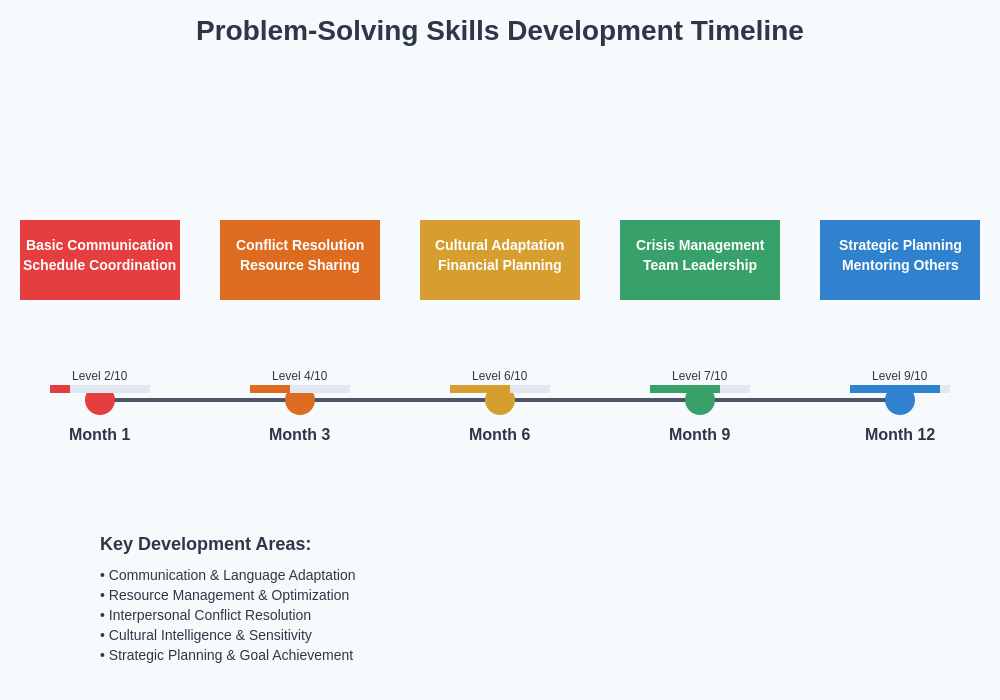
Tokyo sharehouse living introduces complex financial challenges that accelerate the development of analytical and strategic problem-solving skills. How to budget realistically for sharehouse living requires residents to develop sophisticated approaches to expense tracking, cost allocation, and financial planning that strengthen mathematical reasoning and analytical capabilities.
Shared expense management creates opportunities for developing collaborative problem-solving skills as residents must negotiate fair distribution of costs, track individual contributions, and resolve disputes over financial responsibilities. These experiences teach valuable lessons about transparency, accountability, and systematic documentation that prove essential in professional and personal financial management.
Currency exchange fluctuations, international money transfers, and varying visa-related financial requirements add additional complexity that demands creative solutions and adaptive planning. Residents learn to anticipate financial challenges, develop contingency plans, and find innovative approaches to managing monetary constraints while maintaining their desired lifestyle and social participation levels.
Interpersonal Conflict Resolution and Mediation
The inevitable interpersonal conflicts that arise in sharehouse environments provide intensive training in diplomatic problem-solving and mediation skills. How to handle roommate conflicts without moving out becomes a crucial skill that develops emotional intelligence, empathy, and systematic conflict resolution approaches.
These situations require residents to analyze underlying causes of disagreements, identify common ground, and develop solutions that address root issues rather than surface symptoms. The multicultural context adds complexity that demands cultural sensitivity, assumption-checking, and creative compromise strategies that enhance overall problem-solving sophistication.
The skills developed through interpersonal problem-solving transfer directly to professional environments where teamwork, leadership, and collaborative decision-making are essential capabilities. Residents learn to manage emotions during tense situations, facilitate productive discussions, and implement solutions that strengthen rather than damage ongoing relationships.
Technology Integration and Digital Solutions
Modern sharehouse living increasingly relies on technology integration for solving coordination, communication, and management challenges, developing digital problem-solving skills that are increasingly valuable in contemporary professional environments. How shared expense apps create new problems illustrates how residents must navigate technological solutions while managing their inherent limitations and complications.
Residents learn to evaluate digital tools, customize technological solutions to specific community needs, and troubleshoot technical problems that affect daily operations. These experiences develop analytical thinking about system design, user experience optimization, and technological integration that enhance overall problem-solving capabilities in increasingly digital environments.
The combination of technological solutions with human coordination challenges creates complex problem-solving scenarios that require both technical skills and interpersonal awareness. Residents must balance efficiency with accessibility, innovation with tradition, and individual preferences with collective benefit when implementing technological solutions to community challenges.
Crisis Management and Emergency Response
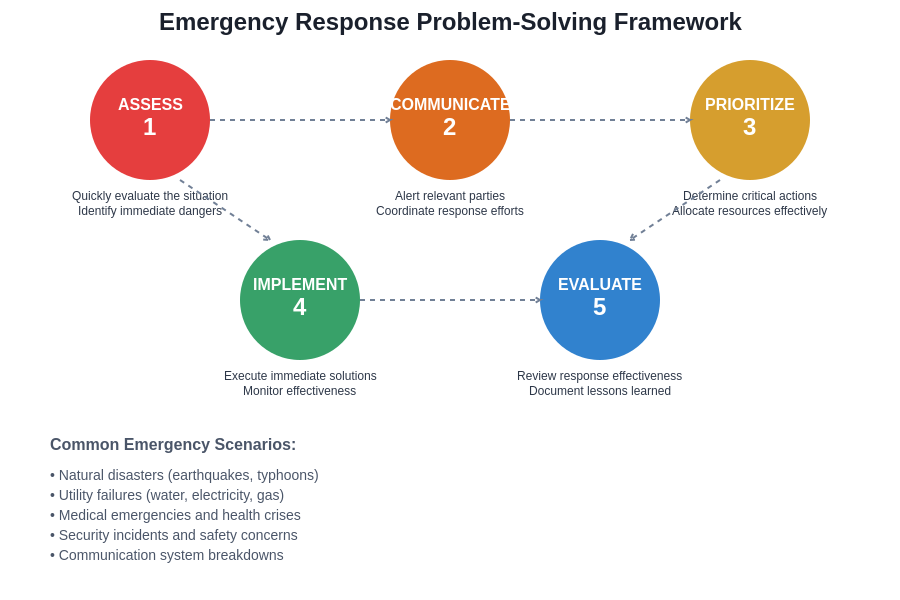
Unexpected emergencies and crisis situations in sharehouse environments provide intensive training in rapid problem-solving under pressure. How emergency communication plans often fail demonstrates how residents must quickly develop alternative communication strategies and coordination mechanisms during challenging circumstances.
Natural disasters, utility failures, security incidents, and medical emergencies require immediate analytical thinking, resource allocation, and collaborative coordination that strengthen problem-solving capabilities under stress. These experiences teach valuable lessons about prioritization, delegation, and systematic crisis response that prove essential in professional emergency management and leadership situations.
The multicultural context of sharehouse emergencies adds complexity that demands cultural sensitivity, clear communication, and inclusive decision-making processes. Residents learn to coordinate diverse groups with varying language abilities, cultural backgrounds, and emergency preparedness levels, developing sophisticated leadership and problem-solving skills that transfer to professional crisis management roles.
Cultural Adaptation and Cross-Cultural Problem-Solving
The process of cultural adaptation in Tokyo sharehouses creates continuous problem-solving challenges that develop cultural intelligence and adaptive thinking capabilities. How cultural sensitivity develops through daily interaction illustrates how residents must constantly analyze cultural differences and develop appropriate response strategies.
Understanding different cultural approaches to problem-solving, conflict resolution, and decision-making broadens residents’ analytical frameworks and solution-generation capabilities. Exposure to diverse perspectives challenges assumptions, encourages creative thinking, and develops appreciation for alternative approaches that enhance overall problem-solving sophistication.
These cross-cultural problem-solving experiences develop valuable skills in perspective-taking, assumption-checking, and collaborative solution development that prove increasingly important in globalized professional environments. Residents learn to navigate cultural differences constructively while finding common ground and mutually beneficial solutions.
Time Management and Scheduling Optimization
The complex scheduling challenges inherent in sharehouse living develop sophisticated time management and optimization problem-solving skills. How commute times impact your quality of life requires residents to analyze transportation options, coordinate schedules, and optimize daily routines for maximum efficiency and satisfaction.
Balancing individual schedules with shared responsibilities, coordinating group activities with personal commitments, and managing competing priorities require systematic analytical thinking and creative solution development. These challenges teach valuable lessons about prioritization, delegation, and systematic planning that strengthen professional productivity and personal effectiveness.
The multicultural context adds complexity as residents must coordinate across different cultural approaches to time management, punctuality, and scheduling preferences. This exposure develops flexibility, cultural awareness, and collaborative optimization skills that prove valuable in international professional environments.
Long-Term Strategic Planning and Goal Achievement
Sharehouse living necessitates long-term strategic thinking and goal-oriented problem-solving that develops sophisticated planning and achievement capabilities. How career changes affect sharehouse eligibility requires residents to analyze long-term implications of decisions and develop adaptive strategies for achieving personal and professional objectives.
Balancing short-term convenience with long-term goals, managing changing circumstances while maintaining stability, and coordinating individual aspirations with community commitments require sophisticated analytical thinking and strategic planning skills. These experiences teach valuable lessons about goal setting, progress tracking, and adaptive strategy development.
The international context of Tokyo sharehouse living adds layers of complexity related to visa requirements, career development, and cultural integration that demand comprehensive planning and problem-solving approaches. Residents learn to manage uncertainty, develop contingency plans, and maintain progress toward objectives despite changing circumstances and unforeseen challenges.
Professional Skill Transfer and Career Enhancement
The problem-solving skills developed through sharehouse living transfer directly to professional environments, enhancing career prospects and workplace effectiveness. How networking abilities improve through diverse contacts demonstrates how the analytical and interpersonal skills developed in sharehouses strengthen professional relationship building and collaborative problem-solving capabilities.
Employers increasingly value candidates who demonstrate cultural intelligence, adaptive thinking, collaborative problem-solving, and crisis management capabilities that are naturally developed through international sharehouse experiences. The combination of technical problem-solving skills with cultural sensitivity and interpersonal awareness creates a valuable professional skill set.
The systematic approach to problem analysis, solution development, and implementation learned through sharehouse challenges translates directly to project management, team leadership, and strategic planning roles in professional environments. Residents develop confidence in approaching complex challenges, facilitating collaborative solutions, and managing diverse stakeholder needs.
Measurement and Continuous Improvement
The ongoing nature of sharehouse challenges creates opportunities for developing systematic approaches to problem-solving improvement and skill refinement. Regular reflection on successful and unsuccessful solution attempts helps residents identify patterns, refine methodologies, and enhance their analytical capabilities over time.
Documentation of problem-solving processes, solution effectiveness, and lessons learned creates valuable feedback loops that accelerate skill development and enhance future problem-solving capabilities. This systematic approach to improvement develops metacognitive awareness and continuous learning habits that prove valuable in professional development contexts.
The diverse feedback available from multicultural housemates provides multiple perspectives on problem-solving effectiveness and alternative approaches that might be more successful. This exposure to diverse evaluation criteria and success metrics broadens analytical frameworks and enhances solution optimization capabilities.
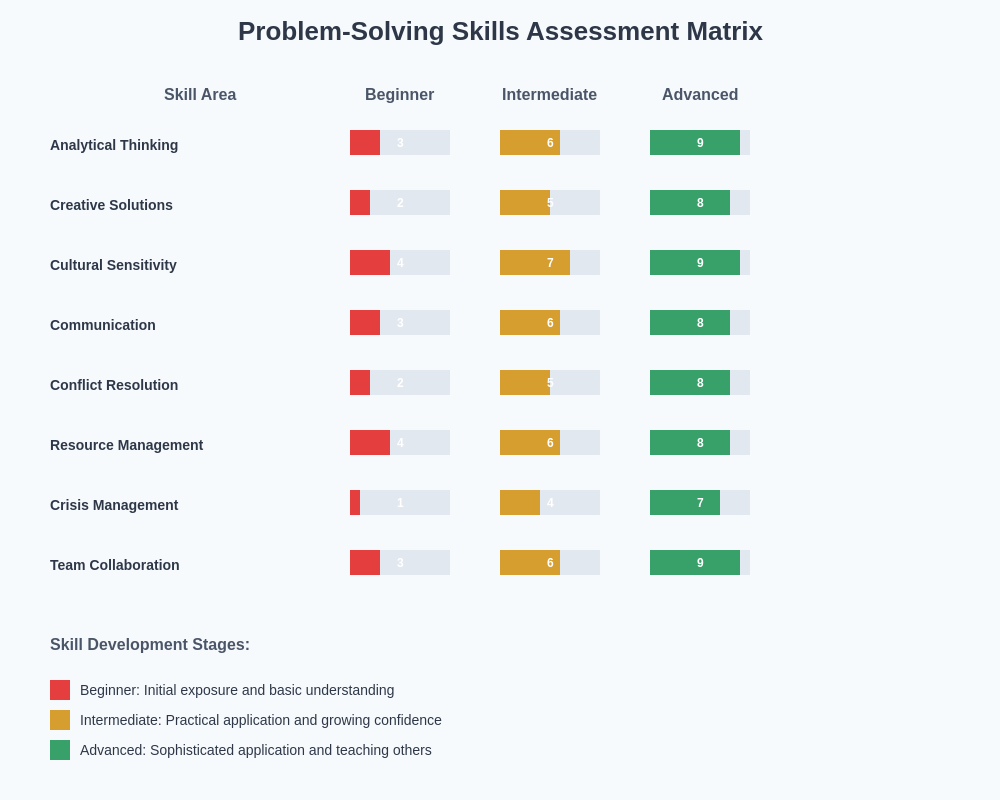
The transformative impact of sharehouse living on problem-solving skill development represents one of the most valuable and lasting benefits of the international communal living experience. The combination of daily practical challenges, cultural diversity, resource constraints, and collaborative requirements creates an intensive learning environment that develops sophisticated analytical, interpersonal, and adaptive capabilities that enhance both personal effectiveness and professional success throughout life.
Disclaimer
This article is for informational purposes only and reflects general observations about skill development in sharehouse environments. Individual experiences may vary significantly based on specific living situations, cultural backgrounds, and personal circumstances. The development of problem-solving skills depends on individual engagement, openness to learning, and willingness to embrace challenges as growth opportunities.