Living in a Tokyo sharehouse presents countless opportunities for cultural exchange and language learning, but it also creates a minefield of potential embarrassment when pronunciation mistakes transform innocent conversations into mortifying social disasters. The delicate nature of Japanese pronunciation, combined with the intimate setting of shared living spaces, means that even minor linguistic errors can escalate into situations that haunt residents for months or even permanently alter house dynamics and personal relationships.
The complexity of Japanese phonetics, with its subtle distinctions between similar sounds and context-dependent meanings, creates an environment where well-intentioned attempts at communication can spiral into uncomfortable misunderstandings that affect everything from daily interactions to long-term friendships. Understanding these potential pitfalls becomes essential for anyone hoping to navigate sharehouse life successfully while maintaining dignity and building meaningful relationships with fellow residents.
The High-Stakes Nature of Sharehouse Communication
Japanese pronunciation errors in sharehouse environments carry amplified consequences compared to mistakes made in public settings or formal language learning contexts. Living with Japanese roommates in Tokyo sharehouses creates intimate daily interactions where repeated mispronunciations become memorable quirks that define your personality within the house community, often in ways that extend far beyond the original linguistic error.
The confined nature of shared living spaces means that embarrassing pronunciation mistakes become part of house folklore, retold during social gatherings and used as reference points for future conversations. Unlike anonymous interactions with strangers, sharehouse relationships develop over months or years, providing ample time for initial pronunciation errors to evolve into ongoing sources of amusement, frustration, or endearing characterization that shapes how other residents perceive and interact with you.
The emotional investment in sharehouse relationships intensifies the impact of communication failures, transforming simple pronunciation mistakes into sources of genuine social anxiety that can affect confidence levels and willingness to participate in house activities. Making friends through Tokyo sharehouse communities becomes significantly more challenging when linguistic insecurity creates barriers to natural social interaction and authentic relationship building.
Common Vowel Length Disasters
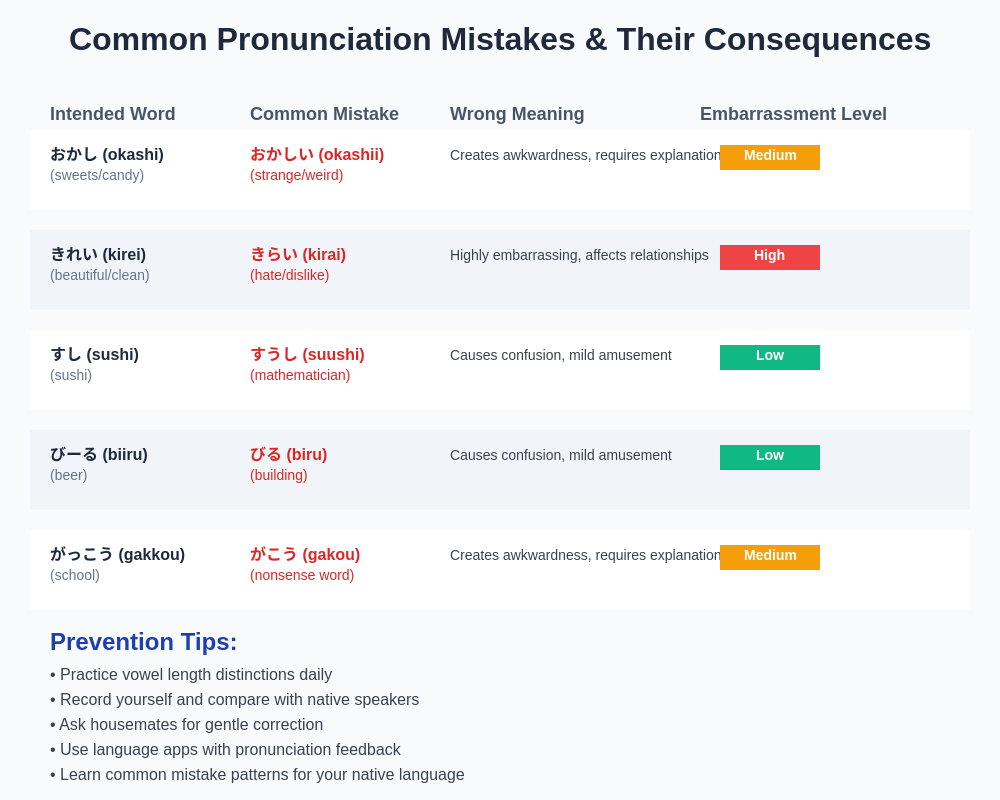
Japanese vowel length distinctions represent one of the most treacherous aspects of pronunciation for international residents, with errors frequently resulting in unintended sexual innuendos, offensive statements, or completely nonsensical declarations that leave housemates bewildered and conversations derailed. The difference between short and long vowels can transform polite requests into shocking propositions or innocent observations into inappropriate commentary that requires immediate damage control and lengthy explanations.
Kitchen conversations become particularly hazardous when discussing food preparation, cooking ingredients, or meal planning, as numerous food-related terms contain vowel length distinctions that separate innocent cooking vocabulary from embarrassing anatomical references or crude expressions. Attempting to compliment someone’s cooking or request specific ingredients can inadvertently result in declarations about body parts or suggestions of intimate activities that create lasting awkwardness and require delicate clarification processes.
The temporal nature of vowel length errors means that corrections often come too late to prevent the initial shock and confusion, leaving speakers to navigate the aftermath of unintended statements while maintaining composure and attempting to preserve relationships. Japanese sharehouse rules every foreigner should know include understanding how linguistic mistakes can violate social boundaries even when intentions remain completely innocent and well-meaning.
Daily routine discussions become minefields when describing personal hygiene activities, exercise routines, or sleep schedules, as many everyday vocabulary items contain pronunciation traps that can transform mundane updates into embarrassing overshares or inappropriate commentary. The repetitive nature of daily conversation topics means that pronunciation errors in routine vocabulary become frequent sources of ongoing embarrassment rather than isolated incidents.
Pitch Accent Catastrophes
Japanese pitch accent patterns create sophisticated communication challenges that extend far beyond simple vowel and consonant pronunciation, with incorrect stress patterns capable of completely altering meaning in ways that often result in comical misunderstandings or offensive implications. The subtlety of pitch changes makes these errors particularly insidious, as speakers may remain unaware of their mistakes while repeatedly producing unintended meanings that confuse or offend listeners.
Location references become especially problematic when pitch accent errors transform familiar Tokyo neighborhood names into crude slang terms or inappropriate expressions, creating confusion during discussions about commuting, shopping, or social activities. Best Tokyo neighborhoods for sharehouse living conversations can quickly derail when mispronounced district names produce unintended humor or offense that overshadows practical information and advice.
Professional conversations suffer when pitch accent mistakes alter job titles, company names, or industry terminology in ways that create inappropriate or nonsensical statements about career goals, workplace experiences, or professional aspirations. The formal nature of career discussions amplifies the awkwardness of these errors, particularly when they occur during house meetings or introductory conversations with new residents.
Relationship discussions become treacherous territory when pitch accent errors transform innocent relationship status updates or dating experiences into inappropriate revelations or confusing statements about personal life. The intimate nature of sharehouse relationships means that these conversational topics arise naturally, but pronunciation mistakes can create lasting impressions that affect how housemates perceive personal boundaries and social appropriateness.
Cultural Context Pronunciation Traps
Japanese pronunciation mistakes often carry cultural implications that extend beyond simple linguistic errors, creating situations where mispronunciations inadvertently violate cultural norms, reference sensitive historical topics, or demonstrate cultural insensitivity that requires careful navigation and sincere apology. Cultural differences that affect friendship building become magnified when pronunciation errors suggest lack of cultural awareness or respect for Japanese social conventions.
Religious and ceremonial vocabulary presents particular hazards when pronunciation mistakes transform respectful references into inappropriate commentary or accidentally invoke sacred concepts in casual conversation. The deep cultural significance of religious language means that errors in this domain can create serious offense or demonstrate profound cultural misunderstanding that damages relationships and community standing within the sharehouse.
Historical references become dangerous territory when pronunciation errors accidentally reference sensitive wartime events, political controversies, or social issues that carry emotional weight for Japanese residents. The unintentional nature of these references provides little protection against the discomfort and offense they can create, requiring immediate recognition and thoughtful response to prevent lasting damage to relationships.
Family terminology mistakes can inadvertently create inappropriate implications about family relationships, respect hierarchies, or social structures that reflect poorly on cultural understanding and sensitivity. The importance of family relationships in Japanese culture means that errors in this vocabulary domain suggest fundamental misunderstanding of social values and appropriate relationship dynamics.
The Amplification Effect of Shared Living
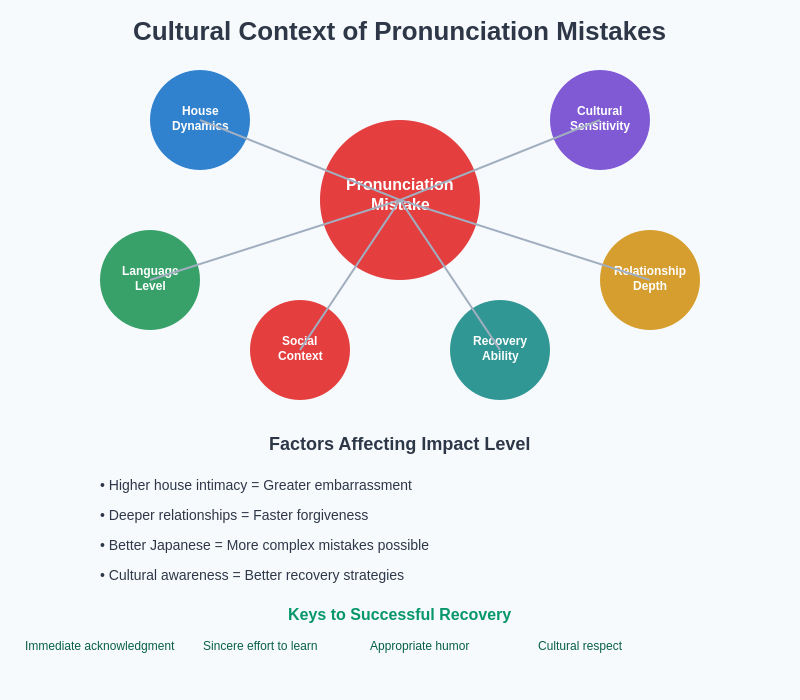
Sharehouse environments amplify the consequences of pronunciation mistakes through constant repetition, multiple witnesses, and the development of inside jokes or running commentary that can persist for months or years after the original error. Real stories from Tokyo sharehouse residents frequently include tales of pronunciation mistakes that became defining characteristics of residents’ personalities within house communities.
The social dynamics of shared living mean that pronunciation errors become shared experiences that bond residents through humor while potentially isolating the person who made the mistake. The delicate balance between good-natured teasing and genuine embarrassment requires careful navigation to maintain positive relationships while learning from linguistic errors.
Meal times become regular reminders of past pronunciation mistakes when food-related errors resurface during cooking discussions, meal planning, or restaurant recommendations. The daily necessity of food conversation means that vocabulary errors in this domain receive frequent reinforcement and continued attention that can prolong embarrassment beyond the initial incident.
Social events and house gatherings often feature retelling of memorable pronunciation mistakes as entertainment, creating pressure to develop thick skin and good humor about linguistic errors while potentially discouraging future attempts at Japanese communication. Dating while living in Tokyo sharehouses becomes complicated when pronunciation mistakes create personality impressions that affect romantic prospects and social confidence.
Recovery Strategies and Damage Control
Effective recovery from pronunciation mistakes requires immediate acknowledgment, sincere apology when appropriate, and demonstration of genuine effort to learn correct pronunciation while maintaining humor and perspective about the learning process. The ability to laugh at oneself while showing respect for the language and culture creates opportunities to strengthen relationships rather than damage them through linguistic errors.
Learning correct pronunciation through repetition, practice, and feedback helps prevent recurring mistakes while demonstrating commitment to communication improvement and cultural respect. Language barriers that prevent deep friendships can be overcome through persistent effort and willingness to accept correction and guidance from Japanese housemates who appreciate genuine learning attempts.
Creating learning partnerships with Japanese residents transforms pronunciation mistakes into teaching opportunities that strengthen relationships while improving communication skills. The collaborative approach to language learning helps normalize errors as part of the learning process rather than sources of ongoing embarrassment or social anxiety.
Developing cultural sensitivity around pronunciation errors includes understanding when mistakes require formal apology versus when humor provides appropriate response, based on the severity of the error and the cultural context of the situation. How cultural communication styles create misunderstandings provides frameworks for navigating these delicate social situations.
Technology and Learning Resources
Modern technology offers numerous tools for improving Japanese pronunciation and reducing the likelihood of embarrassing mistakes, including pronunciation apps, voice recognition software, and online resources that provide immediate feedback and correction. The accessibility of these tools means that pronunciation improvement becomes an ongoing process rather than a random trial-and-error experience.
Recording and analyzing personal pronunciation attempts helps identify recurring error patterns and track improvement over time while building confidence in communication abilities. The objective nature of technological feedback removes emotional pressure from the learning process while providing clear guidance for pronunciation improvement.
Practice routines that incorporate common sharehouse vocabulary and conversation topics help prepare for daily interactions while reducing anxiety about potential pronunciation mistakes. English-speaking sharehouses in Tokyo for foreigners may provide more comfortable learning environments for some residents, but pronunciation practice remains valuable regardless of house language preferences.
Long-term Impact on Confidence and Communication
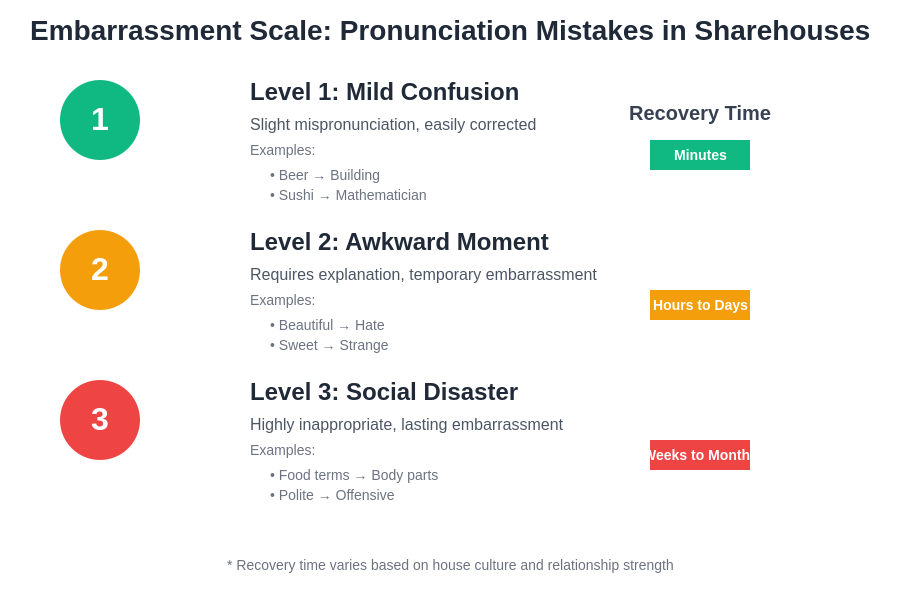
Repeated pronunciation mistakes can create lasting confidence issues that affect willingness to participate in Japanese conversations, potentially limiting social integration and relationship development within the sharehouse community. The psychological impact of embarrassing linguistic errors often extends beyond the immediate situation to influence future communication attempts and social behavior.
Building resilience to pronunciation mistakes requires developing realistic expectations about language learning while maintaining motivation to improve despite temporary setbacks and embarrassing moments. The long-term benefits of effective Japanese communication in sharehouse settings justify the temporary discomfort of learning through mistakes and social awkwardness.
Success stories of residents who overcame pronunciation challenges demonstrate that initial embarrassment can evolve into improved relationships, increased cultural understanding, and enhanced confidence in cross-cultural communication. How to handle roommate conflicts without moving out often requires effective communication skills that develop through persistent practice despite initial pronunciation difficulties.
Creating Supportive Learning Environments
Fostering house cultures that encourage language learning while maintaining sensitivity to embarrassing mistakes requires establishing norms around correction, humor, and support that benefit all residents regardless of Japanese proficiency levels. The collaborative approach to pronunciation learning creates stronger community bonds while reducing individual anxiety about linguistic errors.
Japanese residents play crucial roles in creating supportive learning environments through patient correction, appropriate humor, and recognition of pronunciation improvement efforts. The balance between helpful correction and overwhelming criticism determines whether mistakes become learning opportunities or sources of ongoing anxiety and social withdrawal.
International resident communities within sharehouses can provide peer support and shared learning experiences that normalize pronunciation mistakes while encouraging continued improvement and cultural integration. Student sharehouses near top Tokyo universities often develop particularly strong learning cultures that support linguistic development alongside academic pursuits.
The investment in pronunciation improvement and cultural sensitivity ultimately enhances sharehouse living experiences while building skills that extend far beyond the immediate residential community. Understanding how pronunciation mistakes create embarrassing situations provides the foundation for developing effective communication strategies that strengthen relationships, increase cultural understanding, and create more rewarding experiences in Tokyo’s dynamic sharehouse communities.
Disclaimer
This article is for informational purposes only and reflects common experiences in Tokyo sharehouses. Language learning challenges vary by individual, and pronunciation difficulties are a normal part of acquiring any new language. The examples provided are meant to illustrate common patterns rather than stereotype any particular culture or language group. Readers should approach cross-cultural communication with patience, respect, and understanding while recognizing that mistakes are an inevitable part of the learning process.