
Japan’s rainy season, known locally as “tsuyu,” represents one of the most challenging periods for sharehouse residents throughout the country, particularly in densely populated urban areas like Tokyo where multiple people share limited space and resources. The extended period of high humidity, constant precipitation, and poor air circulation creates a perfect storm of environmental conditions that can transform comfortable living spaces into uncomfortable, unhealthy, and potentially damaging environments that affect both physical well-being and property conditions.
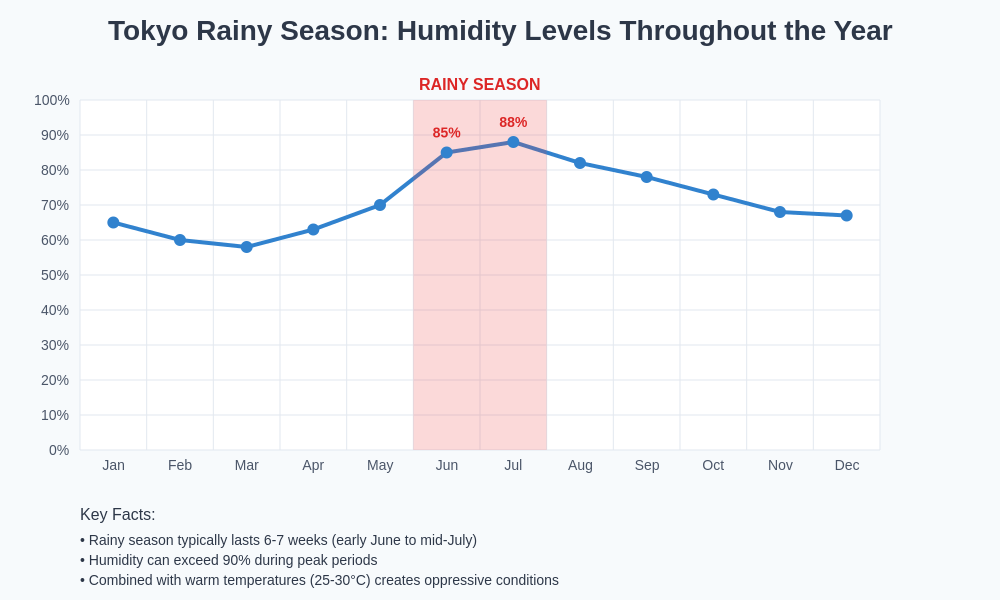
The intensity and duration of Japan’s rainy season varies annually, but typically spans from early June through mid-July, during which time humidity levels consistently exceed 80 percent while temperatures remain warm, creating oppressive atmospheric conditions that penetrate every aspect of daily life. For international residents unfamiliar with such extreme humidity levels, the adjustment period can be particularly difficult, requiring significant lifestyle modifications and proactive prevention strategies to maintain comfortable and healthy living conditions throughout this challenging season.
Understanding Japan’s Rainy Season Phenomenon
The meteorological conditions that create Japan’s distinctive rainy season result from complex interactions between warm, moist air masses from the Pacific Ocean and cooler air masses from the Asian continent, creating a stationary weather front that hovers over the Japanese archipelago for weeks at a time. This atmospheric phenomenon produces not only frequent rainfall but also sustained periods of extremely high humidity that can reach levels of 90 percent or higher, even during periods when active precipitation is not occurring.
Why dehumidifiers become essential equipment becomes immediately apparent to anyone experiencing their first Japanese rainy season, as traditional ventilation methods prove inadequate against the relentless moisture that permeates indoor spaces. The combination of external humidity and internal moisture generation from cooking, bathing, and human respiration creates compound effects that can overwhelm building ventilation systems, particularly in older structures that lack modern moisture management features.
The geographic positioning of Tokyo within this weather system means that the metropolitan area experiences some of the most intense humidity levels in the country, with the urban heat island effect further exacerbating moisture retention and creating microclimates within the city that can vary significantly between neighborhoods. How climate control preferences create conflicts becomes a critical consideration as residents struggle to balance comfort, energy costs, and equipment limitations during extended periods of challenging weather conditions.
Moisture Accumulation in Shared Living Spaces
Sharehouses present unique challenges during rainy season because multiple residents generate significantly more internal moisture than single-occupancy dwellings, creating compound effects that can quickly overwhelm natural ventilation and moisture management systems. Activities such as cooking, showering, laundry, and even basic human respiration contribute substantial amounts of water vapor to indoor air, which becomes trapped when external humidity levels prevent effective moisture exchange with outdoor air.
The architectural characteristics of many Tokyo sharehouses, including limited ventilation systems, multiple occupancy in relatively small spaces, and often inadequate insulation, create perfect conditions for moisture accumulation that can lead to serious problems including mold growth, structural damage, and health issues. Common areas such as kitchens, bathrooms, and laundry facilities become particularly problematic as they generate large amounts of moisture that can spread throughout the building via shared air circulation systems or simple atmospheric pressure differences.
How moisture control prevents mold growth becomes a critical skill set that residents must develop to protect their personal belongings, maintain healthy living conditions, and prevent damage to the property that could result in deposit forfeiture or additional charges. The challenge is particularly acute in rooms with limited natural light or poor air circulation, where moisture can accumulate unnoticed until serious problems develop.
Storage areas, closets, and spaces behind furniture become particular risk zones during rainy season, as these locations often have minimal air circulation and can develop moisture buildup that creates ideal conditions for mold and mildew growth. Personal belongings including clothing, books, electronics, and bedding require special attention and protection strategies to prevent damage from humidity-related deterioration that can be both costly and irreversible.
Health and Comfort Impacts
Extended exposure to high humidity environments creates numerous health challenges that can significantly impact quality of life, work performance, and overall well-being throughout the rainy season period. The human body’s natural cooling mechanism through perspiration becomes severely compromised when ambient humidity levels exceed 70 percent, leading to feelings of constant discomfort, fatigue, and difficulty regulating body temperature even when actual air temperatures are not particularly high.
Respiratory issues often develop or worsen during periods of high humidity, as moist air can feel heavy and difficult to breathe, particularly for individuals with existing conditions such as asthma or allergies. The increased presence of mold spores, dust mites, and other allergens that thrive in humid conditions can trigger allergic reactions and respiratory problems that persist throughout the rainy season and sometimes beyond, requiring medical attention and lifestyle modifications.
Sleep quality typically deteriorates significantly during periods of high humidity, as the body struggles to regulate temperature and moisture levels during rest periods. How sleep quality suffers in shared environments becomes compounded by humidity challenges, creating compound effects that can impact cognitive function, immune system performance, and emotional well-being throughout the extended period of challenging environmental conditions.
Skin conditions often develop or worsen during rainy season due to constant moisture exposure, reduced air circulation, and increased bacterial and fungal growth that thrives in humid environments. Issues such as heat rash, fungal infections, and general skin irritation become common problems that require proactive prevention and treatment strategies to maintain personal comfort and health.
Mold and Mildew Development
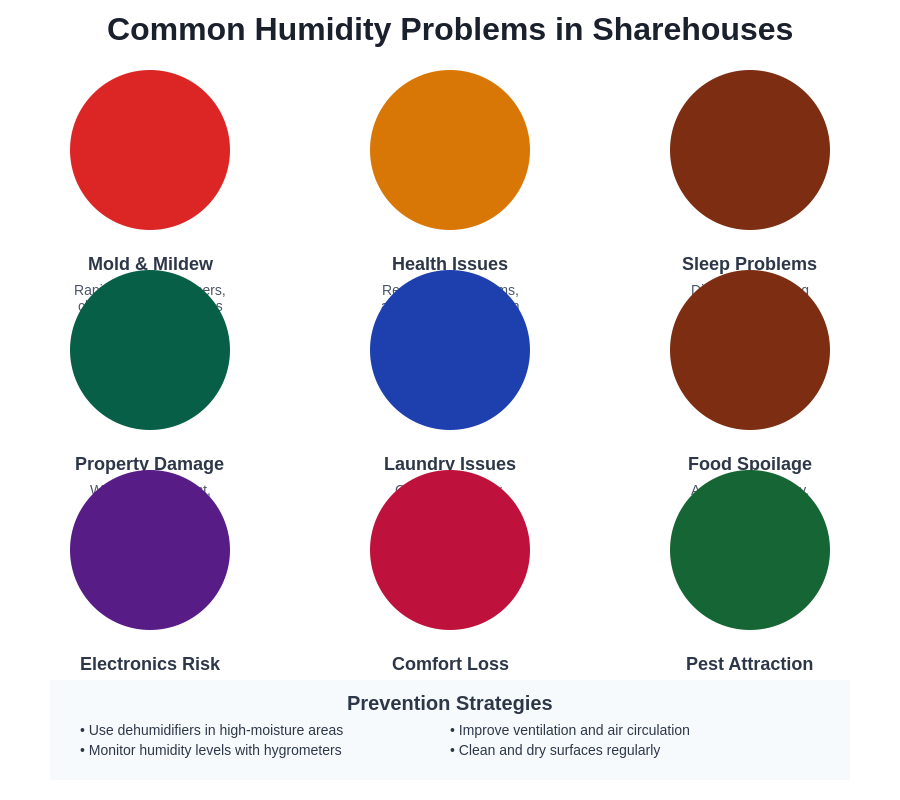
The combination of high humidity, warm temperatures, and limited air circulation creates optimal conditions for rapid mold and mildew growth that can develop within days of the rainy season’s onset, particularly in areas with poor ventilation or existing moisture problems. These fungal growths not only create unsightly and odorous conditions but also pose serious health risks and can cause permanent damage to building materials, furniture, and personal belongings.
How mold problems develop in humid sharehouses often begins in areas that residents don’t regularly inspect, such as behind furniture, inside closets, or in bathroom corners where air circulation is minimal. Once established, mold colonies can spread rapidly throughout interconnected living spaces, making early detection and prevention critical for maintaining healthy living conditions.
Different types of mold present varying levels of health risks, with some species producing toxic compounds that can cause serious respiratory problems, allergic reactions, and other health issues that may require medical treatment. Black mold, in particular, can develop in severely humid conditions and poses significant health risks that can affect multiple residents in shared living situations, making prevention and early intervention essential for community health and safety.
The financial implications of mold damage can be substantial, as affected areas may require professional remediation, replacement of damaged materials, and temporary relocation of residents during treatment processes. What security deposits actually cover in sharehouses typically does not include extensive mold damage, potentially leaving residents liable for significant repair and remediation costs that can exceed their initial security deposits.
Structural and Property Damage
Extended exposure to high humidity can cause significant damage to building materials, furnishings, and structural elements that may not be immediately apparent but can result in costly repairs and potential safety issues over time. Wood materials are particularly vulnerable to moisture damage, with warping, swelling, and rot being common problems that can affect flooring, furniture, and structural elements throughout the building.
Metal fixtures and appliances can develop rust and corrosion problems during extended humid periods, particularly in areas with poor ventilation or direct exposure to moisture. Electrical systems may also be affected by humidity, with increased risks of short circuits, corrosion of connections, and reduced efficiency of electronic devices that can create both safety hazards and increased repair costs for residents and property owners.
Wall coverings, paint, and decorative materials can deteriorate rapidly in high humidity conditions, developing bubbling, peeling, or discoloration that not only creates unsightly conditions but may also indicate more serious underlying moisture problems. Why insulation quality affects comfort levels becomes particularly relevant during rainy season, as inadequate insulation can contribute to condensation problems and structural moisture damage.
Personal belongings require special protection during rainy season, as humidity can damage electronics, clothing, books, and other valuable items that may not be replaceable or may be expensive to repair or replace. Understanding which items are most vulnerable and implementing appropriate protection strategies becomes essential for preventing significant financial losses during the humid season.
Daily Life Disruptions
The practical challenges of maintaining normal daily routines during rainy season can be substantial, requiring significant adjustments to clothing choices, storage methods, and household activities that can feel overwhelming for residents unprepared for the intensity and duration of humid conditions. Laundry becomes a particular challenge, as clothes take significantly longer to dry and may develop unpleasant odors or mildew if not properly managed.
Food storage requires extra attention during humid periods, as increased moisture can accelerate spoilage, promote bacterial growth, and create ideal conditions for pest infestations that can affect entire sharehouse communities. How food storage rules impact your eating habits becomes critically important during rainy season when standard storage methods may prove inadequate for maintaining food safety and quality.
Transportation and commuting patterns often require significant adjustments during rainy season, as constant precipitation and humid conditions affect clothing choices, travel times, and comfort levels during daily activities. How commute times impact your quality of life can be dramatically affected by weather-related delays and the need to account for protective gear and extended travel times during stormy periods.
Work-from-home productivity can be significantly impacted by humid conditions that make concentration difficult, create uncomfortable working environments, and may affect the performance of electronic equipment used for professional activities. How remote work isn’t always possible from sharehouses becomes particularly relevant when humidity creates additional challenges for maintaining professional standards and productivity levels.
Prevention and Management Strategies
Effective humidity management during rainy season requires proactive planning and implementation of multiple strategies that address both environmental control and personal adaptation to challenging conditions. Understanding which approaches are most effective in shared living situations helps residents minimize discomfort and prevent serious moisture-related problems that can affect health, property, and quality of life.
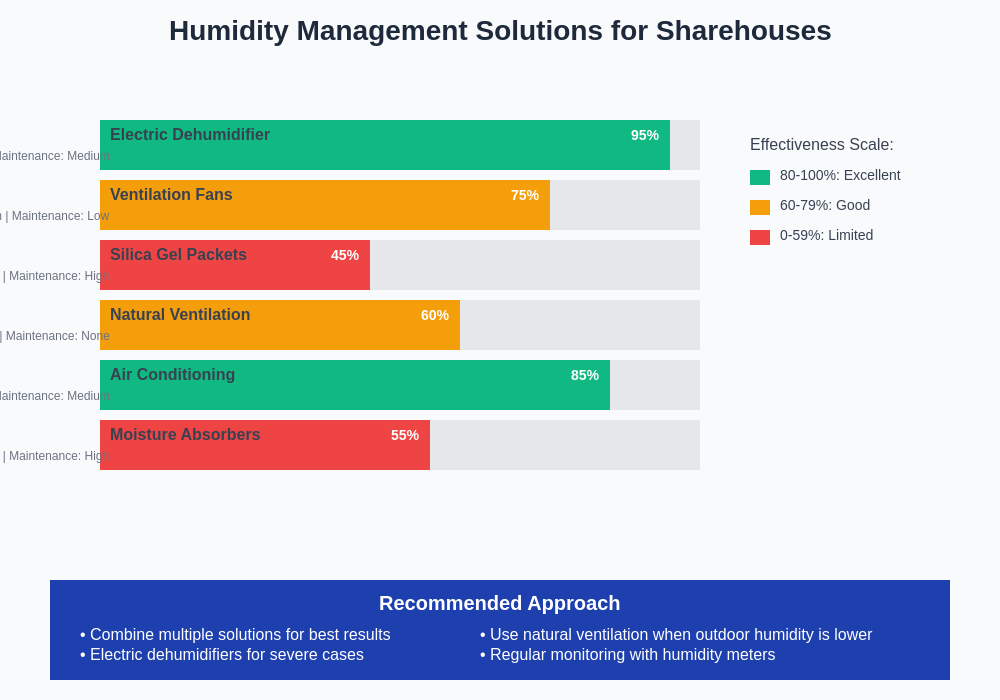
Mechanical dehumidification represents the most effective approach for managing indoor humidity levels during rainy season, though the selection and placement of equipment requires careful consideration of room size, occupancy levels, and electrical capacity. Understanding the different types of dehumidifiers available, their energy consumption patterns, and optimal placement strategies can significantly improve their effectiveness while managing operational costs.
Natural ventilation strategies must be adapted for humid conditions, as simply opening windows during rainy periods can actually increase indoor humidity levels rather than reducing them. Learning to identify optimal timing for ventilation, understanding cross-ventilation principles, and recognizing when mechanical systems are necessary becomes essential for effective moisture management throughout the season.
How air quality concerns affect daily decisions becomes particularly relevant during rainy season when balancing fresh air circulation with humidity control requires careful consideration of timing, weather conditions, and indoor air quality monitoring to achieve optimal results.
Community Cooperation and House Rules
Managing humidity problems in sharehouses requires coordinated efforts from all residents to implement effective moisture control strategies and prevent conditions that can exacerbate humidity-related issues. Establishing clear protocols for activities that generate moisture, sharing dehumidification equipment, and maintaining consistent prevention practices helps ensure that individual efforts contribute to overall community comfort and property protection.
Communication systems become essential for alerting residents to developing moisture problems, coordinating equipment usage, and sharing information about effective strategies and potential issues. How conflict resolution abilities improve becomes particularly important when humidity creates stress and discomfort that can affect interpersonal relationships and community harmony.
Cost-sharing arrangements for humidity control equipment and related expenses require careful planning and clear agreements to ensure equitable distribution of both costs and benefits. Understanding how to evaluate equipment needs, negotiate usage schedules, and maintain shared resources helps maximize the effectiveness of community-based humidity management approaches while maintaining fairness and cooperation among residents.
Regular maintenance and cleaning schedules become more important during humid periods, as neglected areas can quickly develop mold and mildew problems that affect entire communities. How cleaning responsibilities create house drama can be exacerbated during rainy season when extra vigilance and effort are required to maintain healthy living conditions.
The challenges presented by Japan’s rainy season require comprehensive understanding, proactive planning, and sustained effort to manage effectively in sharehouse environments. Success depends on combining technical solutions, behavioral adaptations, and community cooperation to create living conditions that remain comfortable, healthy, and sustainable throughout this demanding period. Residents who approach rainy season with proper preparation and realistic expectations can minimize its impact while developing valuable skills and resilience that benefit their overall experience living in Japan.
Disclaimer
This article is for informational purposes only and does not constitute professional medical, property management, or legal advice. Weather conditions and their impacts can vary significantly by location, building type, and individual circumstances. Readers should consult with relevant professionals regarding specific health concerns, property damage issues, or technical solutions for their particular living situations. The effectiveness of suggested strategies may vary depending on individual circumstances and building characteristics.