Living in a Japanese sharehouse presents unique financial circumstances that make receipt management and tax documentation far more critical than many international residents initially realize. The complexity of Japan’s tax system, combined with the specific deduction opportunities and compliance requirements that apply to foreign residents, creates situations where meticulous record-keeping can result in significant financial benefits or, conversely, where poor documentation practices can lead to missed opportunities and potential compliance issues.
Understanding the intersection between daily living expenses, sharehouse-related costs, and tax obligations requires comprehensive knowledge of what constitutes deductible expenses, proper documentation requirements, and the strategic timing of purchases and payments. This systematic approach to receipt management becomes even more crucial when navigating the cultural and language barriers that often complicate tax preparation for international residents living in shared accommodation settings.
Understanding Japanese Tax Implications for Sharehouse Residents
Japanese tax regulations create specific obligations and opportunities for foreign residents that differ significantly from those in most other countries, particularly regarding income reporting, deduction eligibility, and documentation requirements. Living in sharehouses affects your taxes in ways that extend beyond simple accommodation costs to encompass utility allocations, shared expense distributions, and potential business-related deductions.
The residence status of foreign nationals directly impacts tax liability calculations, with different visa categories creating varying levels of tax obligation and deduction eligibility. Temporary residents, permanent residents, and non-residents each face distinct requirements for income reporting and expense documentation that influence the importance of maintaining detailed receipt records throughout the tax year.
Sharehouse living arrangements often create ambiguous situations regarding expense categorization, particularly when residents share costs for utilities, internet services, cleaning supplies, and other household necessities. Proper receipt management enables residents to accurately allocate these shared expenses between personal and potentially deductible categories, maximizing tax efficiency while maintaining compliance with Japanese tax authority requirements.
The timing of receipt collection and documentation becomes particularly important given Japan’s calendar year tax cycle and the specific deadlines for various tax filings and payments. Understanding when expenses occur relative to tax year boundaries and ensuring proper documentation exists at the time of filing prevents costly delays and potential penalties associated with incomplete submissions.
Identifying Deductible Expenses in Shared Living Situations
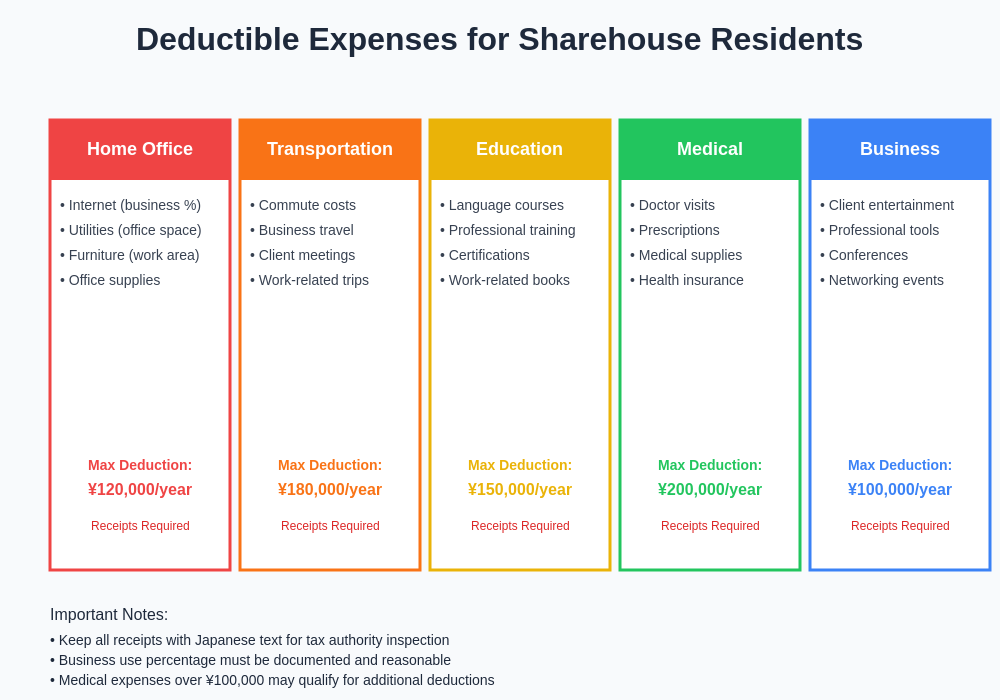
The shared nature of costs in sharehouse environments creates numerous opportunities for legitimate tax deductions that residents often overlook due to inadequate documentation or misunderstanding of eligibility criteria. Work-related expenses, educational costs, and certain living expenses may qualify for deductions when properly documented and categorized according to Japanese tax regulations.
Home office deductions present particularly complex scenarios for sharehouse residents who work remotely or conduct business activities from their living spaces. Tax deductions work for home office space requires precise documentation of space usage, utility consumption, and shared resource allocation that can only be achieved through systematic receipt collection and expense tracking.
Business-related entertainment, transportation, and communication expenses incurred while living in sharehouses often qualify for deductions when properly documented with receipts, categorized appropriately, and supported by business justification records. The key to maximizing these deductions lies in maintaining contemporaneous records that clearly establish the business purpose and necessity of each expense.
Educational expenses, including language learning costs, professional development courses, and certification programs, frequently qualify for deductions that can significantly reduce tax liability for international residents seeking to advance their careers or improve their Japanese language skills. Proper receipt management ensures that all qualifying educational expenses are captured and properly supported with appropriate documentation.
Establishing Systematic Receipt Collection Procedures
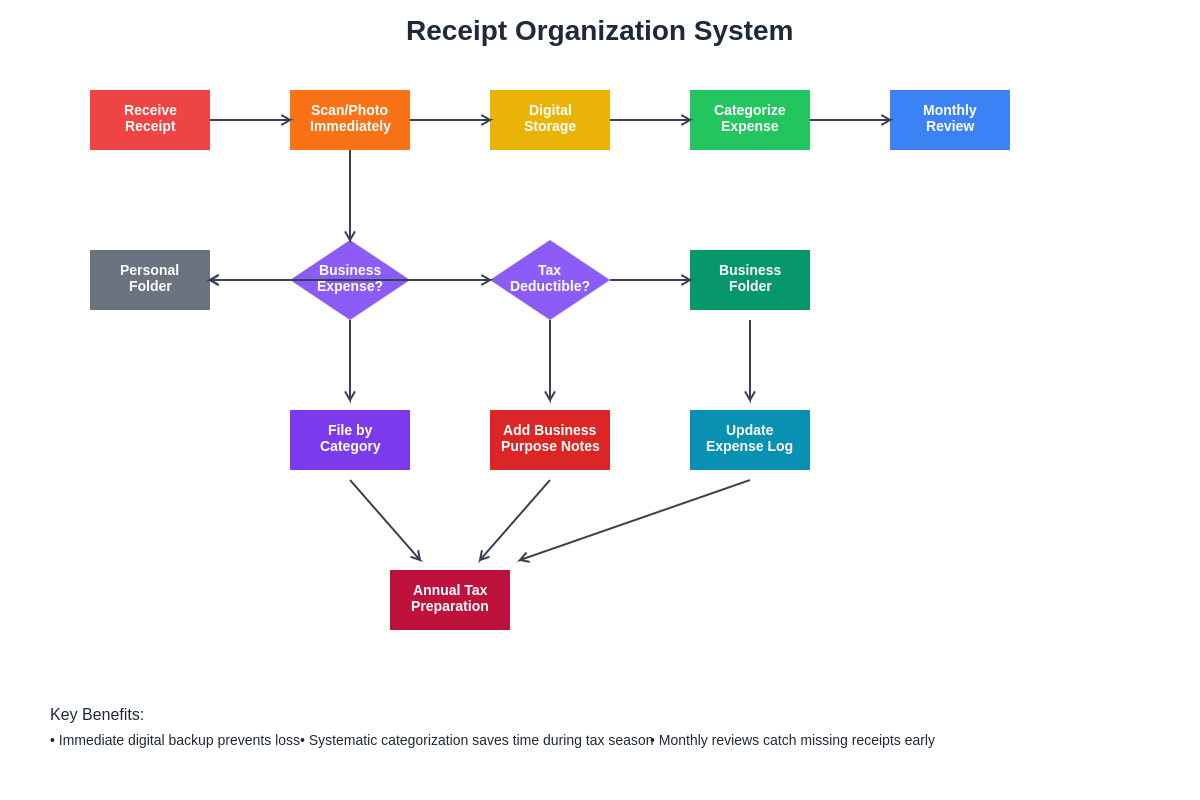
Creating effective receipt collection systems requires understanding the various types of documentation required for different expense categories and implementing consistent procedures that capture all potentially relevant financial transactions throughout the year. Digital receipt management solutions have become increasingly sophisticated, offering automated categorization, optical character recognition, and integration with accounting software that simplifies compliance while ensuring comprehensive documentation.
Physical receipt storage systems remain important for certain types of transactions and serve as backup documentation for digital systems that may experience technical failures or data corruption. The combination of physical and digital storage creates redundant systems that protect against data loss while providing flexible access to documentation during tax preparation periods.
Shared expense documentation in sharehouse environments requires additional coordination among residents to ensure that all parties maintain appropriate records for their proportional share of common costs. Shared expense apps create new problems when residents fail to maintain individual receipt copies or rely exclusively on digital platforms that may not provide sufficient detail for tax documentation purposes.
Regular receipt organization sessions prevent the accumulation of unprocessed documents that can create overwhelming tasks during tax season. Weekly or monthly reviews of collected receipts allow for timely categorization, missing document identification, and proactive resolution of documentation gaps before they impact tax preparation efficiency.
Navigating Language and Cultural Barriers in Documentation
Japanese receipt formats, terminology, and business practices create unique challenges for international residents who must understand the content and significance of various document types for tax purposes. Receipt translation, either through digital tools or professional services, becomes necessary for accurate expense categorization and compliance with documentation requirements that may be subject to audit review.
Cultural differences in business documentation practices mean that some legitimate expenses may not generate traditional receipts, requiring alternative documentation methods such as bank records, email confirmations, or written acknowledgments that satisfy tax authority requirements while providing adequate expense verification.
The prevalence of cash transactions in Japanese business culture necessitates particular attention to receipt collection at the point of purchase, as reconstructing these transactions from bank records becomes impossible when cash payments are involved. Cash only payments are still common creates situations where missed receipt collection results in permanent loss of deduction opportunities.
Understanding which Japanese businesses provide receipts suitable for tax documentation versus those that issue simpler sales slips helps international residents make informed decisions about where to conduct business when tax documentation is particularly important for their financial planning strategies.
Managing Shared Utilities and Housing-Related Expenses
Utility bill management in sharehouses often involves complex cost-sharing arrangements that require careful documentation to properly allocate expenses among residents for tax purposes. Understanding utility bills in Japanese sharehouses involves not only comprehending the billing structure but also maintaining records that support proportional expense allocation for tax documentation.
Internet and communication service costs shared among residents may qualify for business deductions when properly documented and justified as necessary for work-related activities. The challenge lies in maintaining records that clearly establish the business versus personal use ratios required for accurate deduction calculations.
Cleaning supplies, maintenance costs, and other household expenses shared among residents create documentation requirements that extend beyond simple receipt collection to include allocation methodologies and usage tracking that support proportional expense claims for tax purposes.
Furniture rental, appliance usage, and other shared resource costs often generate receipts in names of individual residents who must then document the expense-sharing arrangements for accurate tax reporting by all parties involved in the cost-sharing agreements.
Handling Business Expense Documentation
International residents working in Japan often incur business-related expenses that require meticulous documentation for reimbursement or tax deduction purposes, with receipt management becoming crucial for maintaining compliance with both employer policies and tax authority requirements.
Transportation expenses for business purposes require detailed documentation that includes not only receipts for fares and vehicle costs but also records of business purpose, destinations, and timing that support the legitimacy of expense claims. Transportation costs impact entertainment budgets when residents must carefully categorize expenses between personal and business purposes for accurate tax reporting.
Client entertainment expenses, business meals, and professional networking costs often qualify for deductions or reimbursements when supported by proper receipts and business justification documentation that clearly establishes the business purpose and necessity of the expenses.
Office supply purchases, software subscriptions, and equipment costs for business use require receipts that support depreciation calculations, immediate expense deductions, or reimbursement claims depending on the specific nature of the expense and applicable tax regulations.
Maximizing Medical and Healthcare Deductions
Healthcare expenses incurred by international residents living in sharehouses often qualify for significant tax deductions when properly documented with receipts and medical documentation that meets Japanese tax authority requirements for healthcare expense claims.
Prescription medication costs, medical treatments, and preventive healthcare expenses require receipts that include specific information about the nature of treatment, provider qualifications, and medical necessity that supports deduction eligibility under Japanese tax regulations.
Mental health services, counseling, and stress-related treatments often qualify for medical deductions when documented with proper receipts and medical professional certifications that establish the treatment as medically necessary rather than elective or cosmetic in nature.
Alternative medicine, traditional treatments, and wellness services may qualify for deductions depending on provider credentials and treatment classification under Japanese healthcare regulations, requiring careful receipt management and provider verification for tax compliance purposes.
Digital Receipt Management and Technology Solutions
Modern receipt management applications offer sophisticated features designed specifically for international tax compliance, including automatic currency conversion, expense categorization, and integration with popular accounting software that simplifies tax preparation for complex international living situations.
Cloud-based storage solutions provide security and accessibility benefits that traditional physical filing systems cannot match, while also offering search capabilities and backup protection that prevent data loss from physical damage or theft that could compromise tax preparation efforts.
Optical character recognition technology has advanced to handle Japanese language receipts with increasing accuracy, enabling automated data extraction and categorization that reduces manual processing time while improving accuracy of expense record-keeping systems.
Integration between receipt management applications and tax preparation software creates streamlined workflows that minimize data entry requirements while ensuring comprehensive documentation that supports accurate tax calculations and compliance with Japanese tax authority requirements.
Annual Tax Preparation and Documentation Organization
Tax season preparation requires systematic organization of accumulated receipts and documentation into categories that align with Japanese tax form requirements and deduction calculations, making the quality of ongoing receipt management directly visible in the efficiency of tax preparation processes.
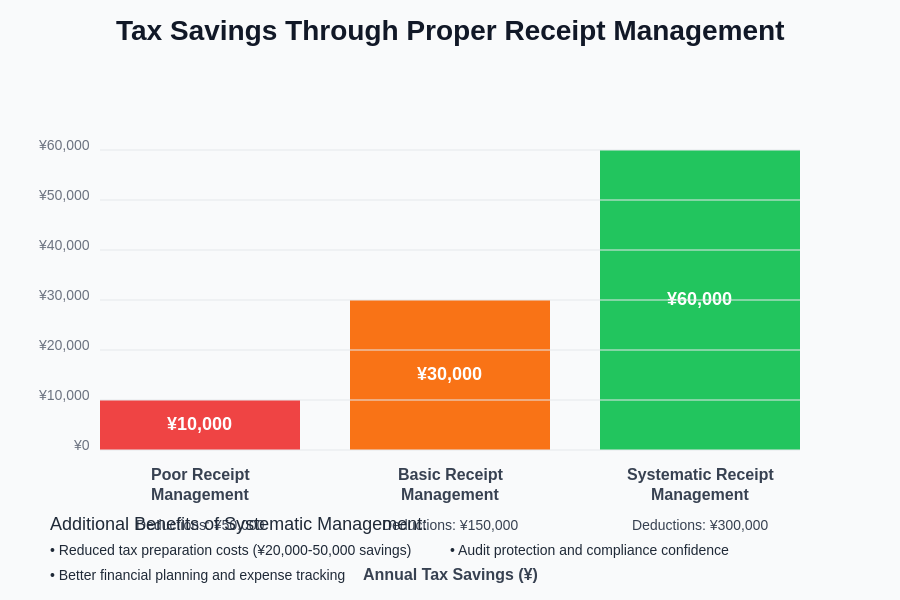
Professional tax preparation services often charge fees based on the organization and completeness of client documentation, making effective receipt management a cost-saving strategy that reduces professional service fees while improving the accuracy and completeness of tax return preparation.
Audit preparation considerations require maintaining receipt documentation in formats and organization systems that facilitate rapid response to tax authority inquiries, with proper receipt management serving as insurance against potential audit complications or penalties.
Year-end documentation reviews provide opportunities to identify missing receipts, categorization errors, and documentation gaps that can still be addressed before tax filing deadlines, emphasizing the importance of maintaining organized systems throughout the year rather than attempting comprehensive organization during tax season.
Common Mistakes and Avoidance Strategies
Receipt organization failures often result from inconsistent collection procedures, inadequate categorization systems, or delayed processing that creates overwhelming backlogs during critical tax preparation periods. Understanding these common failure patterns helps residents implement more effective systems before problems develop.
Currency conversion errors in international transactions require careful attention to exchange rate documentation and timing that affects deduction calculations, particularly for residents who conduct business or make purchases in multiple currencies throughout the tax year.
Shared expense documentation failures occur when residents fail to maintain individual copies of receipts for shared costs or rely on informal cost-sharing arrangements that lack proper documentation for tax authority scrutiny during potential audit situations.
Language barrier issues in receipt interpretation can lead to incorrect expense categorization or missed deduction opportunities when residents fail to properly understand the nature and tax implications of documented expenses, highlighting the importance of professional consultation or translation services when uncertainty exists.
Long-term Financial Benefits and Compliance Advantages
Systematic receipt management creates compounding benefits over multiple tax years, establishing patterns of compliance and documentation that simplify future tax preparation while maximizing deduction opportunities that can result in substantial cumulative tax savings for international residents.
Professional reputation benefits emerge from maintaining excellent financial records and tax compliance, particularly important for international residents whose visa status and continued residence eligibility may depend on demonstrated financial responsibility and legal compliance throughout their stay in Japan.
Business development opportunities often require demonstrated financial management capabilities and tax compliance history that proper receipt management systems provide, enabling residents to pursue entrepreneurial activities or employment opportunities that require financial background verification.
Estate planning and financial planning benefits result from maintaining comprehensive expense documentation that provides clear pictures of spending patterns, deduction opportunities, and financial management capabilities that inform long-term financial decision-making strategies for international residents building lives in Japan.
The investment of time and effort required to maintain proper receipt management systems pays substantial dividends through increased tax efficiency, reduced professional service costs, improved compliance confidence, and enhanced financial planning capabilities that benefit international residents throughout their time living in Japanese sharehouses and beyond.
Disclaimer
This article is for informational purposes only and does not constitute professional tax or legal advice. Japanese tax regulations are complex and subject to frequent changes that may affect the applicability of information presented. Readers should consult qualified tax professionals familiar with Japanese tax law and international resident obligations before making decisions based on this information. Individual circumstances may significantly affect tax obligations and deduction eligibility.